


















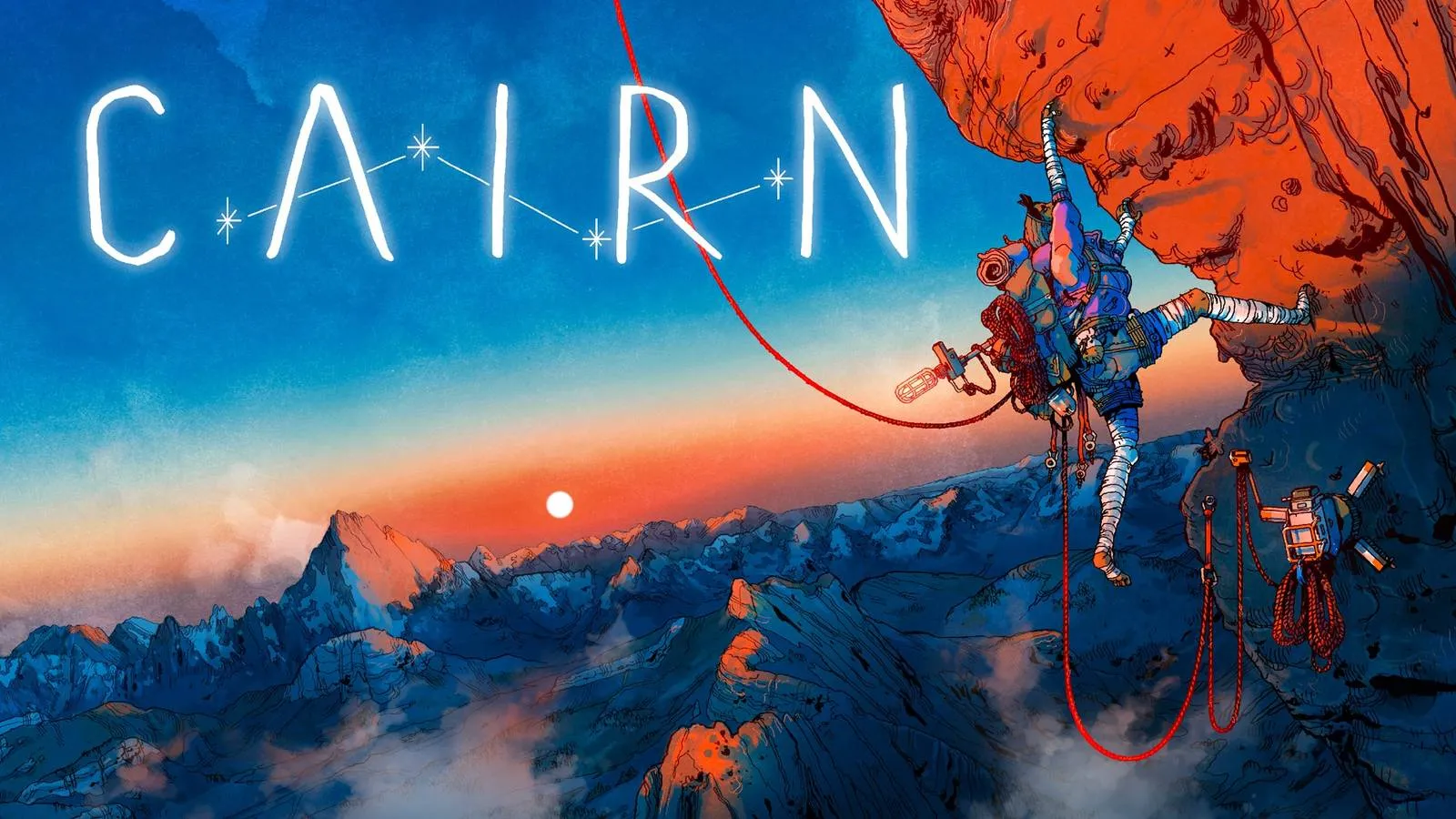

The summit of Kami feels like a last, quiet frontier. Many mountains have been charted and packaged into commercial routes, yet this fictional spire still reads as unclaimed space, untouched by any survivor’s routine. Aava reaches the base with a single-minded urgency.
She brings a professional career’s pressure and the numb quiet of a life she has left down below. The game grounds itself in the bodily truth of climbing. Each move asks for effort and intention from you, not a single input that skips the work. Kami stands as an indifferent mass of stone and weather.
It offers no comfort for ambition or backstory. Every bit of elevation comes from bargaining with gravity. Aava keeps choosing thin air and exposure over the mess of human ties. Her climb plays as survival in its most direct form, with the story living in the gap between a secure hold and open air.
The Mechanics of Manual Mastery
The movement system asks you to treat Aava’s body like a set of separate instruments. You control left arm, right arm, left leg, and right leg as individual actions, and the game expects deliberate sequencing. That design pushes coordination in a way most action games avoid. Balance becomes something you build, step by step. Move a leg without a reliable handhold and you can fold her stance in seconds.
The structure carries some of the physics-driven frustration seen in Baby Steps, yet it frames that friction through professional athletic skill. Aava is trained for this. Her technique wants to be clean. The mountain still makes a routine reach feel dangerous.
The game trains your eye through feedback that stays readable without flattening the challenge. Visual and audio cues help you judge stability in the moment. Stretch her too far and you see the shake in her muscles. Her breathing turns harsh and uneven. Those signals tell you stamina is running out. Your response has to be practical: find a steadier position, reset a limb, shake out tension, recover a bit of strength. That loop creates a constant pattern of strain and brief relief, with your attention locked on the next crack or divot that can take her weight.
Also Read





Route planning becomes its own system, separate from the raw execution. You can pull the camera away from the cliff and study the face from distance, which turns scouting into a real decision point. You read the wall for options and pick a line that fits what you have left. Some routes give you many cracks for pitons while demanding more strength. Other sections run smooth and push you into a free-solo approach where one error can end the run. The game keeps asking you to tell the difference between a trustworthy ledge and a slope made of loose stone.
The settings menu supports several difficulty adjustments that reshape how much of the climb comes from your own reading of the wall. Assists can highlight stronger holds or help the game decide which limb to move next, which keeps the focus on narrative for players who want that lane.
Turn them off and the climb becomes a harsh puzzle of body management and route logic. With time, the UI prompts matter less because your eyes start doing the work. Rock texture and color become information. Late ascents land with more weight because your progress comes from learned judgment, not a checklist. You play Aava through the climb while building the instincts of someone who does this for a living.
Resource Scarcity and Vertical Endurance
Survival on Kami runs on strict limits. You track three core needs: hunger, hydration, and warmth. These meters function as hard constraints. Hit zero and Aava passes out. Losing consciousness on a vertical wall often leads to a fall that ends the attempt.
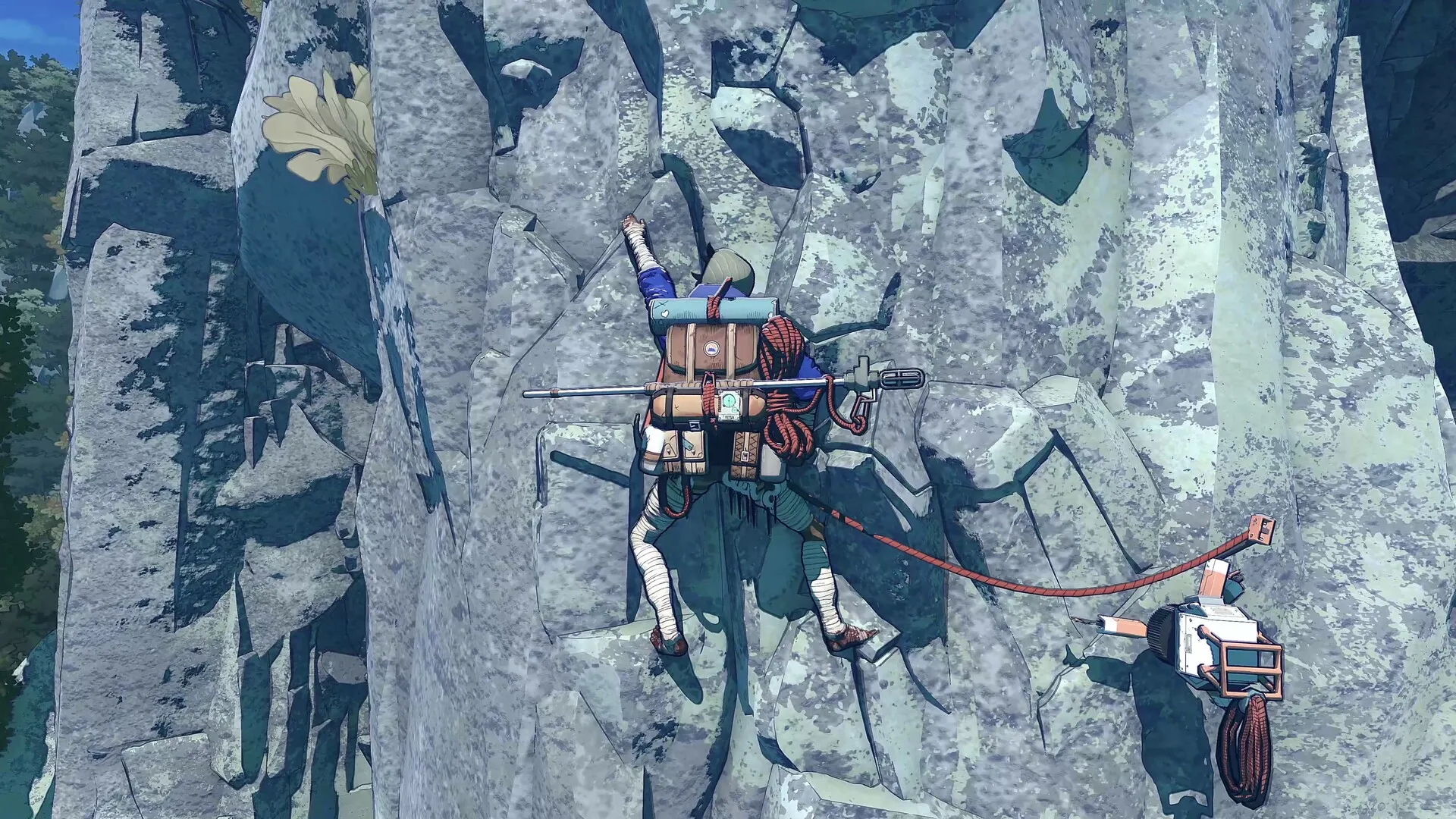
The system forces you to manage risk early, before a meter collapses, which shapes the tempo of play. You get bursts of intense climbing followed by planned pauses. The bivouac system gives you specific save points where you can set a tent, and those small ledges feel like temporary shelter from the wind.
Inside the tent, the game shifts into preparation and resource choices. You cook what you’ve collected. Aava can eat instant noodles or brew tea from dandelions found in a cave. Certain foods grant a status effect called “grit.” In that frozen state, your meters stop draining for a limited window.
It becomes a key tool for the longest stretches where the wall offers few safe breaks. You also maintain Aava’s body in concrete ways. Tape goes back on her fingers once they start bleeding. Her robot companion, Climbot, recycles plastic waste into fresh chalk. That chalk is your route to better grip on slick surfaces during a storm.
Inventory pressure ties directly into these survival demands. Your carrying limit is strict, and the backpack uses a grid system that turns every loadout into a puzzle. You will leave food behind to make space for more pitons, and that choice carries real consequences later.
Pitons serve as your main safety net. You drive them into stone and attach a rope to form a belay point, which can catch you during a fall. The system pushes restraint, since forcing a piton into rock that is too dense can break it. A broken piton is gone for good. You end up making judgment calls about which sections deserve one of your remaining spikes.
As altitude rises, scavenging stops feeling optional. Water appears in small streams or in bear-proof boxes left by earlier expeditions. The mountain sometimes offers relief at the exact moment you need it. You might find raspberries right as the hunger meter starts blinking red. Those finds register as small gifts inside an environment that usually feels hostile. The line between success and failure stays thin, and the game keeps reinforcing a simple truth: smart supply use decides how far you go. Every item reads like an asset you protect.
Ruins and Remnants of a Sacred Peak
Kami’s world-building arrives through observation rather than exposition. You discover ruins from a troglodyte civilization carved into the mountain itself. Ancient cities and massive statues hint at a culture built around life at altitude. You also see marks of modern exploitation. Broken cable car stations and rusted advertisements suggest corporate attempts to convert the mountain into a tourist product. That collision between sacred space and commercial residue gives the climb a heavy mood. Aava feels like someone stepping into a place that already turned its back on humanity once.
The mountain also carries the dead weight of failed attempts. You come across abandoned campsites and frozen gear left behind by past climbers. Sometimes you find bodies. The game treats those encounters with silence and gravity. Letters and messages explain the reasons people came here.
Two orphans promised each other they would reach the top together. A couple returned again and again, pushing a little higher each time. These fragments give Kami a lived history. Aava joins a line of people who tried this before, and others will try after. The remnants function as warning signs written in personal terms, showing what follows when you misread the peak.
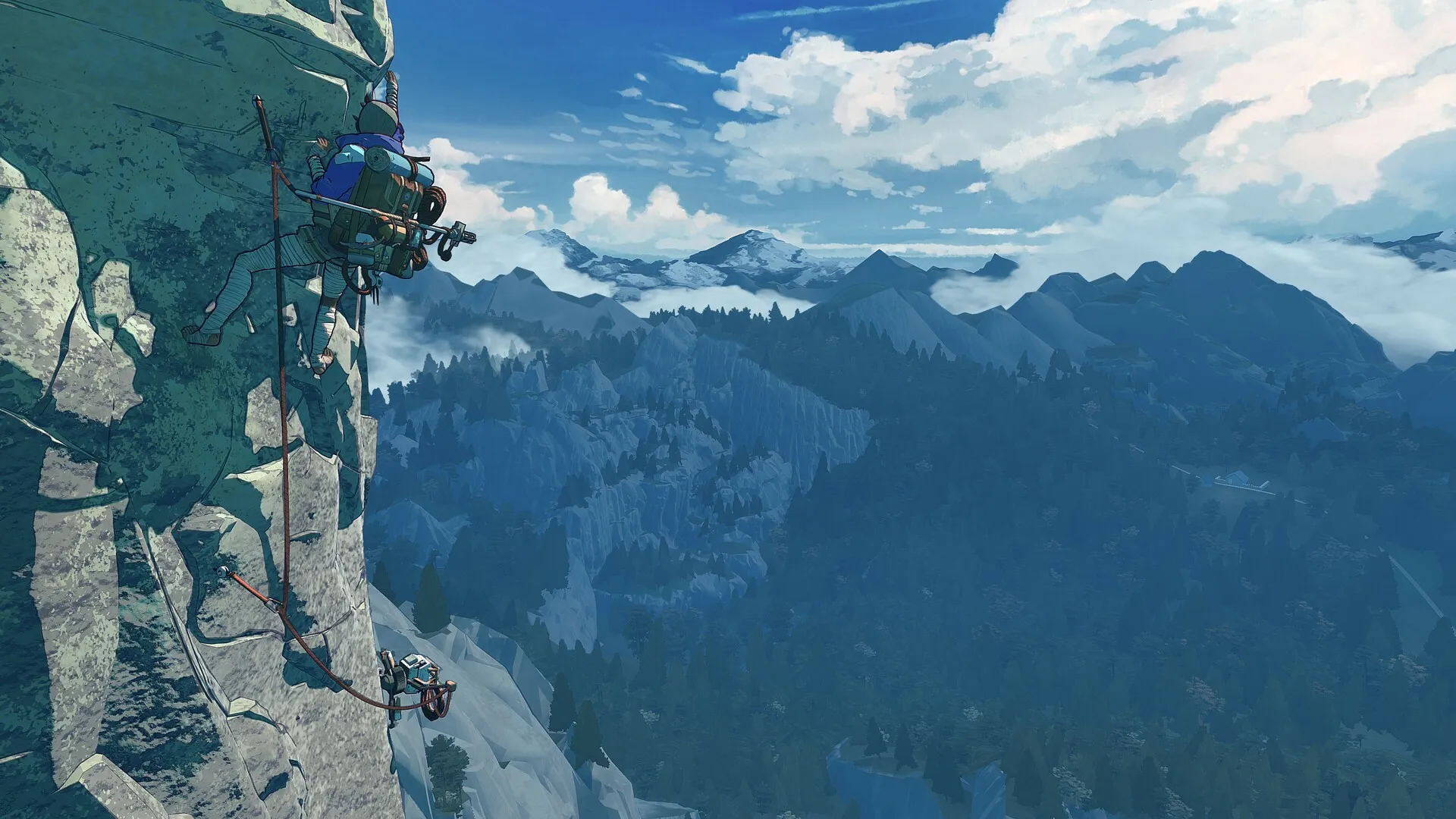
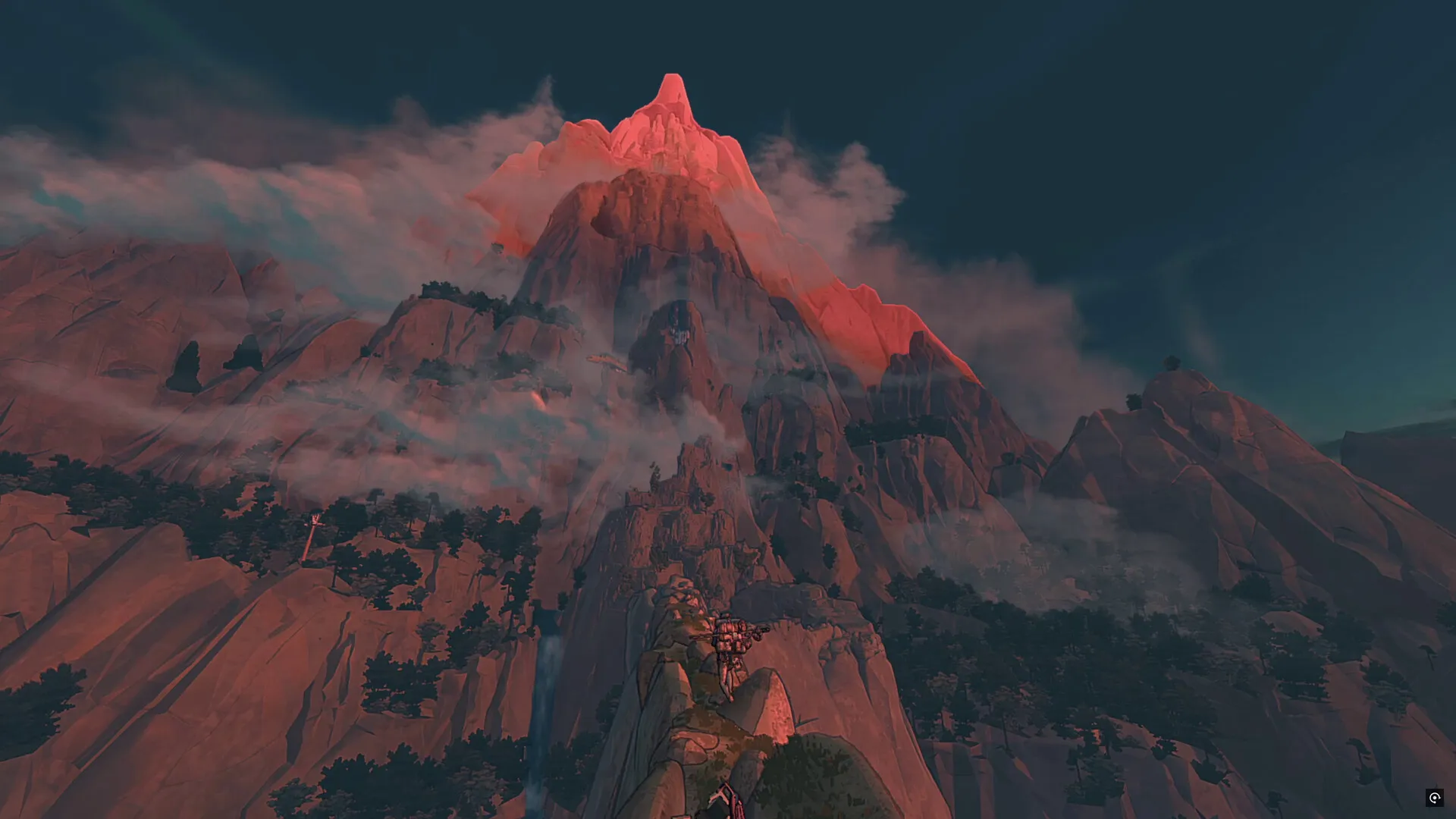
Visually, the game leans into a stylized look with bold colors and sharp lines, giving the landscape the feel of a moving illustration. Light and weather reshape the palette. A golden sunset can collapse into a blue-tinted blizzard within minutes. Snow thickens as you climb, swallowing the remaining color until the wall feels drained and cold. Scale never stops pressing in. Look down and clouds sit far below. Look up and the summit still feels unreachable.
That vertical design defines everything you do. The void behind you stays present in every decision. Kami plays as a three-dimensional puzzle that extends upward, not a simple path you trace across a surface. Many ruins sit on optional lines, and choosing to explore them means accepting extra risk. Those detours teach you more about the mountain’s resentment toward climbers and about how the ancient inhabitants reacted to outsiders. That history complicates Aava’s mission. She climbs through wreckage left by cultures and by the lives that ended on these slopes.
The Personal Cost of the Summit
Aava can be hard to warm to, and the game treats that as intentional characterization. She is a professional athlete with a “thorny” personality, and she pushes people away to keep her focus on the summit. You hear that distance through radio messages. Her manager, Chris, fixates on sponsors and the photos Aava needs to send. Her partner, Noami, represents the life Aava is abandoning on the ground. Noami questions the obsession and asks things Aava refuses to answer. Those calls keep the world below present, and they underline what Aava has traded for altitude.
Her social edges cut just as sharply on the mountain. You meet a novice climber named Marco who idolizes her, and Aava often responds with impatience and unkindness. She treats him as interference. The story’s theme of isolation comes through in these moments. Aava climbs toward the peak and runs from the complications of being human. She repeats a personal logic: life feels clearer alone on a cliff face. The game keeps asking what that obsession means, framing it as something that can read as strength or tragedy depending on your choices. The climb invites a question that hangs over every ascent: will the summit deliver the peace she expects?
The narrative tightens in the final hours. Your earlier decisions about how you treat other people and how you spend resources feed into a final choice. The game includes multiple endings. Each one carries weight, and each one fits the path you have taken. You see the marks Kami leaves on Aava, and the mountain forces her to account for her decisions. It demands answers about identity and purpose. Her responses stay plain, yet they carry the full pressure of the life she has been living.
That internal struggle matches the physical climb for difficulty. You watch Aava strip away pieces of herself until the climber identity becomes the clearest thing left. The story allows her to remain complex and flawed. It does not chase a makeover into easy likability. Your role is to help her finish what she came to do, with full awareness of the cost. After hours spent inside her body, feeling pain and small victories through the controls, empathy can land even when you disagree with her choices.
Sensory Immersion and Mechanical Friction
Sound provides the game’s pulse. There is no constant soundtrack. Much of your time is spent listening to wind slipping through cracks and the crunch of Aava’s boots on snow. Music shows up at key milestones, and its arrival feels earned because silence has been doing most of the work. These melodies lean into the emotional weight of progress. The final songs hit especially hard, swelling during the last stretches and giving release after long periods of quiet.
The sound effects stay grounded in the gear and the body. Each tool has its own texture. The metallic ping of a piton shifts with rock density. Aava’s vocal work matters for both immersion and information. You hear her frustration when she falls and her relief when she reaches a bivouac. Those sounds help her read as a living person tied to the wall, not a set of animations. The game leans on audio cues to communicate how close she is to failing.
Technical issues can break the spell in short bursts. The physics sometimes behaves strangely. Limbs twist into angles that look wrong. A foot can catch on the mountain’s geometry. An arm can spin in a circle. One specific bug makes her legs shuffle back and forth endlessly when automatic selection cannot locate a hold. Fixing these moments usually means taking manual control and resetting her position. The interruptions can irritate, yet the climb’s rhythm survives them.
Control friction also feeds the game’s identity. The climb is meant to feel difficult and sometimes clumsy, since real climbing demands slow weight shifts and awkward problem-solving. The quirks can slot into that tone because the game commits fully to physical effort as its theme. You learn workarounds for glitches the same way you learn how to handle loose rock. By the time you step away, the lasting feeling comes from earned progress and a sense that you climbed something substantial.
The Review
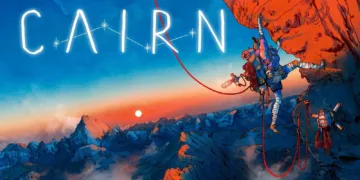
Cairn
Cairn provides a tactile experience that transforms a mountain into a physical puzzle. The limb-based control system demands focus and rewards intuition. Technical glitches occasionally hinder the flow. The atmospheric world and the narrative of obsession create a lasting impact. It captures the isolation of high-altitude climbing with significant detail. It is a harsh trek that respects the player.
PROS
- Tactile and deliberate climbing mechanics.
- Rich environmental world-building through ruins.
- Sparse and impactful audio design.
- Demanding survival systems that reward planning.
CONS
- Physics glitches and limb clipping.
- Steep difficulty curve.
- The protagonist is cold and difficult to like.