




























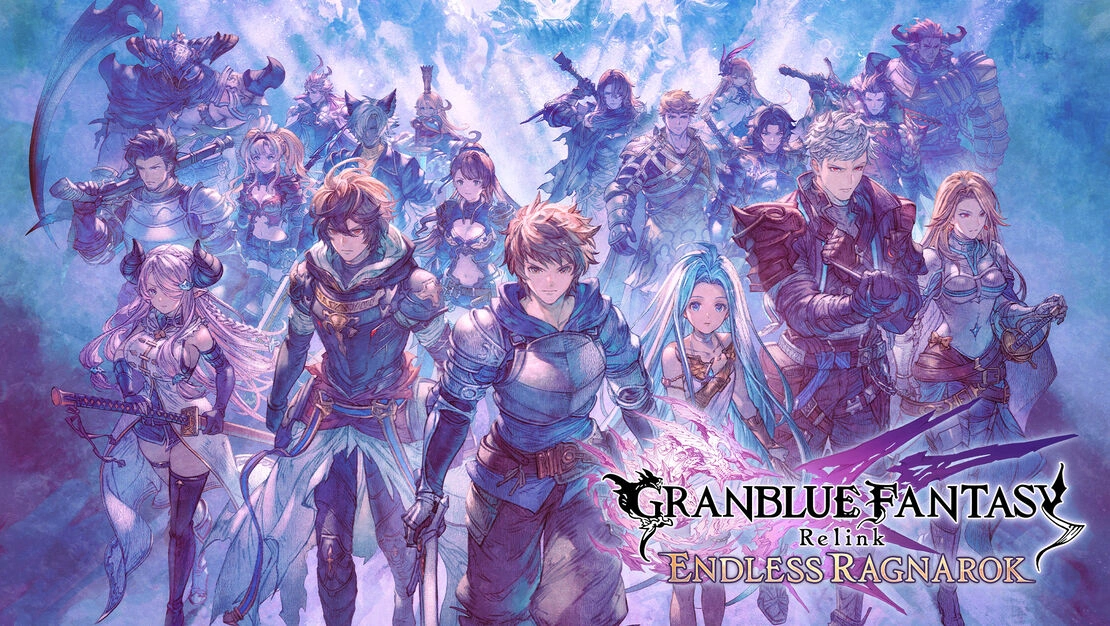

There is a particular kind of happiness in watching a huge creature erase half a boss’s health bar after you spent ten minutes tuning percentages in a menu. Endless Ragnarok understands that feeling with suspicious accuracy. Granblue Fantasy: Relink was already built around short missions, constant upgrades, and characters whose combat rotations slowly become muscle memory. Cygames’ first major expansion takes that loop and gives every new system a path toward the next difficult fight.
After Lilith’s defeat, strange Conflux portals appear across Zegagrande and Ragnalia creatures begin spreading through the region. Seofon and Tweyen bring the threat to the crew, but the story soon settles behind Fatebreaker quests, tougher Chaos encounters, six playable characters, and reasons to keep improving a party veterans may have considered finished.
Chaos Has Teeth
The change is obvious when an old enemy behaves like it has been studying your bad habits. A Stone Quacadile that once felt routine can punish careless spacing with stronger spinning attacks. Chaos, Chaos+, and Chaos++ fights raise aggression and damage enough that weak base-game equipment can turn an early encounter into a long war of attrition.
That pressure gives the new progression systems purpose. Terminus Weapons previously sat so far above most alternatives that building a character often felt like a question with one correct answer. Weapon Transcendence gives older weapon categories clearer identities. Defender weapons convert high maximum HP into extra damage, while Stinger weapons reward Critical Rate pushed beyond 100 percent.
Master Traits deepen that feeling after level 100. Mastery Points feed the Insight, Essence, and Crux trees. Katalina can specialize in keeping Ares active longer and gain damage from that extended presence, or shift toward stronger party buffs. Basic investment across all three paths is possible, but full specialization demands a choice.
The best part is how quickly those menu decisions become physical. A changed build is tested against a boss that hits harder and gives you less time to improvise. Relink makes improvement feel good because your hands can confirm what the stat screen promised.
Let the Monsters Loose
Summons produce the expansion’s biggest rush. Four creatures can be equipped and called into Fatebreaker battles through a summon gauge. A wyvern or Managarmr towers across the arena, swiping at bosses with attacks that make your regular combo look almost polite.
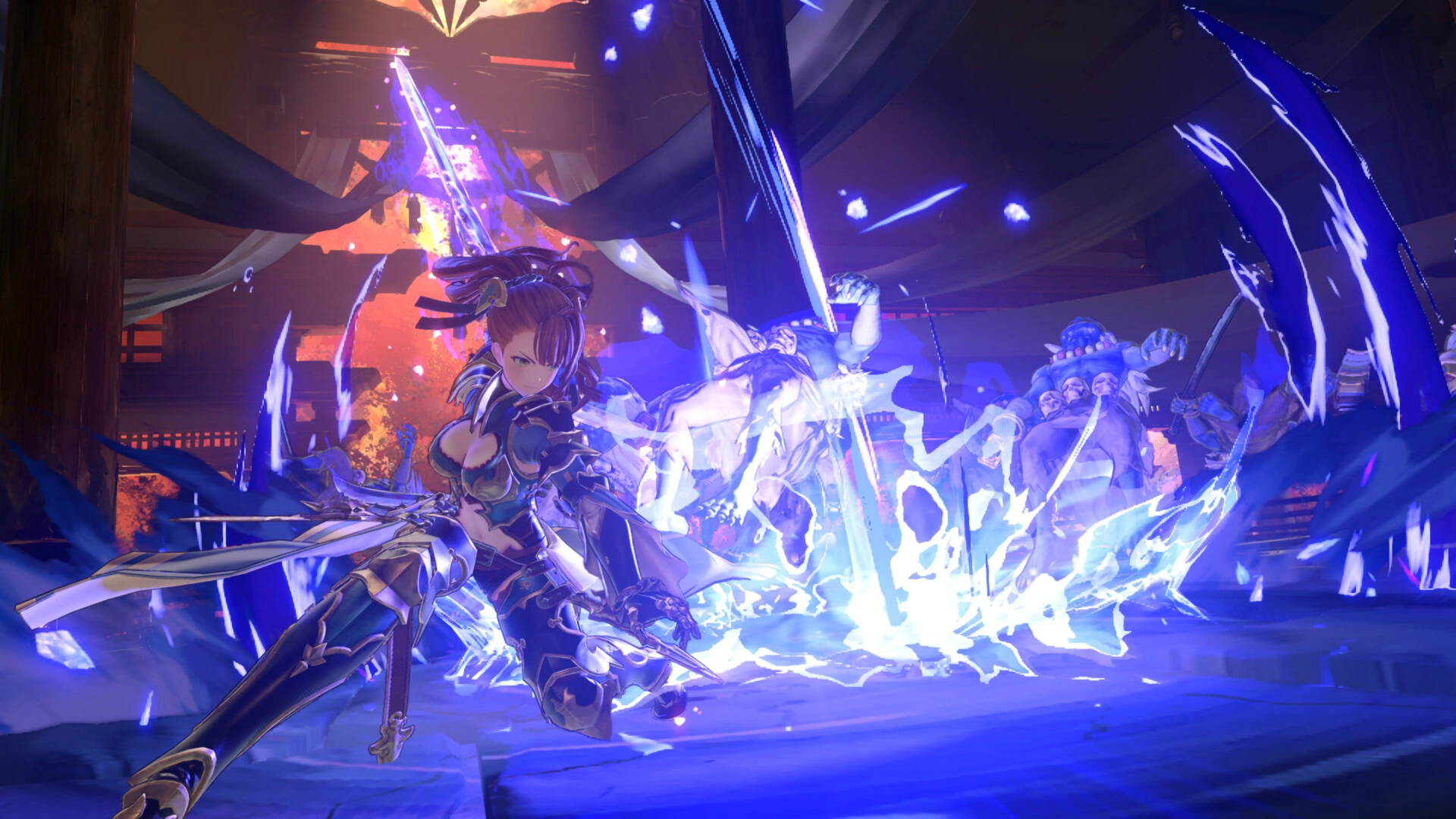
Strategy sits inside the spectacle. Summoning can protect you during dangerous attacks, so a creature call can rescue a run when a lethal move is already filling the screen. Randomized Traits create another build chase, while Primal Bursts send creatures such as Proto Bahamut into huge finishing assaults after Link Attacks and coordinated Skybound Arts.
The six new characters give repeated fights fresh personalities. Maglielle attacks from astonishing range with a floating arsenal of mythical weapons. Fraux turns close combat into a rush of kicks. Fediel shifts between melee and ranged pressure while teleporting across the field, and Eustace offers a calmer marksman rhythm. Learning a new rotation changes the feeling of a familiar boss. The arena is the same. Your instincts are not.
Conflux tries to do something similar for farming. Solo runs move through three short stages before a boss, then ask you to cash out or continue for better rewards. Combat waves are broken up by crystal platforming, runaway slime chases, NPC shuffle games, and spot-the-difference challenges.
Aura choices such as increased critical chance or poison on hit sound like the beginning of a wild roguelite build, but they rarely reshape how a character plays. Fixed final bosses make the repetition clearer with time. Keeping Conflux solo is stranger still, since Relink’s quest structure has always gained energy from fighting beside other players.
Yet a Conflux haul can feed Weapon Transcendence, that stronger weapon can shorten a Chaos fight, and the reward from that fight gives another character a reason to leave the back line. This game knows exactly how to place the next carrot.
The Story Watches From the Hub
The base campaign often carried itself like an anime action film. Explorable areas led into set pieces, cutscenes gave the crew room to react, and large encounters arrived with momentum. Endless Ragnarok replaces much of that movement with a quest-board rhythm. Complete several Fatebreaker missions, watch a short memory vignette, then return to the next group of fights.
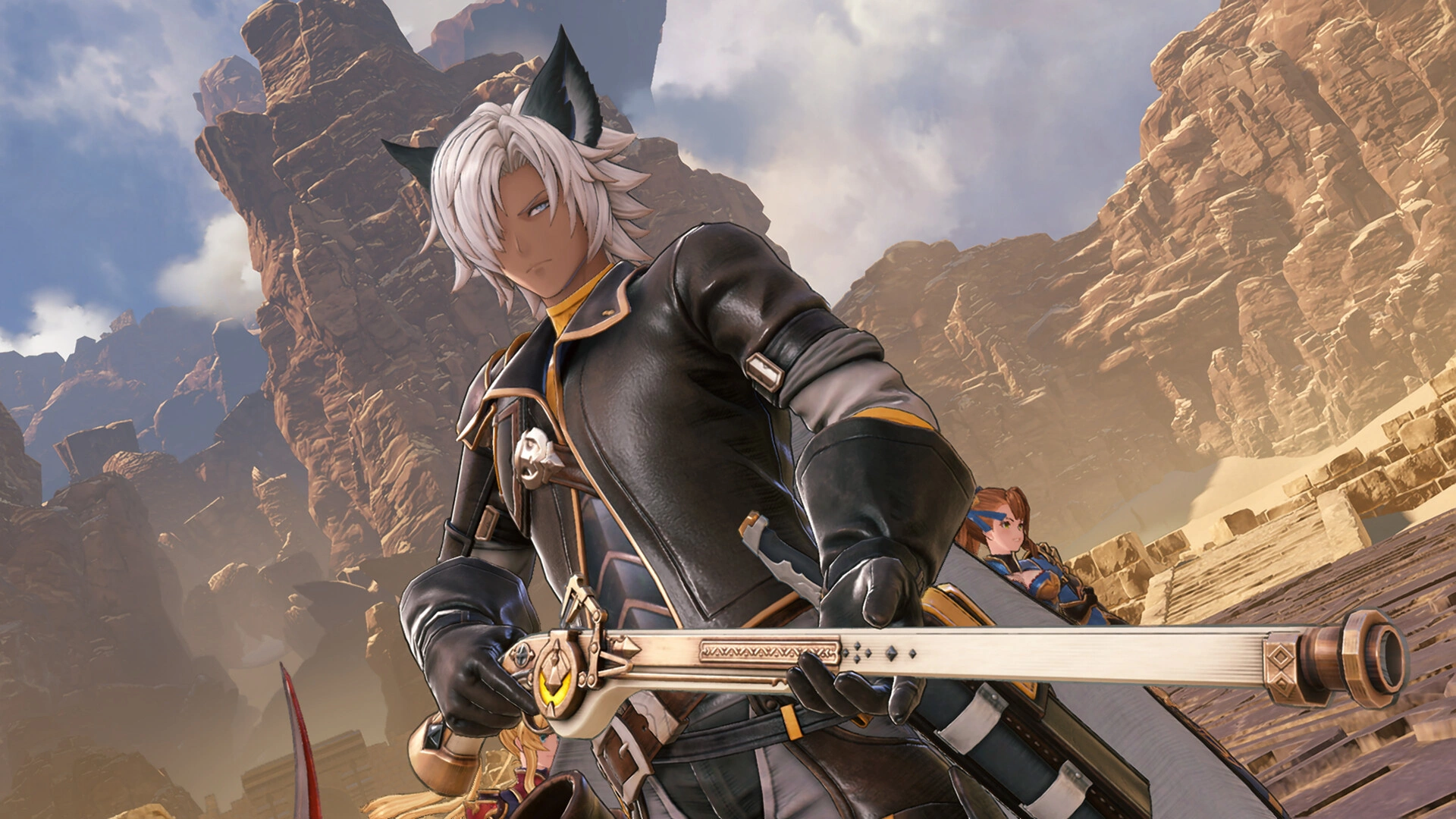
Those scenes spend time on Fraux, Fediel, dragons, Primals, Astrals, and the history behind the new threat. The established Relink crew often feels distant from events. Static conversations and visual novel-style scenes carry material the base game once turned into traversable chapters.
Tredame shows the problem neatly. The icy location returns as access to higher Conflux portals, yet there is little reason to inhabit it beyond entering the next run. Several bosses are altered versions of existing enemies, making the new story feel physically smaller than the systems built around it.
A handful of original encounters break through, particularly the final main-story boss. Crossplay and the option to borrow another player’s uploaded character give the endgame a wider social life too. Endless Ragnarok is happiest when combat creates its own story: a summon survives an attack that should have killed you, a new build finally clicks, and one last quest turns into five because the next upgrade is already visible.
The Review
Granblue Fantasy: Relink - Endless Ragnarok
Endless Ragnarok remembers exactly why Relink was hard to put down. Summons turn boss fights into bursts of ridiculous spectacle, while Weapon Transcendence and Master Traits give familiar characters new reasons to stay in the party. Conflux loses some energy once its encounters repeat, and the thin quest-board story rarely creates the emotional momentum of the original campaign. Still, every stronger build leads to another nastier fight, and that rhythm remains dangerously satisfying.
PROS
- Spectacular summon system
- Deeper character specialization
- Six distinct new fighters
- Excellent high-difficulty battles
- Improved material farming
CONS
- Thin story delivery
- Conflux becomes repetitive
- Too many reworked enemies
- Conflux lacks co-op







