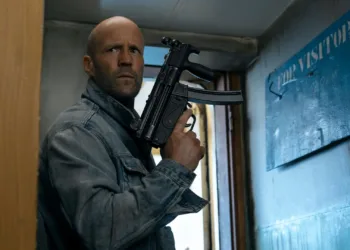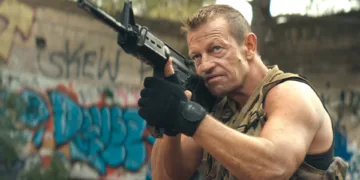





















Pat Tate has always been a character powered by momentum. He moves forward because stopping would mean confronting the grief underneath the violence. Rise of the Footsoldier: Retribution takes that idea and expands it into a full action thriller, giving the long-running franchise its biggest-scale conflict yet. The result is uneven, but the film has a clear understanding of what drives its central character.
Following the events of Vengeance, Tate remains consumed by Kenny’s death. His mission is simple: find everyone responsible and make them pay. That straightforward motivation gives the story a useful spine, keeping the emotional focus on Tate’s obsession even as the plot introduces arms dealers, mercenaries, and a CIA connection.
The difficulty comes from how much the film adds around that central revenge story. Each new faction creates another threat, another betrayal, or another reason for the violence to continue. The screenplay keeps raising the stakes, but some of those additions feel like they exist mainly to extend the running time. The revenge plot works best when it stays personal.
Pat Tate’s Changing Place in the Franchise
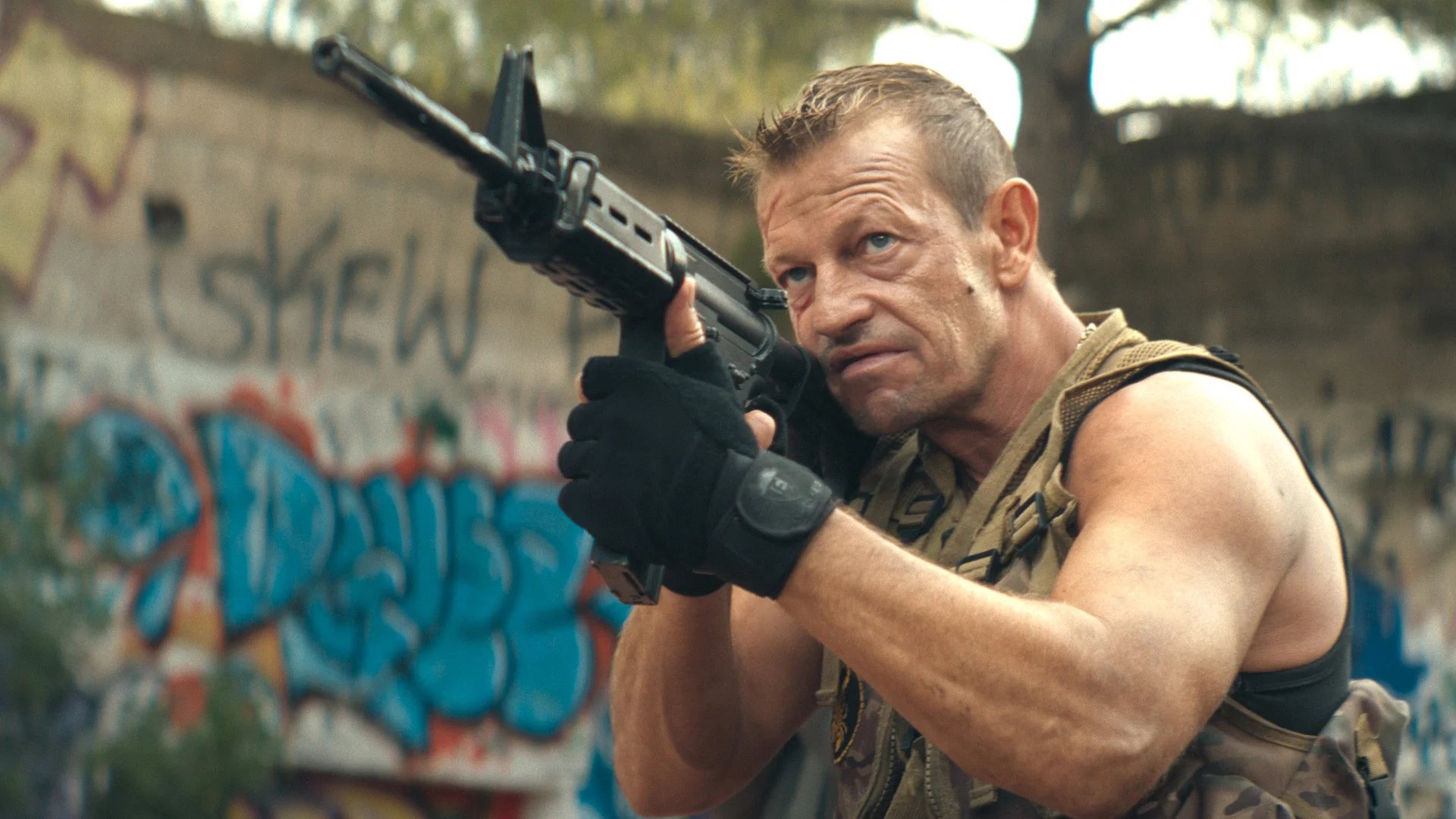
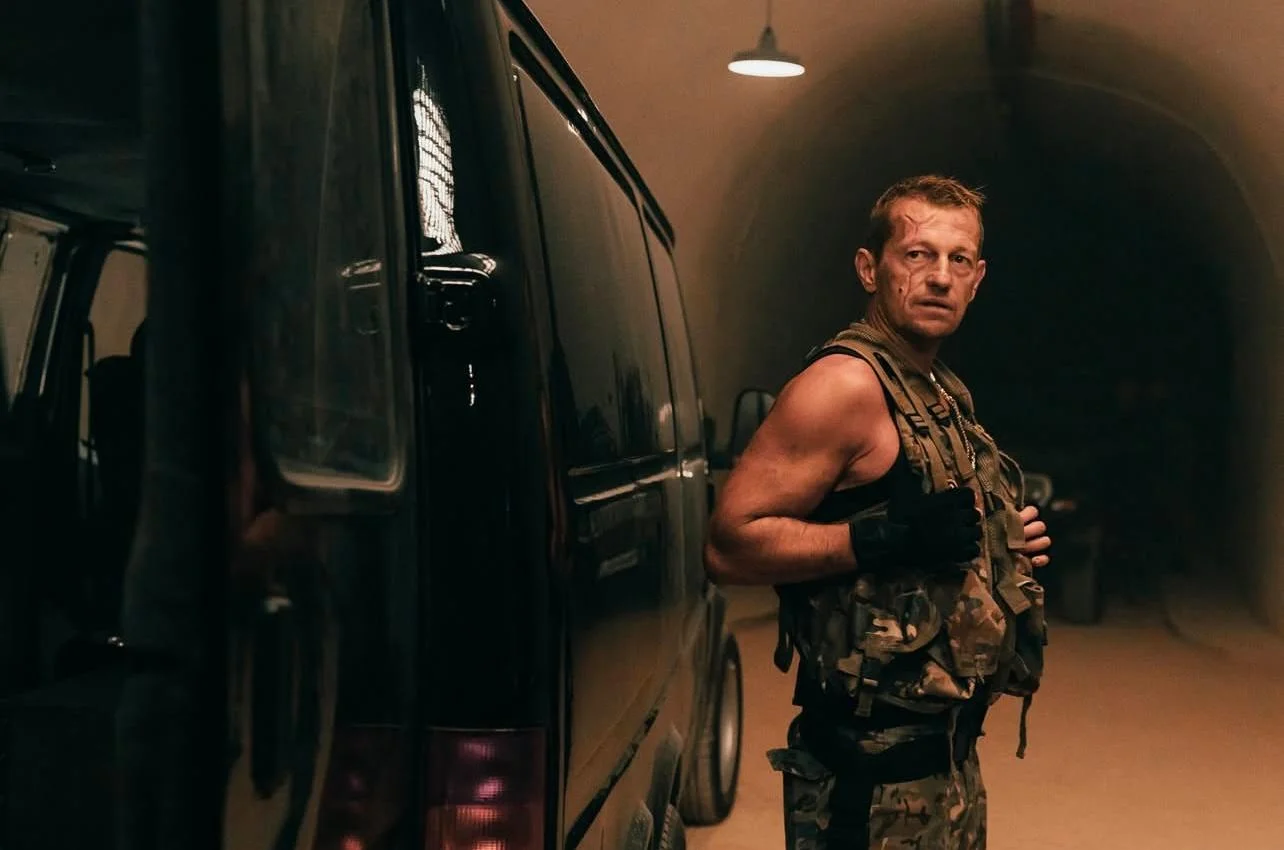
Craig Fairbrass remains the strongest reason for the character’s continued survival. His performance understands that Tate’s anger is covering something far less stable. The film does not spend much time exploring his emotions through dialogue, so Fairbrass relies on his physicality, his silence, and the moments where the confidence slips.
That approach helps the character fit into the franchise’s evolution. Earlier entries were rooted in crime stories and criminal history, while Retribution pushes Tate closer to the territory of the classic action anti-hero. The shift creates an interesting contradiction. The film asks viewers to follow a violent man seeking justice, even though his methods mirror the brutality he claims to oppose.
That transformation also raises questions about how far the series can reshape its real-life inspiration before becoming something entirely fictional. The film does not fully solve that tension, but it uses it as fuel for Tate’s larger-than-life persona.
Also Read





Nick Nevern’s Sharper Action Approach
Director Nick Nevern gives the franchise a noticeable visual upgrade. The opening sequence, cutting between the theft of a military truck packed with weapons and a gold-focused bank robbery, immediately signals that this is aiming for a different scale. The camera work, framing, and use of slow-motion create a more polished action style than earlier chapters often attempted.
The Ibiza nightclub sequence shows the film at its most confident. The scene combines music, movement, and controlled chaos to create the feeling of a larger production. Nevern clearly understands the appeal of crime cinema, borrowing the rhythm of classic gangster thrillers while pushing the franchise toward modern action spectacle.
The final set piece follows that same philosophy. The film commits fully to its explosive ambitions, delivering a sequence built around gunfire, destruction, and escalating danger.
The action is not flawless. Some scenes use tight framing that makes it difficult to understand the exact geography of a fight. The editing avoids becoming a blur, though, allowing the choreography to remain readable. The film wants to feel huge, and sometimes the camera struggles to capture that size.
A Bigger Story With Familiar Weaknesses
The expanded criminal network gives the film plenty of movement, with Tamer Hassan’s Jack Sullivan bringing a different kind of threat as the leader of a mercenary group. Returning characters such as Nick Nevern’s Greener help maintain the connection to the franchise’s previous chapters, while new additions increase the sense that Tate has stepped into a conflict beyond his original target.
The problem is that the story occasionally loses sight of its strongest element. Tate’s revenge mission is enough to carry the film, yet the script keeps introducing extra complications. A rogue CIA figure, shifting alliances, and convenient plot developments keep the action flowing, but they rarely deepen the characters involved.
The dialogue creates a similar issue. The gangster language feels familiar, sometimes relying on phrases that could belong to almost any crime film. The series has always built its appeal around attitude and atmosphere, but stronger character voices would have helped these figures stand apart.
The Future of Footsoldier
Rise of the Footsoldier: Retribution represents a franchise trying to reinvent itself without abandoning what brought audiences back. It delivers a more ambitious action experience, gives Craig Fairbrass another strong opportunity with Pat Tate, and proves Nick Nevern can bring visual energy to this world.
The film works when it focuses on revenge, grief, and the consequences of Tate’s choices. It becomes less effective when the plot tries to turn every corner into another criminal conspiracy. The seventh entry has enough firepower to keep the series moving, though the next step will depend on whether the franchise can find new dramatic territory instead of simply adding bigger weapons.
Rise of the Footsoldier: Retribution is an action crime thriller directed by Nick Nevern that releases in theaters on August 28, 2026. Pat Tate travels to Ibiza, Spain, to track down the criminals responsible for murdering his friend, thrusting him into a dangerous conflict with arms traffickers, mercenaries, and the CIA.
Where to Watch Rise of the Footsoldier: Retribution (2026) Online
Full Credits
Title: Rise of the Footsoldier: Retribution
Distributor: Signature Entertainment
Release date: August 28, 2026
Running time: 1 hour 52 minutes
Director: Nick Nevern
Producers and Executive Producers: Andrew Loveday, Nick Nevern
Cast: Craig Fairbrass, Tamer Hassan, Leo Gregory, Phil Davis, Jamie Foreman, Vincent Regan, Ross McCall, Jana Pérez, Abhinav Singh
Director of Photography (Cinematographer): James Butler
The Review
Rise of the Footsoldier: Retribution
Rise of the Footsoldier: Retribution understands exactly what it wants to be, even if the script occasionally struggles to keep its expanded crime plot under control. The revenge story gives Pat Tate a clear drive, while Nick Nevern’s direction turns the franchise into a sharper, more ambitious action vehicle. The added factions sometimes feel like narrative machinery rather than meaningful developments, but the film’s structure holds together when it focuses on Tate’s personal mission.
PROS
- Craig Fairbrass’ committed performance
- Improved visual style
- Large-scale action sequences
- Clear revenge-driven structure
CONS
- Predictable gangster dialogue
- Overstuffed crime plot
- Some unclear action framing
- Convenient story devices