



























Roberto’s first reason to accept a dangerous mission is the prospect of staying out of prison. A young conscript in a surviving community on the Canary Islands, he gets an offer from his superior, Pritchenko: take part in an expedition to Madrid, or face punishment. It gives Apocalypse Z: New World a useful starting point for an uneasy attachment. Carlos Alcaide’s recruit has good reason to fear the mainland, and little reason to feel grateful for the opportunity. Before we can expect courage from him, we can understand his wish to keep some control over his own life.
His search for his father complicates that bargain. The military needs him to serve a collective purpose; he has private reasons for going along. I wanted to follow that divided attention, because it gives survival a personal direction. Getting through the next encounter could bring him closer to someone he needs, while helping the squad could pull him away. Roberto’s selfishness leaves room for difficult choices. The frustration comes from how readily the film communicates his motives, then how little emotional texture it gives their collision with other people’s needs.
Directed by Carles Torrens, this sequel to Apocalypse Z: The Beginning of the End moves into a world attempting to organize itself after the TSJ outbreak. Spain’s government has relocated to the Canary Islands, where protection from the infected cannot solve dwindling resources. Returning to the mainland becomes a necessity. That situation gives the expedition a pressure beyond its immediate orders: the people waiting at home need it to succeed. The film has an effective reason to send armed survivors into danger, and the scale of what confronts them can make the decision feel frightening.
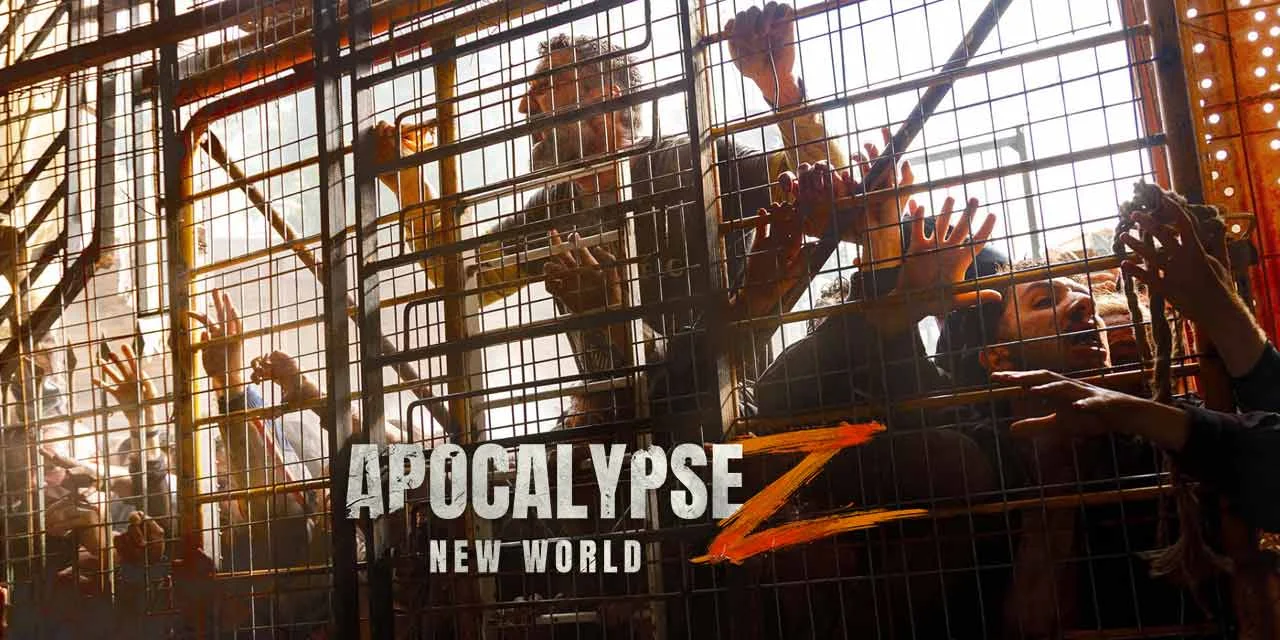
The military base and abandoned bullring provide its strongest stretches of immediate excitement. Large concentrations of infected put the squad’s weapons and training under pressure, and the prospect of being overwhelmed keeps the confrontations tense.
Torrens understands the appeal of giving an armed group a threat it cannot casually dismiss. You can enjoy these sequences through the simple, physical wish to see someone escape. The bullring supplies a particularly distinctive setting within an expedition otherwise organized around military objectives. For a while, the scale of the danger is enough to hold attention.
The trouble arrives in the passage between those confrontations. Reclaiming the base gives the action a clear destination, and later operations supply fresh tasks, including rescuing civilians trapped in the city. The film keeps providing things to accomplish.
My anticipation, though, increasingly settled on the next attack rather than on how the previous encounter might change the group. Gunfire and explosions generate short bursts of alarm, then another objective redirects attention. There is little time for that alarm to settle into concern about a particular relationship or an obligation someone might now struggle to fulfill.
Calling this structure game-like identifies something useful, provided the comparison goes further than counting missions. A succession of objectives can build powerful attachment when each task changes what the next one means. Here, the squad acquires another problem to solve, while its relationships remain lightly established. The infected gradually become a recurring demand on the group’s resources and firepower.
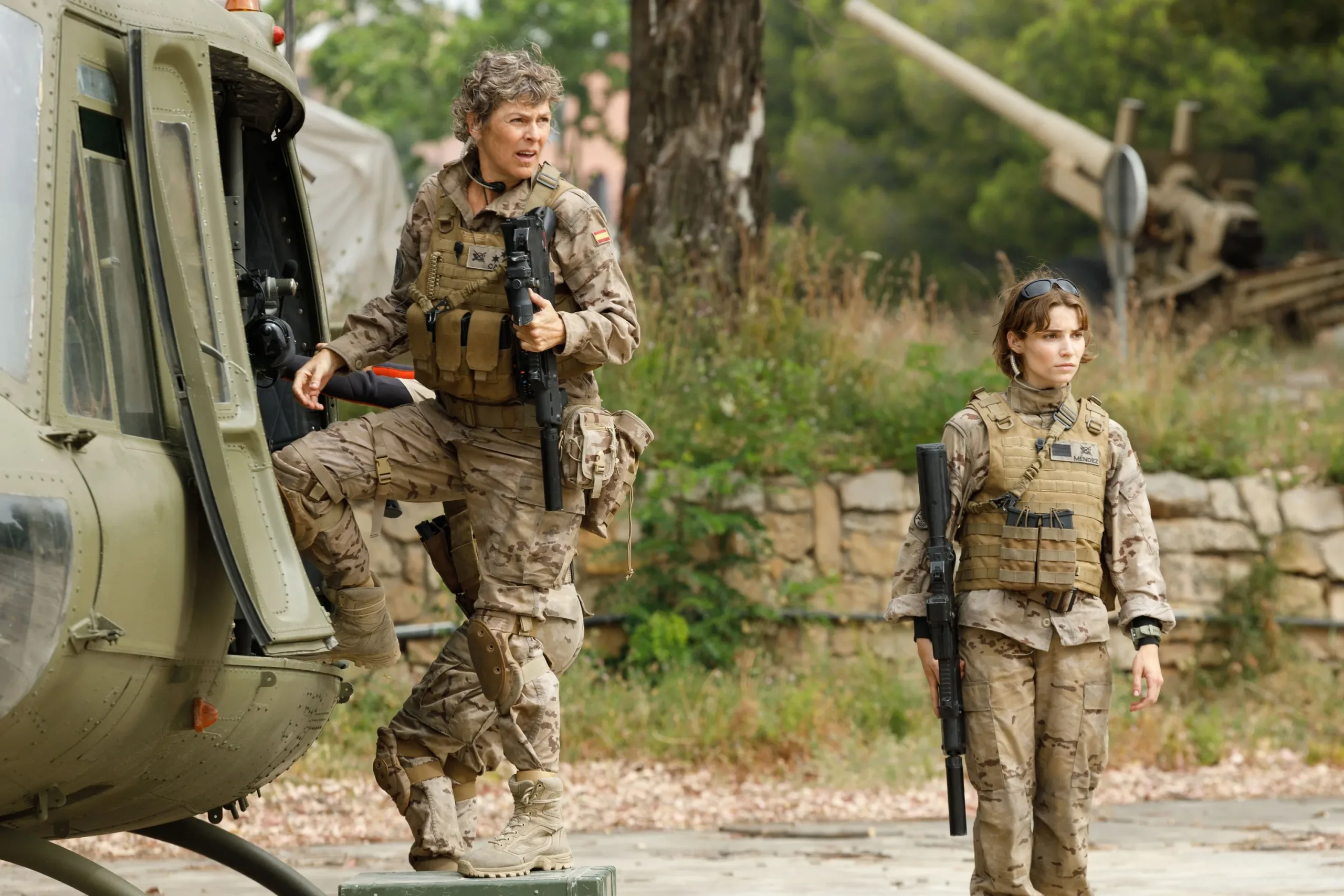
Marina, played by Julia Martínez, is meant to interrupt Roberto’s self-protective outlook. Her challenge to his priorities offers a route from private desperation toward concern for someone alongside him. Yet their developing bond feels hurried beside the attention devoted to keeping the expedition moving.
The film makes her influence on him legible, while leaving their connection short of the familiarity that would make his changing loyalties affecting. I understood why she mattered to his development. I wanted enough time with them together to begin anticipating how her presence might alter his next decision.
Pritchenko, played by José María Yazpik, introduces a different kind of dependence. His offer places Roberto inside the mission, tying authority to an opportunity the recruit needs. Roberto’s personal agenda makes that arrangement unstable, since accepting orders and sharing the group’s purpose are separate commitments.
This is fertile ground for tension between people who must rely on each other under attack. The earlier film concentrated attachment through one survivor and his cat; the sequel disperses it across a squad. That expansion needs relationships strong enough to make the group’s internal pressures register during the action.
The civilian-rescue operation places that uncertainty under a sharper emotional demand. People outside the squad now depend on the soldiers accepting danger, extending responsibility beyond orders, personal searches, and loyalty to immediate companions. It is an effective change in what a mission asks of Roberto.
The film has spent much of its time making escape and successful completion feel urgent; protecting strangers requires a less transactional investment. Their need asks him to act for reasons outside his search, a difficult commitment for a character whose entry into the expedition began as a bargain.
Apocalypse Z: New World premiered globally on Amazon Prime Video on October 30, 2026. Directed by Carles Torrens, the Spanish zombie thriller follows a dangerous supply mission from the Canary Islands into a virus-ravaged Madrid.
Where to Watch Apocalypse Z: New World (2026) Online


Full Credits
Title: Apocalypse Z: New World (Spanish: Apocalipsis Z: Un Nuevo Mundo)
Distributor: Amazon Prime Video
Release date: October 30, 2026
Rating: TV-MA
Running time: 1 hour 38 minutes (98 minutes)
Director: Carles Torrens
Writers: Ángel Agudo (based on the novels by Manel Loureiro)
Producers and Executive Producers: Adrián Guerra, Núria Valls
Cast: Carlos Alcaide, Jose Maria Yazpik, Julia Martínez, Berta Vázquez, Tamara Casellas, Santiago Vaca Narvaja, Mario Mayo, Pedro Hernández
The Review
Apocalypse Z New World
Apocalypse Z: New World kept me alert during its military-base and bullring confrontations, yet I rarely carried that tension into concern for the squad. Roberto’s divided motives offer a promising emotional starting point, but his connection with Marina develops too quickly to make his changing priorities affecting. The civilian rescue gives survival a more generous purpose; the succession of missions leaves too little room to feel that change taking hold.
PROS
- Tense military-base and bullring confrontations.
- Roberto’s conflicting motives create a promising setup.
- Civilian rescue gives the action meaningful moral stakes.
CONS
- Roberto and Marina’s bond feels hurried.
- Successive objectives sustain activity without deepening attachment.