





















War reaches children long before the bullets do. It reaches them when school becomes preparation, when obedience becomes virtue, and when adults decide that youth can be converted into labor for a cause the young had no part in choosing. Cocoon: One Summer of Girlhood understands this with unusual clarity.
Its teenage girls are not introduced as martyrs waiting for history to claim them. They joke, avoid work, talk among themselves, and cling to the small habits that make adolescence feel permanent. The cruelty lies in watching those habits become incompatible with the world being built around them.
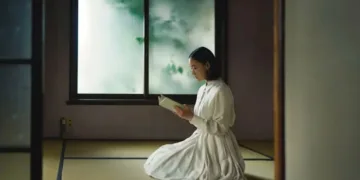
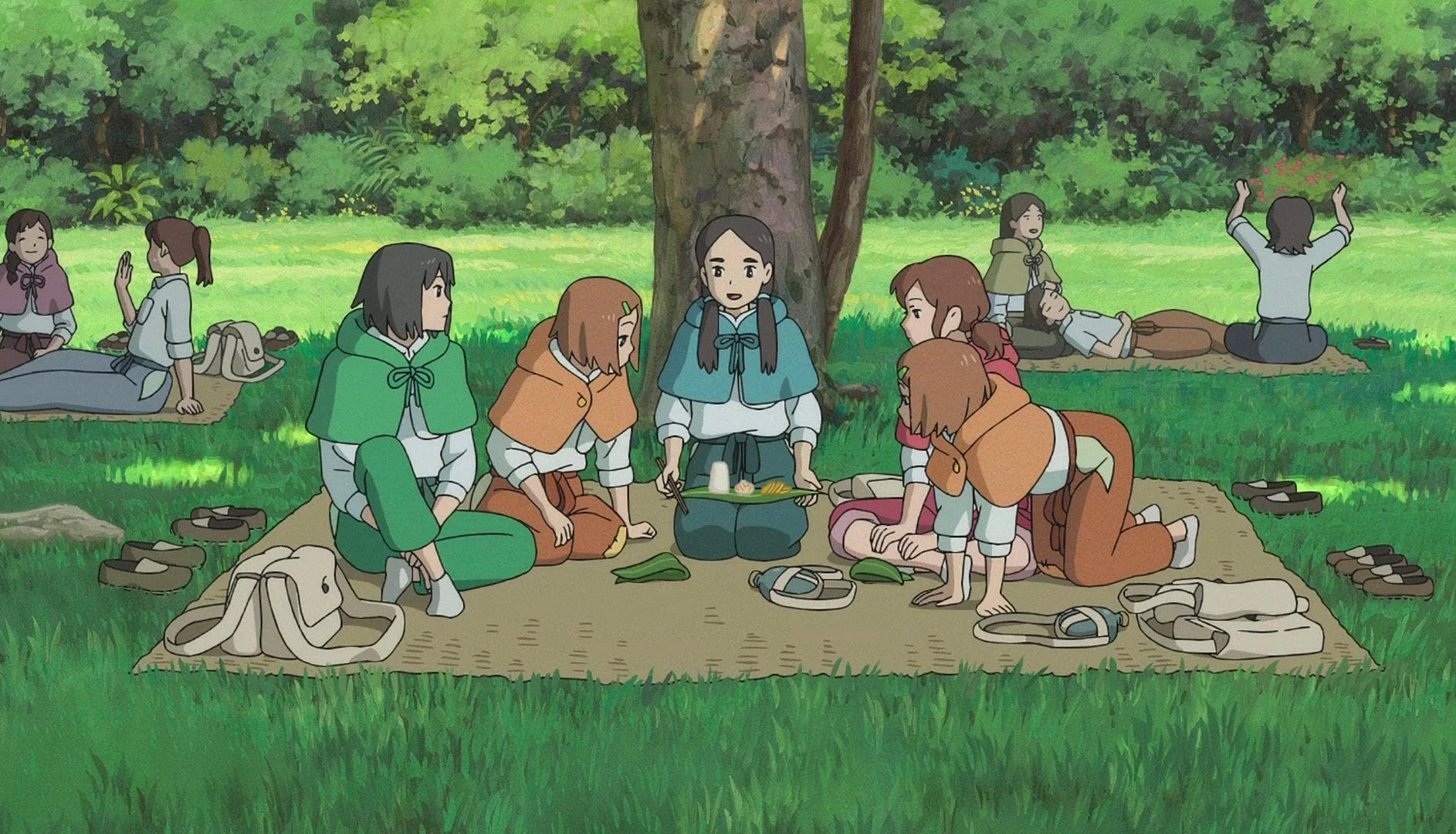
Directed by Yukimitsu Ina and adapted from Machiko Kyo’s manga, the film draws on the history of the Himeyuri students, Okinawan schoolgirls conscripted into medical service during the Battle of Okinawa. San is shy and hesitant, while her friend Mayu is confident enough to seem protective by instinct.
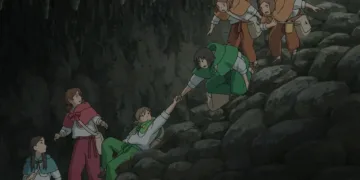
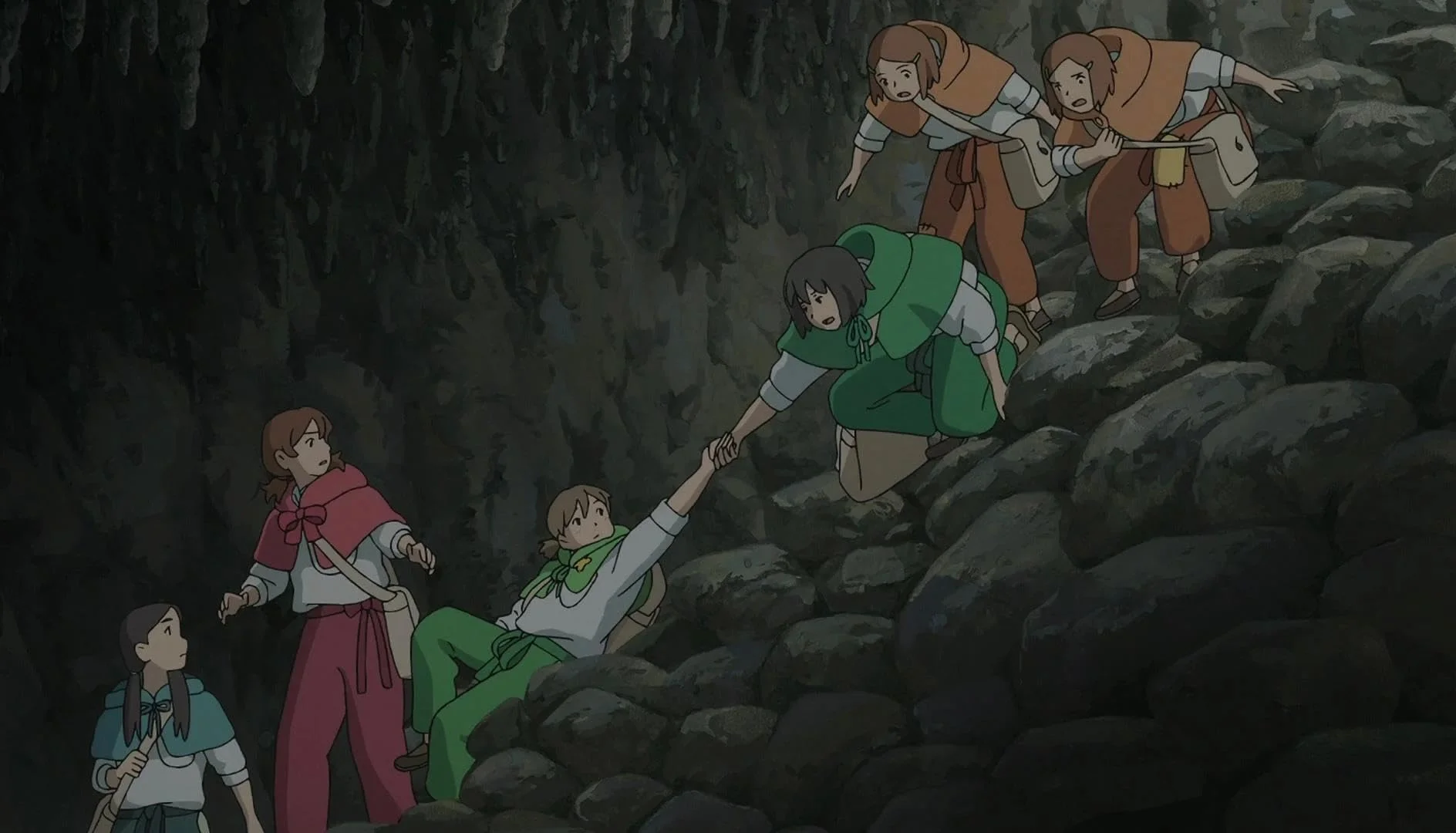
Their classmates initially treat military preparation with the casualness of students performing another assigned duty. Fortifications must be built. Aircraft must be watched for. Then the girls are sent underground to help maintain a makeshift hospital, and the meaning of service changes completely.
The cave is where the film strips patriotism of abstraction. Bodies arrive damaged. Medical care becomes crude, exhausting labor. Young women are required to absorb sights and responsibilities that the adults directing them cannot make morally acceptable simply by calling them necessary.
The progression matters because Cocoon does not present militarization as one sudden rupture. It shows a sequence of accommodations, each one small enough to be accepted until the girls find themselves surrounded by casualties. Duty has swallowed childhood almost politely.
San and Mayu give that process a human scale. San retreats inward when events become intolerable, while Mayu initially meets danger with greater decisiveness. Their contrast could easily have hardened into a simple division between fragile and brave. Instead, the film lets war ruin the distinction. San’s timidity becomes a form of psychic retreat, and Mayu’s confidence offers no permanent defense against prolonged exposure to death.
Their friendship remains warm, but the film’s compressed duration sometimes leaves it working through suggestion. A small gift San struggles to give Mayu carries an intimacy that could have supported further development, especially as their relationship becomes the emotional vessel through which the destruction of ordinary girlhood is measured.
The film’s boldest choice emerges from San’s need to survive what she sees. Mayu encourages her to imagine flowers where there should be blood, and violence begins arriving as bursts of color. Gunshots scatter petals. Wounds become floral eruptions. The image is beautiful in exactly the way it should not be.
That contradiction gives Cocoon much of its force. The flowers are psychological shelter, a visual expression of San refusing reality because reality has exceeded what she can process. They also implicate the audience. San needs distance from the sight of damaged bodies. The viewer does not. Each graceful burst of petals therefore creates an unstable relationship between compassion and spectacle. The film is protecting a girl from violence while asking everyone else to admire the form that protection takes.
At its best, this makes the violence harder to dismiss. The unseen gunfire that tears through buildings and bodies acquires an almost surreal terror because the floral imagery cannot erase knowledge of what has happened. Beauty becomes evidence of denial. As San’s mental refuge begins to collapse, the device loses its protective function, and the film forces perception to catch up with reality.
There are moments, though, when Ina’s attachment to the image becomes dangerous. Repetition can turn the flowers from San’s defense mechanism into a signature aesthetic, and the distinction matters. A film about girls transformed into wartime resources has to be careful about transforming their deaths into visual resources of its own. Cocoon mostly recognizes that danger, though its prettiest compositions occasionally approach the very kind of aesthetic consumption its story should resist.
This is also why treating the film primarily as another descendant of Studio Ghibli does it a disservice. The comparison is easy to make. Tranquil landscapes precede devastation. Hand-drawn figures move through lush natural environments. Kensuke Ushio’s sparse piano music leaves room for quiet before catastrophe enters. The subject inevitably recalls Grave of the Fireflies. Yet those similarities can become a critical shortcut, reducing Okinawan history and the specific fate of the Himeyuri-inspired girls to familiar signs of prestigious animated sorrow.
The landscapes are far sharper when read against the social order occupying them. Blue skies remain blue while schoolgirls dig, carry supplies, tend soldiers, flee caves, and run from gunfire. Nature does not become monstrous. Institutions do. The island’s serenity exposes the human construction of the catastrophe rather than softening it.
The title’s cocoon finally gathers these ideas into something harsher than refuge. San repeatedly seeks enclosure: school, friendship, the hospital cave, the imagined world of petals. None can keep history outside. The silkworm carries an even darker association, a life cultivated for what others can extract from it. The girls are praised through the language of service while their bodies, labor, and futures are placed at the disposal of adults.
By the time San can no longer keep reality covered in flowers, innocence has ceased to mean ignorance. It has become something taken from her through policy, obedience, and violence. The film’s brief gesture toward survival does not convert suffering into a noble lesson. Survival may continue life, but it cannot justify the machinery that made survival an achievement in the first place.
Cocoon: One Summer of Girlhood premiered in North American theaters on September 4, 2026, distributed by GKIDS. Based on Machiko Kyō’s manga, the animated wartime drama follows schoolgirls on a tranquil island who are mobilized to work as nurses in a cave hospital as the devastating realities of World War II close in around them.
Where to Watch Cocoon: One Summer of Girlhood (2026) Online
Full Credits
Title: Cocoon: One Summer of Girlhood
Distributor: GKIDS
Release date: March 30, 2025 (Japan), September 4, 2026 (North America)
Running time: 1 hour 3 minutes (63 minutes)
Director: Yukimitsu Ina
Writers: Yukimitsu Ina, Taku Kishimoto
Producers and Executive Producers: Hitomi Tateno
Cast: Marika Itô, Yōko Hikasa, Rena Motomura, Chinatsu Akasaki, Aoi Koga, Hikari Mitsushima, Yume Miyamoto, Izumi Aoyagi, Umeka Shōji, Miyuki Sawashiro
Editors: Masahiro Gotō
Composer: Kensuke Ushio
The Review
Cocoon: One Summer of Girlhood
Cocoon: One Summer of Girlhood turns wartime girlhood into a study of how institutions consume childhood while calling that consumption duty. Its floral imagery gives San’s psychological retreat haunting visual form, though repeated beauty sometimes risks aestheticizing the suffering it condemns. The compressed friendship between San and Mayu leaves some emotional possibilities underdeveloped, yet the film’s cultural and moral argument remains piercing. Its final insistence on survival never excuses the machinery that made survival extraordinary.
PROS
- Powerful critique of militarized girlhood
- Striking flower-and-blood imagery
- San and Mayu anchor the human cost
- Strong use of landscape and music
CONS
- Friendship feels compressed
- Floral imagery occasionally risks beautifying death
- Short runtime limits emotional development