























![Kingdom Hearts Collection [I-III] Review](https://gazettely.com/wp-content/uploads/2026/10/Kingdom-Hearts-Collection-I-III-1-360x180.webp "Kingdom Hearts Collection [I-III] Review: KHII Holds Steady as Newer Entries Fluctuate 40")
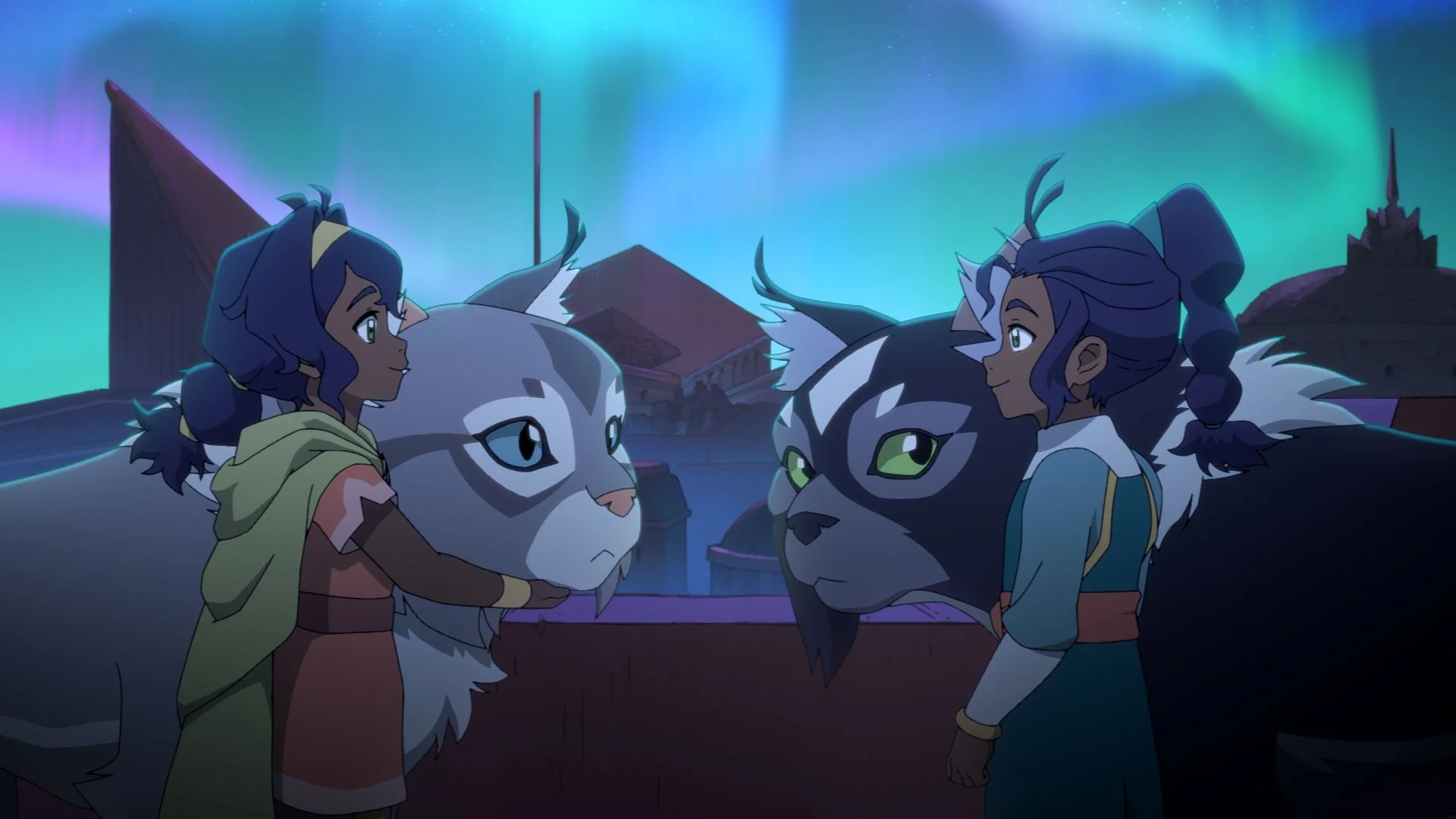

For two episodes, Jeremy Zuckerman lets a melody accompany Pavi and Nisha without explaining why it belongs to them. Then Pavi plays it on a kalimba, and the sisters begin to sing. In “The Order,” the third episode of Avatar: Seven Havens, music we have understood as part of the score becomes diegetic sound: music the characters themselves can hear and perform. It is their mother’s song. A feeling that has been gathering around these children suddenly has a history, even though they cannot yet recover much of that history themselves.
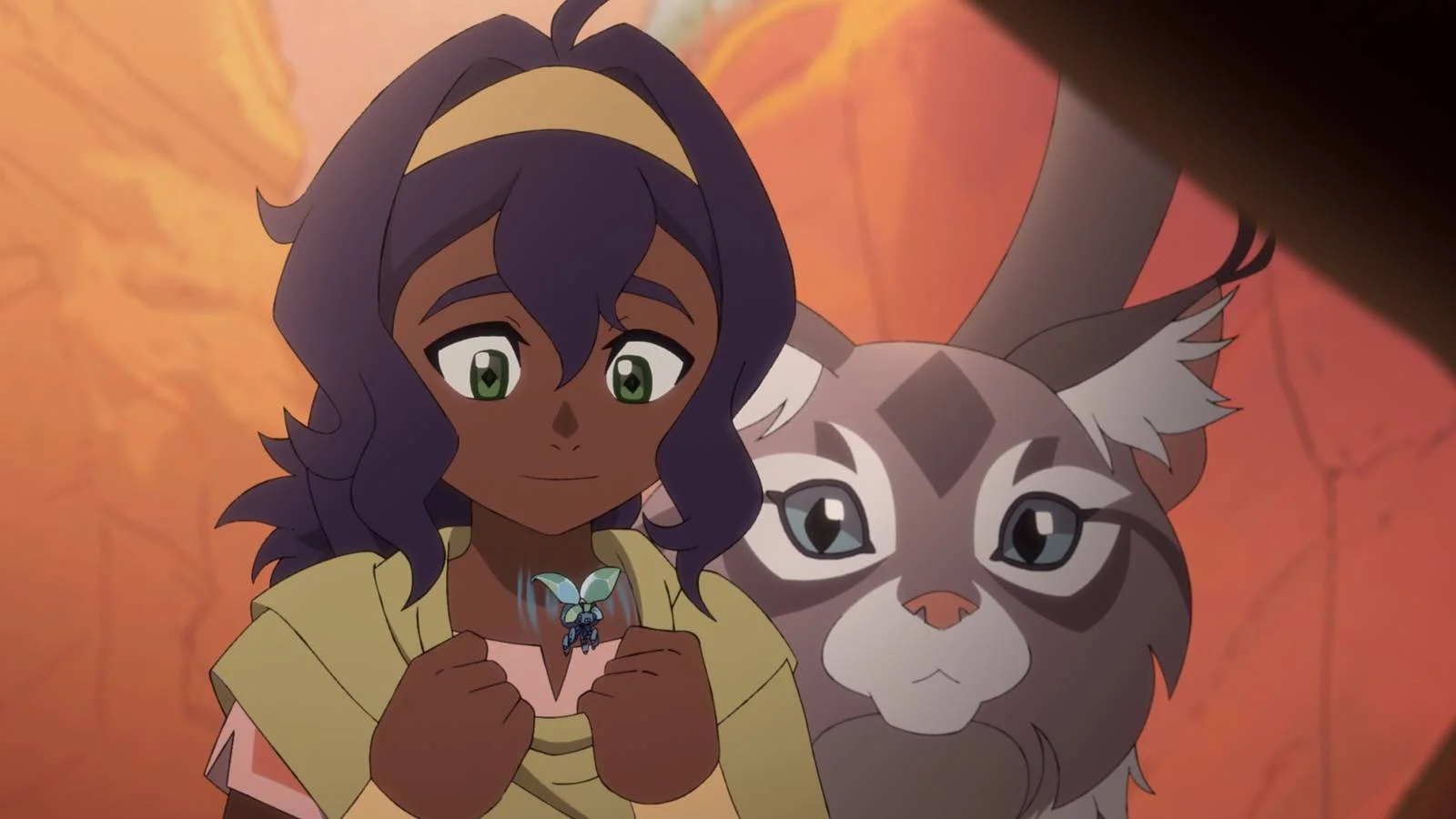
I love the care with which this revelation connects remembering to doing. The sisters’ song helps calm an animal affected by a strange red energy, so discovering their past also lets them respond to something frightened in the present. Pavi’s gentleness has already been established through her attempt to reunite a beetle with its family and her reluctance to strike even training dummies. Singing gives that gentleness a useful expression. For a child who doubts she can fulfil a role associated with fighting, the scene offers a small, persuasive demonstration of another way to help.
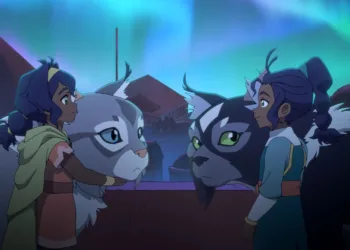
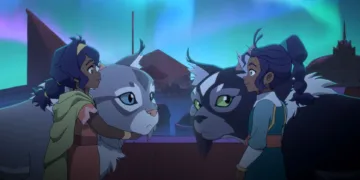
Pavi and Nisha are twin Avatars, sharing the power to bend all four elements in a world that fears anyone possessing it. Set 225 years after The Legend of Korra, the series finds civilization divided into seven Havens after a Cataclysm blamed on Korra. Pavi survives around the desert city of Ellora with her cat-monkey Geet; Nisha has been secretly training under the protection of Brigade officer Karthik. Their separation, missing parents, and Pavi’s lost leg are pieces of a past neither understands. Across the opening six episodes, their reunion supplies firmer emotional direction than the question of what destroyed the world.
Sharing the Avatar role gives the story room to test different responses to the same responsibility. Nisha wants to act and has the training Pavi lacks. Pavi hesitates, conceals her abilities, and needs reassurance that becoming the Avatar does not require abandoning her own temperament.
Their differences make learning together an uneven process rather than an instant solution to loneliness. The family mystery works because recovering information could change a relationship already taking shape. Nisha’s encouragement of Pavi to care for herself gives their growing bond a practical expression alongside the questions about their shared powers.
The opening also builds a useful difference between Pavi’s experience of Ellora and Jae’s. She searches for food and tries to escape notice; the young airbender works with the Bending Brigade, helping repair a damaged bridge. One child lives around the city’s systems while another person helps maintain them.
Their separate introductions give their eventual encounter a purpose beyond assembling the cast. When Pavi’s earthbending attracts Jae’s attention and a tornado later forces her to reveal airbending, his understanding of the Avatar has to accommodate the frightened girl in front of him. An inherited warning becomes difficult to reconcile with an actual person.
That patient construction has a cost. The premiere spends considerable time establishing concealment, duty, and danger before revealing Nisha, and the second episode then returns to her earlier training. Going back supplies the other sister’s perspective, but it also extends the introduction just as the reunion promises forward movement.
I appreciate the time allowed for these children to become people rather than bundles of powers. Still, the arrangement sometimes leaves the search for their history carrying the action before the immediate task has become clear. The opening earns affection sooner than it establishes direction.
The red diamond encountered during the green storm makes that imbalance sharper. It draws the sisters into another space, exposes them to apparent memory fragments, and leaves red crystalline structures in Ellora. Those effects are striking, but they give us little purchase on its motives or the rules governing its presence.
The questions surrounding the twins are easier to invest in because we understand what answers could mean to them. The supernatural disturbance supplies danger with a less legible shape. Six episodes cannot establish how well a larger mystery will resolve, but the early threat feels less developed than the relationship it interrupts.
Ellora itself is immediately rewarding to explore. Clean outlines, broad areas of flat color, and pink and purple skies give the desert settlement an inviting clarity. The pastel palette makes the city appealing even as storms expose its vulnerability.
Brigade uniforms identify people through their work, while civilian robes and head coverings answer the demands of the weather. These practical details help establish a society organized around staying alive. The enormous surrounding landscape does not need to look uniformly bleak for the protection offered by walls to feel fragile.
Bending takes on a different emphasis within that setting. Repairing bridges and limiting storm damage turn elemental abilities toward the maintenance of everyday life. Spectacle becomes easier to connect to something people need, and the environmental dangers give the Brigade an understandable purpose before its authority comes under scrutiny.
Zuckerman’s synth-heavy score contributes an unfamiliar texture to this world. Against that sound, the sisters’ remembered song offers a connection to home that the ruined landscape cannot provide. The series can sound strange and emotionally approachable within the same episode.
The festival play about Korra performs a different kind of storytelling. This is exposition, information that orients the audience, delivered through an account Ellora’s citizens already accept. The performance tells us how the city remembers the Cataclysm without proving that its explanation is true.
Jae’s encounter with Pavi begins testing that account through experience. In episode three, Karthik’s proposal to contact other Havens is rejected despite the declining number of benders. The city’s insistence on self-reliance becomes troubling alongside the repairs and disaster response we have seen it struggle to manage.
These scenes give Seven Havens political substance even while its family mystery receives the clearest development. Karthik’s secret protection of the twins, through his connection to the Order of the White Lotus, preserves a distinction between official hostility and individual care.
Yet accepting his help places them close to a force that recruits children to sustain Ellora’s defenses. Early in the series, a mother resists surrendering her young bender son to the Brigade before yielding. That hesitation complicates the reassurance offered by uniforms, walls, and capable adults. Pavi and Nisha are still discovering what their family meant to them; another parent is already being asked to let her child go.
Avatar: Seven Havens premiered globally on Paramount+ on October 9, 2026. The animated fantasy adventure series continues the expanded story world, following the journeys and trials of the next generation of benders operating within a post-apocalyptic realm.
Where to Watch Avatar: Seven Havens Online




Full Credits
Title: Avatar: Seven Havens
Distributor: Paramount+, Nickelodeon Animation Studio
Release date: October 9, 2026
Rating: TV-Y7
Running time: 23–25 minutes per episode
Director: Ethan Spaulding
Writers: Michael Dante DiMartino, Bryan Konietzko
Producers and Executive Producers: Michael Dante DiMartino, Bryan Konietzko, Ethan Spaulding
Cast: Saheli Khan, Aishu Devan, Major Curda, Dee Bradley Baker, Akshay Khanna, Darren Barnet, Tobit Raphael
- Composer: Jeremy Zuckerman
The Review
Avatar Seven Havens
Avatar: Seven Havens finds its strongest footing in the connection between Pavi and Nisha, especially when their mother’s song turns music into shared memory and practical care. I’m taken with its inviting desert palette and its use of bending to sustain everyday life. The extended introduction delays a clear objective, and the red-energy threat remains hazily defined, but these opening six episodes give the twins an emotional foundation worth building on.
PROS
- Music connects family memory to action.
- Twin Avatars bring contrasting approaches to responsibility.
- Pastel desert design makes Ellora appealing and vulnerable.
- Public myths and Brigade duties give survival political weight.
CONS
- Extended setup delays a clear immediate objective.
- The red-energy threat lacks defined motives and rules.