






















![Kingdom Hearts Collection [I-III] Review](https://gazettely.com/wp-content/uploads/2026/10/Kingdom-Hearts-Collection-I-III-1-360x180.webp "Kingdom Hearts Collection [I-III] Review: KHII Holds Steady as Newer Entries Fluctuate 38")


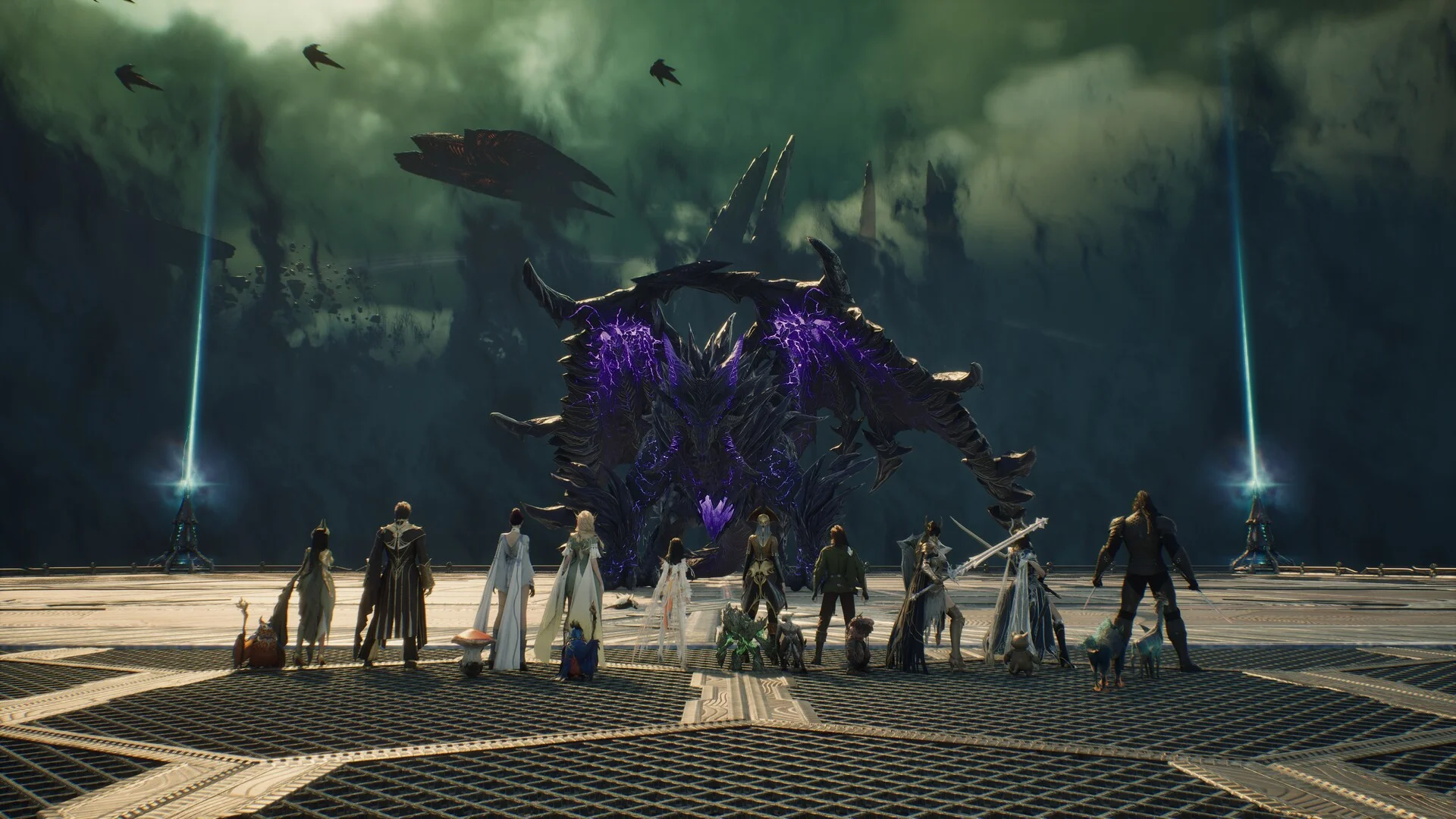

Spending points on a Spiritmaster’s unused spell does little for the rotation that actually carries them through AION 2. Investing in a regularly cast ability or a useful passive has a clearer purpose. Daevanion extends that calculation across connected boards of bonuses: reaching a desirable node means selecting a route and accepting the benefits encountered along it. NCSoft’s free-to-play MMORPG sequel gives character building a satisfying element of authorship. A character’s strength can reflect a plan, rather than the indiscriminate purchase of everything available.
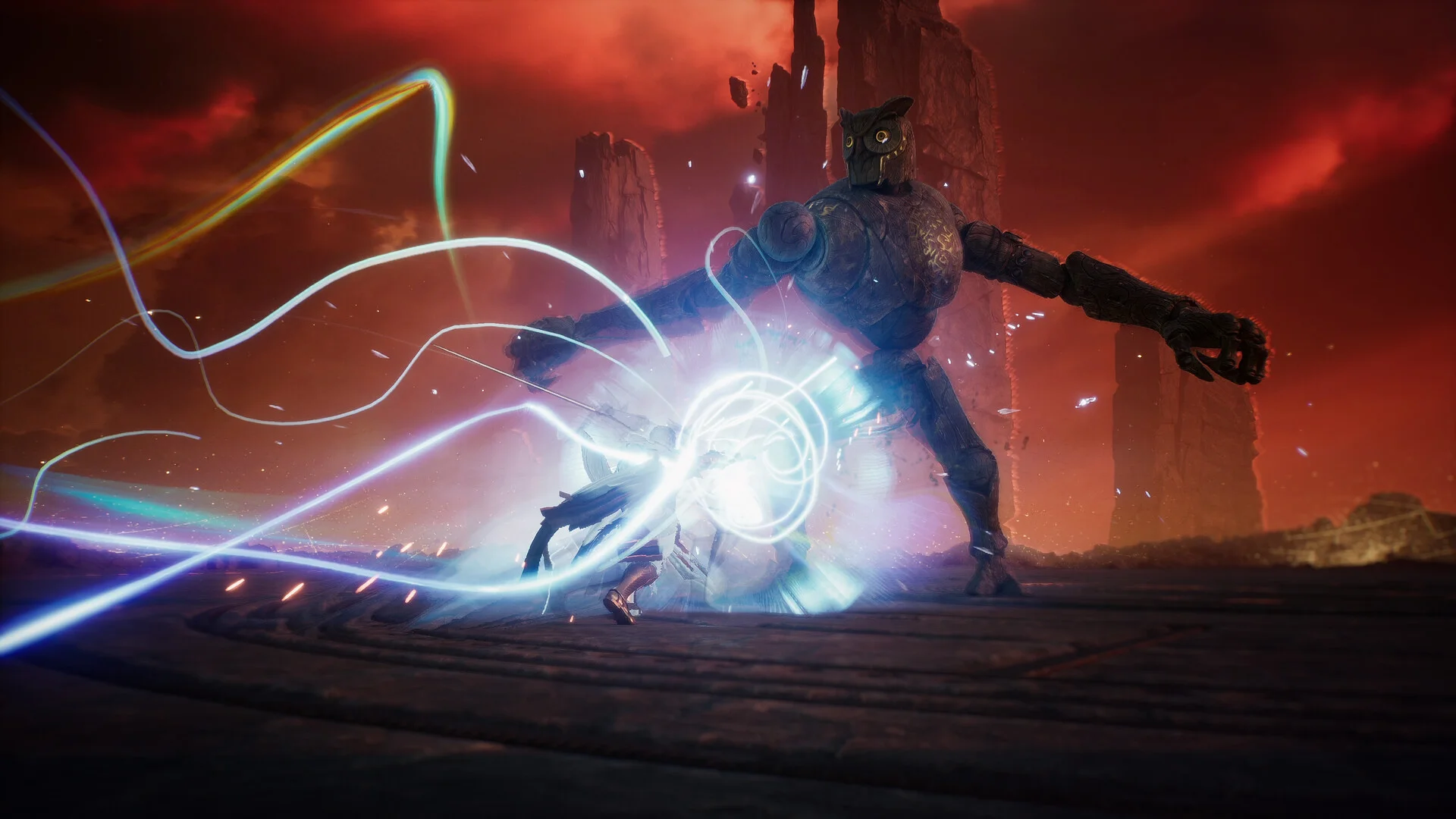
The interesting question comes when that plan enters combat. A skill that staggers an enemy can give way to a heavier follow-up on the same button, teaching the relationship through execution. Customizable macros let players arrange rotations and reduce repeated inputs.
These systems make the eight classes approachable without requiring every newcomer to decipher a wall of ability descriptions. For the Spiritmaster, choosing among Fire, Water, Earth, and Wind summons adds another decision before the sequence begins. Yet the conditional chains prescribe much of the sequence itself. There is room to select the tools, with less room to invent new relationships between them.
That distinction matters because combat initially feels quick and responsive. The default hybrid controls allow mouse-directed camera movement and dynamic targeting, while traditional tab targeting remains an option. Movement and attacks have an immediate flow that makes routine questing easy to settle into.
Campaign bosses, however, often fail to ask enough of those controls. Their elaborate designs promise encounters that their low difficulty cannot sustain. Macros would remain useful in demanding fights that required interruptions and adaptation; during easy encounters, they help turn a learned sequence into a repeated instruction.
Exploration supplies worthwhile reasons to keep developing that preparation. Feathers, pets, and titles contribute stats, while Sealed Dungeons award skill points and Daevanion points. Searching Atreia can therefore produce something that changes a build. Its expansive landscapes and varied biomes give that search room, and collectibles positioned vertically make flight and hovering practical parts of discovery.
The ability to leave the ground changes how players search a space, rather than serving only as a faster trip between quest markers. Extensive character customization, without gender restrictions on classes, further supports the pleasure of taking a personally chosen character into that world.

Flight’s restrictions complicate the invitation. Early stamina limits make excursions shorter than the landscapes encourage, although increasing stamina gives leveling a perceptible reward. Its combat contribution is less consistent. For a Spiritmaster, gliding can interrupt casting instead of providing a useful extension of the rotation, and campaign dungeon bosses remove flight from consideration altogether. Traversal and fighting do not make equal use of the sequel’s signature ability. The Ascension Gauge introduces a different restriction: requirements at levels 22 and 32 direct players into side activities before campaign progress can continue.
The story’s treatment of participation is less persuasive. Set roughly 200 years after the original Aion, it places an amnesiac Daeva in a world shaped by the Tower’s fall and the Balaur invasion. In the Elyos campaign, the Dawn Legion rescues the protagonist during its mission to retrieve Phernos, then pursues the safety promised by Bulwark.
Memory loss should give this character a natural reason to ask basic questions. Instead, dialogue frequently invokes people, places, and history as if the protagonist already understands their importance. The character’s ignorance creates a mystery while doing little to make the setting accessible.
Quest interactions deepen the distance. Retrieving objects, rescuing people, and collecting monster parts establish the protagonist as useful to the Legion. Arriving at an objective to speak with someone, then listening while that person addresses another character, gives the player a weaker dramatic role.
The errand is theirs; the exchange belongs to someone else. Missing memories and lost powers offer a personal motive that could bring these obligations into sharper focus, but too much of the campaign’s immediate business belongs to the group being assisted. Even within a fixed story, those conversations could give the person completing the objectives a stronger presence.
Other systems make participation much clearer. From Episode 3, party dungeons place cooperation directly on the campaign’s route. Players have a concrete reason to assemble, rather than a social menu they can indefinitely ignore. Shugo Festival provides competitive and cooperative minigames with material and equipment rewards. Time Rifts briefly open access to opposing-faction territory, organizing players around a shared opportunity. These activities create different forms of company, though limited event windows tie some of that company to attendance at the prescribed time.
Legions, the guild system, offer halls, merchants, and a means of organizing people, but carry relatively little progression weight. That leaves independent players free to remain outside a guild without surrendering major mechanical benefits. It also leaves groups with fewer progression incentives to sustain regular activity together. Required dungeons, optional association, and scheduled events serve different needs. The early campaign gives a party an immediate job, while a Legion hall supplies facilities without an equally strong shared progression task.
The strongest force sustaining the routine is the next progression threshold. Player Level, Gear Score, and Combat Power measure different kinds of development. The campaign carries characters toward level 45, while Gear Score, derived from equipment, enhancements, and embedded Mana and Soul Stones, controls access to substantial PvE content. The requirement around 1,000 makes the distinction tangible: gaining experience and understanding a class do not necessarily make the next activity available. Equipment must satisfy the entry condition.
This structure can make advancement gratifying. Nightmare bosses, Sanctuary Raids, and Field Bosses provide targets for stronger characters, whose rewards support the next round of improvement. The weakness lies in how uncertain the steps between those targets become.
Failed enhancements consume materials, so gathering the resources for an upgrade does not guarantee progress toward the gate. Daily or weekly activity limits and reward-related energy restrictions further constrain attempts. Planning a useful Daevanion route links a decision to a benefit; repeating a resource run for another upgrade roll links effort to another chance.
Subscription benefits operate throughout that second loop. Remote storage simplifies repeated farming, expanded market functions affect access to equipment and materials, and increased Odyle Energy capacity and extra reward options change the value of continued activity. Considered separately, some are conveniences. Together, they touch several stages of the same progression process.
Casual exploration remains possible without spending, but sustained optimization makes these advantages increasingly relevant. Payment helps manage restrictions encountered while doing what the endgame asks players to do repeatedly. A Spiritmaster can have a carefully allocated skill set and a rotation ready for use, then spend the next session gathering replacement materials because the equipment upgrade needed for dungeon access failed.
The Review
AION 2
AION 2 gives players useful choices in skill investment and exploration, then asks too little of those choices during routine combat. Its party dungeons create purposeful cooperation, but the campaign often leaves the protagonist outside the conversation. The deeper concern is progression: failed upgrades and activity limits make advancement uncertain, while subscriptions ease several restrictions within that loop. There is pleasure in building a character and searching Atreia; committing to its endgame means accepting a weaker connection between careful decisions and reliable progress.
PROS
- Meaningful skill allocation and Daevanion build planning.
- Accessible combat with clear conditional skill chains.
- Vertical exploration rewards character development.
- Campaign dungeons give cooperation a practical purpose.
CONS
- Easy campaign encounters limit sustained combat challenge.
- Lore-heavy dialogue poorly accommodates the amnesiac protagonist.
- Quest conversations often sideline the player.
- Flight integrates unevenly with Spiritmaster combat.
- Chance-based upgrades and activity restrictions amplify subscription pressure.