




























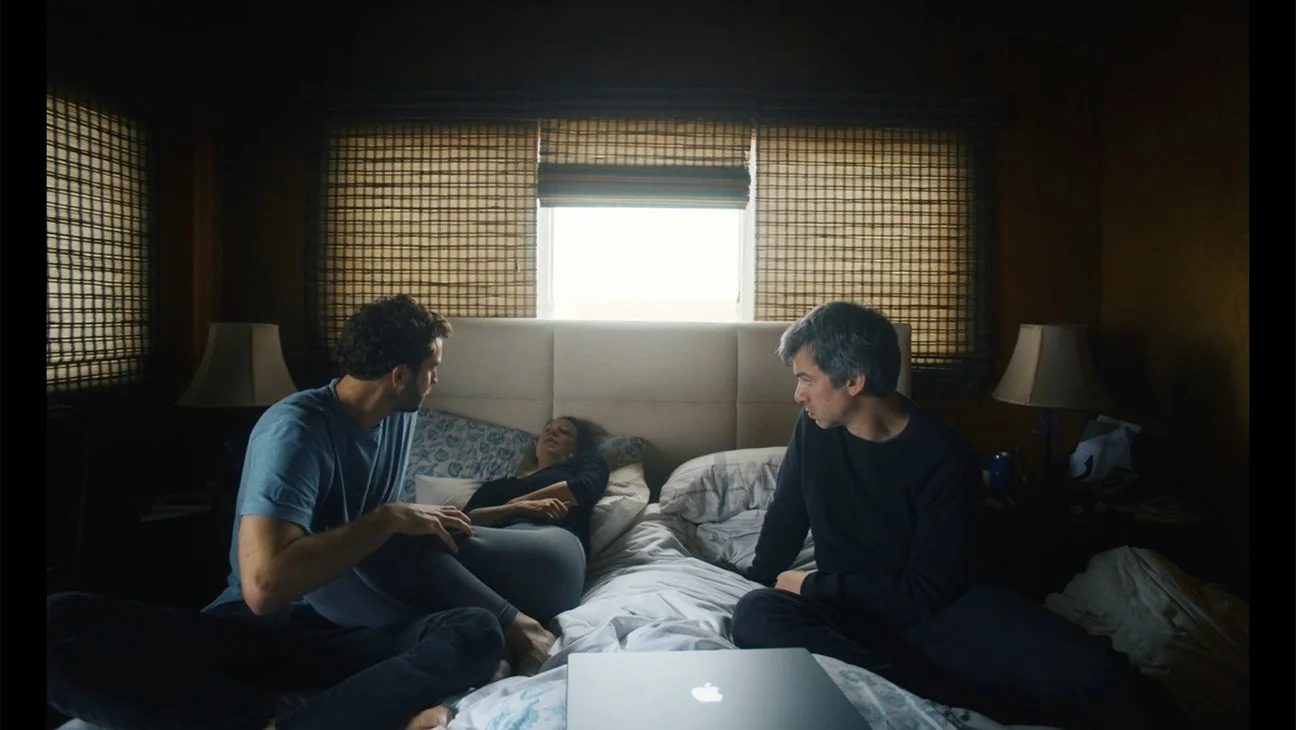

Amanda Seyfried can compete for an acting Oscar for “You Can See Everything,” Nathan Fielder’s A24 documentary on Elizabeth Holmes, even as other awards bodies reach conflicting conclusions about what kind of film it is.
Variety reported that the film made a surprise world premiere at the Telluride Film Festival, and that Seyfried, credited as Holmes, is eligible for the Academy Awards’ acting categories. The film, directed by Fielder and Lance Oppenheim, follows the Theranos founder’s final 34 days before she reported to prison, and it opened to $15 million. Seyfried also appears as herself, reprising the role that won her an Emmy in “The Dropout.” A nomination would be her second, after “Mank” in 2020.
The path narrows elsewhere. The film has no credited screenplay, which rules it out of the Oscars’ original and adapted screenplay races. Sources say BAFTA may not take it, and the Golden Globes are unlikely, since the actors branch of that process can’t nominate it. SAG’s rules require scripted, feature-length films. That leaves the Critics Choice Awards as the only major precursor where the performances could win significant recognition before Oscar nominations.
A24’s own plans show caution. Its campaign site listed 10 categories without an acting entry as of earlier this month, though people on the film confirmed an acting campaign would qualify at the Oscars. Sources close to the campaign said any acting push would center on Seyfried, though Fielder may also qualify as a performer.
The bigger prize is Best Picture, and the film faces a familiar obstacle. Documentaries struggle to win over the Academy’s actors branch, its largest voting bloc. One commentator compared the challenge to the one “Boys State” faced in 2020, and asked whether a documentary could crack the category for the first time.
Rules could still shift. Every voting body and guild writes its own eligibility rules, and any of them can convene a committee to revisit them. Variety’s reporting summed up the state of play: the season’s major contests “can’t agree” on what they are judging.