












Last One Laughing: Halloween asks its contestants to suppress two reactions that operate on different schedules. Laughter can gather slowly enough for someone to notice the danger and attempt a defense. A scream may arrive before its owner has assessed the situation.
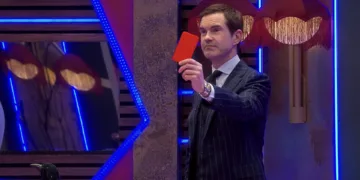
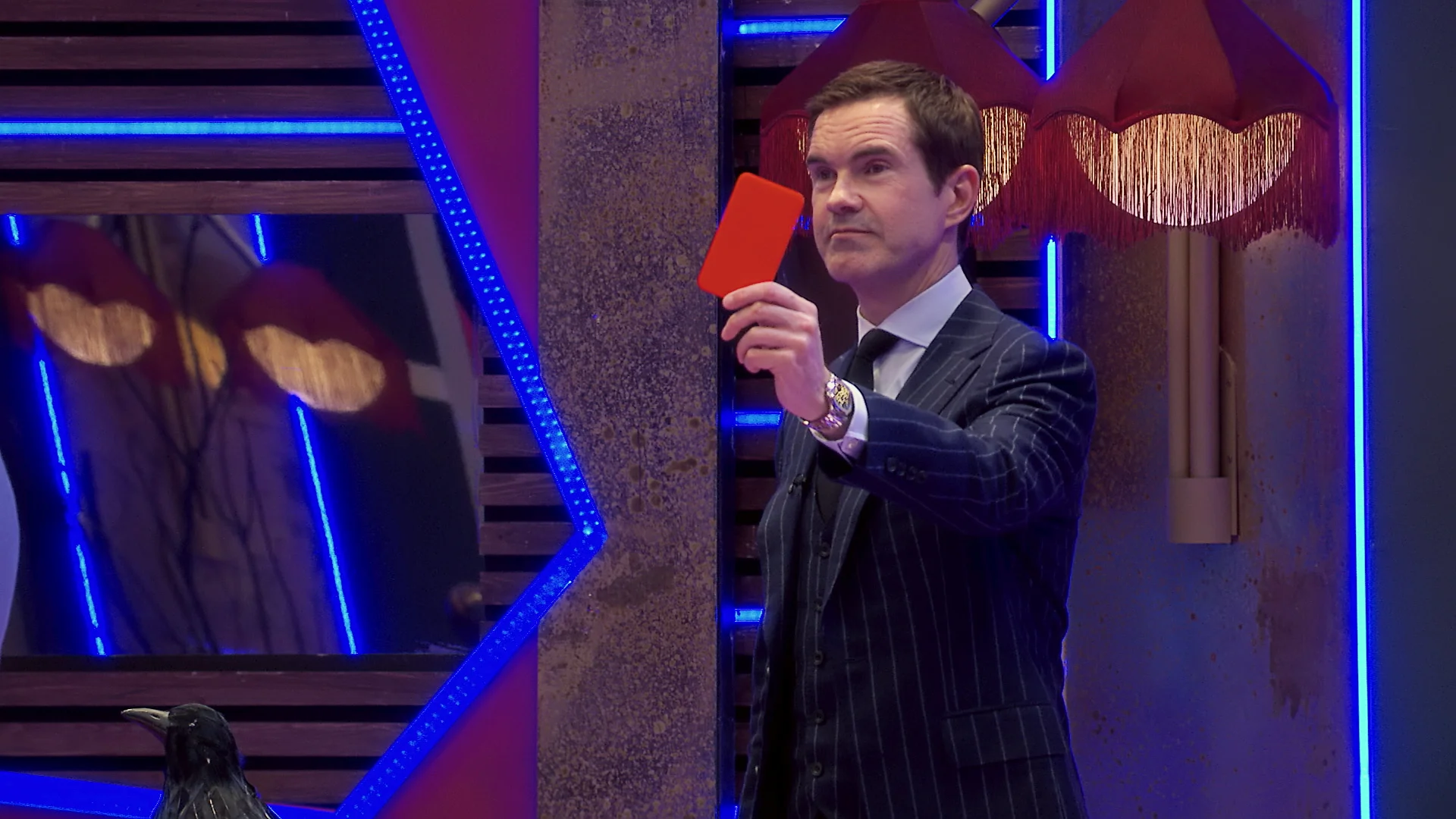
Prime Video’s seasonal special places both under the surveillance of Jimmy Carr and Róisín Conaty, who monitor seven comedians from an adjoining room. Smiling, laughing, or screaming can earn a yellow card; a second means elimination. A jump scare does produce a card, so the additional restriction has consequences. It also gives the producers an unusually direct way to influence the contest.
The fridge containing a David Mitchell head prop clarifies the distinction. Contestants must now worry about the room itself, alongside the people trying to make them laugh. The fridge has effectively joined the cast. That creates nervousness, but startling someone offers less scope for comic invention than persuading an opponent to lose control through a joke. Across the first three episodes covered here, the scream restriction supplies intermittent jeopardy without becoming the special’s defining competitive mechanism. Its most productive Halloween material comes from what the comedians perform, rather than what the rules forbid.
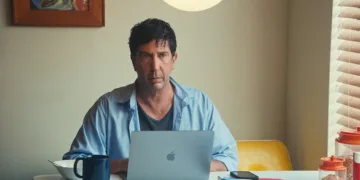
Jack Dee pinching himself is a better demonstration of the format’s lasting appeal. His deadpan expression suggests composure; the physical intervention reveals how much maintenance that composure requires. The amusement sits in the discrepancy, which remains legible even when he successfully avoids laughing.
Phil Wang’s facial contortions offer a less discreet defense. Both men become funny through the effort of refusing to acknowledge that someone else is funny. The contest can therefore generate entertainment without progressing toward an elimination. A failed attempt to break an opponent may still produce an excellent response for the viewer at home.
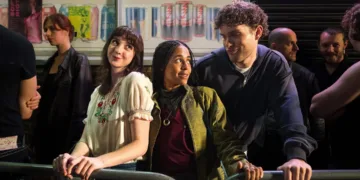
The quieter exchanges exploit a different advantage of putting these performers together. Lou Sanders’ pea-reading activity supplies Jack Dee with an opportunity to put peas into Wang’s mug. The second action borrows the first action’s materials and changes their use.
It is a small piece of comic opportunism, requiring no elaborate reset or formal invitation to perform. Such exchanges make the group feel responsive: a contestant’s contribution can remain available for someone else to pick up. The format earns its ensemble through that circulation of material, rather than simply placing recognizable faces on the same sofa.
Getting those relationships established takes a little too long. Episode one works through successive arrivals, introductions, and conversational testing before its prepared performances give it a firmer shape. Daisy May Cooper and Harriet Dyer’s exchange of odd thoughts establishes a shared willingness to pursue nonsense, but the tentative social phase occupies space that the familiar rules scarcely need. There is value in discovering how this particular group behaves together. The pacing problem is the amount of preparation before that behavior becomes productive. Seven separate entrances still amount to a considerable ceremony for assembling seven people in a room.
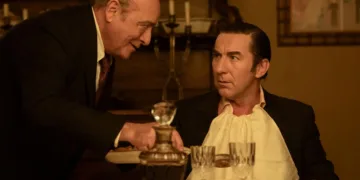
Cooper’s Joker supplies the first episode with a much stronger use of its seasonal premise. These prepared routines let contestants stage an attempt to break their opponents, and hers pairs Charlie Cooper reading Edgar Allan Poe’s The Raven with her own airborne slapstick. The poem brings a ready-made expectation of solemnity, against which her physical disruption can work.
Halloween determines the relationship between the parts of the routine: the recitation supplies the seriousness that the spectacle dismantles. The dolls and fake headstones elsewhere in the studio identify the occasion, but this performance gives the occasion a comic function. The audience needs to recognize the intended atmosphere for its destruction to register.
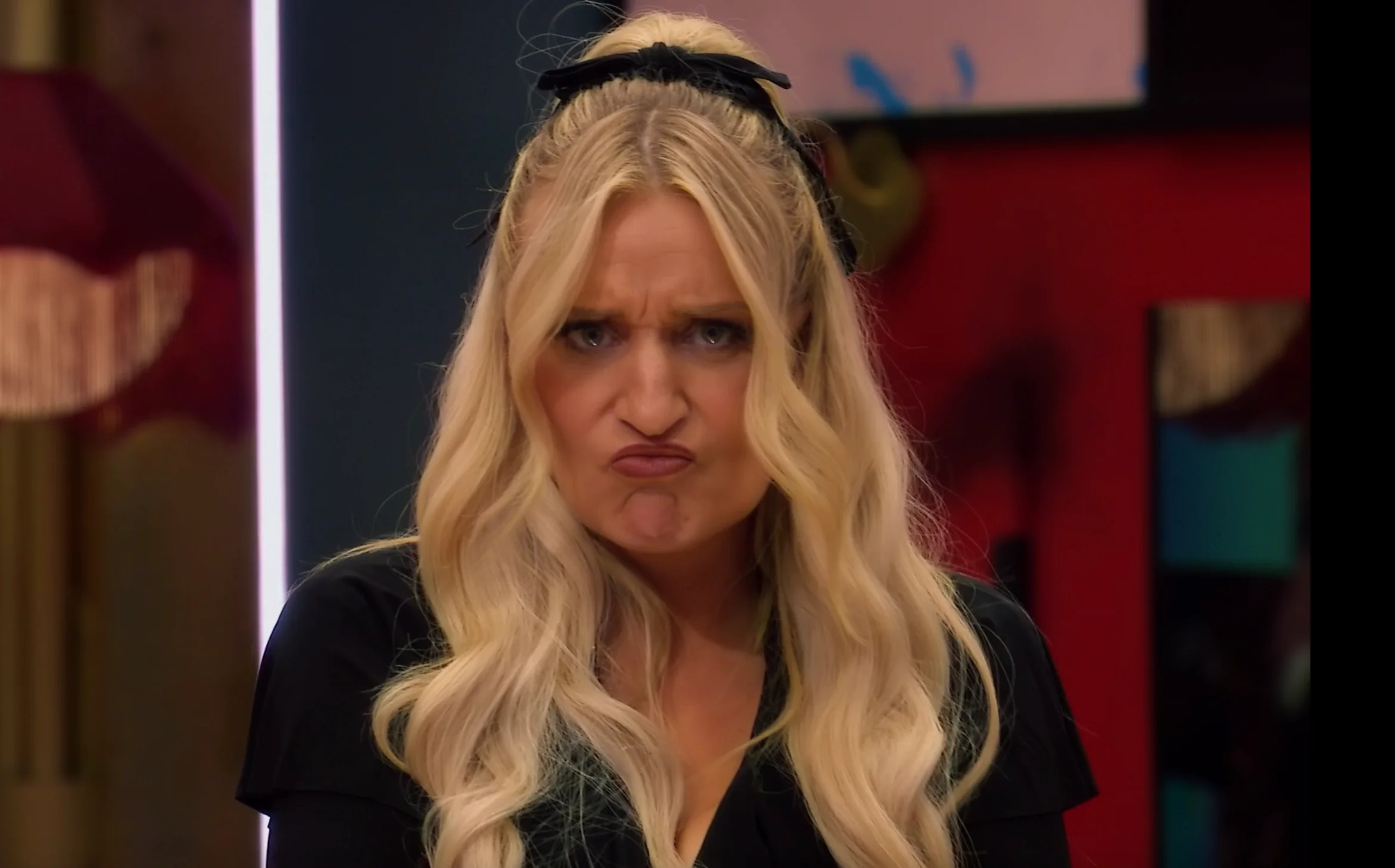
The second episode increases the pressure, and the third makes Shearsmith a particularly useful point of concentration. A surprise appearance aimed at testing his composure gives the attack a specific recipient, while his own Joker puts him on the other side of the challenge.
That movement between target and performer gives the later stretch a stronger sense of purpose than the opening introductions. Knowing a contestant’s comic identity becomes useful information: the question shifts toward what can unsettle this person. The series develops through increasingly directed provocations, even when the additional scream rule contributes little to that development.
Tom Allen’s semi-naked wrestling routine with a man introduced as Martin exposes another complication of the prepared performances. A Joker grants its owner control over the material, yet the owner remains subject to the same restrictions as everyone watching.
Allen has to carry out the absurd physical business while maintaining a straight face. Preparation cannot remove the risk of finding the situation funny himself. His composure makes the performance feel oddly laborious in a useful way: the body commits to the ridiculous premise while the face must refuse it. Even with the routine arranged around his own participation, he has to keep himself out of the audience.
Last One Laughing: Halloween premiered globally on Amazon Prime Video on October 23, 2026. Hosted by Jimmy Carr alongside deputy Roisin Conaty, this spooky spin-off of the hit British comedy competition brings together a lineup of top UK comedians locked in a haunted house where they must refrain from both laughing and screaming while attempting to crack up their fellow contestants.
Where to Watch Last One Laughing: Halloween Online


Full Credits
Title: Last One Laughing: Halloween (also released as LOL: Last One Laughing UK – Halloween Special)
Distributor: Amazon Prime Video
Release date: October 23, 2026
Rating: TV-MA / 16+
Running time: 30–35 minutes per episode (4 episodes)
Writers: Jimmy Carr, Roisin Conaty, Tom Allen, Daisy May Cooper, Jack Dee, Phil Wang, Lou Sanders, Reece Shearsmith, Harriet Dyer
Producers and Executive Producers: Richard Cohen, Peter Holmes, Ruth Phillips, David Allen
Cast: Jimmy Carr, Roisin Conaty, Tom Allen, Daisy May Cooper, Jack Dee, Phil Wang, Lou Sanders, Reece Shearsmith, Harriet Dyer
The Review
Last One Laughing: Halloween
Across its first three episodes, Last One Laughing: Halloween gets dependable comedy from the effort of withholding a laugh. Dee’s defensive tactics and Cooper’s Poe routine demonstrate how effectively the cast turns restriction into performance. The opening takes too long to assemble its players, and the scream rule adds limited competitive interest. Halloween earns its place through the routines, where the theme gives the comedians something useful to dismantle.
PROS
- Suppressed reactions become comic performances.
- Cast members adapt each other’s material.
- Prepared routines give Halloween a clear comic function.
CONS
- Prolonged arrivals slow the opening.
- The scream restriction adds limited competitive depth.