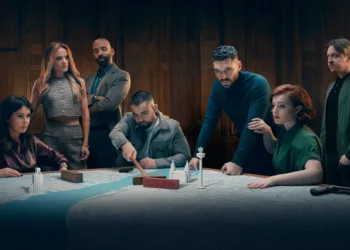












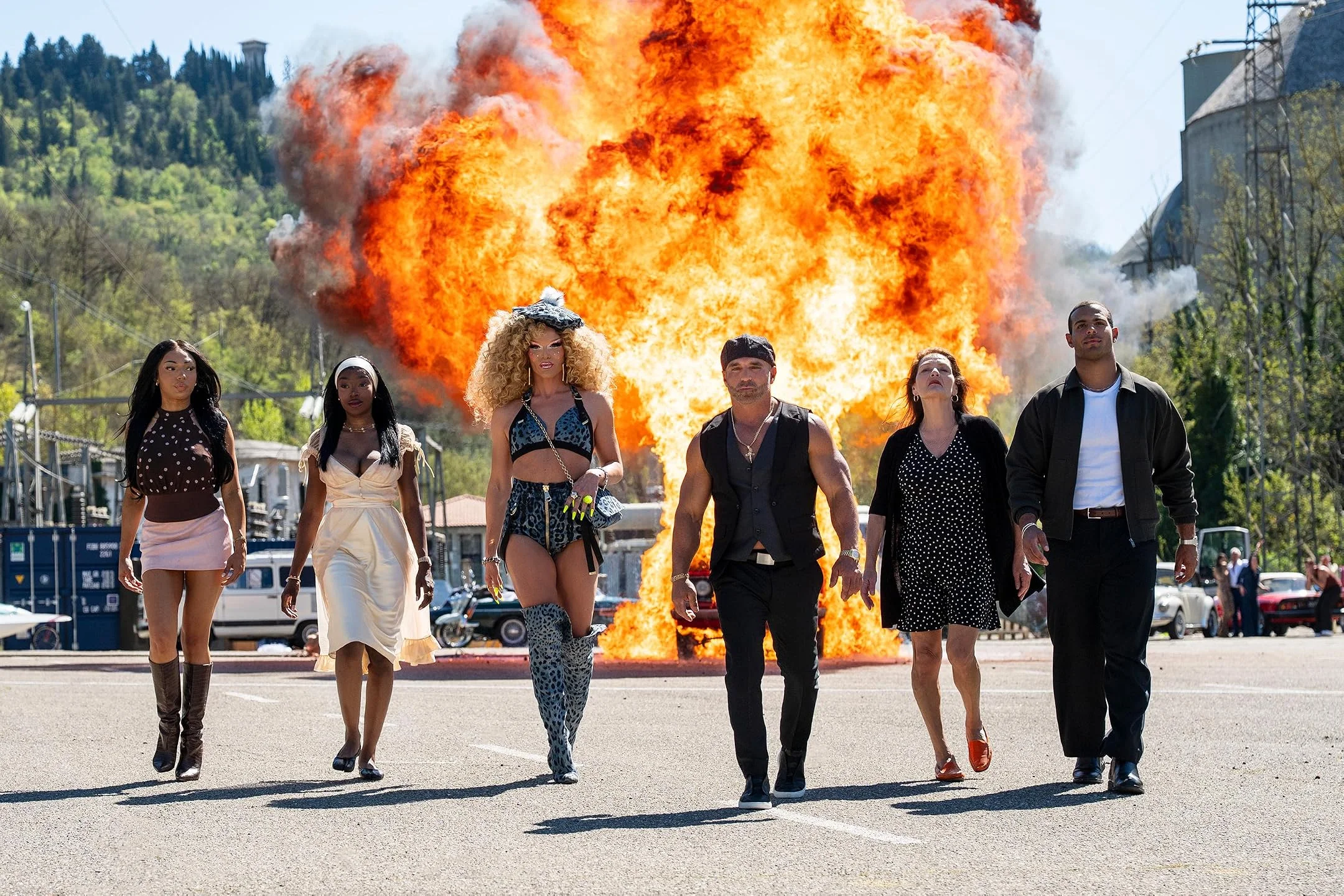

Joe Gorga’s appointment as don gives The Mob a leading man before its contestants fully understand the role they are casting. The group chooses its first boss without knowing the extent of his authority over their earnings and survival. Once installed, he receives a ring, ritual displays of submission, and ample opportunity to perform importance. Hulu’s celebrity competition has delegated a consequential production decision to its cast: who gets to dominate the television everyone else must help make.
The second episode introduces a useful complication. Gorga cannot watch the challenge, so his authority depends on information supplied by people seeking his favor. Harry Jowsey recognizes the opportunity immediately. Contributions can be exaggerated, failures concealed, credit redirected. This could make the boss’s apparent supremacy precarious. Yet relatively few of the conversations through which contestants might exploit that arrangement reach the screen. The production creates a gap in his knowledge without giving the struggle to fill it sufficient dramatic attention.
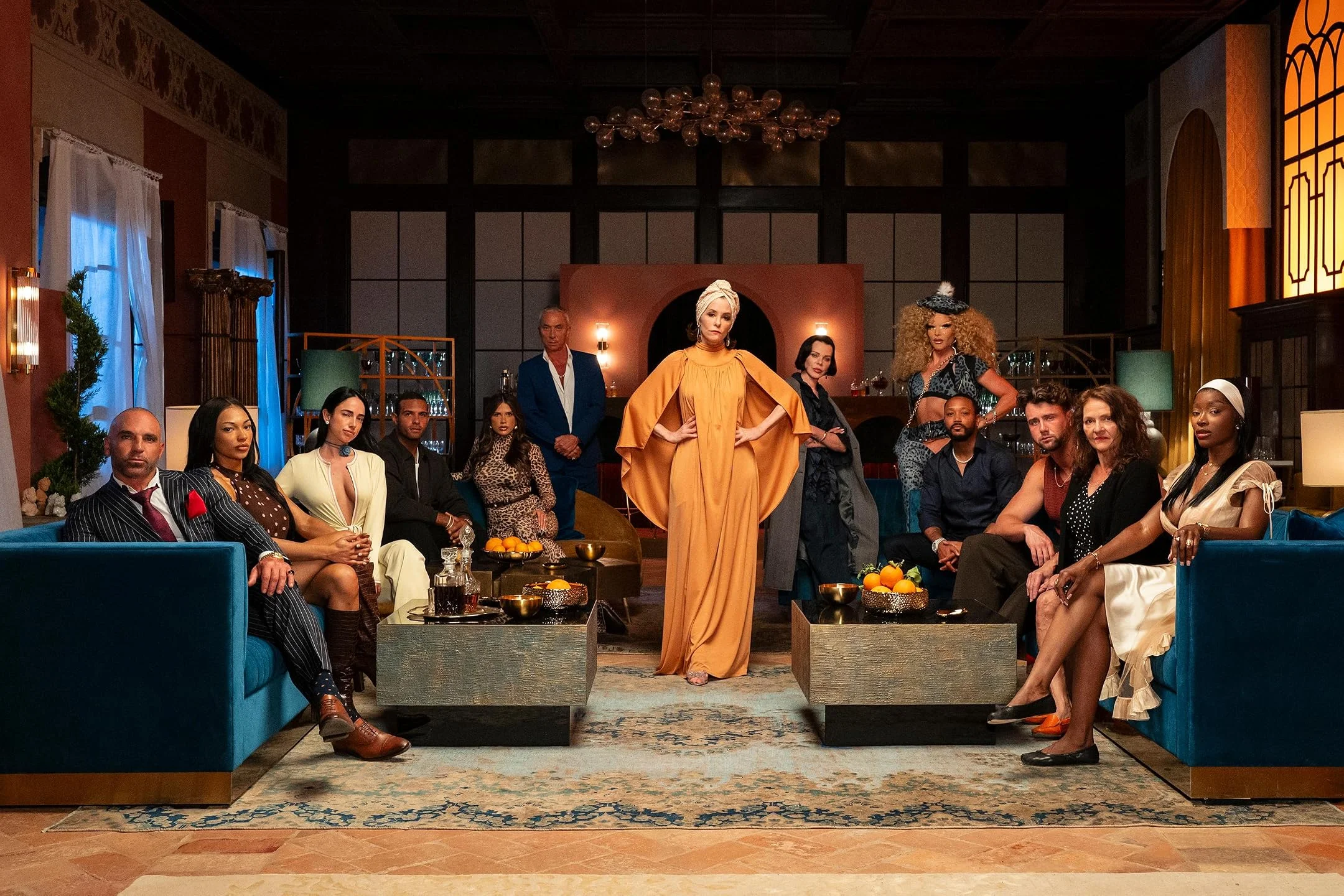
Twelve celebrities have been assembled at an Italian villa to complete mafia-themed jobs and compete for up to $250,000. The don distributes challenge earnings and decides who gets eliminated. A majority can support an attempt to overthrow the leader, with the designated challenger’s survival affecting the rebellion. These are workable ingredients for a competition about patronage. Money could purchase temporary loyalty, and useful service could become a bargaining tool. In these opening two episodes, however, the repeated ring-kissing establishes the social hierarchy much faster than the show establishes meaningful ways to challenge it.
The uncertainty surrounding the money makes that imbalance harder to assess. The opening episodes leave basic questions unresolved: do contestants retain distributed earnings after elimination? How is the final winner determined? What becomes of a don who loses power? These answers would let viewers evaluate a decision to flatter, bargain, or rebel. Without them, a contestant’s apparent caution is difficult to interpret. Submission might be shrewd, timid, or financially sensible. The audience lacks enough information to distinguish those possibilities, which weakens its invitation to play along.
There is a potentially productive tension between labor and leadership, too. Since the don sits out challenges, a physically capable contestant may be valuable precisely where the boss cannot participate. Jowsey’s strength could make keeping him at work attractive to other players, even if they consider him leadership material. That tension deserves development through conversations and choices. Instead, the limited access to Gorga’s dealings with the group leaves too much of the competition resting on the spectacle of someone enjoying command. Unequal power can generate excellent television; it still needs visible negotiation.
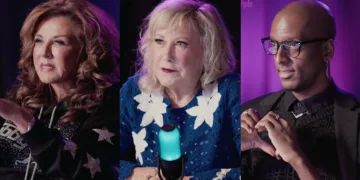
The casting makes those missing exchanges particularly frustrating. Debi Mazar and Aida Turturro arrive with associations that suit the crime-fiction packaging, while reality personalities share space with Romeo Miller and Bruno Tonioli. Recognition supplies an initial charge, but these people need relationships specific to this game. The premiere sends them into a challenge before establishing much of that social texture. Gorga’s early conversations include only part of the ensemble on screen. Viewers familiar with particular contestants can bring their own attachments; everyone else is asked to accept celebrity recognition as a substitute for introductions.
This also complicates the impression that the cast simply lacks chemistry. Mazar commits vigorously to being confined in a car trunk, turning a brief predicament into an expressive performance. The situation gives her something immediate to react to, and she responds. That is evidence of personality available to the production. It makes the thinness elsewhere feel partly like a problem of opportunity and selection. Hiring recognizable people does not relieve a celebrity competition of the work of discovering what they do together.
The first two eliminations remove women, while Gorga’s authority and Jowsey’s physical presence help define the early contest. Two departures cannot establish a season-long pattern or explain the motives behind those choices. They do make the allocation of attention worth examining. With introductions already compressed and strategic conversations scarce, the episodes give viewers limited grounds for understanding the departing contestants’ positions. A competition organized around a powerful man and the people seeking his approval needs to make those people legible as decision-makers. Otherwise, its hierarchy begins to govern the storytelling as thoroughly as the game.
Parker Posey occupies an awkward position within this arrangement. She is the host, yet she appears sparingly in the premiere while the contestant playing boss receives substantial room to perform authority. Studio Lambert’s connection to The Traitors invites expectations of a confidently managed theatrical world, but Posey’s presence alone cannot provide one. Her reactions and monologues need relationships, friction, and material to work against. The production has hired a distinctive performer, then given much of its ceremonial business to someone else.
The ring-kissing is particularly revealing. Repetition keeps confirming the don’s status, but the gesture offers a narrow range of responses. Everyone knows which part they have been assigned. The wine-pressing challenge briefly permits a different kind of exchange. After losing a fingernail, Willam offers Posey a drink accompanied by a joke about an unpleasant ingredient.
She pretends to sip and accepts the proposition with dry composure. Willam supplies an absurdity; Posey takes it seriously enough to extend it. For those few seconds, hosting becomes a shared performance with a contestant, and authority gives way to responsiveness. The encounter makes Posey useful in a way the ceremonies rarely allow: someone the cast can surprise.
The Mob premiered on Hulu and Disney+ on October 26, 2026. Hosted by Parker Posey, the reality competition series transports a group of twelve celebrities to a lavish Italian villa where they compete in mob-movie-inspired challenges for a cash prize.
Where to Watch The Mob Online

Full Credits
Title: The Mob
Distributor: Hulu, Disney+
Release date: October 26, 2026
Rating: TV-14
Running time: 45–60 minutes per episode
- Producers and Executive Producers: Parker Posey, Tim Harcourt, Jack Burgess, Niall O’Driscoll, Stephen Lambert, Adam Wood, Mat Steiner, David Mortimer
Cast: Parker Posey, Willam Belli, Demi Engemann, Maria Georgas, Joe Gorga, Harry Jowsey, Chelsea Lazkani, Debi Mazar, Bella Palk, Shane Parton, Romeo Miller, Bruno Tonioli, Aida Turturro
The Review
The Mob
The Mob gives its boss authority without making everyone else’s choices sufficiently legible. Across the first two episodes, unclear financial stakes and thinly developed negotiations weaken a promising competition about loyalty and patronage. Celebrity recognition carries too much of the introductory work, while Parker Posey receives too little room to engage the cast. Mazar’s trunk performance and Willam’s exchange with Posey offer welcome personality, revealing how much this elaborate production depends on giving its performers something useful to do.
PROS
- Willam and Posey find an easy comic rapport.
- Debi Mazar brings energy to the trunk sequence.
- The don’s dependence on contestants’ reports creates strategic possibilities.
CONS
- Posey’s hosting role is underused.
- Rushed introductions weaken investment in the ensemble.
- Too few negotiations develop into meaningful drama.
- Financial and winning conditions remain unclear.