



























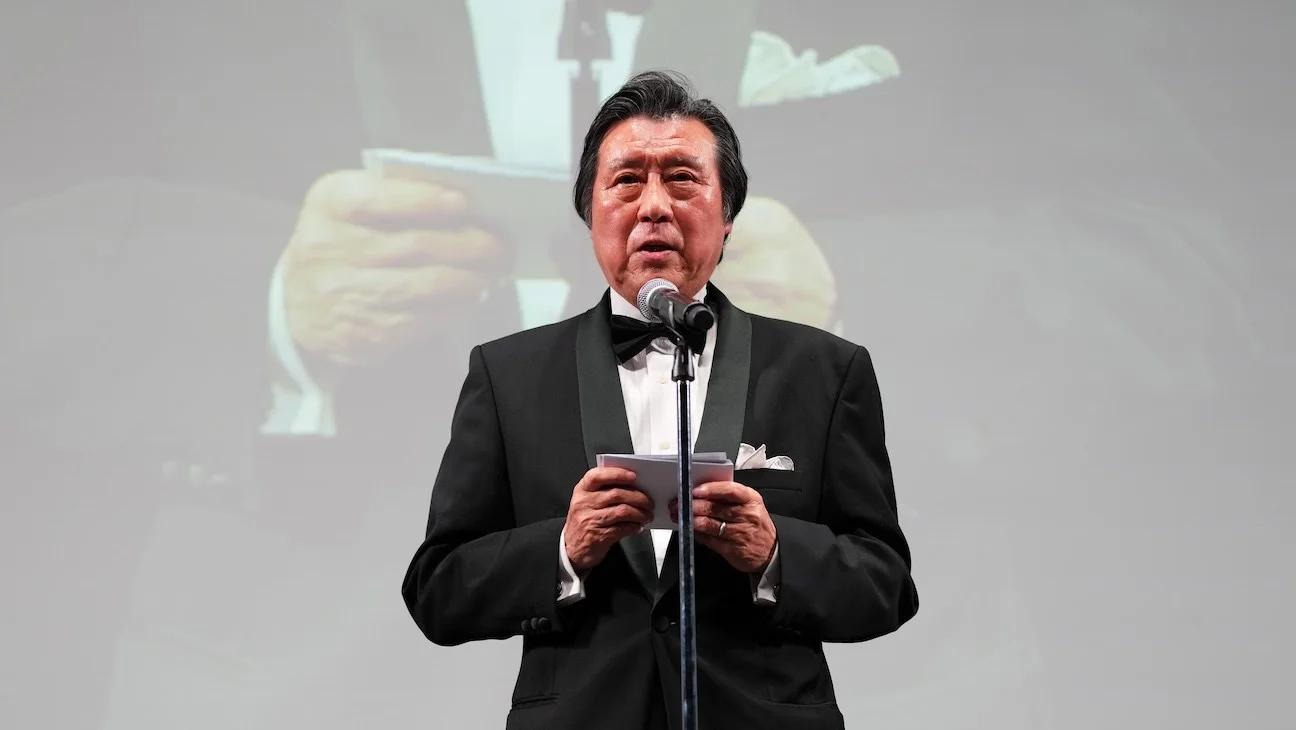

Takeo Hisamatsu, back at the helm of the Tokyo International Film Festival, wants more funding, more industry parties and a bigger international stage for Japanese cinema as the event approaches its 40th anniversary. Hisamatsu, who ran the festival from 2017 to 2021, sees a chance to capitalize on surging overseas interest in Japan. He returned as festival director on April 14. He told Screen International that “all eyes are on Japan” and that the festival should put more weight on introducing Japanese films abroad. He says that goal requires more resources.
The push starts with the calendar of social events. Hisamatsu points to Busan, where Korean studios host parties during the festival, and wants Tokyo to copy the model. Toho has answered with its first invitation-only “Toho Izakaya Night,” and Hisamatsu has asked the other Japanese majors to host events of their own. He wants the festival to feel like a celebration, comparable to a music festival or anime convention.
Programming is shifting as well. The festival introduced competitive prizes this year for Nippon Cinema Now, its showcase of contemporary Japanese filmmaking, and launched a Work-in-Progress initiative that connects Japanese productions with international programmers. He favors a broad slate that offers something to casual moviegoers, not only cinephiles.
Hisamatsu inherits a festival that already changed under his predecessor. Hiroyasu Ando moved it to Tokyo’s Ginza and Hibiya districts, reshuffled programming staff, added filmmaker talks and revived the Kurosawa Akira Award. Ando credited those years with growth in audiences, revenue and international guests.
Hisamatsu does not plan to rush. He says the festival will review its 39th edition once it ends and reassess its standing before the 40th. He says the outcome could define the festival’s direction for the next decade. He also cautions against chasing a purely global identity. Even international festivals remain rooted in their home cultures, he says, and he expects a “glocal” approach to matter more. He also rejects the idea that this year’s selections signal a deliberate identity shift.