























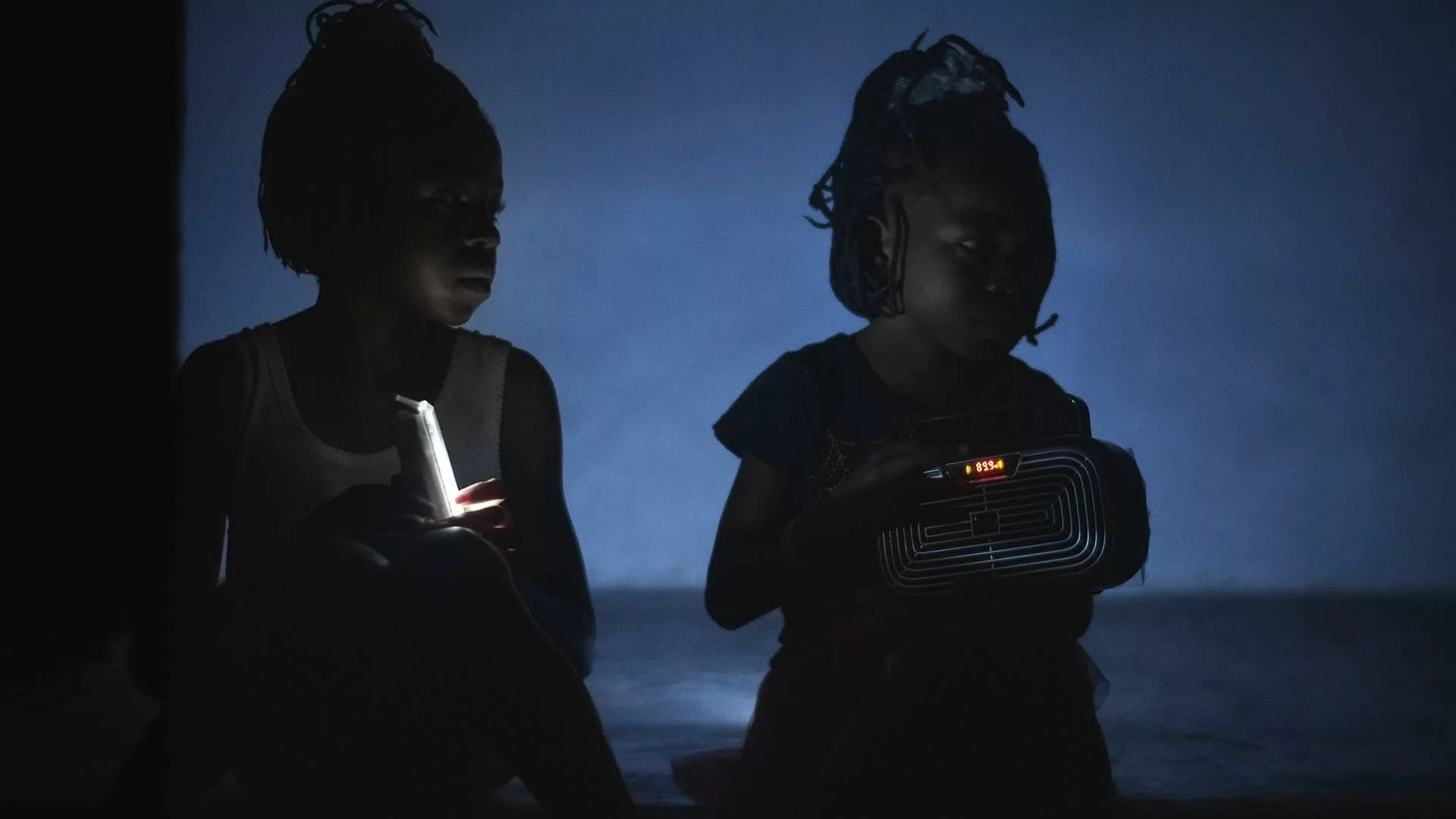

Nelson Makengo’s directorial debut film, Rising Up at Night, shines a light on the formidable spirit of Kinshasa’s residents. Set in the chaotic capital city of the Democratic Republic of the Congo, the documentary explores the daily challenges faced by communities left in prolonged periods of darkness due to unpredictable power outages. Between devastating floods forcing people from their homes for months at a time and a flawed infrastructure struggling to provide basics like electricity, the opening sequences portray a location wrought with hardship.
Yet rather than focusing on hopelessness, Makengo spotlights inspiring tales of endurance through adversity. His primary subjects include community leader Kudi, who transformed into a beacon of holiday cheer despite surrounding struggles. And young Davido keeps a positive outlook while waiting restlessly for floodwaters to recede. Most prominently, the film highlights women emerging as leaders, mobilizing fundraising and advocacy to expedite cable repairs. Through their determination and collective efforts, neighbors band together, offering much-needed support.
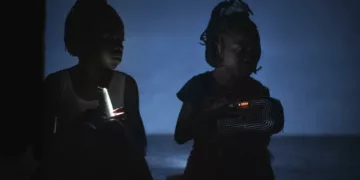
Shot entirely at night using only ambient light sources, Makengo’s aesthetic immerses viewers directly into the shadows enveloping Kinshasa. Extended scenes of complete darkness evoke the disorientation and unpredictability with which inhabitants constantly navigate. Intertwining lyrical stills with frenetic handheld segments, the documentary explores both the literal and metaphorical darkness obscuring the city. By zeroing in on intimate human moments instead of vast infrastructural issues, Rising Up at Night illuminates the resilience of community and spirit, which remain undefeated even in the bleakest of conditions.
Strength in Community
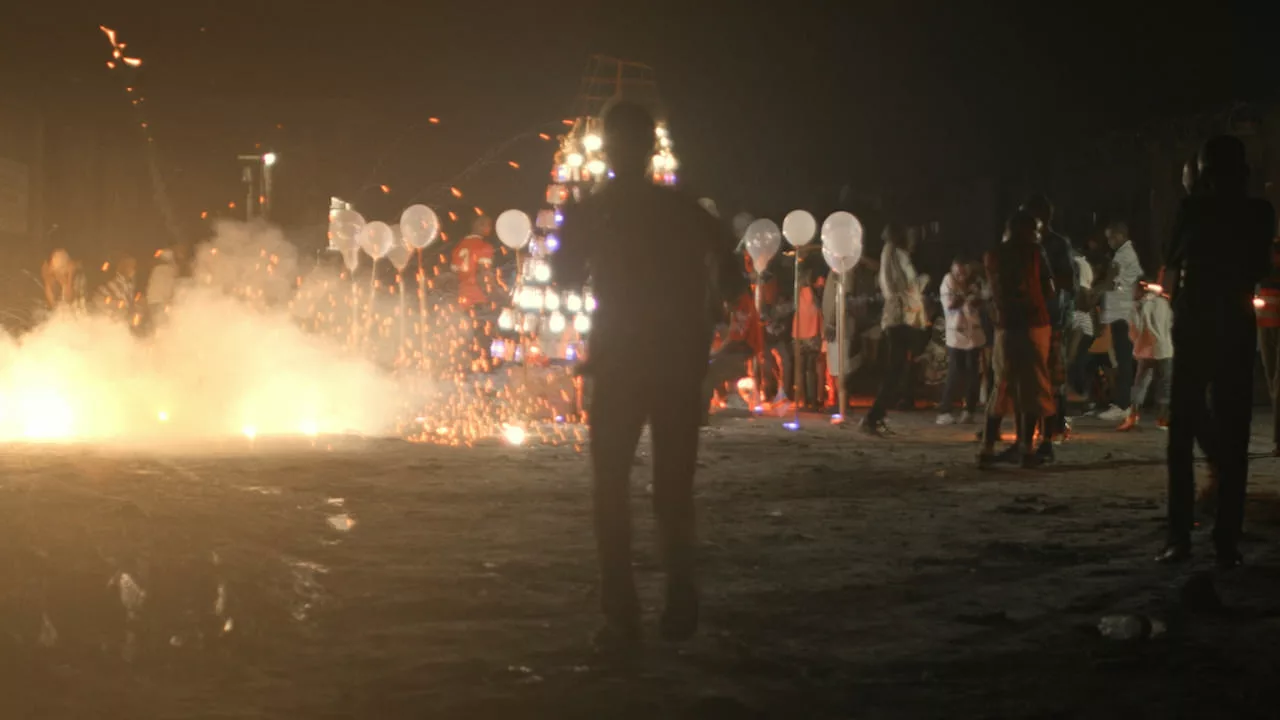
At the center of Rising Up at Night are a few central characters that come to represent the resilience of Kinshasa’s people. Kudi emerges as a leader within his neighborhood, picking up much-needed supplies to help navigate the night. But around Christmas, a transformation happens: under the cover of darkness, Kudi brightens the spirits of locals as a secret Santa. Despite struggles of his own, he works tirelessly to foster joy for others.
You’ll also meet Davido, a young man cut off from the world as floodwaters isolate his community. Yet instead of despair, he commits to daily exercise, ensuring his mind and body stay in motion until the waters recede. Even in solitude, Davido prefers to meet his circumstances with initiative rather than idle away in darkness.
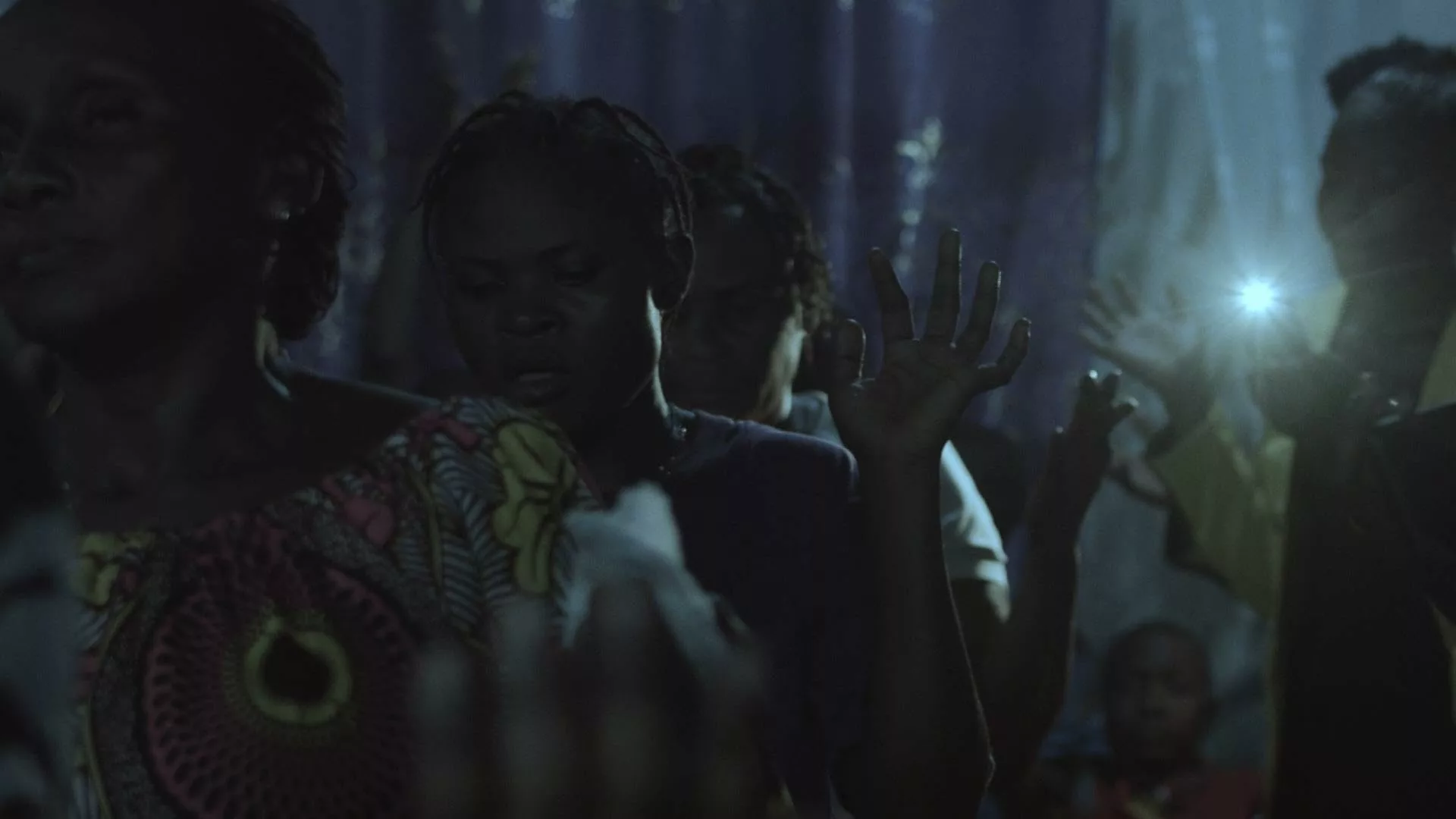
A sense of solidarity also stems from figures like Pastor Gédéon. From his pulpit, the pastor delivers sermons that guide lost souls to an inner light of faith stronger than any electric glow. His words lift the spirits of those left with little else to hold onto. As nights drag on with no end in sight, the community finds new purpose through their shared worship.
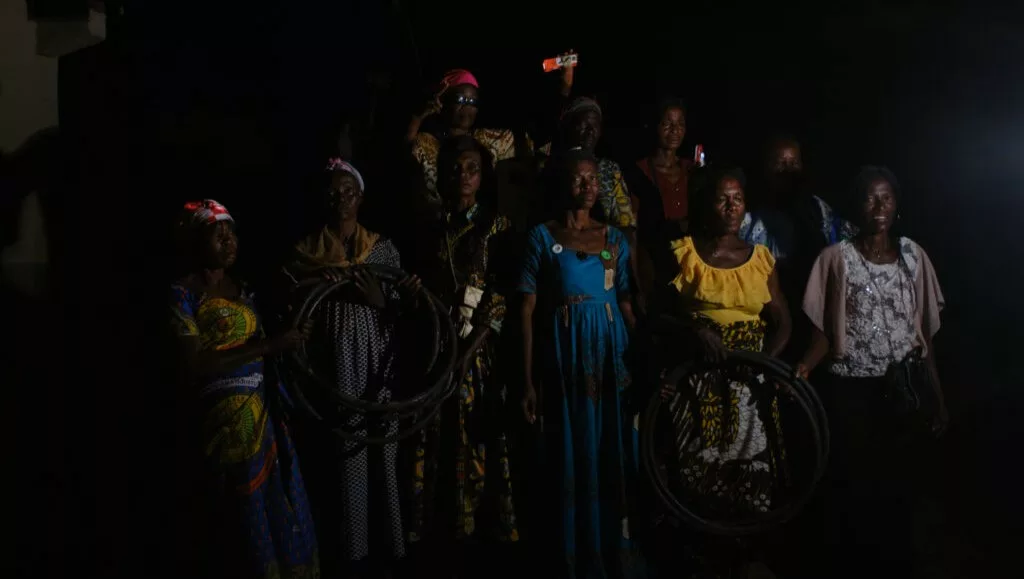
Of course, life continues despite the circumstances. But navigating daily routines grows perilous without light—from dangers like pitfalls to much worse threats that prowlers cloak in the cover of night. This makes the communities’ efforts to restore power all the more urgent. Working together, residents contribute funds, hoping to replace stolen cables and energize the districts in time for Christmas celebrations. Through collaboration and perseverance, they endeavor to reclaim even small joys from the grip of darkness.
While set amid great adversity, Rising Up at Night ultimately shines a light on the strength people find within one another during humanity’s darkest hours. It’s a story of a city’s spirit that cannot be overcome, no matter the challenges raining down from above.
Walking in Darkness
One thing that immediately stands out about Rising Up at Night is how the director chose to film almost the entire movie at night, with almost no added lighting. It’s a bold decision that could have backfired, but Makengo makes it work by drawing viewers deeper into his vision.
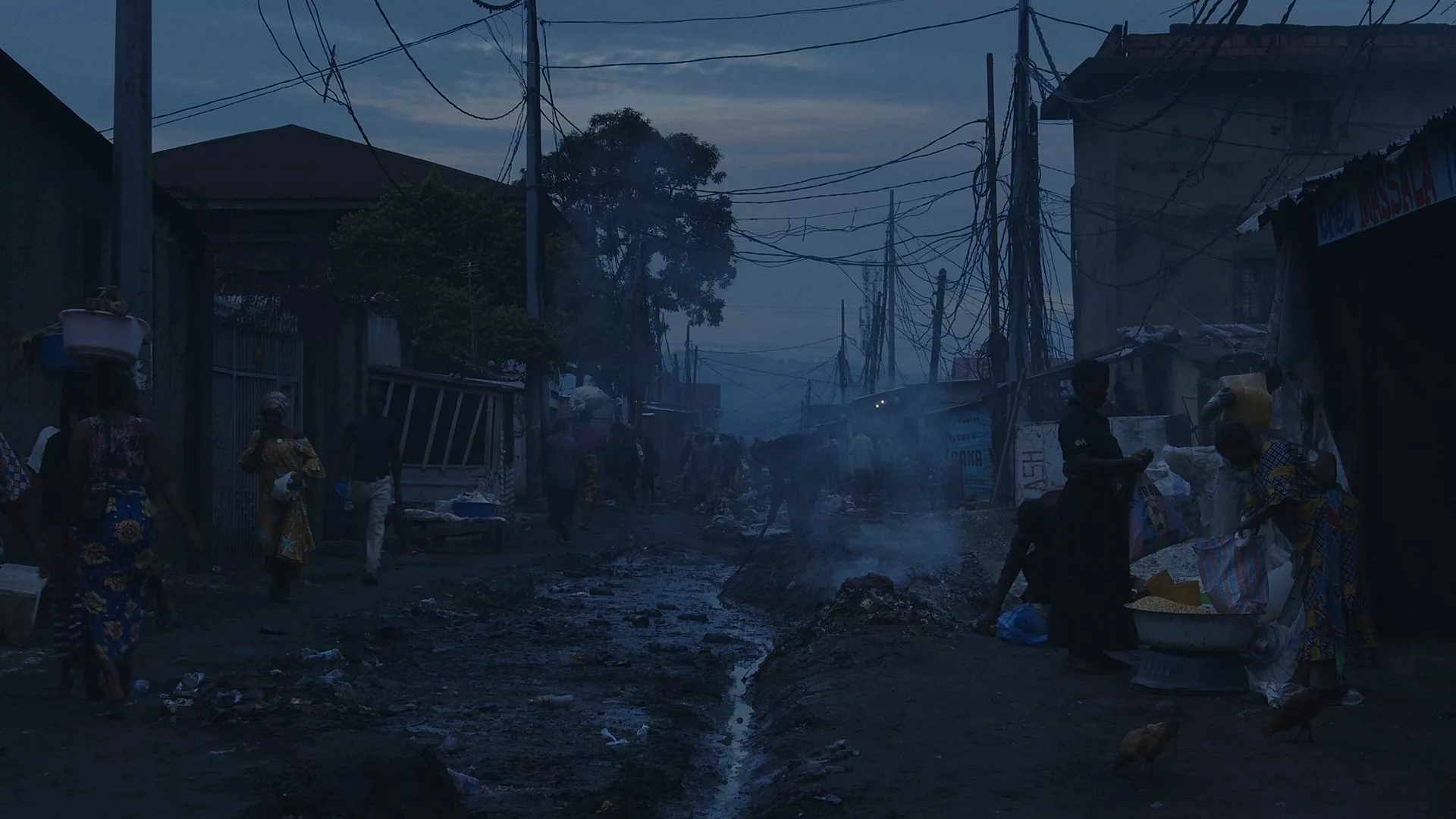
Shooting exclusively after dark means relying entirely on the faint glow from makeshift lamps and flashlights. Shadows and obscurity become the norm, reflecting the community’s daily struggle against an inky blackness. Yet somehow, Makengo pulls flickers of humanity from the obscurity like fairy lights guiding us, highlighting real moments that feel startlingly intimate.
Rather than hindering the viewing, this engrossing darkness enhances our experience. We appreciate the lifelines of light all the more for living so long in shadows beside characters. Every flashlight beam and flare carries more significance when gloom threatens to swallow them all. It’s this heightened awareness of illumination that makes particular scenes, like a neighborhood dance party lit by candles, so wonderfully vivid and uplifting.
Another artistic accomplishment is the role of Soudntrack. During prayers, when passions reach fever pitch and faces glow ethereal, music soars celestial to carry emotions. But elsewhere, ambient noises like steady rain or muffled radio deepen our sense of being somewhere crucial yet ignored. melodies wound tight as a wire, ready to vibrate our souls.
Overall, Makengo forges a strange kinship from his darkness. We feel hope and hurt right alongside those living it. His methods may seem like a gamble, but faith in imperfect light to guide the eye proves richly rewarding. Walking with these characters through their night holds discoveries that linger with warmth long after the screen fades to black.
Rising from Darkness
Some clear themes emerge from Rising Up at Night. One is the strength of community in hard times. We see people supporting each other in practical ways, like fundraising for electricity or clearing flooded streets. But their solidarity runs deeper—shared rituals and faith give spiritual sustenance.
Spirituality is another major theme. Faced with immense challenges, many understandably question why their prayers seem unanswered. Yet their devotion continues, finding meaning through togetherness. Scenes depicting passionate worship are surprisingly moving, regardless of personal beliefs. Their faith offers solace, even if greater forces remain beyond understanding or control.
More than anything, this film celebrates human resilience. It reminds us that people can endure vast hardships and still grasp joy where they find it. Figures like Santa Kudi lift neighborhood spirits, while Davido refuses to let flooding dampen his. Even in perpetual night, we see life celebrated through dance and community.
Their perseverance puts our own struggles in perspective. Rising Up at Night highlights what really matters: our relationships and our ability to find purpose, even in darkness. Material things we stress over seem small in comparison to the challenges these people face daily.
Their willingness to embrace life’s brighter moments, despite overwhelming odds, is profoundly inspiring. The film suggests that as long as people stand with each other and hold onto hope, the human spirit cannot be extinguished. It issues a quiet but powerful message about priorities and our capacity to endure when addressing the deepest needs of community and soul.
Perhaps the most important theme is what we can learn from these individuals’ steadfast grace under pressure. Their example reminds us that even in the worst of times, light may yet emerge if we come together, lift each other up, and keep walking in hope.
Highlights from the Darkness
Rising Up at Night was warmly received upon its premiere, winning praise on the film festival circuit. Audiences were transfixed by its unflinching portrayal of life in Kinshasa amid constant struggles with flooding and blackouts. Critics remarked on Nelson Makengo’s artistry in using minimal lighting to place viewers in the shadows alongside residents.
The documentary created buzz at its debut at the renowned Berlin International Film Festival in 2024. There, it stood out with its empathetic lens, highlighting community strength over hardship. Word spread of its acclaimed examination of resilience through even the bleakest of circumstances. Awards soon followed from other respected festivals.
Its screenings have shed light on the challenges overlooked corners of the developing world face daily. By focusing intimately on ordinary people perservering against daunting odds, Rising Up at Night personalizes societal issues that statistics can numb. Audiences leave with newfound respect for the quiet heroes within communities, denying fate and destiny through solidarity.
Perhaps most importantly, the film has stimulated dialogue about the real changes needed. Development organizations are considering responses appropriate to on-the-ground realities rather than theoretical approaches detached from local necessities. Viewers moved by its message of hope in darkness also seek ways to contribute to alleviating the challenges depicted.
While not overtly preachy, Rising Up at Night has sparked reflection that could inspire compassionate action. By bringing the indomitable spirit of Kinshasa’s residents into the light, it strives to answer their call for attention to social problems solvable through cooperation. Its impact is a story still being written.
Illuminating Darkness
Rising Up at Night split critics with its unconventional approach. Some found Makengo’s near-constant darkness and disorienting sound design off-putting. However, the filmmaker aimed for an immersive experience of Kinshasa under blackout conditions. His stylistic choices sparked discussion about representing challenging realities sensitively on screen.
Scholars analyzed how the documentary amplifies voices often overlooked. Its vérité style positioned viewers alongside residents navigating nightly hardships. Without explanations or Western perspectives, local belief systems and resilience emerged in their own light. Some argued more context was needed for outsiders, though others saw this as respecting subjects’ agency.
Debates centered on the film’s refusal to exploit suffering or simplify societal issues. Minimal lighting highlighted shared humanity beneath surface differences. While bleak scenes left lasting impressions, uplifting community spirit endured wherever screens darkened again. Academics saw this balancing of hope and honesty as thought-provoking.
Of course, no single work can capture a city’s full complexity. Some noted that Makengo primarily featured one neighborhood’s experience. Further exploration of political systems prolonging the crisis may have strengthened the narrative. And not all find spiritual solutions equally persuasive.
Overall, Rising Up at Night illuminated pressing issues in an unforgettable yet respectful manner. By bringing Kinshasa’s darkness to light, it sparked necessary conversations and envisioned solidarity beyond surface darkness. Makengo’s debut merits study and discussion for documenting resilience with empathy, care, and artistry.
A Cinematic Light for Real Struggles
Rising Up at Night shines a light on challenges that many never see. Nelson Makengo guides viewers into the nightly lives of Kinshasa residents enduring floods and blackouts. His documentary has an intimate feel, as if we were walking alongside this community, navigating darkness.
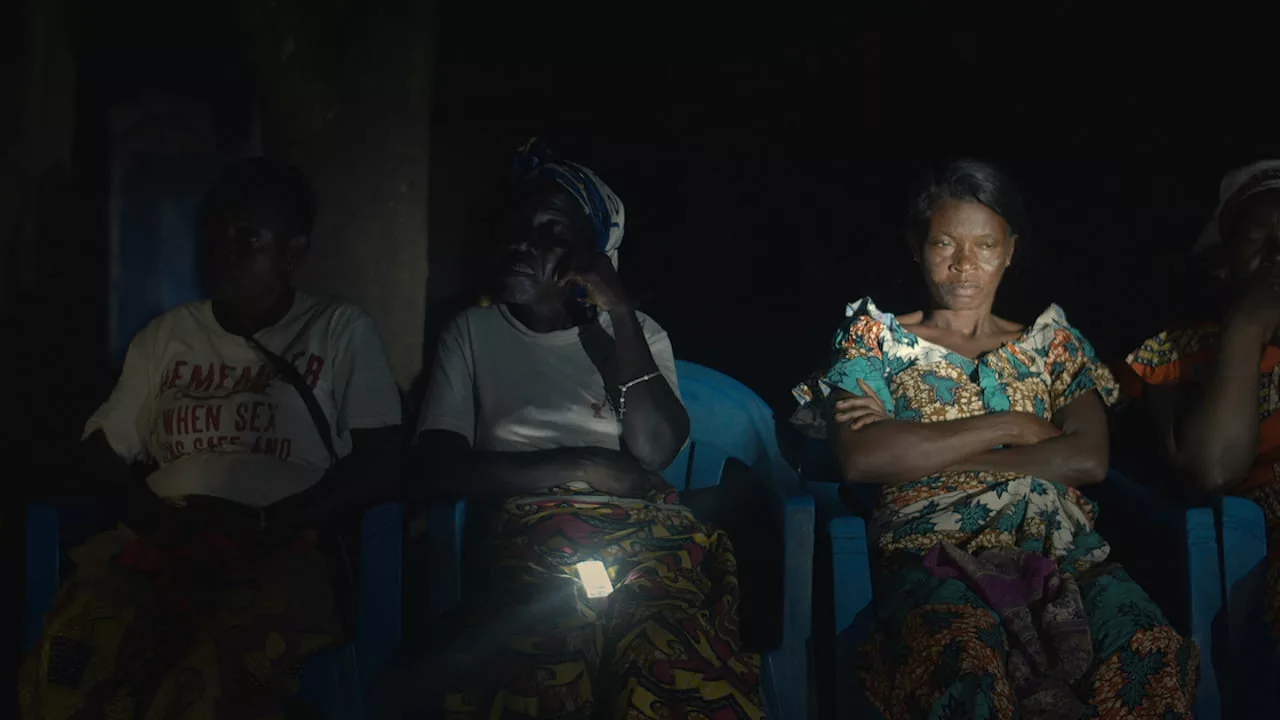
Makengo achieves this through a vérité-style view of their world through sparse flashlights. We witness their resilience spiritually and through cooperation. Women and religious leaders uplift others’ spirits. Scenes portraying their prayers feel hauntingly real; their desperation and faith are palpable.
This film underscores humanity’s strength in even the direst circumstances. Though it focuses on hardship, it celebrates common hopes and reminds us that all lives deserve dignity. Makengo captures daily triumphs over adversity with commitment and care.
Rising Up at Night tells an impactful story seldom shown. It brings an overlooked city’s real struggles to global audiences. I believe we must support such important documentaries. They foster understanding between all people about issues we’d otherwise never learn about.
When we see reflections of our shared humanity even in darkness, it nourishes our empathy. I hope this film finds wide viewership and discussion. Its cinematic light helps illuminate paths toward recognizing our interconnectedness and building a brighter future for all.
The Review
Rising Up at Night
Rising Up at Night brings an unflinching yet empathetic look at life in Kinshasa that challenges as much as it inspires. While not without aesthetic flaws, Makengo's debut feature shines a necessary light on resilience amidst adversity. It illuminates shared hopes through faces seldom seen on screen. Overall, the film succeeds in its aim to immerse viewers in another community's challenges and strengths, imparting valuable lessons through intimate, artful storytelling.
PROS
- Immersive vérité style offers a raw look at daily life in Kinshasa
- Highlights the strength and spirit of the community in persevering through hardship
- Sheds needed light on often unseen lives and important issues
- Engages viewers through minimalist aesthetic and emotional storytelling
CONS
- A dense and opaque style may frustrate some viewers
- It focuses narrowly on one community within the city
- Lacks a broader political and economic context around the crisis