



















Brothers Stephen and Timothy Quay are legendary figures in the world of surrealist animation. For over five decades, they’ve crafted short films and art installations blurring the lines between dreams and reality. Their latest project, Sanatorium Under the Sign of the Hourglass, marks a return to feature-length films for the first time in two decades. Adapted from a 1937 novel by Polish author Bruno Schulz, the movie tells the abstract story of a man searching for his dying father in a mysterious sanatorium outside traditional concepts of time.
Known for their haunting puppetry and flickering sets straight out of a fever dream, the Quay Brothers transport viewers into a strange netherworld in Sanatorium. Using a blend of stop-motion and live action like only they can, the film follows Jozef on a journey through the sanatorium’s twisting corridors. Yet this is no ordinary hospital—within its walls, the lines between life, death, and memory are forever bending.
As Jozef delves deeper into the sanatorium’s secrets, reality starts warping in entrancing and disorienting ways. Flashes of the past collide with the present in hypnotic looping scenes. Larger themes of loss, family, and the fleeting nature of recollection lurk just beyond full comprehension. Ultimately, the experience matters more than logical explanations. In Sanatorium, the Quay Brothers once again shine brightest not through traditional storytelling but by losing themselves—and the audience—down the evocative rabbit hole of their minds.
A World Forged from Dreams
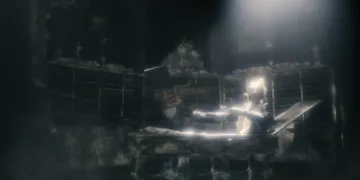
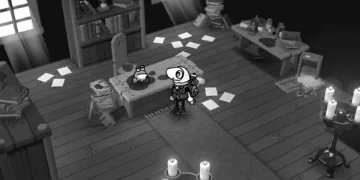
The Brothers Quay truly bring their peculiar dreamworlds to life through Sanatorium’s unforgettable visuals. The stop-motion animation alone is a marvel, with all the twisted wonder of truly falling down a rabbit hole. Puppet characters crafted from the oddest assortments somehow feel alive, their weary expressions mirroring troubled souls. Sets fashioned from scraps transform simple rooms into decaying relics of faded memory.
Nothing is as it seems in the flickering half-light of this strange place. Places once familiar become mazes; everyday people seem eerie companions. Camerawork like a nightmare vision enhances the surrealism. Scenes appear as reflections from broken mirrors, replaying yet changed. Blurred lines between fantasy and reality leave perception unmoored.
Within this disorienting milieu, the Quays imaginatively assemble crumbling worlds. Puppet works become diaries of psychological and emotional ruin, falling gently to pieces like fragile minds. Organic textures grafting puppet to setting evoke troubled inner landscapes. Dimly lit passages demand rapt attention, surrounding viewers in unsteady dreams. Uncommon materials merge seamlessly, immersing the eye in shadowy worlds woven from imagination’s fraying edges.
This sensibility absorbs viewers into the production’s murky undertow. Technical mastery conjures unsteady realms beyond words’ power to capture. Sanatorium stands as an eternal tribute to cinema’s capacity to lose oneself in vivid realms crafted by two singular artistic visions.
A Journey into the Shadows of the Mind
Sanatorium wastes little time propelling Jozef deep into the maze-like asylum in pursuit of truths more unsettling than healing. Threads of reality peel away as he explores the spiraling corridors, memories integrating with present terrors until the limits of both diffuse. Glimpses of clarity morph into something dream-like and unanchored from linear time.

As Jozef delves into the sanatorium’s mysteries, the very nature of existence within its walls comes into question. Life, death, and the spaces between become porous, bent according to the unstable workings of the mind. Dark themes of loss and trauma lurk beneath, rendered abstract like the intangible shifting of an hourglass’s final grains.
Repetition takes hold as Joel sinks into a vortex of resurfacing shadows. Moments fold in on their former selves with uncanny reverberations, mirroring the imperfect loops of recalled experience. Fragments assemble and break apart kaleidoscopically, uniting the melancholy motifs of Schulz’s writings with the Quay Brothers’ inimitable visual style.
Coherence dissipates, yet the essence of Jozef’s unraveling psyche comes to the fore. Answers matter less than resonating with intensified fragility and terror of the soul unmoored. Sanatorium drifts not toward resolution but further exploration of confounding inner landscapes, where even death proves no escape from memory’s inescapable grip.
Echoes of the Hourglass
While Sanatorium takes inspiration from Schulz’s novel, it doesn’t attempt a direct translation. The Quays adapt themes and symbols, crafting a work that stands independently.

Focus shifts to Jozef’s experiences within the sanatorium walls. We follow his unraveling through haunting corridors, not merging short stories. This tighter focus suits the Quays’ signature style.
Tonally, they capture the author’s blend of whistling and unease brilliantly. Scenes alike foggy memories evoke melancholy and magical realms on the edge of a nightmare. Fragments familiar yet fragmented, relics of another time.
But maintaining dialogue in Schulz’s Polish creates an unusual disconnect. It hamstrings visuals from carrying the psychological tension inherently. Subtitled, the flow isn’t as seamless as dreamlike passages surrounding.
While not detracting from artistic accomplishment, it’s a rare misstep for masters of surreal atmospherics. Imagery often exceeds words’ ability to relate dread or emotion’s intangibles.
All in all, the Quays fashion something new from familiar scraps and remnants, just as Schulz wove imaginings from experience. Their Sanatorium evokes the uncanny spirit haunting both the novel and the ghosts of its creator’s all-too-brief writing life, viewed forever through a lens of incompletion.
Echoes from the Past
In adapting Schulz’s work, the Quays didn’t start from scratch. Wojciech Has sparked global interest years earlier with his acclaimed film “The Hourglass Sanatorium.”

Where Has told a tighter tale, the Quays focused more on atmosphere, letting imagery speak through repetition and recursion. Both versions plumbed Schulz’s blurring of dream and reality, but with differing emphasises.
This wasn’t the Brothers’ first Schulz adaptation either. Their short 1986 film “Streets of Crocodiles” showed early signs of the signature style of Sanatorium perfects. Blending live action, puppetry, and found objects, they recaptured the author’s phantasmagorical nature.
Parallels also exist to fellow surrealist Jan Svankmajer. His darkly humorous films featuring decaying settings and organic-mechanical hybrids inform the Quays’ uncanny universe.
While comparisons aren’t necessary, seeing Has’ film adds context around Schulz’s work and its varying interpretations. Fully appreciating any single adaptation requires understanding how artists responded to the same haunting source material across decades.
All who’ve interpreted Schulz grappled with his compact yet expansive visions. The Quays excelled at transporting viewers into the author’s dreamlike netherworld through the patience of their craft.
A World Woven by Hand
It’s no small feat what the Quays achieved with Sanatorium. The sheer craft involved in bringing such a surreal dreamscape to life clearly demanded tremendous passion and perseverance.

Over a decade of work transformed scraps and scraps of found materials into an entire universe. Intricate puppets and decaying sets sprang from their skilled hands, more lifelike for incorporating nature’s worn and organic textures.
Beautifully calligraphed title cards transport viewers straight to the sanatorium’s doors. A spellbinding score drifts through the hallways, an echo of the protagonist’s unmoored mind.
Scenes flicker by in impressionistic flickers, refusing to overstay their haunting welcome. Repetition mirrors the unstable looping of recollection, just as the passage of time wavers within Sanatorium’s walls.
While narrative threads threaten at times to dissolve entirely, focus remains on conjuring an atmosphere to get truly lost within. And in this, the Quays utterly succeed, their technical gifts cultivating memories too vivid to forget.
Sanatorium stands tribute to the power of singular artistry to tunnel beneath surface realities and excavate deeper psychological territories. For wandering its corridors, the rewards lie not in answers but in surrendering to the spell of a world visually brought to unsteady life.
Into Shadows of the Mind
With Sanatorium, the Quays transport viewers to surreal frontiers of the psyche. Jozef’s ghostly journey through the sanatorium explores memory and loss in a world where logic means little.

Utilizing talents few others possess, the brothers spin imagery into worlds as dreams from fever, blurring lines of what’s real and remembered. Puppetry and setting craft conjure the uncanny with patience and skill unmatched.
While narratives occasionally fade, their dream-like trance holds sway. Repetitions and lyrical passages build hypnotic spells too vivid to forget. Schulz’s spirits permeate a phantasmagoric tribute, crafting new hauntings from his themes.
After so long honing their gifts, this peculiar peek into the shadows shows their mastery. Though imperfect, it succeeds through transporting audiences elsewhere along dark pathways only great artistic visions dare tread. Memories linger of a singular universe seared upon the mind’s lens, a testament to two singular talents.
The Review
Sanatorium Under the Sign of the Hourglass
While the narrative occasionally dissolves into ambiguity, Sanatorium's spell remains powerful. Through deft touches of craft, the Quays immerse viewers in a haunting dreamscape that engages the mind and senses long after leaving the theater. Though not flawless, it succeeds in cultivating a phantasmagoric and unforgettable experience celebrating the duo's inimitable vision.
PROS
- Stunning production design and meticulous stop-motion animation
- Transporting surrealist atmosphere that immerses the viewer
- Evocative exploration of complex themes like memory, family, and the fluidity of time
- Hypnotic visuals and score that draw the audience deep into the story
CONS
- Abstract narrative structure risks losing some viewers
- Polish dialogue hampers the surreal, dreamlike qualities at points
- Character development and plot strands not as strong as the atmosphere