










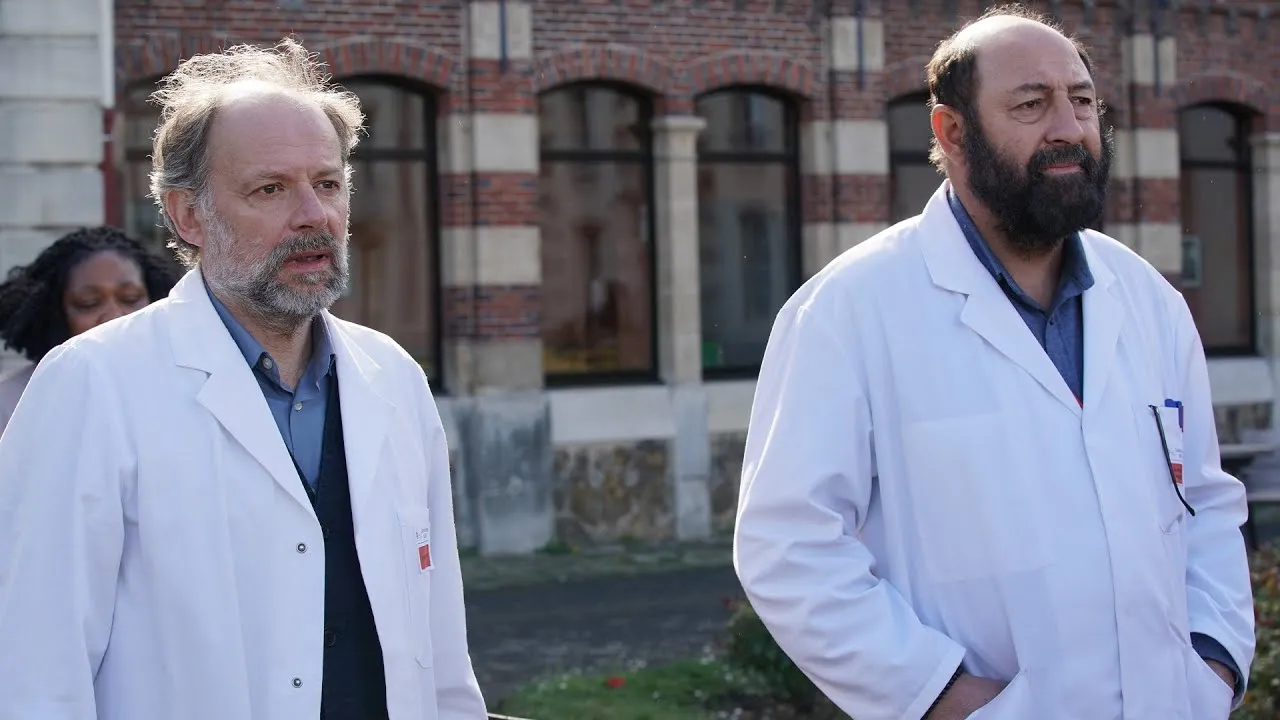

At 91, Costa-Gavras, master of political thrillers like Z (1969) and Missing (1982), switches his vision from geopolitical intrigues to the intimate universality of death in The Last Breath.
Inspired by Régis Debray and Claude Grange’s philosophical treatise, the film is less a narrative and more an intellectual meditation—an invitation to reflect on mortality alongside its aging author. True to form, Costa-Gavras approaches this serious issue with care, incorporating themes of dignity, autonomy, and existential fear into the fabric of modern healthcare.
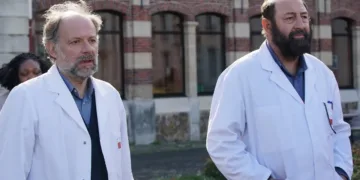
The film explores the friendship between Fabrice Toussaint, a philosopher (Denis Podalydès, neurotic yet adorable), and Dr. Augustin Masset, a palliative care specialist (Kad Merad, quietly commanding). Through an episodic narrative, the two encounter patients embodying diverse approaches to death: rebellion, tranquility, and denial.
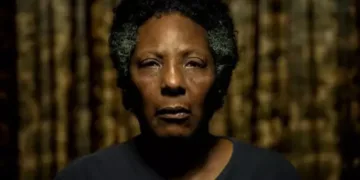
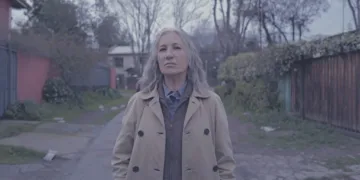
From Charlotte Rampling as an affluent woman demanding control over her death to Angela Molina as a Romany matriarch turning her final moments into a clan celebration, these vignettes explore the human condition with poignancy and intellectual rigor.
The Last Breath feels like a cinema course disguised as a philosophical seminar. The dialogue, peppered with references to Lacan and Houellebecq, is smart but occasionally alienating, emphasizing dispute over emotion.
While moments like Molina’s enthusiastic departure add vibrancy, the film’s bourgeois lens—privileged philosophers and well-appointed hospitals—destroys its universal message. Although Costa-Gavras, ever the political thinker, leaves class gaps in healthcare largely unaffected, death may be the great equalizer. Perhaps this omission says more than words.
Meditations on Mortality: Costa-Gavras and the Art of the ‘Good Death’
Costa-Gavras’ The Last Breath addresses the greatest human certainty—death—with clinical and emotional precision. The film avoids melodrama in favor of a meditative approach, delving into concerns of dignity, vulnerability, and how to best confront “the end” (a topic most of us would rather ignore).
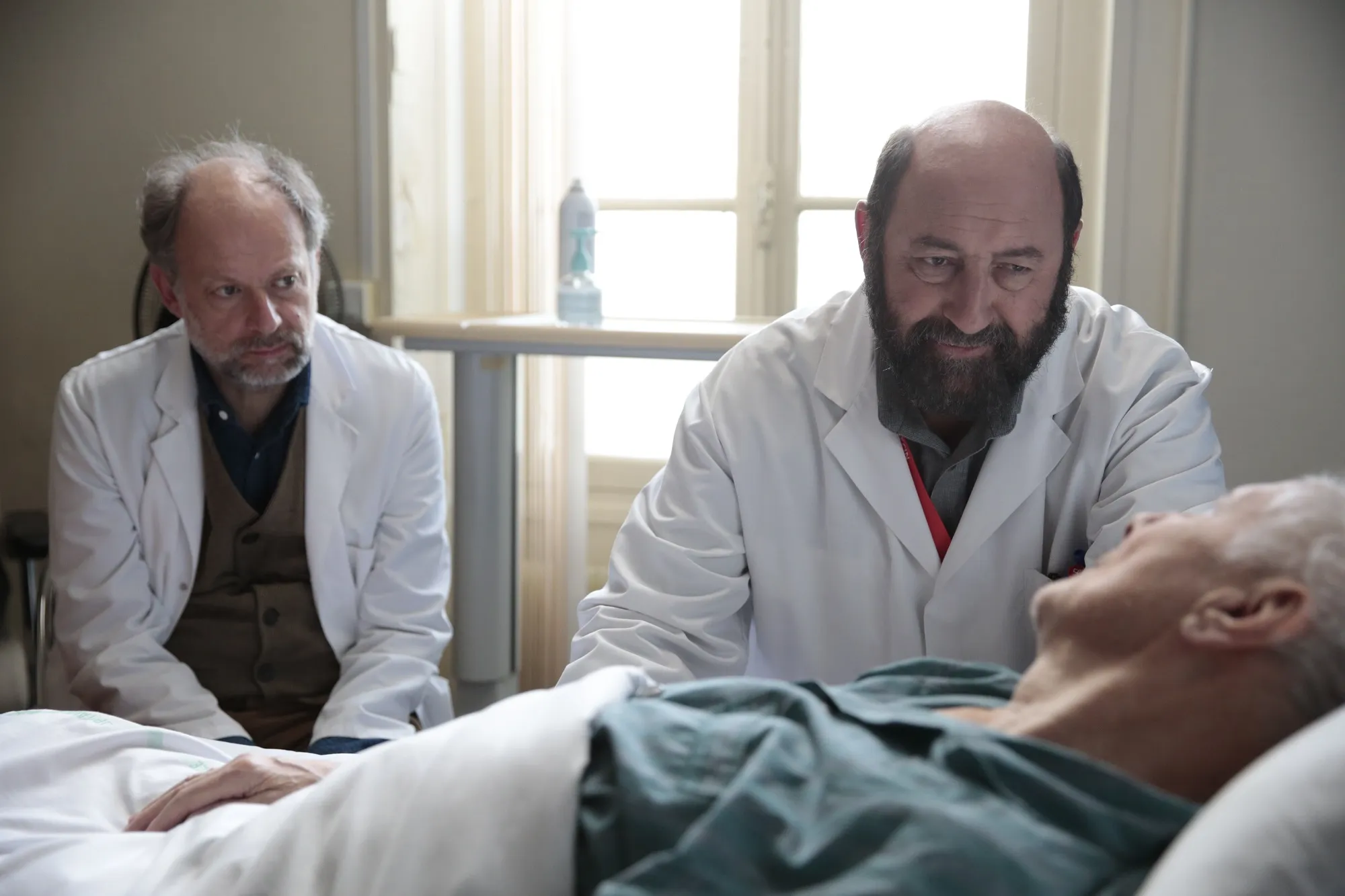
At its core is the concept of the “good death,” which oscillates between philosophical idealism and practical impossibility. Is it preferable to fight mortality tooth and nail, as the young cancer patient does, or to welcome it with tranquility, as Angela Molina’s Romany matriarch does in a concluding sequence that feels almost epic in its vibrancy? The film does not provide answers but rather a series of meditative vignettes, each of which is a case study of how the human soul deals with the void.
Interestingly, the contrast of Fabrice Toussaint’s philosophical reflections with the lived realities of terminal patients results in a quiet tension. As a philosopher, Fabrice is used to speculating about life’s fundamental concerns. Still, when faced with actual human suffering, his intellectual distance crumbles. The film argues that mortality is not a concept to be solved but rather an experience to be experienced (or endured) in uniquely personal ways.
A difficult ethical question is at the film’s heart: how much truth should we demand—or withhold—when lives are in the balance? Augustin Masset, the doctor, represents compassionate utilitarianism, delicately balancing honesty and hope. However, this meticulous calibration of truth feels far from the horrible realities of healthcare outside the film’s privileged world. The patients we encounter are unquestionably privileged—they are wealthy, educated, and receive excellent treatment. Costa-Gavras, whose previous films criticized electricity systems, appears weirdly uncritical here. The topic of who gets to die with dignity and who doesn’t remains unstated but undeniable.
If The Last Breath struggles in its narrow social focus, it excels in generating philosophical dialogue. The film’s chats, peppered with Lacanian references and existential reflections, are more concerned with encouraging introspection than achieving conclusions.
It feels like a cinematic salon, with characters debating mortality in the pace of jazz improvisation: thoughtful, meandering, and occasionally disturbing. Despite its intellectual rigor, the film does find moments of emotional clarity. For example, Angela Molina’s exuberant farewell is both a celebration of life and a submission to death. Costa-Gavras finds a unique balance between brain and heart in this work, making death not just the end but also the beginning of dialogue.
The Faces of Mortality: Character, Performance, and the Human Condition
Denis Podalydès gives a flawless portrayal of Fabrice Toussaint, a philosopher whose existential reflections on mortality are exacerbated by his hypochondriac inclinations. Fabrice is the typical intellectual: intelligent, talkative, and plagued by concerns contradicting the peace he craves.
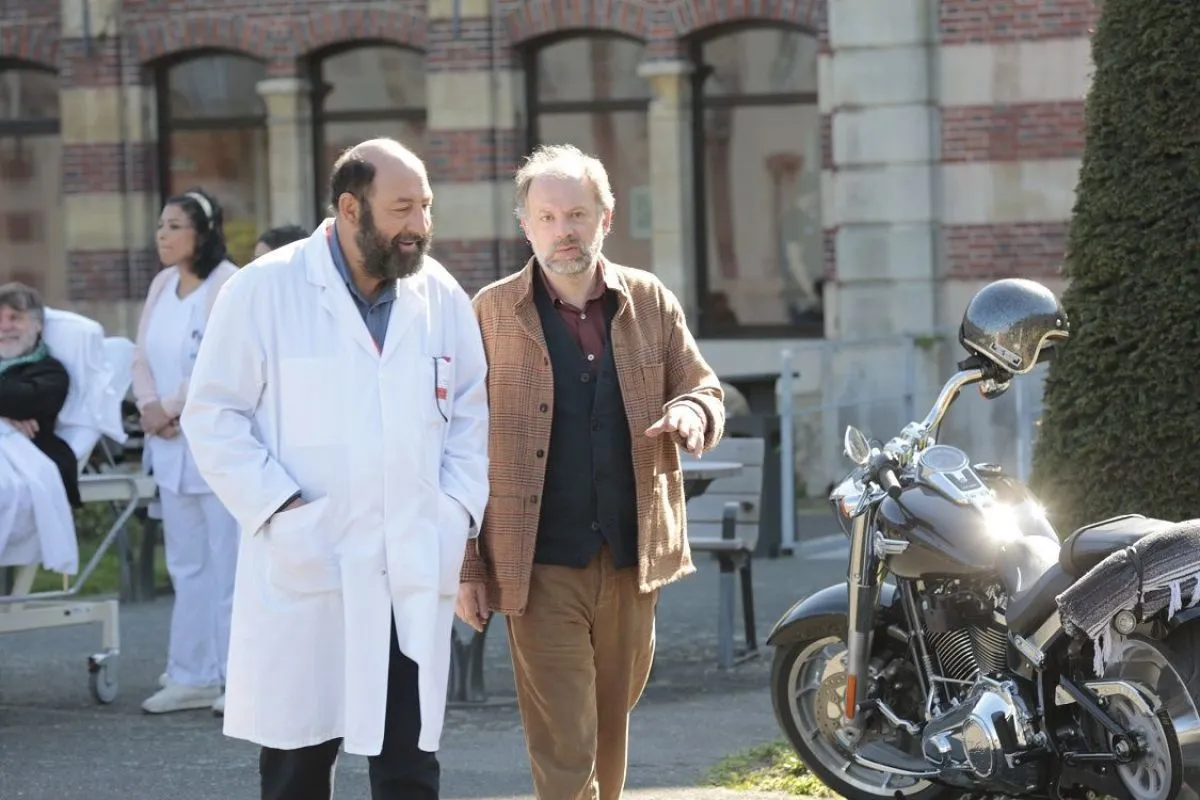
Podalydès imbues him with subtle humor (his discomfort during hospital visits is quietly humorous) and vulnerability, making his character approachable despite his lofty philosophical pretension. He represents the audience in many ways—a surrogate for our communal unease with mortality, veiled in intellectualism.
In contrast, Kad Merad’s Dr. Augustin Masset is a study in quiet empathy. Merad transforms what could have been a flat “wise guide” cliché into a nuanced portrait of a man who has witnessed death in all its manifestations while remaining profoundly human.
His cool attitude and quiet charm anchor the film, and his exchanges with Fabrice provide the emotional and intellectual center of the story. Together, Podalydès and Merad create an unusual duo—a philosopher who is scared to confront mortality and a doctor who does so daily—and their opposing viewpoints drive the film’s narrative and philosophical exploration.
Despite their brief appearances, the supporting characters provide some of the film’s most memorable moments. Angela Molina’s Emilia, a Romany matriarch, is a natural force. Her refusal to let death silence her—bringing her family, music, and even joy to the hospital—provides a stark contrast to the film’s quieter reflections on mortality. It’s a vibrant performance as if Molina is trying to squeeze every last drop of life from every moment, even under the shadow of death.
In contrast, Charlotte Rampling plays Sidonie, a patient who desires autonomy over her end-of-life decisions. Rampling’s steely resolve adds a layer of tension to the narrative, questioning the boundaries of control in the face of destiny. Meanwhile, Françoise Lebrun’s reconciled patient, Hiam Abbass’s fiercely protective wife, and Alain Libolt’s denial-ridden husband all reflect distinct aspects of humanity’s relationship with death—acceptance, resistance, and the chaos in between.
The film’s strength rests not just in its performances but also in the chemistry between its leads. Fabrice and Augustin’s chats are academically fascinating and quietly hilarious, alternating between philosophical sparring and therapeutic sessions. Their interaction shifts from polite detachment to true camaraderie, reflecting the film’s primary premise: mortality is a solitary journey, yet it is best undertaken with others. Their discussions, interspersed with existential musings and dry humor, provide the narrative’s pulse, making The Last Breath about life’s connections as much as its unavoidable end.
Fragments of Finality: Narrative, Structure, and the Art of Slow Reflection
Costa-Gavras structures The Last Breath as a series of vignettes, with each patient’s story serving as a self-contained allegory about the human encounter with mortality. This episodic format, while diverse, feels deliberate and fragmented—perhaps a reflection of how death resists tidy narratives.
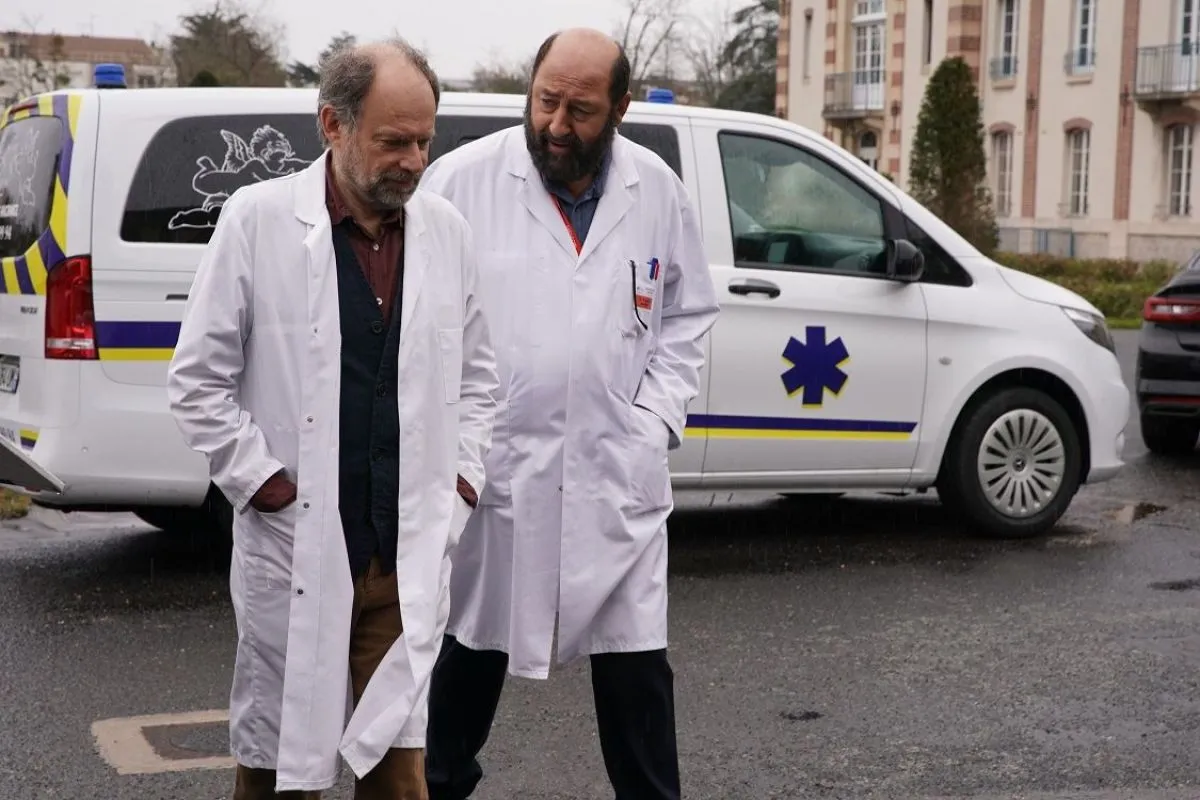
The film creates a panoramic perspective of our shared end through these glimpses into radically diverse lives (from Angela Molina’s joyous matriarch to Charlotte Rampling’s chilly pragmatism). However, this strategy is not without drawbacks. The narrative, while academically ambitious, might feel more like a philosophical patchwork than a unified story. It’s less of a traditional journey and more of a meandering dialogue with mortality, which some viewers may find exhilarating—and others frustrating.
Costa-Gavras’s refusal to lean toward the documentary format makes his approach particularly unique. Instead, he places his fabricated case studies within an explicitly intellectual context. The film’s primary exchanges between Fabrice and Augustin act as narrative glue, connecting the patients’ stories with philosophical speculations that feel like Socratic dialogues.
This decision to fictionalize (rather than simply document) allows the film to investigate not just death but the stories we create around it—how we intellectualize, dramatize, and, ultimately, humanize the unavoidable.
The film’s pace is best described as organized—an intellectual unfolding rather than a dramatic dash. Costa-Gavras favors thought over emotion, with long, quiet moments that stimulate introspection but occasionally challenge the patience of an audience used to more dynamic storytelling. It’s a long, thoughtful, deliberate burn, but one that may alienate viewers expecting emotional release. For those prepared to connect with its rhythms, The Last Breath provides a rare cinematic space to reflect seriously on life’s most painful certainties.
A Quiet Lens: Costa-Gavras’ Direction and the Visual Language of Mortality
Costa-Gavras, 91, directs The Last Breath with the knowledge of someone who has spent decades exploring humanity’s fault lines—this time, the battlefield is inside. The high-stakes political machinations of Z and Missing have been replaced by a more reflective, almost meditative tone. There’s a clear sense that this is a highly personal effort, with less emphasis on spectacle and more on stimulating dialogue.
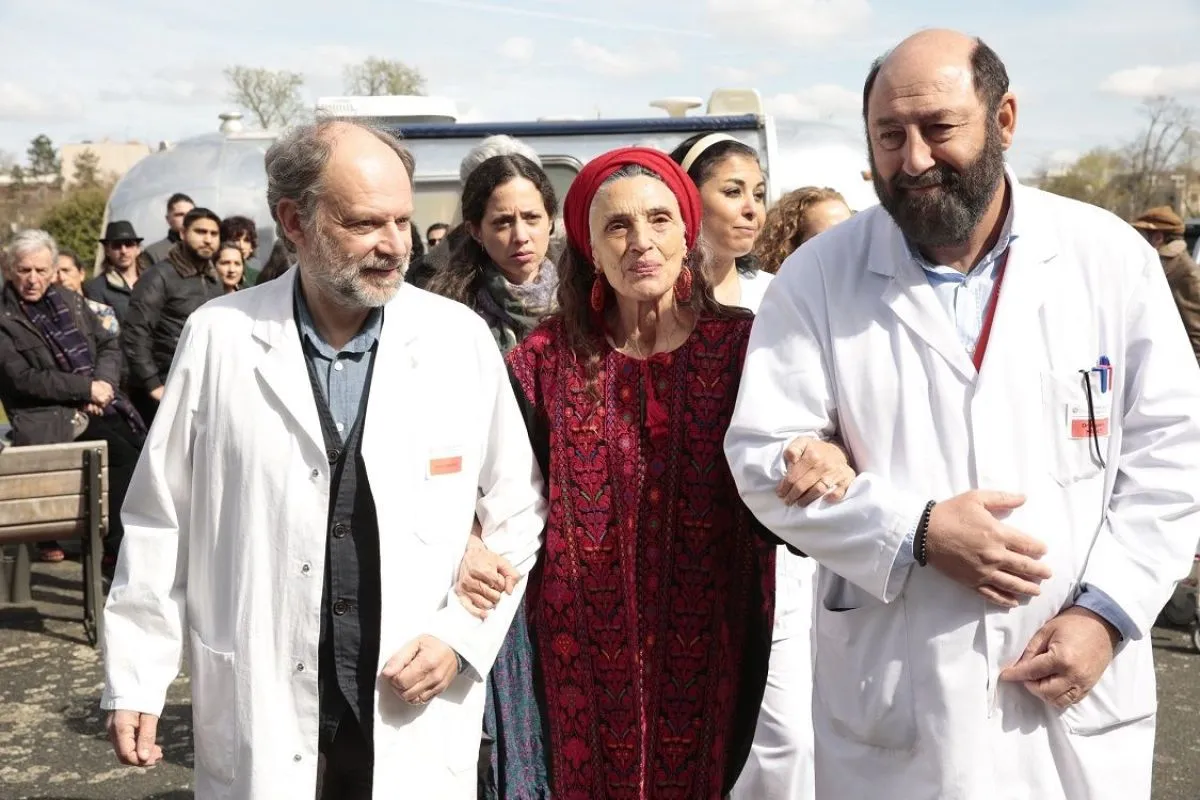
His direction is deliberate and leisurely, giving the audience space to reflect on the weight of a discourse or the quiet resignation in a character’s look. Crafted with precision, the dialogue is both probing and conversational—a rare balance that avoids conceit or sentimentality. Costa-Gavras appears to be orchestrating a philosophical symphony, with pauses and silences being as important as spoken words.
Visually, The Last Breath is as restrained as its topic requires. The muted color of hospital hallways and antiseptic medical facilities provides a stark backdrop for emotional and intellectual exchanges. The cinematography avoids overt stylization in favor of intimate, close-up shots that capture the characters in moments of vulnerability. This visual modesty reflects the conceptual focus of the film: death is not a spectacle but an unavoidable ability woven into the fabric of everyday life. The camera lingers just long enough to catch transient emotions—an apprehensive gaze, a resigned smile—without exaggerating them.
Costa-Gavras’ reliance on an ensemble cast is one of the film’s finest assets. Each patient becomes a microcosm of a distinct approach to death, and the variety of their answers gives depth to the narrative. Angela Molina’s Emilia is a life force in contrast to Charlotte Rampling’s icy determination, while Françoise Lebrun and Hiam Abbass provide softer, more subdued perspectives. These brief performances add to the film’s tapestry, ensuring that the story never feels monolithic. It’s a reminder that the experience of dying is as diverse as life itself.
Bearing Witness: The Emotional Weight and Societal Questions of The Last Breath
The Last Breath by Costa-Gavras is not a tearjerker in the usual sense, as it does not use soaring strings or melodramatic climaxes to trick the audience into crying. Instead, its emotional strength comes from its quiet, unadulterated honesty.
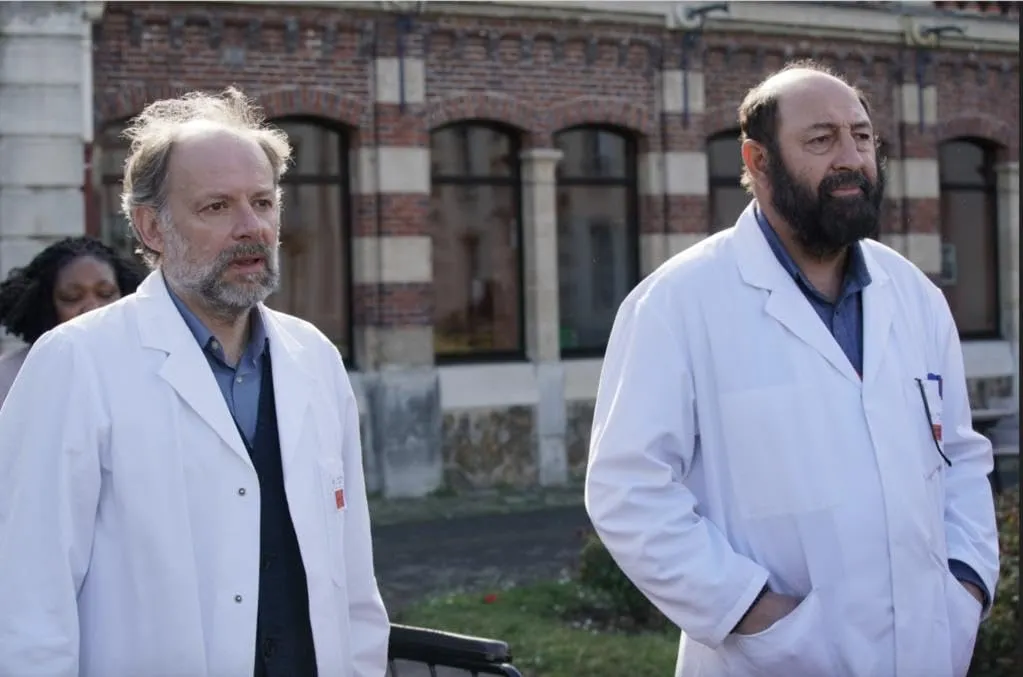
The patients’ stories mirror our worries and experiences, eliciting empathy without demanding it. Angela Molina’s Esmilia is especially memorable: her bright, rebellious farewell, complete with music and dance, transforms the hospital into a sacred space—a final act of life in the face of death. It’s an inspiring and sad moment, reminding us that joy and pain are frequently inextricably linked.
On the other end of the spectrum, Charlotte Rampling’s Sidonie has a cold, uncompromising determination to control her death. Her portrayal of dying generates unease, even admiration, as she strips it of sentimentality and reduces it to a deliberate act of autonomy. These moments—joyful and clinical—frame the film’s emotional range and encourage the audience to reflect on their relationship to mortality.
The film highlights important societal themes regarding the accessibility of dignified death beneath its tales. The patients we see—philosophers, artists, and matriarchs—live in a world of privilege where palliative care is kind and bountiful. But what about the millions for whom death is not a controlled negotiation but an unending chaos? Costa-Gavras does not directly address this disparity, but the absence is obvious, even accusing.
The film also encourages viewers to contemplate unpleasant introspection: how do we wish to die? What exactly does dignity entail in the context of caregiving? It’s a sobering reminder that death is more than just a personal milestone; it’s influenced, for better or worse, by the culture in which we live. And, like life, it is rarely fair.
A Final Curtain: Death, Cinema, and Costa-Gavras’ Legacy
The Last Breath is more of a philosophical reflection than a film, a reflective essay on mortality conveyed in cinematic language. It abandons the norms of dramatic storytelling in favor of a quieter, more meditative approach, enabling spectators to grapple with the unavoidable realities of life and death.
While its episodic structure and intellectual bent may turn off viewers seeking narrative urgency, the film’s emotional depth and frank honesty about the human condition leave a lasting effect. It’s a unique work that appeals to both the mind and the heart, balancing moments of poignancy (Esmilia’s vivid farewell, for example) with challenging ethical considerations about autonomy, caregiving, and what it truly means to die with dignity.
At the age of 91, Costa-Gavras has crafted a deeply personal work that feels like the culmination of his lifelong devotion to exploring humanity’s most important concerns. Known for his political thrillers that expose structural injustices, he now looks inward, addressing a common yet frequently overlooked subject: our relationship with death. The film’s thoughtful treatment of mortality places it as an important contribution to the modern conversation on end-of-life care. This issue is gaining traction in an aging world.
Costa-Gavras’ The Last Breath reminds us that even after the credits roll, his cinema continues to provoke, illuminate, and dignify the complexity of human existence. In many ways, it is hisacy—a delicate but firm affirmation that filmmaking, like life, is most important when it tackles the unavoidable.
The Review
Last Breath
The Last Breath is a moving, intellectually dense meditation on mortality that prefers philosophical dialogue to traditional narrative drama. Costa-Gavras' thoughtful directing and brilliant ensemble cast provide poignant moments of emotional resonance. Still, the film's episodic structure and upper-class focus may feel disconnected from larger societal realities. While it occasionally leans more toward intellectual exercise than cinematic storytelling, its quiet effectiveness stems from prompting vital debates about dying with dignity. At 91, Costa-Gavras creates a truly humanistic work that is timeless and immediately contemporary.
PROS
- Thoughtful exploration of mortality and dignity in dying.
- Stellar performances from Denis Podalydès, Kad Merad, Angela Molina, and Charlotte Rampling.
- Intellectually engaging, with philosophical depth and ethical complexity.
- Quietly emotional moments that resonate without overt sentimentality.
- Bold in addressing societal taboos about death and end-of-life care.
CONS
- Episodic structure lacks dramatic cohesion and momentum.
- Overemphasis on upper-class perspectives, limiting wider relatability.
- Slow pacing may alienate viewers seeking more emotional urgency.