




























In My Eternal Summer, filmmaker Sylvia Le Fanu immerses us in the painful world of Fanny, a 15-year-old girl dealing with the approaching death of her mother, Karin. Set against the tranquil backdrop of a coastal Danish summer, the film unfolds like a delicate tapestry stitched with threads of familial love and existential dread.
Fanny’s sun-soaked days are marred by the reality of her mother’s fatal illness, a spectre that hangs over every seemingly blissful moment. As Fanny navigates the dangerous waters of adolescence, she is forced to confront the profound pain that comes with the fragility of life—a stark contrast to the joyous abandon often associated with summer.
The film’s emotional terrain is rich and complex, diving deeply into the intricacies of grief and the unwavering love that binds this family. Le Fanu avoids melodrama in favour of a nuanced, almost clinical portrayal of the family’s struggle to maintain their sense of normalcy in the face of approaching loss.
This distinct approach enables the audience to sit with the anguish of mortality, allowing everyday life rituals—beach picnics, quiet conversations—to reverberate with frightening beauty. How do we love folks who are dying? The film asks us to ponder. How do we keep the essence of our relationships in the face of the unstoppable march of time? We are drawn into a meditation on the nature of existence via Fanny’s eyes, where joy and sorrow merge in a dance as old as life.
The Depths of Family: A Character Study in My Eternal Summer
Fanny, the film’s teenage protagonist, emerges as a vessel of conflicting feelings, reflecting the upheaval of adolescence combined with the weight of imminent loss. Her journey is more than just that of a daughter grieving her mother’s death; it is a moving examination of identity in crisis. Fanny alternates between young innocence and the hard truths of her mother’s terminal illness as she navigates her final summer with Karin.
Her relationships become a mirror of her psychological struggle: With her father, Johan, she seeks connection despite his stoic façade, while with her boyfriend, Jamie, she seeks solace but finds herself constantly disappointed. Each connection serves as a reminder of the fragility of life and the complexities of love, leaving Fanny in a constant state of longing—both for her mother’s presence and for some sense of normalcy in her chaotic world.
Karin played with grace and depth, is more than just the embodiment of illness; she is a multifaceted character whose presence resonates throughout the film. Her fatal illness alters the family dynamic, imbuing every interaction with a sad undertone.
As the mother becomes more involved in Fanny’s life, her illness becomes a quiet spectre, casting shadows on moments of joy and light. However, Karin’s depth is conveyed through more than just despair; she embodies resilience and caring for her daughter even as she faces the abyss. The complexities of her character encourage reflection on the nature of parenting and the sacrifices inherent in love—how does one prepare a kid for loss while also holding to the beauty of shared moments?
The father, Johan, navigates his emotional maze, caught between the urge to support his wife and the instinct to protect his daughter from despair. His stoicism frequently conceals a flood of grief, leaving Fanny yearning for comfort. Their connection, rife with unspoken concerns, embodies the struggle to keep familial bonds intact in the face of disaster.
Johan’s attempts to express love frequently fall short, reminding us that words can become insufficient in the silence of pain. As he grapples with the coming void, his journey becomes a meditation on our roles in the lives of those we care about—how can we combine our grief with the desire to be a pillar for others? Even as we confront the inevitability of loss, the characters in My Eternal Summer ask us to reflect on the profound ties that define our existence via their collective struggle.
Love and Loss: The Interwoven Threads of My Eternal Summer
My Eternal Summer depicts love as a complicated tapestry weaved ingeniously through the threads of familial relationships and personal sacrifice. The film wonderfully depicts how love can nourish and suffocate, offering peace while threatening to unravel beneath the weight of imminent loss.
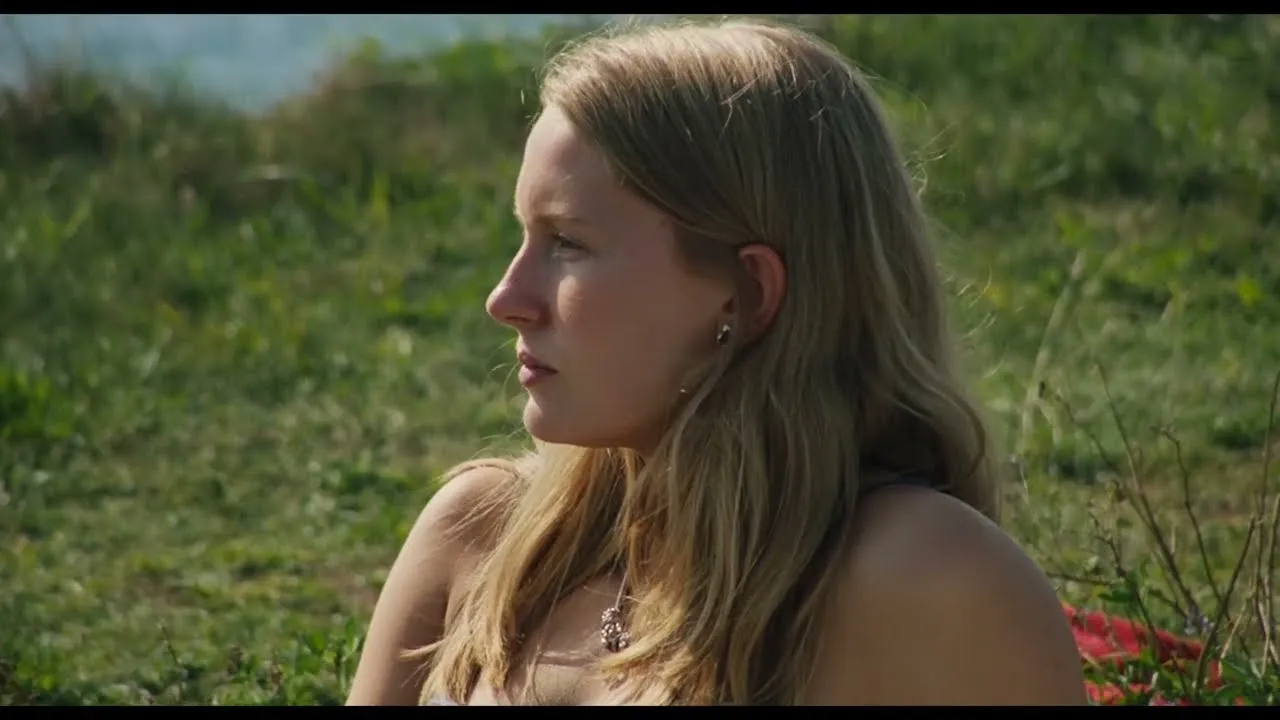
Fanny’s connection with her mother, Karin, is a moving examination of this dichotomy—each shared moment becomes a sacred act of defiance against the looming gloom. The peaceful rituals of their summer days, from shared meals to emotional discussions, serve as a monument to love’s enduring power, implying that even in the face of death, love remains a vital force, holding them together amidst the chaos of grief.
However, the film does not ignore the darker undercurrents of this emotional environment. Fanny’s grief journey unfolds in several sad stages, each defined by a struggle to realize the depth of her loss. She grapples with her emotions, from denial to wrath, and is frequently caught in a web of confusion and despair.
The commonplace moments of family existence—laughter overwhelmed by silence, shared glances weighted with unsaid fears—show how grief infiltrates everyday life, becoming an unwanted but unavoidable companion. This examination of grief is gently depicted as Fanny alternates between the longing to cling to her mother and the instinct to flee into the warm arms of adolescence.
The film asks us to ponder the existential problems that arise in the wake of loss: How do we navigate love when it is intertwined with sorrow? Through her journey, how does the specter of death alter our understanding of connection? My Eternal Summer reveals the tremendous complexities of the human experience in the silent gaps between words and acts.
The Rhythm of Time: Narrative and Pacing in My Eternal Summer
My Eternal Summer follows a narrative emphasis that spans a transformative summer, inviting viewers to immerse themselves in the short yet significant moments that define Fanny’s world.

This limited timescale allows the film to examine the delicate interplay between the ordinary and the extraordinary, where everyday activities—picnics by the beach and peaceful evenings in the family home—become vessels for emotional depth. In these seemingly insignificant snatches of life, the film depicts the essence of existence: a collection of ordinary moments tinged with the weight of imminent loss.
The film’s pacing is leisurely, evoking a sense of languidity that mirrors the gradual passage of summer days. Each scene stays just long enough to elicit reflection, allowing viewers to sit in the unpleasant silence that comes with grief.
This slow cadence creates a sad atmosphere, enhancing the anticipation of what is next. As the countdown to Karin’s untimely death looms, the viewer is drawn into a space where time feels both expanded and constricted, heightening the narrative’s fundamental questions: How can we reconcile the beauty of life with the certainty of death? In this time rhythm, My Eternal Summer becomes a meditation on the transitory nature of joy as well as the long-lasting wounds of love and loss.
The Aesthetics of Memory: Visual and Auditory Language in My Eternal Summer
The cinematography in My Eternal Summer is a poignant brushstroke on the canvas of Fanny’s fading summer, reflecting the fleeting beauty of life intermingled with the shadows of approaching loss. The film’s visual approach is both luminous and personal, using natural light to highlight the subtle shades of emotion. Sunlight pours through the woods, creating dappled shadows that dance across Fanny’s face, softly reflecting her inner struggle.

Each frame is precisely designed, transforming ordinary scenes into moments of profound found meaning. The camera frequently focuses on minute details—a hand brushing across a sun-warmed surface, the delicate sway of grass in the breeze—each reminding us of the fleeting nature of existence. This attention to visual detail heightens the narrative’s emotional weight, allowing viewers to fully engage with Fanny’s journey through a beautiful and painful world.
The sound design and score enhance the film’s emotional setting by surrounding the audience with a tapestry of auditory textures. The mournful blend of strings and gentle piano music ebbs and flows with the tide, echoing the film’s major themes of love and loss. In quieter moments, the soundtrack fades away, allowing the natural noises of the environment—the rustle of leaves, the distant crash of waves—to fill the space, creating a contemplative mood.
The combination of sound and silence creates a sense of intimacy, bringing viewers closer to the characters’ psychological problems. My Eternal Summer goes beyond conventional visual storytelling, inviting us to reflect on the transitory nature of memory and the haunting beauty that stays long after the summer sun has set.
Echoes of Existence: Cultural Resonance in My Eternal Summer
My Eternal Summer emerges as a moving study on Scandinavian cultural attitudes toward death and family. It captures a worldview that values both stoicism and tenderness. In this environment, death is more than just the end of life; it is intertwined with threads of acceptance and collective grief.

The film expertly navigates the hidden rituals associated with loss, illustrating how families frequently communicate in quiet tones and shared glances rather than via outward displays of sorrow. This nuanced portrayal inspires viewers to consider their relationships with mortality, questioning that grief is purely a private experience. It transforms into a shared experience, binding family members together even as they face the abyss of separation.
Sylvia Le Fanu’s directorial debut marks a watershed moment in contemporary cinema, highlighting the importance of female voices in storytelling. In a medium dominated by male perspectives, her lens provides a new, sympathetic perspective that broadens our understanding of complicated emotional landscapes.
Le Fanu’s examination of Fanny’s coming-of-age amid tragedy resonates with a larger audience, illuminating universal themes of love, loss, and resilience. The film enriches cinematic conversation by focusing the narrative on a young lady wrestling with existential problems. It emphasizes the importance of multiple perspectives in conveying the intricacies of human experience. As a result, My Eternal Summer emerges not only as a personal story but also as a cultural artefact that addresses the heart of being human.
The Resonance of Loss: Reflections on My Eternal Summer
My Eternal Summer has an enduring impact on the viewer, creating a rich tapestry of emotional complexity and philosophical depth. Through Fanny’s moving journey, the film digs into the heart of familial love, exploring how such relationships can uplift and fracture under the weight of grief.

The subtle representation of Karin’s illness and its impact on the family resonates with a chilling authenticity, inviting audience members to confront their understanding of love and mortality. The cinematography and soundtrack heighten the emotional impact, creating a sensory experience long after the credits roll.
When reflecting on this film, one can’t help but admire its contribution to the conversation of familial love and loss.
Sylvia Le Fanu’s debut novel provides a refreshing perspective, reminding us that there is an opportunity for connection and understanding behind the shadows of grief. It encourages us to appreciate the transitory beauty of life, value our relationships, and accept the enormous complexity of human existence—a truth that is both uncomfortable and wonderful.
The Review
My Eternal Summer
My Eternal Summer is a brilliantly written meditation of love and loss, expertly balancing the weight of grief with delicate moments of familial connection. Sylvia Le Fanu's moving direction and nuanced performances bring Fanny's journey to life, immersing the viewer in a contemplative look at mortality and memory. The film's visual and audio aspects add to its emotional depth, making it a memorable experience. This moving debut highlights the importance of many perspectives in cinema, inviting spectators to reflect on the complexities of human existence.
PROS
- The film offers a profound exploration of grief and familial love.
- Kaya Toft Loholt and the cast deliver nuanced, heartfelt performances.
- Beautifully shot, capturing the essence of summer and the weight of the narrative.
- Reflects realistic Scandinavian attitudes toward death and family dynamics.
- Encourages reflection on mortality, memory, and the complexities of human relationships.
CONS
- Some viewers may find the slow pace challenging.
- The understated approach to emotions might leave some feeling disconnected.
- Certain characters, like Johan, could benefit from deeper exploration.