




























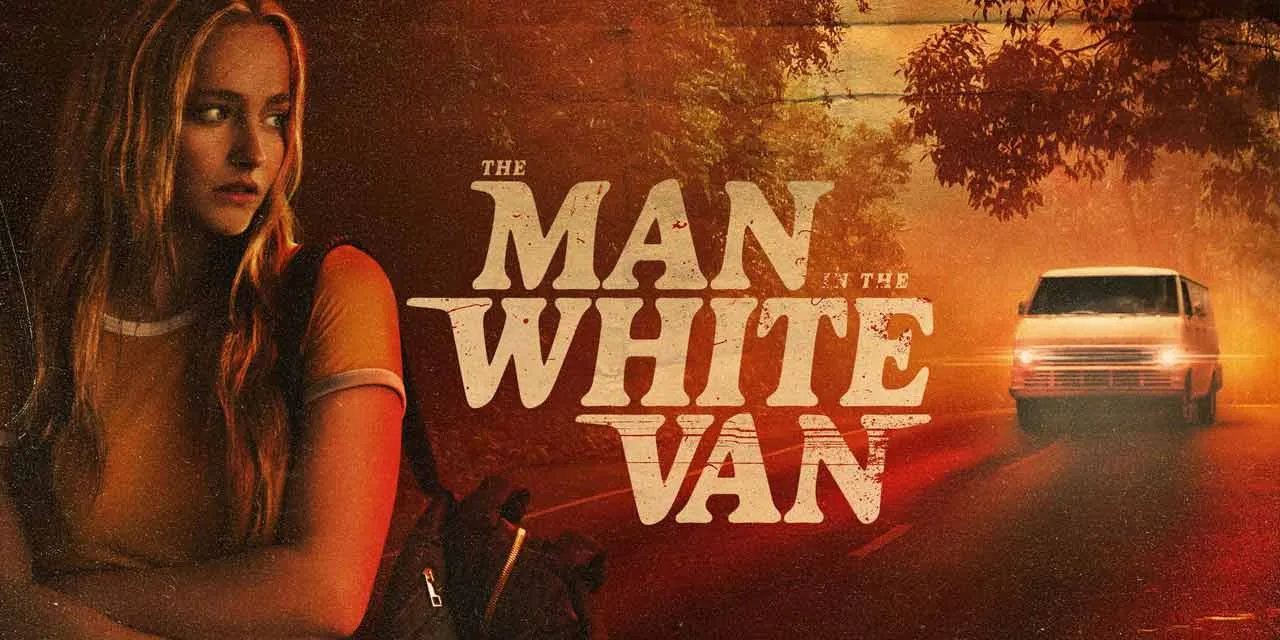

“The Man in the White Van” arises from the deep depths of true crime, primarily based on the real-life tragedies of Billy Mansfield Jr. The film follows Annie (Madison Wolfe), a 15-year-old tomboy whose fears about a lurking white van are dismissed by her family in 1970s Florida when the American Dream still murmured promises of safety. This dismissal reflects a greater societal inclination to discredit young women’s fears, as if teen paranoia were widely acceptable.
As the narrative progresses, The white van becomes a modern-day boogeyman, symbolizing the threat to youthful innocence. It reveals an unsettling truth: danger is often hidden in plain sight. The film’s tempo, as it meanders through teenage trivialities, parallels the slow development of real-life dangers when disbelief and denial set in.
Finally, “The Man in the White Van” addresses societal concerns about child safety, emphasizing the repercussions of ignoring warning signs. It reminds us that often, the most terrible monsters are those we don’t recognize.
The Haunting Landscape of “The Man in the White Van”
At its core, “The Man in the White Van” is a terrifying narrative about Annie (Madison Wolfe), a 15-year-old tomboy whose life is upended by the creeping presence of a white van. The film begins in a rural Florida suburb in 1975, with sun-soaked streets concealing an undercurrent of danger.
Annie’s fears, however, are dismissed by her family—her pious parents (Ali Larter and Sean Astin) and her prim older sister (Brec Bassinger), who blame her anxiety on usual adolescent overreactions. (Ah, the time-honored “not believing the girl” cliché.
As the story progresses, we are treated to several important moments that amplify the tension: glimpses of the van, unnerving interactions, and memories that hint at the killer’s earlier victims. These bits interrupt Annie’s normally humdrum adolescent experiences, in which she juggles her first crush and the trials of growing up.
Also Read






The film’s tempo, which can be glacial at times, serves two purposes: it reflects the insidious, creeping nature of real-world situations, where danger sometimes lurks undiscovered until it’s too late.
The 1970s Florida backdrop setting is crucial to the film’s vibe. The American Dream was still alive then, but societal ills cast long shadows. The brilliant colors and fashion of the era contrast with the prevalent threat, creating a dissonance that heightens the viewer’s discomfort. The white van, a symbol of danger, becomes an emblem of a darker reality hiding beneath the surface of suburban life, evoking the very real fears that parents faced during a time when serial killers first entered the cultural awareness.
In this sense, the film evokes the ghost of a specific historical character and delves into broader concerns about safety, particularly among young women. It challenges us to confront the question: how frequently do we ignore danger because it is disguised as familiar?
Unraveling Innocence: A Character Study in “The Man in the White Van”
At the core of “The Man in the White Van” is Annie Williams, portrayed earnestly by Madison Wolfe. Annie is more than just a teenager dealing with the trials of puberty; she epitomizes the fundamental struggle of being unheard.
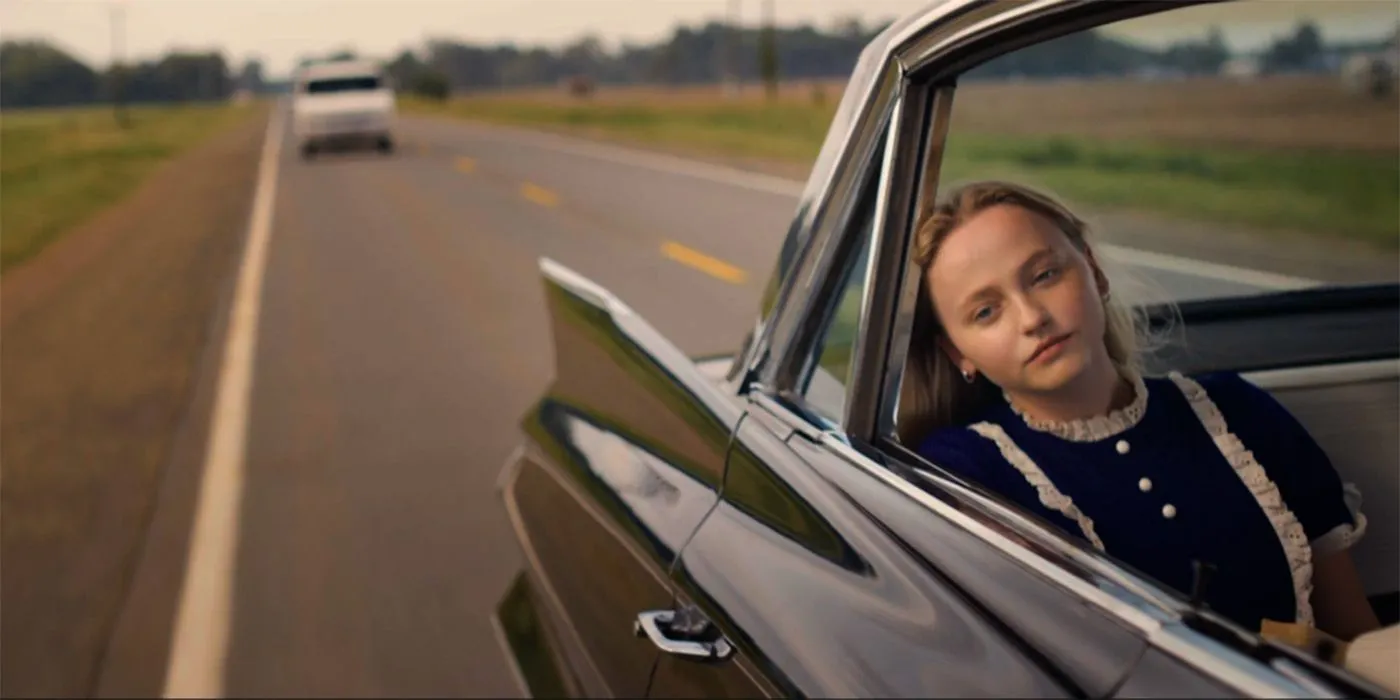
Her character development is a nuanced depiction of the fragile balance between childhood innocence and the harsh realities that threaten it. As she navigates her tomboyish personality and emerging femininity, the scary white van is a powerful metaphor for women’s subtle challenges in society and within their own families.
Annie’s family dynamics have a big impact on her perception of danger. Her parents, Hellen (Ali Larter) and William (Sean Astin) are archetypal dismissive guardians who allege established notions of safety and normalcy, blinding them to the real threats lurking in the shadows. This interaction produces an unsettling “boy who cried wolf” scenario in which Annie’s valid fears are trivialized, leaving her to deal with isolation in her vulnerability. The film discreetly criticizes this dismissal, implying that it may not be just teenage imagination at work but a societal reluctance to confront the facts of predatory behavior.
Supporting characters play an important role in Annie’s journey. Her older sister, Margaret (Brec Bassinger), exemplifies a typical adolescent experience—obsessed with appearances and social status—which distracts from the very real horror unfolding in their lives. Meanwhile, Annie’s connection with Patty (Skai Jackson) is a lifeline, providing a glimmer of understanding among familial suspicion. Patty listens, albeit with a trace of skepticism, mirroring Annie’s fears.
Even this connection reflects societal dynamics; if Annie’s fears are dismissed by her family, how can she expect to be validated by peers who are also caught up in the trappings of adolescence? This interplay of relationships focuses on the film’s fundamental theme: the struggle for a voice in a world that frequently silences the defenseless. As Annie’s dread grows, her quest for recognition becomes more than a personal battle; it also serves as a bigger statement on societal responsibility to listen—to hear the warnings of people who sense danger.
The Fragility of Trust: Thematic Depth in “The Man in the White Van”
“The Man in the White Van” explores puberty-related topics, including the fragility of trust. The film’s central theme is the coming-of-age narrative linked to vulnerability and dread. In her struggle against the encroaching darkness depicted by the titular van, Annie Williams reflects on the inherent fears of growing up.
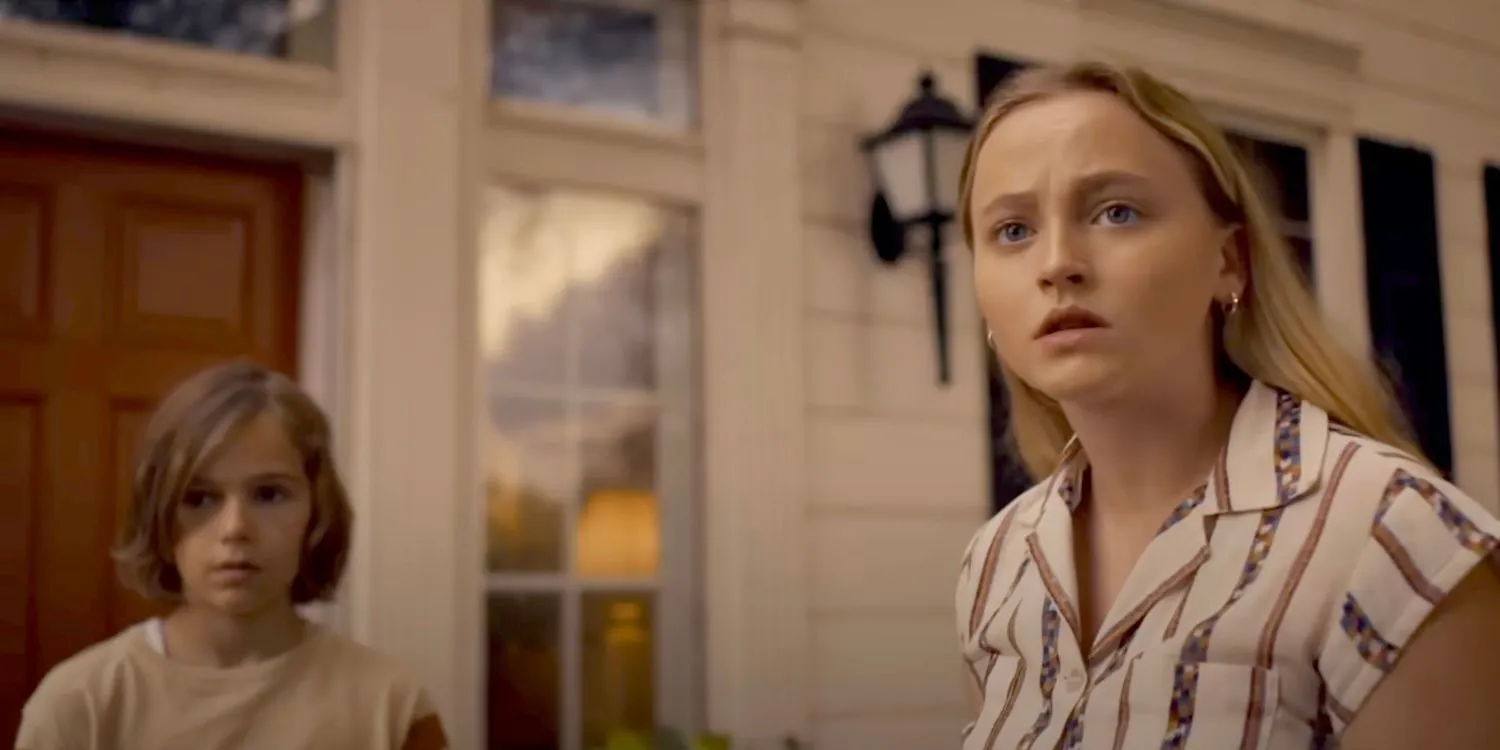
Adolescence, typically romanticized as a carefree time, is depicted here as loaded with danger—a period in which every shadow could conceal a threat and every whisper of doubt could turn into a symphony of horror.
Annie’s experiences are more than just personal angst; they represent greater societal fears about safety, particularly among young girls. The film brilliantly uses the white van to symbolize the predatory risks lurking beneath the surface of suburban life, mirroring real-world concerns that parents encounter daily. It forces spectators to confront an uncomfortable truth: that youthful innocence is frequently a ruse, readily shattered by the harsh realities of adulthood.
The narrative’s pervasive theme of trust and credibility is equally fascinating. Annie’s fears are dismissed by her family and societal norms that shape how young women’s voices are heard. This dismissal is more than just annoying; it bears psychological weight. As Annie gets increasingly alone in her fears, the film explores the consequences of being ignored. The psychological toll of this isolation manifests as a sense of impotence, a sentiment shared by countless others whose warnings are ignored.
In a culture where the “cry for help” frequently goes unheard, the film serves as a sobering reminder of the importance of listening. It encourages viewers to consider the societal inclination to minimize feminine anxieties—an omission that can have disastrous effects. The narrative revolves around the tension between belief and disbelief, calling into question not only Annie’s trustworthiness but also the basic fabric of trust that holds families and communities together.
Crafting Suspense: Direction and Cinematography in “The Man in the White Van”
Warren Skeels’ directorial approach in “The Man in the White Van” is a subtle tango between tension and mood, expertly utilizing thriller genre cliches while establishing a distinct character. Skeels, making his feature film debut, demonstrates a fine sense of timing that alternates between lazy teenage conversation and heart-pounding confrontations with dread.

The film frequently lingers—perhaps a little too long—on Annie’s daily life, amplifying the impact of the horror that ultimately intrudes. (One could even argue that the pacing veers toward a “slow burn,” a term that is both adored and hated in cinematic circles.)
This methodical pace creates a sense of unease, bringing viewers into Annie’s world as the white van gets closer. However, this strategy reveals a contradiction: while the gradual building is designed to create suspense, it can occasionally lose the audience’s attention. It’s a tightrope act, and while Skeels occasionally slips, the overall impression is one of growing dread, which resonates with the film’s themes of isolation and vulnerability.
Visually, the film pays homage to the 1970s, evoking an era characterized by innocence and underlying danger. The cinematography, directed by Gareth Paul Cox, uses a genuinely antiquated palette of muted pastels and warm earth tones that evoke nostalgia while hinting at underlying horror. Lighting is important in this scene; shadows extend and loom, creating an almost sentient quality in the familiar suburban environment. The white van is a strong contrast, a dark blight on an otherwise peaceful canvas, and is frequently framed against the bright sunshine.
Each shot’s careful composition enhances the visual narrative even more. The framing frequently isolates Annie from her surroundings, visually expressing her emotional and psychological state. This tactic heightens her estrangement, making her an outlier in a sea of disbelief. The film’s style does more than just reproduce a bygone era; it also serves as a character in and of itself, helping to amplify the tension and highlight the constant sense of dread accompanying Annie like a shadow.
Skeels’ directing and Cox’s cinematography collaborate to create a chilling mood that resonates far beyond the screen. The film challenges audiences to confront their own fears and the societal narratives that shape them in a world where the mundane may become terrifying in an instant.
The Auditory Landscape of Fear in “The Man in the White Van”
In “The Man in the White Van,” sound design is critical in creating an atmosphere of tension and impending dread. The film effectively uses a variety of sound effects that are just as important as the pictures, employing aural cues to evoke visceral reactions from the audience. From the foreboding buzz of the titular white van’s engine to the disturbing creaks of an abandoned house, each sound is carefully selected to heighten tension. (It’s almost as if the van had its creepy soundtrack playing just beyond the screen.)
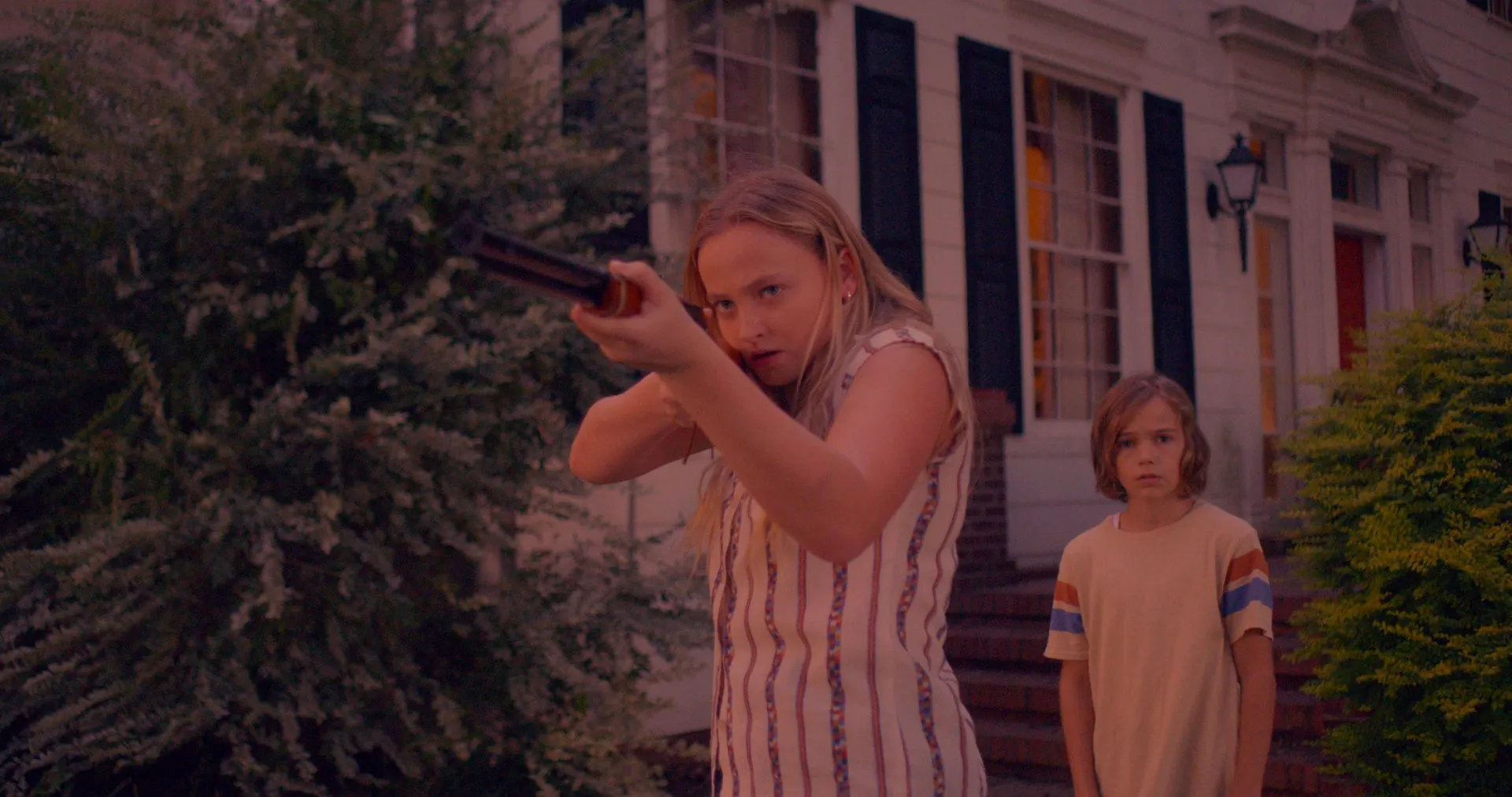
One particularly effective moment happens when Annie is alone in her room, and the distant rumbling of the van is a terrifying reminder of her isolation. This sound, sneaking into the auditory foreground, elevates an ordinary teenage moment to a heart-pounding experience with horror. The juxtaposition of commonplace sounds—children laughing outside, birds chirping—against the gloomy backdrop of the van produces dissonance, emphasizing the film’s themes of innocence destroyed.
The musical composition comprising synthesizers and orchestral components is equally gripping, evoking a sense of nostalgia while heightening the horror. The score practically acts as a character in the narrative, punctuating moments of anxiety. For example, during Annie’s initial meeting with the van, the music crescendos, turning what could have been a routine scenario into a heart-stopping event.
The use of musical motifs, which are subtle yet haunting, connects Annie’s emotional journey to the film’s overall themes. As her fears grow, the score transitions from a lighthearted undertone to a more frightening pace, symbolizing her spiral into psychosis. This brilliant interaction of sound and story improves the film’s tone and emphasizes the psychological ramifications of Annie’s experiences.
In a broader cultural context, the sound design and musical soundtrack represent societal fears about youth safety and vulnerability. They force viewers to confront the painful truth that danger frequently lurks beneath the surface of normal life. The aural aspects of “The Man in the White Van” encourage viewers to pay great attention—not merely to the sounds on screen but also to the underlying messages of trust, belief, and the importance of understanding the fears of the weak.
Aesthetic Realism: Production Quality in “The Man in the White Van”
The entire production quality of “The Man in the White Van” is excellent, with great attention to detail that transports viewers to the 1970s.
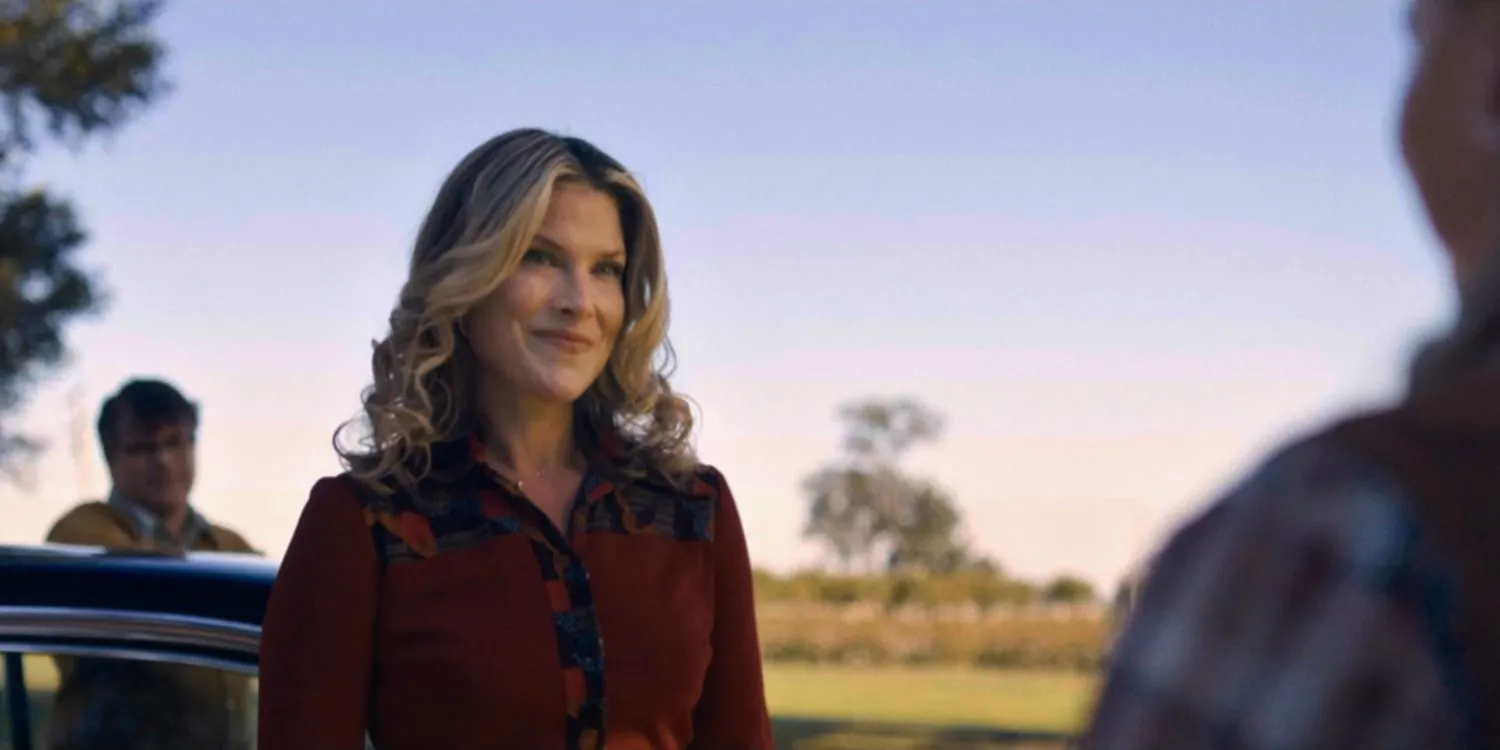
The set design evokes the atmosphere of suburban life in this era, from the pastel-hued interiors to the sun-drenched exteriors that contrast innocence with looming danger. (One may even experience a sense of nostalgia for the days when shag carpets and wood-paneled walls characterized household bliss—before we all decided that minimalism was the way to go.)
Costumes add to this authenticity, with individuals clothed in period-appropriate garb that reflects not just their personalities but also the societal standards of the time. Annie’s tomboyish outfit, complete with baggy shirts and sneakers, reflects her struggle for uniqueness in a world that frequently expects conformity. This attention to detail is more than just aesthetically pleasing; it also serves as a visual reflection of the film’s themes of innocence and vulnerability.
While the film’s production elements add to its authenticity, they occasionally overpower the narrative’s rhythm. The beautiful graphics sometimes detract from moments of tension, causing momentary lulls in engagement. However, this dedication to authenticity prompts further contemplation of the film’s cultural significance. It forces viewers to confront the fears of the era and those that persist now, making “The Man in the White Van” a moving examination of the fragility of youthful safety in a world filled with hidden dangers.
The Review
The Man in the White Van
"The Man in the White Van" expertly weaves themes of vulnerability and societal fears into a finely constructed 1970s image. While the tempo occasionally falters, the outstanding performances and eerie sound design add to the film's impact. It serves as a powerful reminder of the perils lurking behind the surface of suburban life, echoing the current challenges of trust and belief. This disturbing film about adolescence is both relevant and timeless.
PROS
- Strong performances, particularly by Madison Wolfe.
- Effective sound design that enhances suspense.
- Authentic 1970s aesthetic in set design and costumes.
- Engaging exploration of societal fears and vulnerability.
CONS
- Pacing issues that can lead to moments of disengagement.
- Some narrative elements may feel predictable.
- Occasional overemphasis on visual detail at the expense of tension.