






















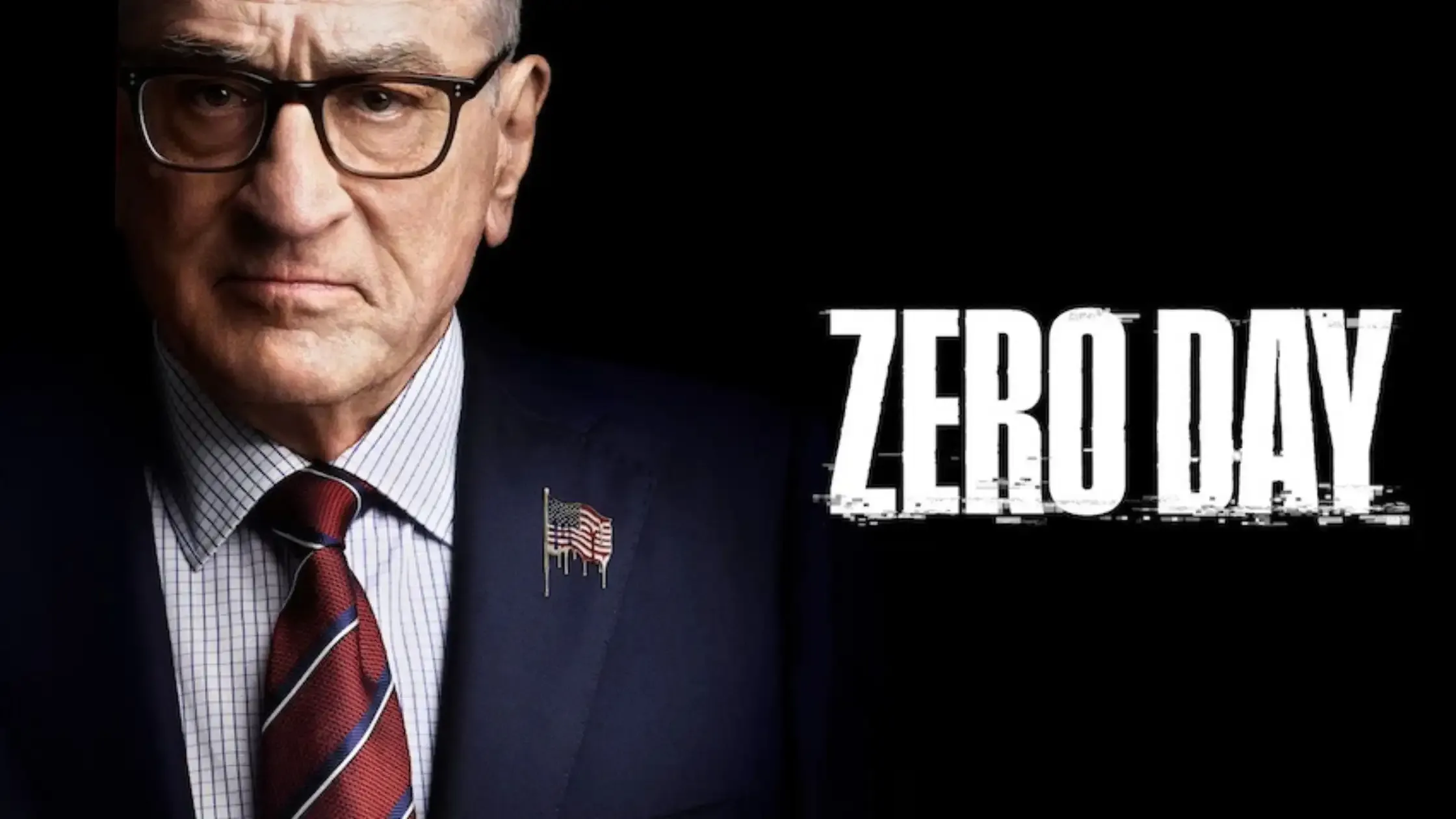

“Zero Day” unfolds as a political thriller where a sweeping cyberattack disrupts the very fabric of national infrastructure. At its center lies the concept of a “zero day” exploit—a vulnerability in digital systems unknown to security experts until it is maliciously activated—amplifying the fear of unseen technological perils. The narrative ignites with a startling one-minute blackout that leaves thousands dead, sowing chaos and a sense of pervasive dread across the nation.
Retired President George Mullen, once a symbol of steadied leadership, is drawn back into the fray when his expertise becomes indispensable to quell the rising panic. The incident serves as a catalyst, thrusting him into the role of overseeing an investigative commission granted extraordinary authority to act beyond conventional legal limits.
This commission operates in an environment where political divisions are stark and the threat of cyber aggression looms large. The series situates its drama amid a fractured American polity, offering a canvas where the misuse of emergent technologies collides with institutional power. Such a scenario compels viewers to confront the implications of granting unchecked governmental authority amid relentless digital uncertainty.
Plot Unraveled
A relentless chain of events emerges as the cyberattack ripples across the narrative, a force that shatters the illusion of stability and sparks a rapid governmental mobilization. The unfolding of events is handled with a pace that never allows the viewer to catch their breath.
The series deploys a rhythm that shifts seamlessly from calm exposition to bursts of electrifying tension, each beat meticulously orchestrated to maintain a sense of urgency without sacrificing clarity. Moments of quiet, deliberate dialogue serve as a prelude to explosive developments, ensuring that every scene contributes to the mounting pressure.
A pivotal moment arrives with the chilling broadcast of the message “THIS WILL HAPPEN AGAIN,” a stark harbinger that transforms collective apprehension into palpable dread. This declaration reverberates through the storyline, acting as both a narrative pivot and a mirror reflecting societal fears. The text of the warning resonates as a reminder of vulnerability in an age dominated by digital threats.
It casts a long shadow over political institutions, prompting both characters and audiences to reassess what security truly means. The series balances realistic crisis management with sequences that flirt with the fantastical, a choice that sustains viewer engagement through a careful mix of grounded details and dramatic exaggeration.
The dialogue is crisp and measured, providing a swift vehicle for exposition without lingering unnecessarily. Each line serves dual purposes: advancing the plot while sketching the contours of a complex political and personal struggle.
The interaction between characters is sharpened by a conciseness that mirrors the rapid pace of unfolding events, effectively linking individual dilemmas with wider systemic failures. Through a disciplined structure that interlocks personal turmoil with institutional collapse, the narrative carves a path that is as intellectually stimulating as it is emotionally charged.
Portraits of Command
George Mullen emerges as a study in reluctant authority, a former president whose legacy is defined as much by his past leadership as by the personal cost of his return to the spotlight. Once ensconced in the safety of retirement, Mullen is drawn back into the crucible of national crisis—a figure burdened by the relentless march of time and the erosion of mental clarity.
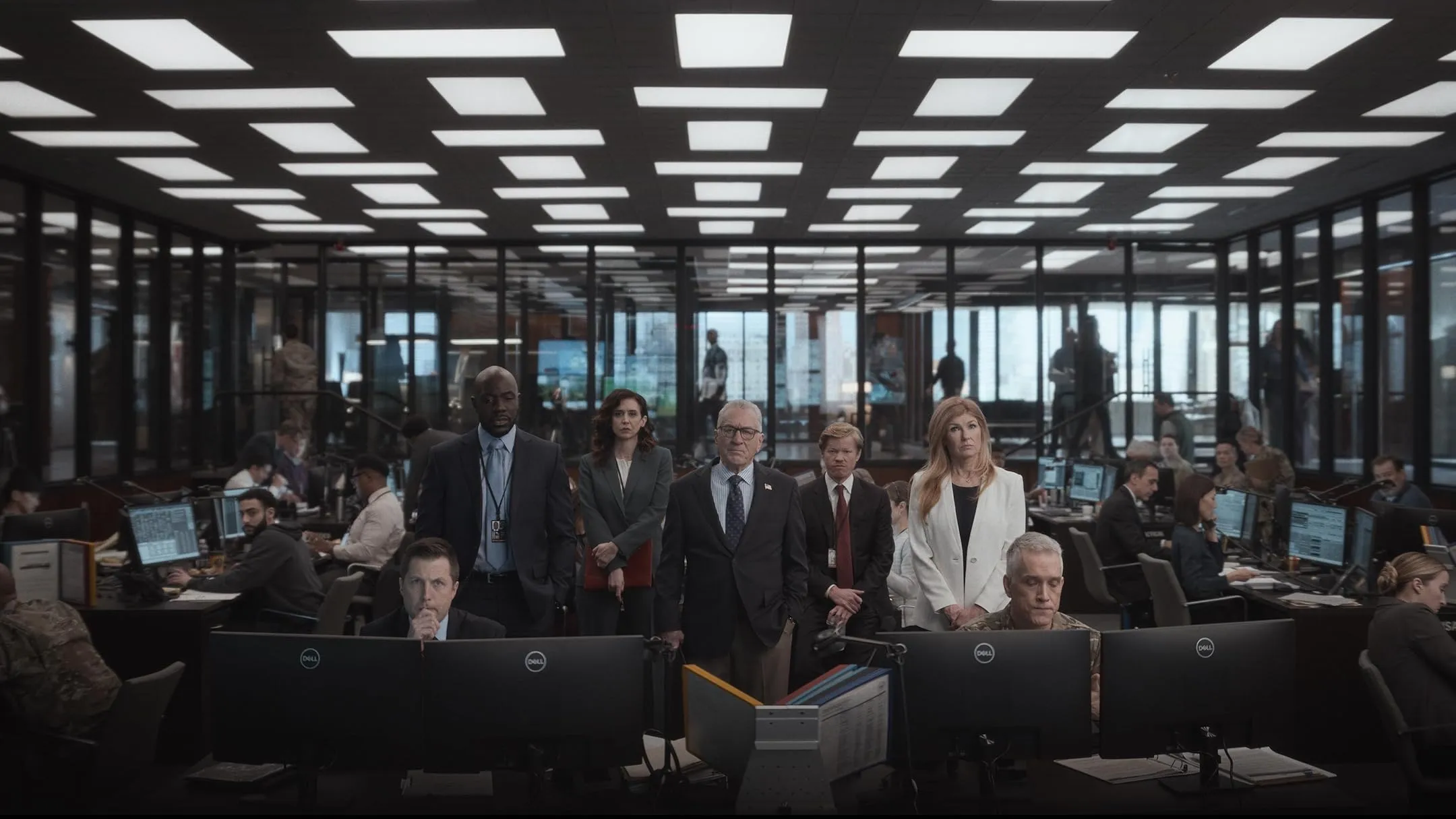
His cognitive struggles and the wear of leadership are rendered with a stark realism, underscoring a narrative where personal frailty intersects with the demands of public trust. His measured yet resolute demeanor invites scrutiny into the sacrifices that underpin a life in service.
Parallel to Mullen’s complexities, President Evelyn Mitchell commands the screen with a presence that is resolute and exacting. Her decision to recruit Mullen is portrayed with a calculated determination, emblematic of a leader well-versed in the intricacies of crisis management.
Meanwhile, the character of Alexandra, Mullen’s daughter, embodies the tension between familial loyalty and the uncompromising rigors of political duty. Her conflicted stance adds layers to the interpersonal dynamics, positioning her not merely as a bystander but as an active participant in the unfolding drama.
The ensemble cast further enriches this intricate tableau. Jesse Plemons, portraying Roger Carlson, infuses his role with a blend of moral ambiguity and understated gravitas, effectively mirroring the broader disquiet permeating the narrative.
Each performance is meticulously calibrated to enhance the interplay of personal and institutional dilemmas, allowing the viewer to engage with a spectrum of ethical quandaries and relational conflicts. The interplay of these characters transforms the narrative into a multifaceted exploration of power, sacrifice, and the often unspoken burdens borne by those tasked with navigating the turbulent corridors of authority.
Digital Dystopia & Political Tensions
The cyberattack in “Zero Day” serves as a potent emblem for the fragility of contemporary digital frameworks. This incident, abrupt and unyielding, casts a stark light on how modern society is held hostage by the vulnerabilities of interconnected technology.
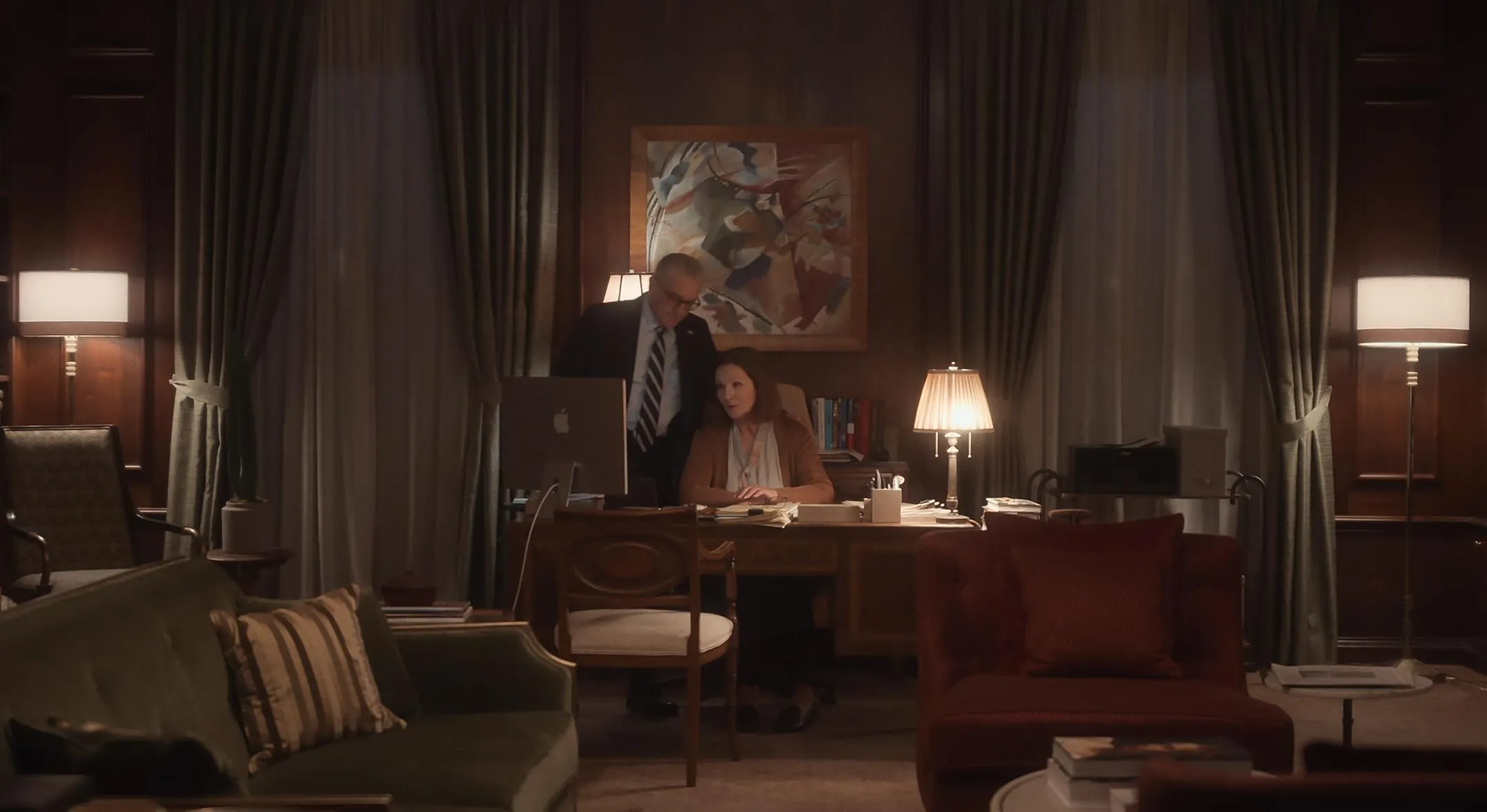
The series presents technology as a force capable of both empowerment and peril—a silent specter that can, in an instant, bring even the most fortified systems to their knees. Its portrayal suggests that the march of progress carries with it unforeseen hazards, a reminder that innovation carries an inherent risk.
The narrative further scrutinizes the exercise of power in crisis situations, portraying the establishment of an investigative commission endowed with extraordinary authority. The depiction raises significant ethical issues regarding the concentration of power when the stakes are sky-high.
In a moment of national emergency, this commission is granted rights that bypass standard checks, a move that casts a long shadow over the preservation of personal freedoms. The resulting tension provokes a critical examination of the trade-offs between the need for security and the preservation of individual rights, echoing concerns that permeate the political landscape today.
Simultaneously, the series opts for a depiction of government that consciously refrains from aligning with any particular political faction. By presenting figures whose decisions and affiliations remain deliberately ambiguous, the drama invites a reflection on the nature of political unity in an era of deep-seated division.
The narrative challenges conventional depictions of partisanship by offering a spectrum of characters united not by ideology but by circumstance. This choice provokes a rethinking of how political identity is constructed and perceived, highlighting a collective quest for stability amid uncertainty. The result is a richly layered narrative that prompts a reevaluation of modern power dynamics and the societal costs of safeguarding against an unpredictable digital age.
Visual Symphony & Structural Precision
Director Lesli Linka Glatter molds the series with a refined hand, steering the narrative through a series of deliberate, often intimate moments that underscore the tension within each scene.
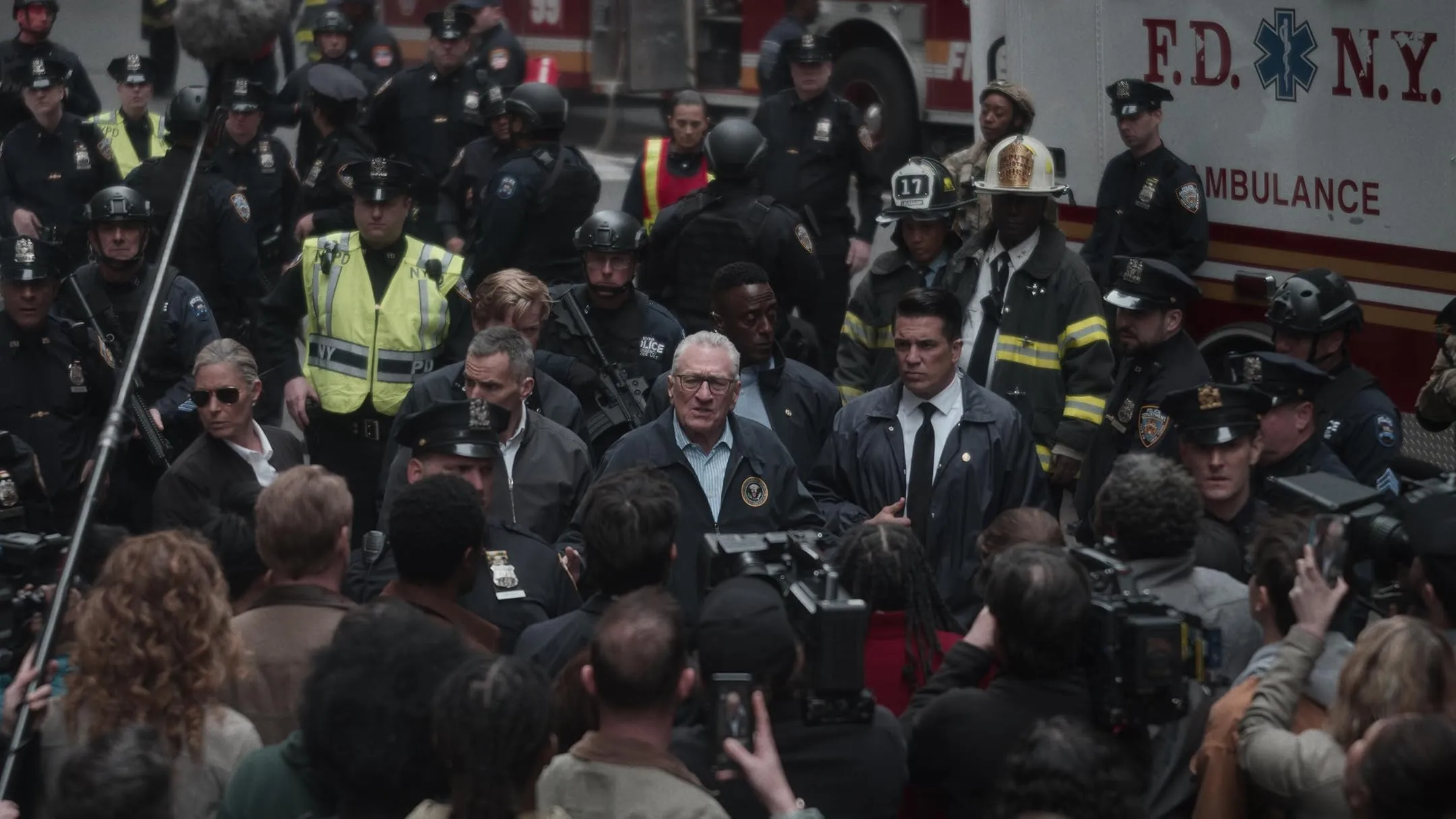
Her approach employs tight close-ups that capture fleeting expressions, each frame a window into the unspoken gravitas of a public figure wrestling with the weight of legacy and duty. The dialogue, precisely delivered, functions as both a narrative engine and a subtle character study, each exchange a carefully measured brushstroke in the unfolding portrait of crisis.
The visual language of the show adopts a modern, kinetic aesthetic that aligns the viewer with the immediacy of unfolding events. The composition is crisp, with a disciplined framing that conveys urgency without sacrificing clarity. Lighting plays a pivotal role in setting the mood, alternating between stark contrasts and soft, ambient hues that lend the series an air of realism amid its high-stakes narrative. A restrained color palette supports the political milieu, imbuing the imagery with a sense of order amidst chaos.
The craftsmanship extends to technical execution where editing and sound design work in concert to create a cohesive, immersive experience. Cuts are executed with precision, maintaining a rhythm that mirrors the series’ swift progression through moments of high tension and quieter introspection.
The auditory landscape complements this visual strategy, with soundscapes that echo the internal and external conflicts that drive the drama. Meticulous set designs recreate environments that feel palpably authentic, whether it be the sterile corridors of government offices or the charged atmosphere of crisis hubs. Each technical choice is calibrated to contribute to a narrative that is as visually arresting as it is structurally intricate, forming an experience that demands attention to detail at every turn.
Cultural Reverberations in a Digital Crisis
A rapid-fire narrative, intricately drawn characters, and themes that mirror our current era conspire to create a piece that challenges conventional storytelling. The series orchestrates a melding of brisk plot progression and multifaceted personas, casting a spotlight on issues that pulse at the core of modern society.
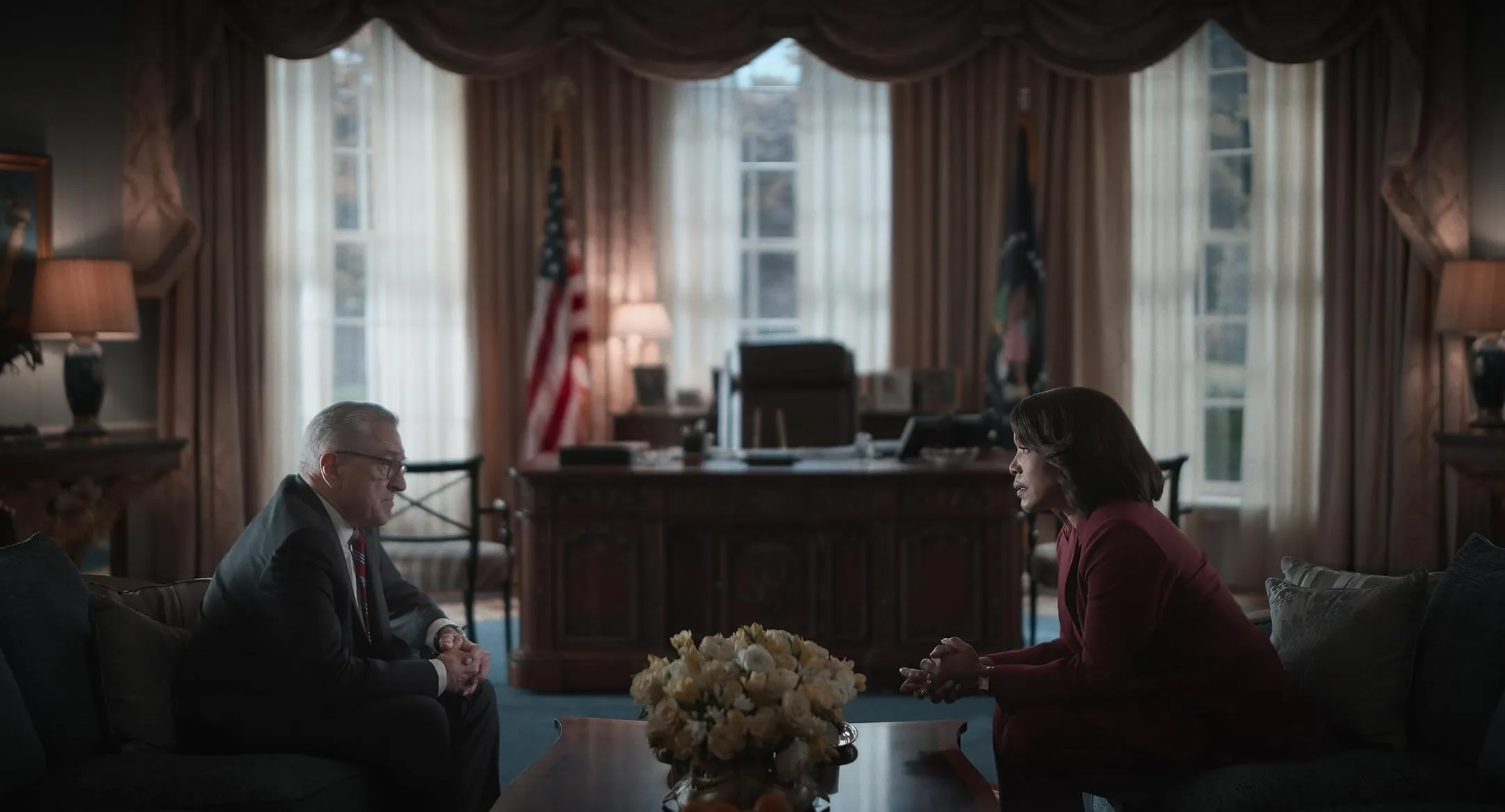
Its storyline, propelled by a relentless cyberattack and subsequent scramble for control, compels an examination of the intersection where high-tension drama meets a keen awareness of present-day challenges in technology and politics. The interplay of these elements fashions a narrative that both entertains and questions established norms.
The dialogue between digital vulnerability and state power stirs questions about public trust and the responsibilities of those entrusted with authority. The depiction of a government resorting to measures beyond traditional limits invites a critical reappraisal of civic rights in moments of crisis.
With an arresting focus on the impacts of unchecked technological prowess, the work prompts a reflection on the intricate dance between security and freedom. In presenting figures whose actions provoke both admiration and skepticism, the series stimulates a broader discourse on the nature of political unity and the preservation of civil liberties in a rapidly shifting landscape.
The effect on the audience is palpable—a stimulus for discussion about the intricate structures that bind society in an age dominated by digital innovations. The film’s narrative framework, combined with its politically charged subtext, offers a blueprint for engaging with contemporary dilemmas.
There is a marked intensity in the way personal sacrifices, institutional exigencies, and the imperatives of modern technology are interlaced, offering fertile ground for further contemplation on the fabric of collective experience and the enduring complexities of governance in a digitized world.
The Review
Zero Day
Zero Day stands as a stirring political thriller that fuses high-tension drama with incisive commentary on digital fragility and the delicate balance of power. Artful direction, purposeful pacing, and layered performances transform the series into a mirror reflecting contemporary societal anxieties. A deft interplay of narrative urgency and thoughtful insight invites viewers to reconsider the costs of security and authority in the modern age.
PROS
- Engaging narrative with high stakes
- Strong, nuanced performances
- Thought-provoking political and technological themes
- Meticulous direction and production design
- Crisp, tension-building dialogue
CONS
- Occasional overreliance on exposition
- Some narrative elements may feel contrived