























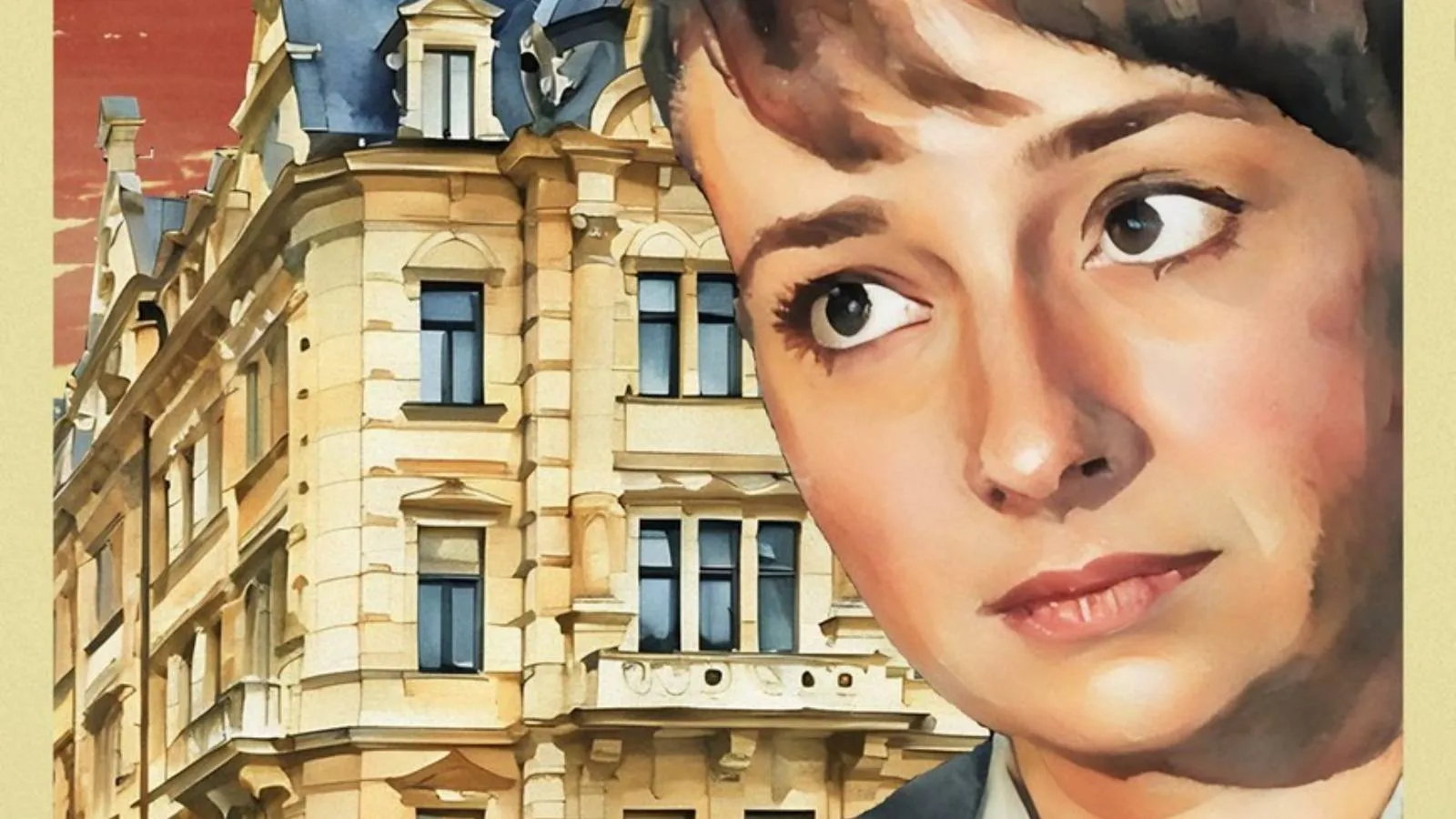

The film introduces us to a stark urban scene in Cluj, Transylvania, where a crumbling basement becomes the stage for a dramatic eviction. Ion, a once-proud figure now reduced to survival by collecting scraps, is forced from his makeshift home in a building earmarked for upscale redevelopment. This setting (a microcosm of shifting societal norms) frames a narrative where human fragility meets modern economic ambitions.
We witness Ion’s desperate resistance and the weight of his final decision—a choice that echoes far beyond a mere plot twist. The film opens with a raw, observational sequence that mirrors a documentary, drawing our eye to both the individual tragedy and its ripple effect.
As the focus gradually shifts to Orsolya, a conflicted bailiff with a shadowed past, the structure of the film resembles a series of long, uninterrupted dialogues that expose the tension between everyday humor and unexpected sorrow.
The pacing is deliberate, with moments that slide from wry banter into profound, almost clinical portrayals of despair. The way these segments interchange is stark (at times abrupt), reinforcing the idea that fate and moral ambiguity are intertwined in everyday life.
Dual Portraits: The Weight of Guilt and the Cost of Neglect
Orsolya emerges as a study in contradiction. Once a law professor, she now occupies the role of bailiff with a burden that leaves her visibly conflicted. Her journey from intellectual authority to an executor of fate reveals a character in constant moral disarray. There is an almost palpable strain in her every decision—each action weighed against her lingering sense of duty and remorse.
One might observe a peculiar irony in her transformation; the very rigor that once defined her academic life now competes with the stark realities of enforcing societal shifts. Her internal struggle is expressed through a series of measured, sometimes disquieting monologues that reflect on personal accountability in a world that seems indifferent to human frailty.
Ion’s trajectory is equally compelling. Once known for achievements that have long since faded, he now wanders the urban margins, a relic of dreams dashed by neglect. His descent into obscurity is marked by moments of raw vulnerability, with his final act serving as a grim punctuation mark to a life undone by systemic indifference. Ion stands as an emblem of what is lost when society turns a blind eye to its own underbelly—a living mirror of urban decay and personal despair.
The ensemble that surrounds Orsolya offers a varied cross-section of societal attitudes. Her family, with its own latent resentments, reflects the personal costs of societal change. Daria and Fred, among others, inject flavors of cynicism and reluctant empathy into the narrative.
Each secondary figure, whether an official or a close acquaintance, contributes a distinct perspective on the unfolding drama—capturing the multifaceted nature of prejudice, self-interest, and reluctant duty. Their interactions, sometimes laced with understated humor or bitter resignation, collectively sketch a broader picture of a community grappling with the repercussions of rapid urban transformation.
Shadows of Remorse: A Study in Guilt and Urban Absurdity
Orsolya’s inner conflict stands as a stark reminder of the weight carried by moral choices. Her transformation—from a person of duty to one haunted by remorse—serves as the film’s central inquiry into moral accountability within a society that seems indifferent to human fragility.
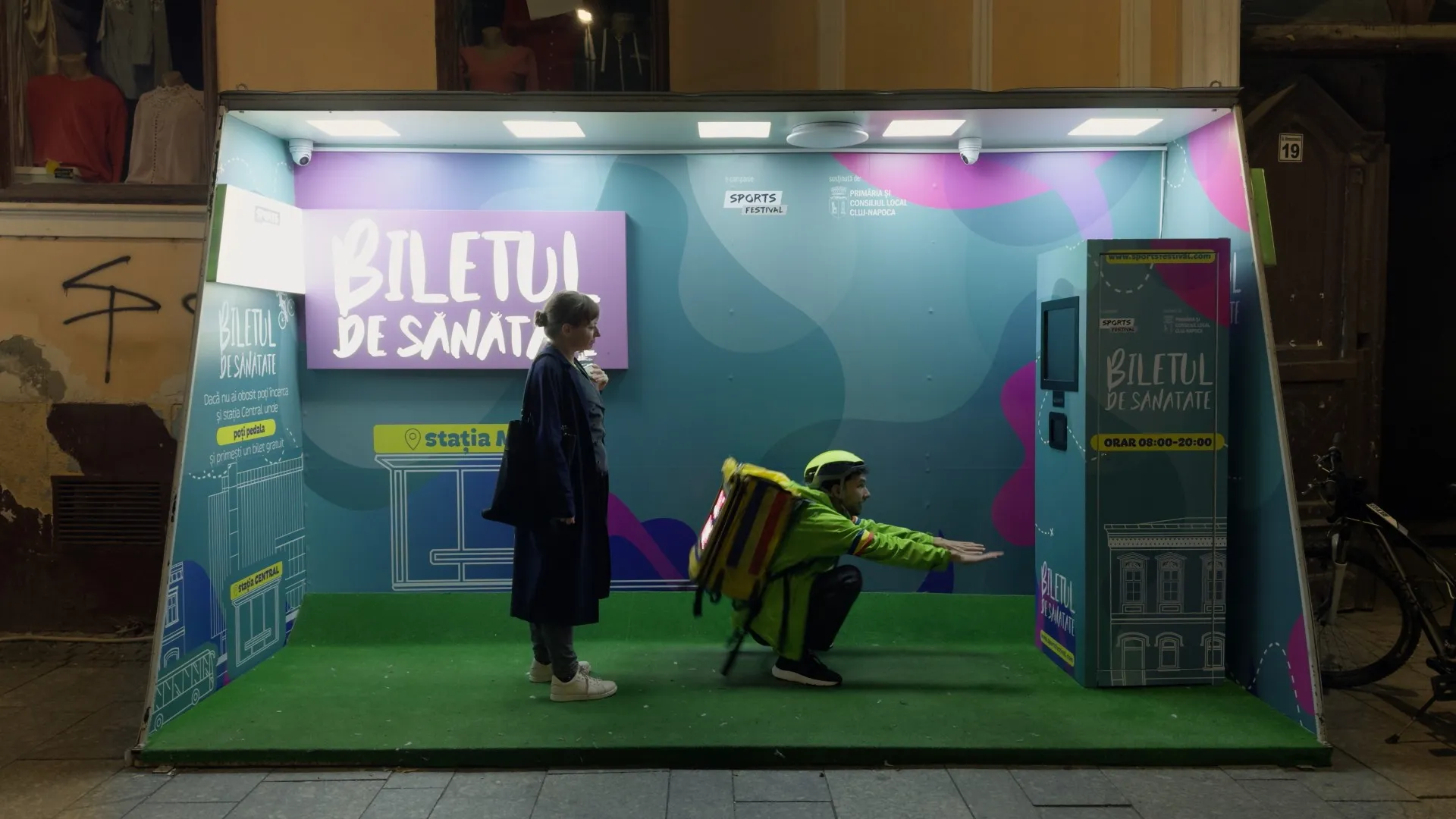
Her expressions of regret, conveyed in measured, almost clinical exchanges, force us to question the ethics embedded within bureaucratic structures (a sort of moral calculus where numbers often eclipse empathy). In this respect, her internal strife mirrors historical debates on state responsibility during periods of societal upheaval.
The narrative casts a critical eye on modern urban renewal, exposing the chasm between lofty redevelopment projects and the stark reality of those cast aside. A particularly vivid sequence shows the relentless march of real estate ambitions reducing entire lives to collateral damage.
Here, the film scrutinizes economic policies that favor profit over people, highlighting the dehumanizing side effects of a system that commodifies living spaces (one might even liken it to historical episodes where rapid industrial change left communities in ruin). Such moments serve as a bitter commentary on the contemporary state of civic life, where the callous mechanics of capitalism leave little room for human dignity.
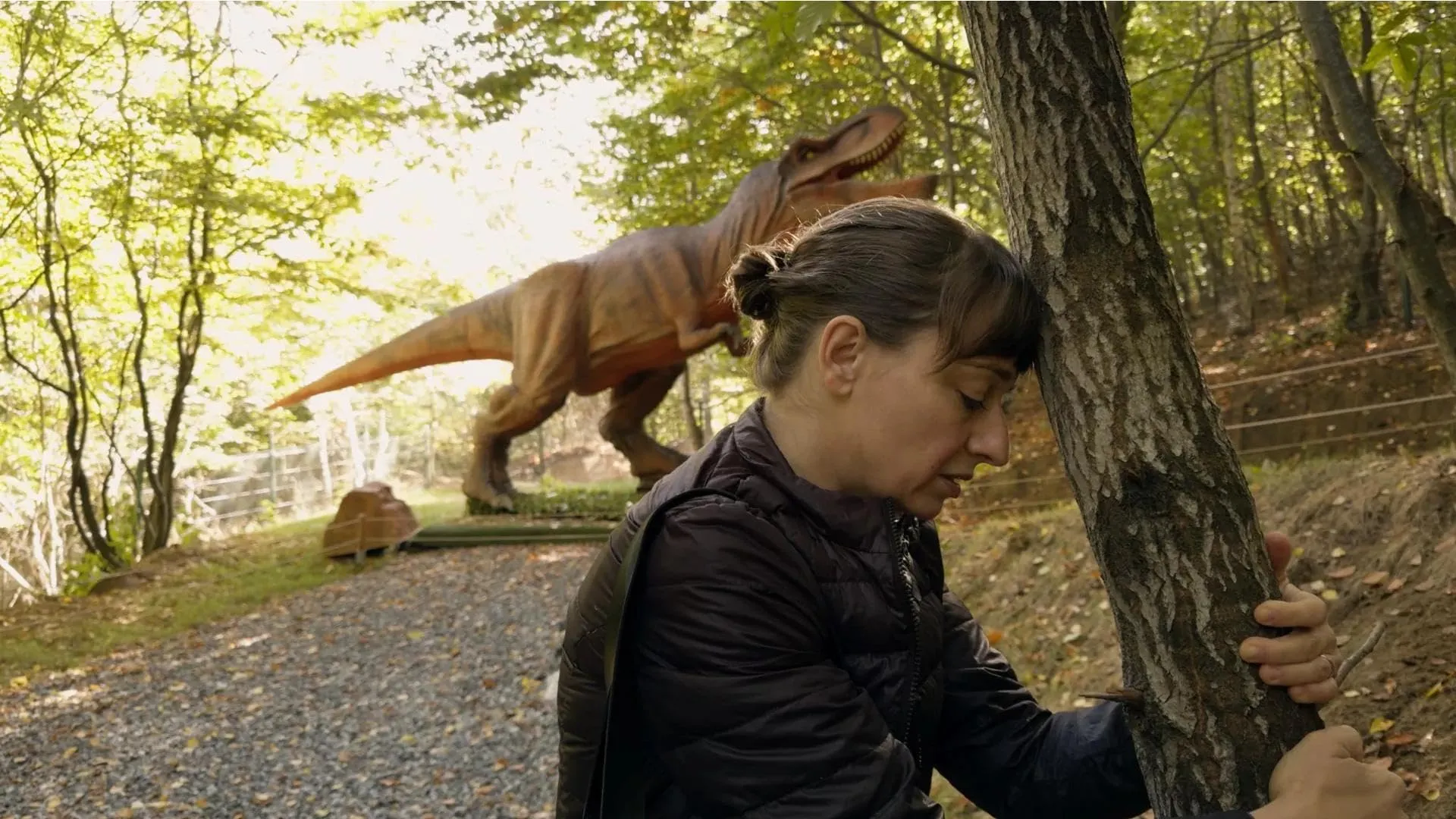
Recurring elements—an oversized mechanical dinosaur and a stray, mechanical canine—function as striking visual metaphors. These images, suspended in scenes that oscillate between absurdity and tragedy, prompt viewers to consider the contrast between manufactured progress and the raw conditions of existence.
The dinosaur, a relic of a prehistoric past cast into a modern setting, raises questions about the permanence of cultural memory amid relentless urban innovation. The mechanical dog, part gadget and part allegory, hints at a future where authenticity is sacrificed on the altar of efficiency. Such symbols encourage a reflective stance on how art mirrors the contradictions of its time.
Crafting the Frame: Radu Jude’s Cinematic Lens
Jude’s choice to shoot with an iPhone is a striking move that injects a raw, unvarnished quality into the film. This method strips away the gloss of conventional production, giving the images an immediacy that mirrors the city’s gritty atmosphere.
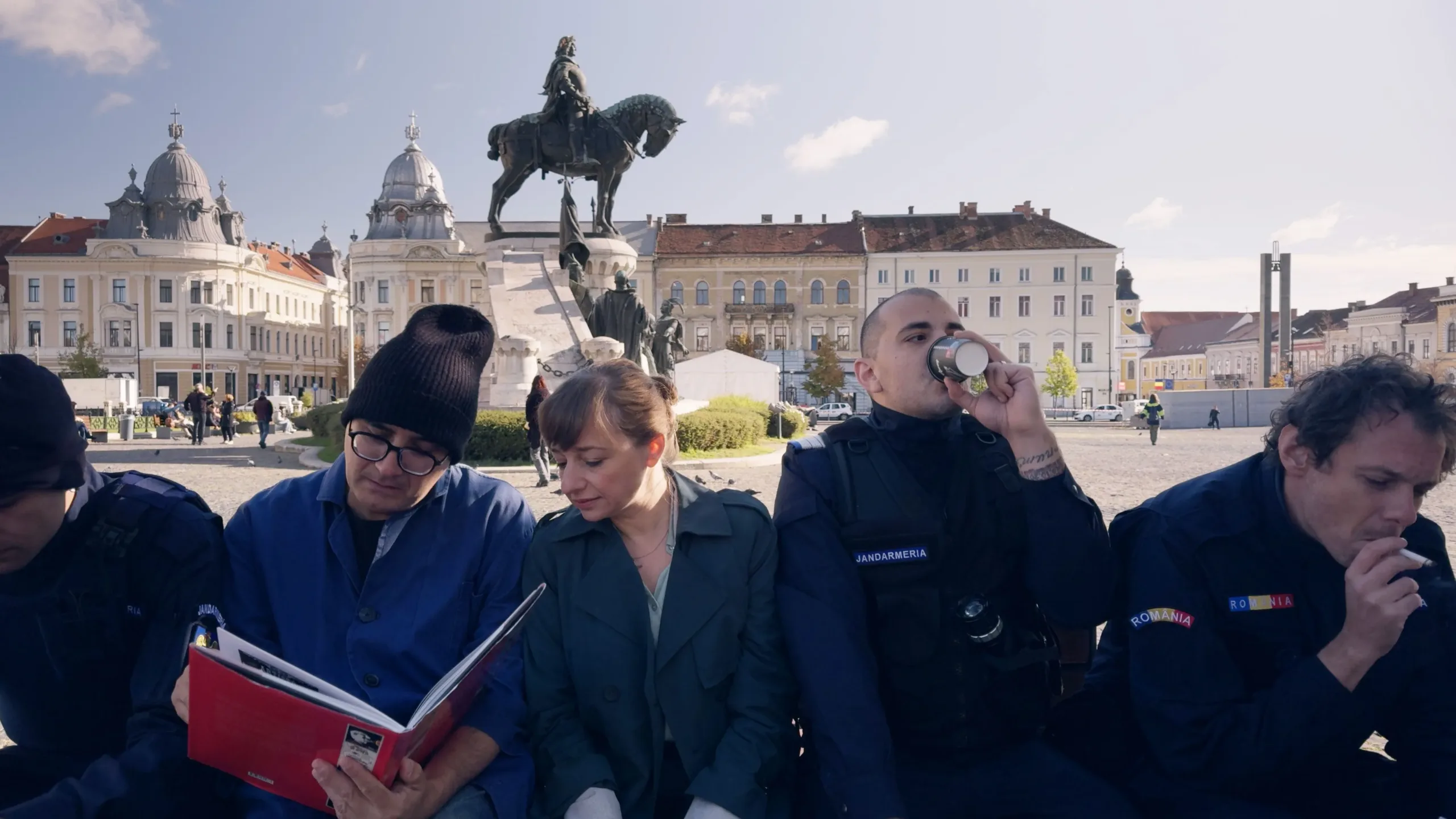
The persistent use of fixed-camera shots and extended takes (a style that many would say mirrors the slow march of fate) invites viewers to absorb each moment with deliberate attention. The result is an immersive experience that leaves little room for the spectator to escape the weight of each scene.
The urban fabric of Cluj is rendered with meticulous detail. Jude’s lens captures the contrast between weathered historical edifices and the emerging forms of modern construction. The visual interplay (at times stark, sometimes surprisingly subtle) creates a layered depiction of the city that mirrors its social contradictions. Specific techniques—such as tracking long, uninterrupted shots along crowded streets and quiet corners alike—offer a view of urban life that is as expansive as it is intimate.
Intersperse within the narrative are segments that echo the cadence of a documentary. These sequences, presented without scripted dialogue, sharpen the focus on reality as it unfolds, injecting an honest portrayal of everyday existence. The interplay between these observational moments and the more stylized, dialogue-driven scenes produces a rhythm that oscillates between somber reflection and a dry, almost wry humor.
This contrast highlights the film’s exploration of human frailty against the backdrop of a society undergoing rapid transformation. The overall composition forces the viewer to reckon with a visual commentary that questions established norms and reflects on the collective experience of change in a modern cityscape.
Urban Echoes: A Cultural and Political Mosaic
The film situates itself in Cluj—a city where the modern collides with a deeply layered historical past. Cluj is not merely a geographical backdrop; it is an active character, its cobbled streets and emerging skylines whispering tales of ethnic tension and age-old grievances.
This setting recalls a region where history is never past but perennially present, coloring every interaction with a trace of ancestral conflict (a phenomenon one might dub “heritage hauntology”). The socio-political landscape of Romania, with its legacy of complex cultural relations and shifting power dynamics, permeates the narrative, forcing viewers to reckon with the scars left by historical transitions.
The narrative does not shy away from a critical view of contemporary urban renewal. It scrutinizes gentrification and the relentless pursuit of profit, elements that dissolve social bonds and relegate citizens to mere byproducts of redevelopment schemes.
Through dialogue and character encounters, the film unveils a tapestry of modern capitalism that erases individuality in favor of sterile progress—a narrative echo of past industrial upheavals. Here, urban renewal becomes a metaphor for the erosion of community ties and the commodification of human existence (a grim but occasionally humorous reality check for the modern age).
Interwoven within this socio-political critique are pointed cultural references. The film flirts with cinematic history, offering subtle nods to classics reminiscent of Rossellini’s stark narratives and the suspenseful distortions found in early Hitchcock.
Brechtian techniques appear sporadically, challenging the audience’s expectations and inviting comparisons with past artistic movements that questioned authority. These allusions not only enrich the narrative but also serve as a mirror reflecting ongoing debates about cultural identity and political ideology, adding layers that resonate with both historical memory and the immediacy of today’s urban dilemmas.
Resonance and Reckoning: Reflection on the Film’s Impact
The film ties personal tragedy with systemic issues, establishing a dense interplay between individual accountability and the machinations of a flawed system. Orsolya’s crisis does not stand in isolation; her emotional unraveling mirrors widespread moral neglect.
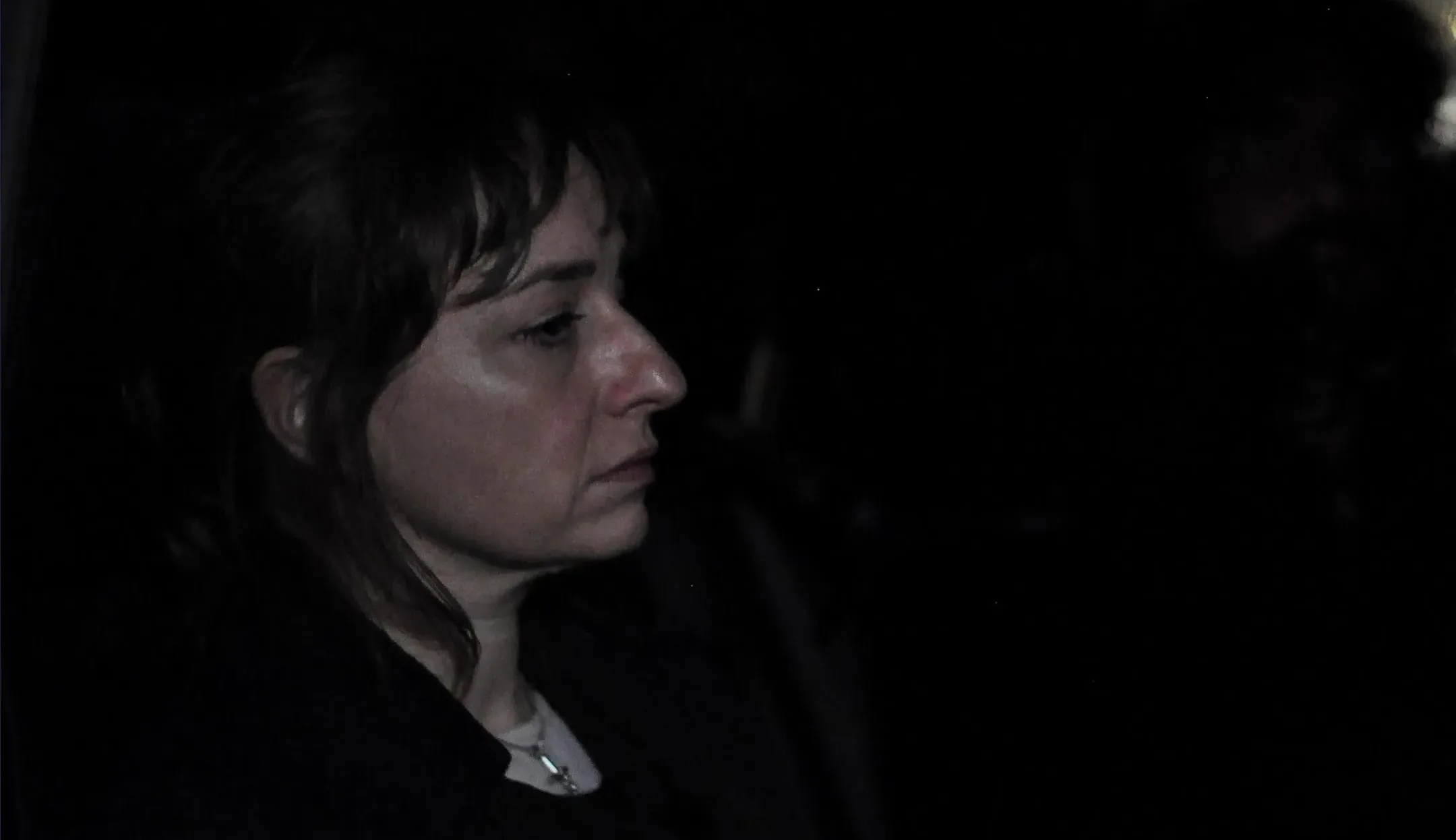
One senses a narrative that intertwines intimate human suffering with echoes of historical upheaval (a scenario reminiscent of societal reckonings that force collective self-examination). Extended, meditative sequences create an atmosphere where every silence speaks volumes, inviting the viewer to experience a tension that is both personal and collective.
Viewers are coaxed into examining their own complicity in the social machinery depicted on screen. Moments of dry humor punctuate the otherwise austere narrative, offering brief respites that unsettle complacency. The film’s style—matter-of-fact yet unyielding—provokes an enduring emotional stir (akin to encountering a fable that lingers long after the tale is told). Such an approach compels repeated contemplation, nudging audiences toward an unvarnished self-reflection about their role in everyday societal operations.
This work sidesteps conventional storytelling, opting instead for an unvarnished portrayal of social fault lines. Its refusal to conform to expected cinematic formulas marks it as a distinctive entry in modern art cinema. Stark imagery and unflinching dialogue underscore a commitment to revealing systemic imperfections—a stance that may prompt both admiration and discomfort. Each frame acts as an open forum, an invitation to reassess taken-for-granted norms in daily existence, leaving the viewer with a challenge that is as uncomfortable as it is necessary.
The Review
Kontinental '25
Kontinental ’25 challenges with raw portrayals of personal guilt and systemic neglect. Its austere narrative and stripped visuals provoke honest reflection and unease, interspersed with wry humor that cuts through tension. While its pacing may test viewer patience, the film’s refusal to shy away from exposing societal fractures marks it as a significant, thought-provoking work.
PROS
- Provocative narrative that challenges viewers
- Raw, uncompromising emotional portrayals
- Effective blend of dry humor and stark realism
- Unconventional use of visual techniques
CONS
- Pacing that may test some viewers' patience
- Heavy thematic focus might overwhelm casual watchers