

























![Kingdom Hearts Collection [I-III] Review](https://gazettely.com/wp-content/uploads/2026/10/Kingdom-Hearts-Collection-I-III-1-360x180.webp "Kingdom Hearts Collection [I-III] Review: KHII Holds Steady as Newer Entries Fluctuate 37")



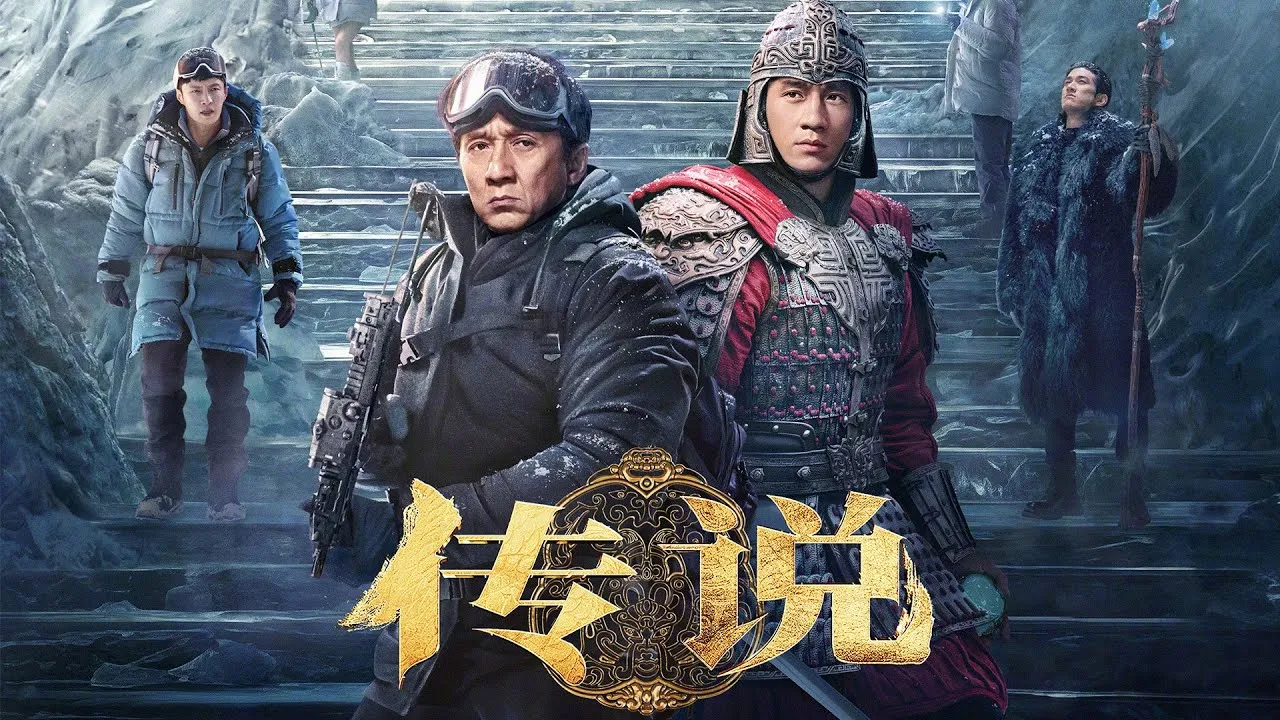

The film presents a narrative that shifts between the dusty corridors of modern archaeological digs and the chaotic battlefields of ancient conquests. It opens with a mythic jade medallion acting as a symbolic key (a recurring icon in the film) that links a world of scholarly inquiry with an era defined by raw combat.
In the present-day segments, Professor Fang—an investigator of relics with a skeptical streak—leads his team in unearthing forgotten fragments of history. His academic rigor stands in sharp relief against the vivid, almost brutal flashbacks of clashes between Han and Hun warriors.
There is a curious symmetry here, as if modern-day methodical research collides head-on with a past that refuses to be neatly catalogued (one might even call it a time capsule with a few misprinted dates).
Director Stanley Tong imposes a measured pace and a careful visual structure that compels viewers to question how history is remembered and retold. Tong’s methodical framing and deliberate juxtapositions invite reflections on the persistence of myth amid the transient nature of human memory.
At moments, the film’s earnestness meets dry humor—a nod to the absurdity of attempting to document time itself—resulting in an experience that is both thought-provoking and unexpectedly wry.
Temporal Confluence and Structural Intricacies
The film’s narrative structure presents two distinct temporal realms: one following Professor Fang and his team as they unearth relics from bygone eras, and another depicting relentless clashes in the Han Dynasty.
In the modern storyline, the painstaking search for antiquities reveals not merely physical remnants but echoes of cultural memory (with an occasional dry quip to keep the tone light). These sequences serve as an opening to a world where factual inquiry meets mythic recollection.
In the ancient sequences, the tumult of Han battles against invading forces is portrayed in stark detail, with abrupt transitions that can jar viewers expecting a uniform pace. The recurring jade medallion acts as a symbolic fulcrum—a quiet, enduring artifact that ties disparate times together.
It embodies themes of heritage, destiny, and the lingering presence of ancient lore, acting as a bridge between meticulous research and the wild, almost surreal recollections of wartime valor.
Flashback sequences are interspersed with moments of measured calm and bursts of kinetic energy. The film shifts from slow-burning narrative arcs to rapid, terse sequences that capture the immediacy of battle, leaving viewers with a mixed sense of satisfaction and mild frustration over its uneven rhythm. This oscillation in pacing invites reflection on how history is recorded and remembered, suggesting that the past is as fragmented as modern recollection itself.
Parallel character trajectories add further nuance. Modern researchers mirror the courage and fragility found in their ancient counterparts. Secondary strands—such as understated romantic encounters—provide subtle relief and a counterpoint to the central myth without overpowering it.
This intricate layering of plot devices prompts thought about the cyclical nature of conflict and the ways in which personal and collective histories are interwoven.
Shadows of the Self: Duality in Character Portrayals
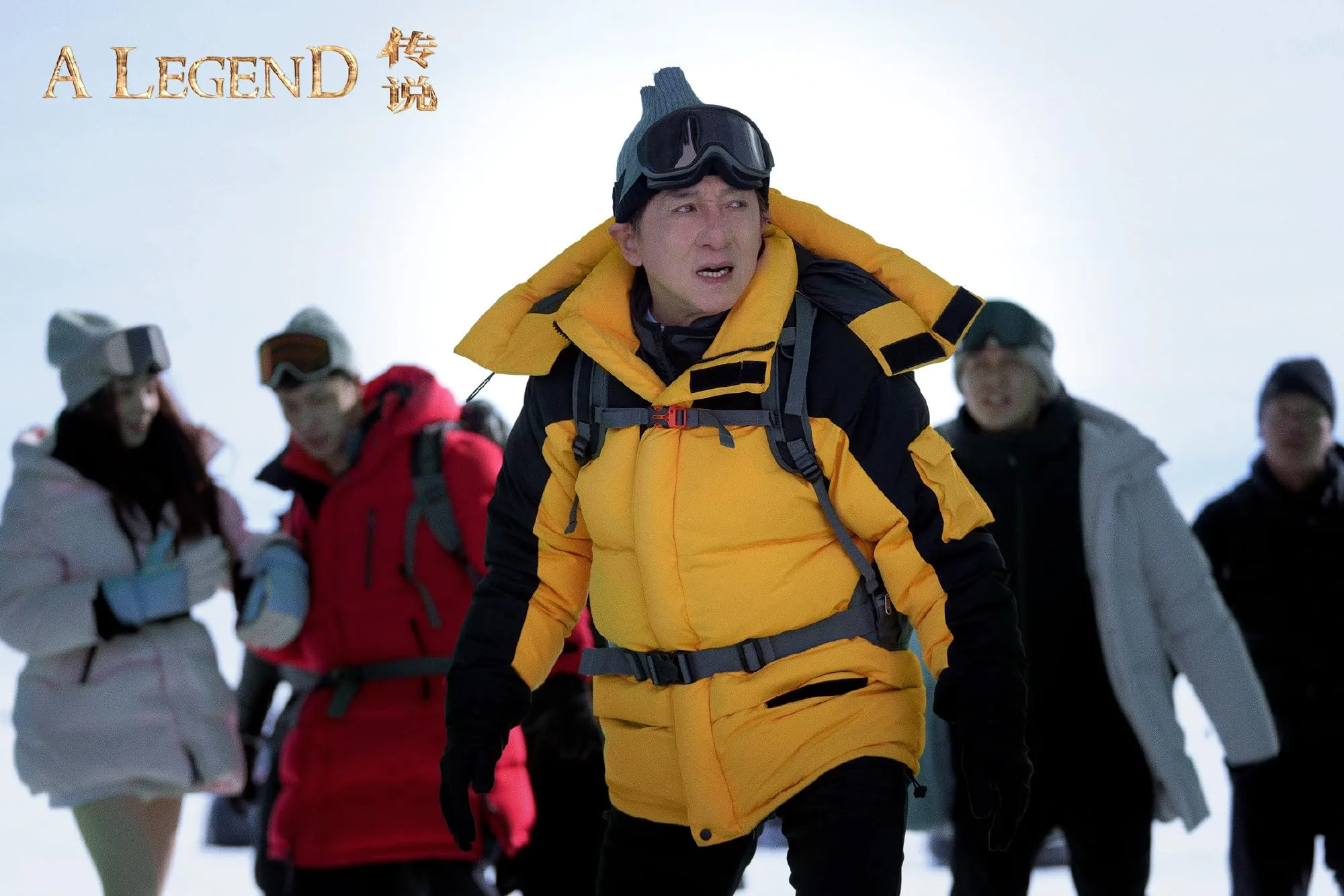
Jackie Chan’s performance operates on two distinct planes. In his role as Professor Fang, he embodies a resolute investigator who combines scholarly determination with flashes of wry humor.
His interactions with his team—marked by both intellectual rigor and moments of lighthearted banter—inject a relatable humanity into a narrative often preoccupied with spectacle. The professor’s measured curiosity acts as the engine for modern exploration, anchoring the film’s intricate structure.
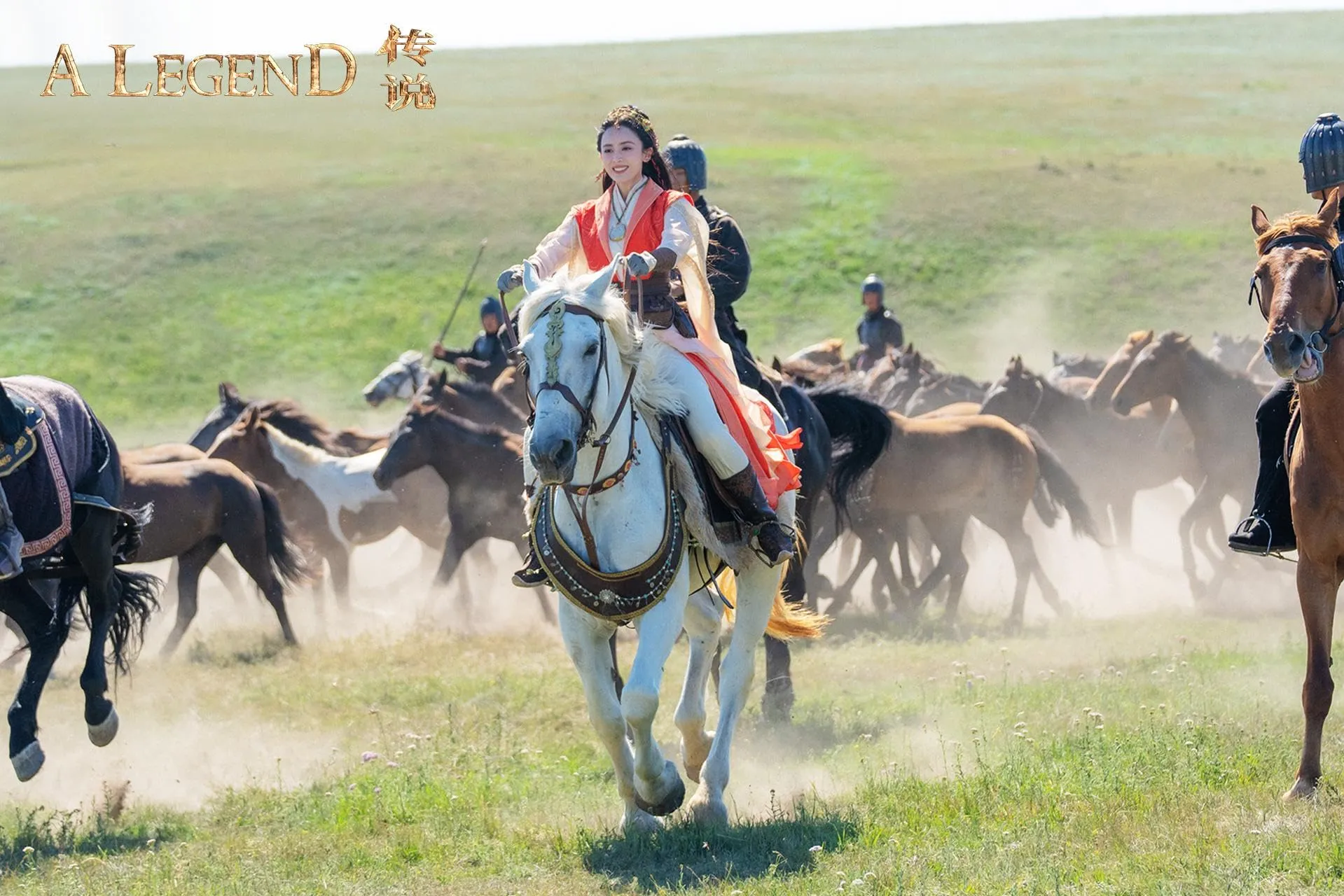
On the opposite end is Zhao Zhan, Chan’s incarnation as an ancient warrior. Here, the character bursts with physical vitality and a raw, almost mythic presence. The contrast between the measured intellect of Professor Fang and the untamed energy of Zhao Zhan offers a thought-provoking study in duality.
One cannot help but notice the irony inherent in a single actor portraying two sides of human existence—a reflective commentary on our own internal contradictions (and a nod to the timeless struggle between mind and muscle).
The technical execution of the digital rejuvenation process warrants scrutiny. The technology responsible for recreating Chan’s younger visage manages to convey vigor in battle sequences, yet it occasionally strains credibility in quieter moments. This technique injects a curious mix of modern wizardry and classic performance, leaving audiences to wonder about the balance between nostalgia and innovation.
Supporting characters add further depth. The archaeological team, portrayed with a blend of earnestness and comic relief, enriches the modern narrative, offering counterpoints to the spectacle of historical warfare.
Likewise, historical figures such as Hua Jun and Princess Mengyun carry emotional and thematic heft, their arcs hinting at universal questions of loyalty, sacrifice, and legacy.
The mirror effect of dual roles across eras forces a reflection on destiny and personal growth, even as some performances seem to linger in the background, their potential only partially realized.
Dynamic Clashes and Choreographed Conflicts
The film stages a series of large-scale battle sequences that transport us to an era where swordplay and strategy dictate survival. In the ancient sequences, the clash between Han warriors and Hun invaders is rendered with an almost operatic grandeur.
The battle scenes are orchestrated with meticulous care, where every sword swing and formation maneuver echoes the organized chaos of historical warfare (a cinematic reenactment of conflict that might remind one of the shifting allegiances in any turbulent society).
The physicality of these scenes is heightened by the use of practical effects; real horses, thousands of extras, and carefully choreographed stunts contribute to a palpable sense of scale.
In the present-day narrative, the film offers moments of high-octane action. A sequence in an ice cavern, for instance, provides a burst of kinetic energy reminiscent of classic stunt sequences. These moments carry an element of dry humor—perhaps a wink to the absurdity of blending scholarly pursuits with unexpected bouts of brawling—which lightens the atmosphere while still delivering the thrills expected from a seasoned action star.
The martial arts choreography deserves special mention. The fight scenes are executed with a precision that nods to traditional martial arts cinema, yet they incorporate modern techniques that sometimes feel like a new language of combat (a veritable “choreographic codex” if you will).
The stunt coordination is marked by an impressive amalgamation of acrobatics, swift hand-to-hand combat, and audacious physicality. Special effects, particularly the digital de-aging process, inject a curious twist into the performance, creating sequences where the virtual and the tangible collide.
This mix sometimes yields moments of stark brilliance and, at other times, a slight disconnect that challenges the suspension of disbelief. Key set pieces emerge as a result—vivid, memorable instances that leave a lasting impression on the viewer’s mind, even as they provoke a few raised eyebrows over their technical execution.
Visions in Dual Time: A Cinematic Alchemy
The film’s visual narrative oscillates between two distinct epochs, each marked by its own stylistic hallmarks. In the historical sequences, the cinematography harnesses wide shots that capture the monumental scope of ancient battlefields.
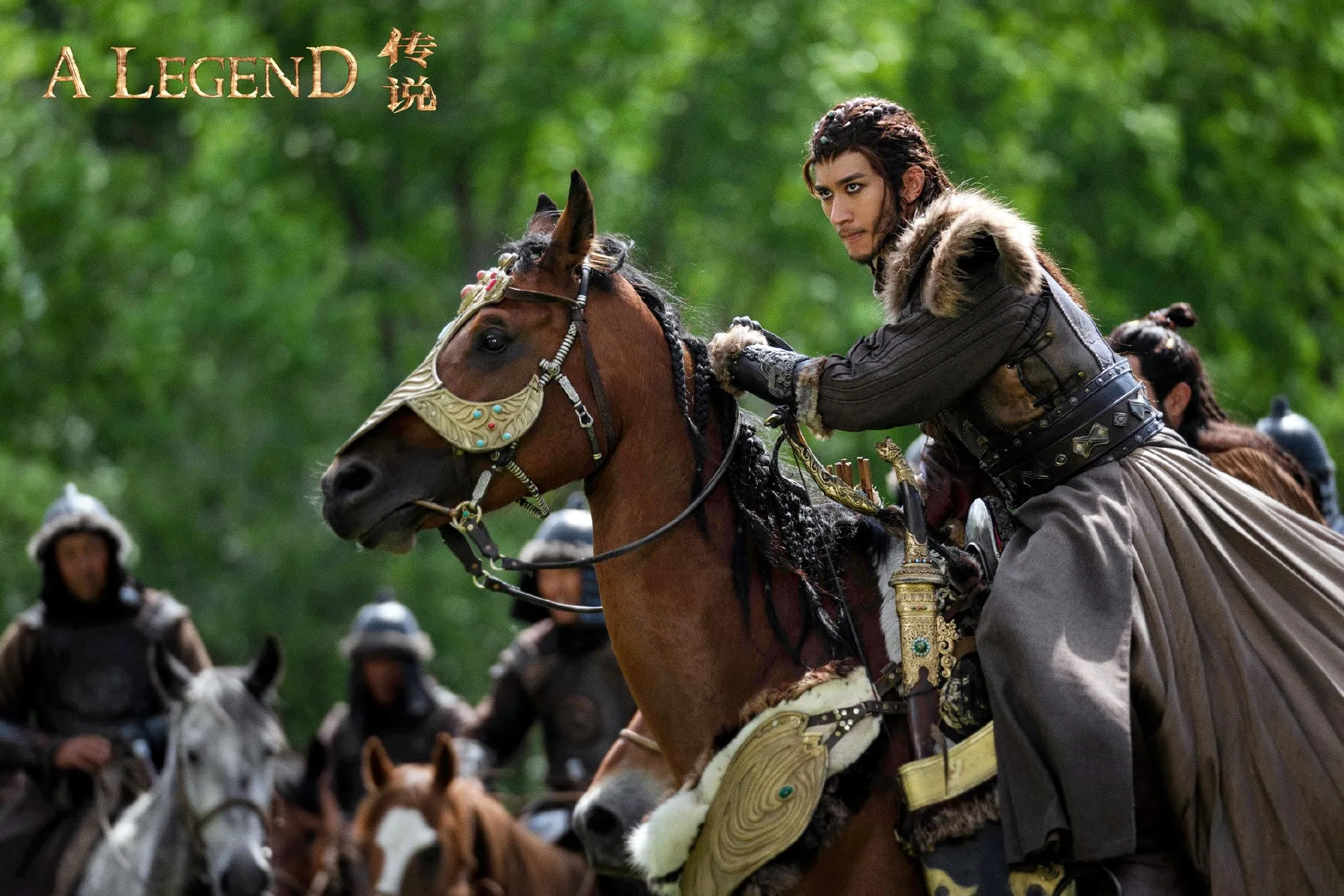
The use of natural lighting and carefully composed framing lends these scenes a quasi-mythic quality—almost as if the camera itself were an ancient chronicler. This meticulous visual composition evokes memories of classic epic canvases, where every shadow and burst of light speaks to the underlying themes of honor and sacrifice.
In stark contrast, the modern-day segments adopt a more restrained visual style. The palette here is subdued, focusing on tangible textures and urban grit. These scenes are shot with an eye for realism that grounds the narrative, yet the juxtaposition with the vibrant historical visuals creates an inherent tension (a visual dissonance that might mirror contemporary societal fragmentation).
Location choices further accentuate this dichotomy. Rugged landscapes and timeworn ruins bring the Han Dynasty to life, while the modern settings lean on sterile, almost clinical backdrops. Costume design mirrors this split: the richly adorned, elaborate garments of the past stand in stark relief against the pragmatic, understated attire of today’s characters—each outfit carefully chosen to reflect its era’s ethos.
Editing plays a critical role in maintaining this temporal dialogue. The transitions between flashbacks and present-day sequences are executed with rhythmic precision, though not without occasional stumbles that momentarily disrupt the immersive flow.
Noteworthy are the specialized techniques that seamlessly interlace the two narratives, even as some cuts reveal the inherent challenges of such an ambitious blend.
Digital effects, especially the rejuvenation process, introduce an extra layer of complexity. Their technical prowess sometimes dazzles, at other moments pulling the viewer out of the illusion—a visual testament to the ever-evolving interplay between tradition and modernity.
Echoes Through Time: Themes, Cultural Context, and Legacy
The film interrogates the notion of ancestry and time’s relentless march, presenting a narrative where relics from ancient conflicts mirror modern quests for identity. The jade medallion (a persistent visual metaphor) connects generations, suggesting that the legacies of the past quietly shape contemporary lives.

This artifact serves as both a symbol of destiny and a reminder that history is never truly behind us—its echoes are embedded in every cultural nuance.
In portraying the Han Dynasty and its conflict with the Huns, the film casts light on age-old ideals of patriotism, sacrifice, and resilience. These historical vignettes are not mere set pieces but serve as reflective surfaces for modern viewers, who might see in them parallels to current societal struggles and shifts in collective memory.
The narrative’s ancient rituals and ceremonies are presented almost as a counterpoint to today’s fast-paced existence, urging audiences to reconsider what is lost in the rush toward modernity.
The modern storyline, featuring an archaeological quest, adds a refreshing layer by questioning how cultural heritage is rediscovered and repurposed in an era defined by rapid change. At times, the film’s ambition in melding these timelines comes off as a bold experiment in narrative architecture (or perhaps a cinematic gambit that walks a fine line between art and spectacle).
The film also offers a commentary on the evolution of action cinema, reflecting on traditional stunt craft juxtaposed with new technological innovations—a nod to the enduring influence of its legendary lead, whose dual portrayal speaks to the bridge between two very different eras of storytelling.
The Review
A Legend
A Legend experiments with merging two disparate time periods, provoking reflection on heritage and modern identity. Its action sequences and symbolic imagery offer striking moments, though the uneven narrative and digital effects may frustrate some viewers. The film's ambition is evident in both its successes and missteps, resulting in an experience that is as thoughtful as it is occasionally absurd.
PROS
- Merges modern and historical narratives with ambition
- Striking symbolic imagery, notably the jade medallion
CONS
- Occasional disruptions in the narrative flow
- Uneven narrative pacing between timelines







