

























![Kingdom Hearts Collection [I-III] Review](https://gazettely.com/wp-content/uploads/2026/10/Kingdom-Hearts-Collection-I-III-1-360x180.webp "Kingdom Hearts Collection [I-III] Review: KHII Holds Steady as Newer Entries Fluctuate 37")



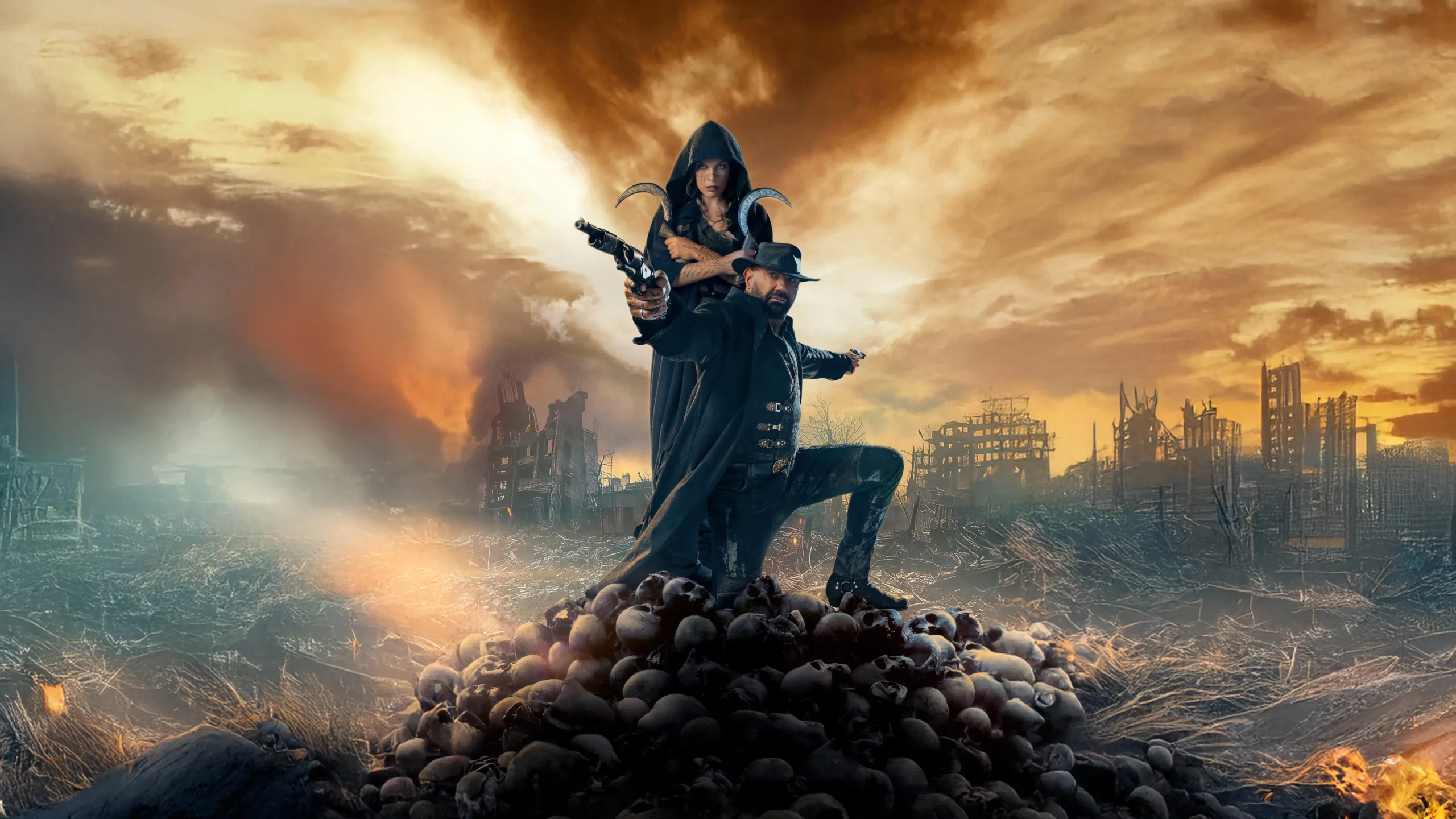
In a world reshaped by calamity, the film presents a setting marked by desolation fused with fantastical and Western motifs. The narrative unfolds in a future where human society has crumbled, leaving behind a stark environment that draws upon a rich literary source.
Adapted from a renowned short story by George R.R. Martin, the movie portrays a quest infused with elements of witchcraft and supernatural influence, inviting viewers to consider the interplay of myth and modern spectacle.
The director employs a method that aligns the aesthetic of interactive digital media with traditional film techniques. The use of state-of-the-art digital production tools creates environments that feel both constructed and palpable, offering a visual experience reminiscent of popular digital art forms yet grounded in cinematic tradition. This technique results in images that reflect a tension between programmed design and artistic expression.
Within this altered society, a restructured social order emerges from the ruins of familiar civilizations. The film introduces a conflict that pits ancient magical powers against the remnants of a failed world, urging the audience to reflect on how cultural histories and artistic legacies shape narrative forms.
Interwoven Tales and Settings
The film sets a story where a central figure faces two competing missions: one task demands harnessing a mythical creature’s power to fulfill a wish that alters destiny, while another force seeks to thwart that transformation.
At the heart of this plot is the quest for a werewolf’s strength, which acts as a catalyst for change within a fractured society. The narrative follows a character caught between the demands of a royal figure who seeks transformation and a knight who opposes that very change, creating a layered conflict that challenges the viewer to consider how conflicting desires shape individual identity.
The film’s visual domains offer clear markers of its cultural origins. One scene takes place amid a scorched expanse known as the Fire Fields, where the harsh environment mirrors the internal turmoil of the characters.
Another sequence unfolds along the eerie Skull River, where the remnants of past civilizations evoke a sense of history that is both ancient and scarred by modern mishaps. The City Under the Mountain provides a setting that contrasts the open desolation with claustrophobic structures, reinforcing the challenges faced by the characters as they traverse through space that is at once familiar and radically altered.
From the very first moments, the narrative voice establishes a tone that is both stark and reflective. The film opts for rapid introduction of key plot points, followed by moments of pause that let personal exchanges carry significant weight.
Action sequences intersect with quieter scenes of reflection, creating a textured narrative rhythm that mirrors the film’s visual complexity. This fusion of storytelling with carefully constructed settings invites the audience to compare these elements with other works in the same field, prompting a reconsideration of how visual language and narrative conflict are expressed on screen.
Characters in Cultural Contrast
Gray Alys emerges as a figure shaped by myth and burdened by a peculiar destiny. She bears a curse that grants her the power to grant wishes, a gift that simultaneously marks her as both enchanting and isolated.
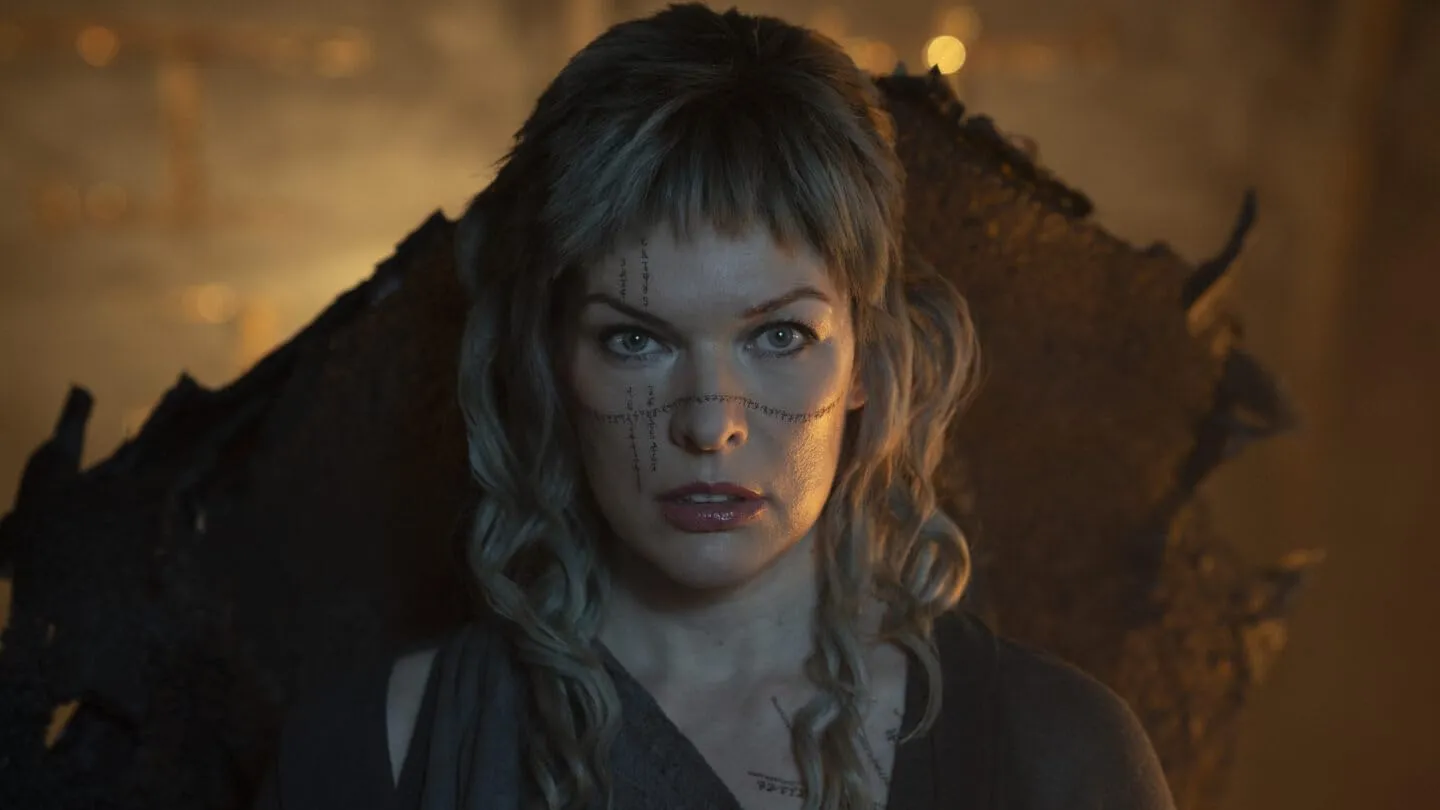
Her character presents a tension between a lighthearted defiance and an inner heaviness derived from a long history of magical influence. Her actions and decisions resonate with audiences familiar with tales of witchcraft from varied cultural traditions, providing a textured view of a woman who is as much a vessel for ancient lore as she is a catalyst for change.
Her inner conflicts mirror debates about personal freedom and the cost of supernatural ability, drawing comparisons to similar figures in global storytelling traditions.
Boyce, characterized by his rugged presence and measured reluctance, offers a counterpoint to Gray Alys. His rough exterior conceals layers of emotional complexity that surface in his interactions with the witch. Boyce is portrayed as a protector and a skeptic, whose involvement in the quest is marked by both personal duty and a sense of reluctant heroism.
His evolving rapport with Gray Alys highlights the challenges of forming alliances in a fractured society, reflecting themes common to narratives that explore the interplay between personal history and external demands.
Supporting figures, such as Queen Melange, the Patriarch, and the Enforcer, further complicate the narrative. Their roles inject varying degrees of ambition, control, and defiance, creating a network of conflicting loyalties and power struggles.
The interpersonal dynamics among these characters add depth to the central conflict, as each brings a distinct cultural imprint. Their presence intensifies the narrative, providing a spectrum of perspectives that challenge simplistic hero-villain distinctions and invite a reexamination of traditional roles in storytelling.
Visual Style & World-Building
The film presents a striking visual approach that interlaces digital art with tangible effects. Its digital settings, created using advanced production tools, generate a realm that appears both meticulously constructed and noticeably raw.

The combination of computer-generated scenes with practical backdrops shapes a visual experience that draws on artistic traditions from various parts of the world, hinting at a mix of established visual storytelling methods and modern digital practices.
Several locations stand out as character markers within the film’s narrative. The scorched expanse known as the Fire Fields mirrors the harsh realities faced by its inhabitants, while the Skull River offers a haunting reminder of lost histories.
In contrast, the City Under the Mountain provides a setting marked by its tight, oppressive feel, highlighting how human activity has been constrained by a new order. Each of these areas contributes to the unfolding narrative, reflecting not only the physical deterioration of society but also the persistent imprint of cultural memory.
The interaction between digital effects and live-action sequences receives particular attention. Scenes that merge digitally rendered landscapes with actor performances can create moments of striking visual impact; however, there are instances where this integration causes a noticeable disconnect.
The quality of the digital work in certain sequences draws comparison to well-known works within the same genre, while the practical elements offer a grounded counterbalance. The resulting interplay invites viewers to consider how modern digital techniques reinterpret familiar cinematic visual cues from different cultural traditions.
The overall atmosphere is crafted with a careful choice of lighting and color schemes. A muted palette interspersed with sudden, intense contrasts sets an ambient tone that is both somber and unexpectedly elegant. This mood prompts viewers to reflect on the visual narrative as a standalone experience, leaving room for personal interpretation.
Kinetic Rhythm and Cinematic Tempo
The film presents scenes with explosive confrontations and visually impressive sequences, such as the bus gunfight that captures raw intensity in a stark, almost unyielding manner.
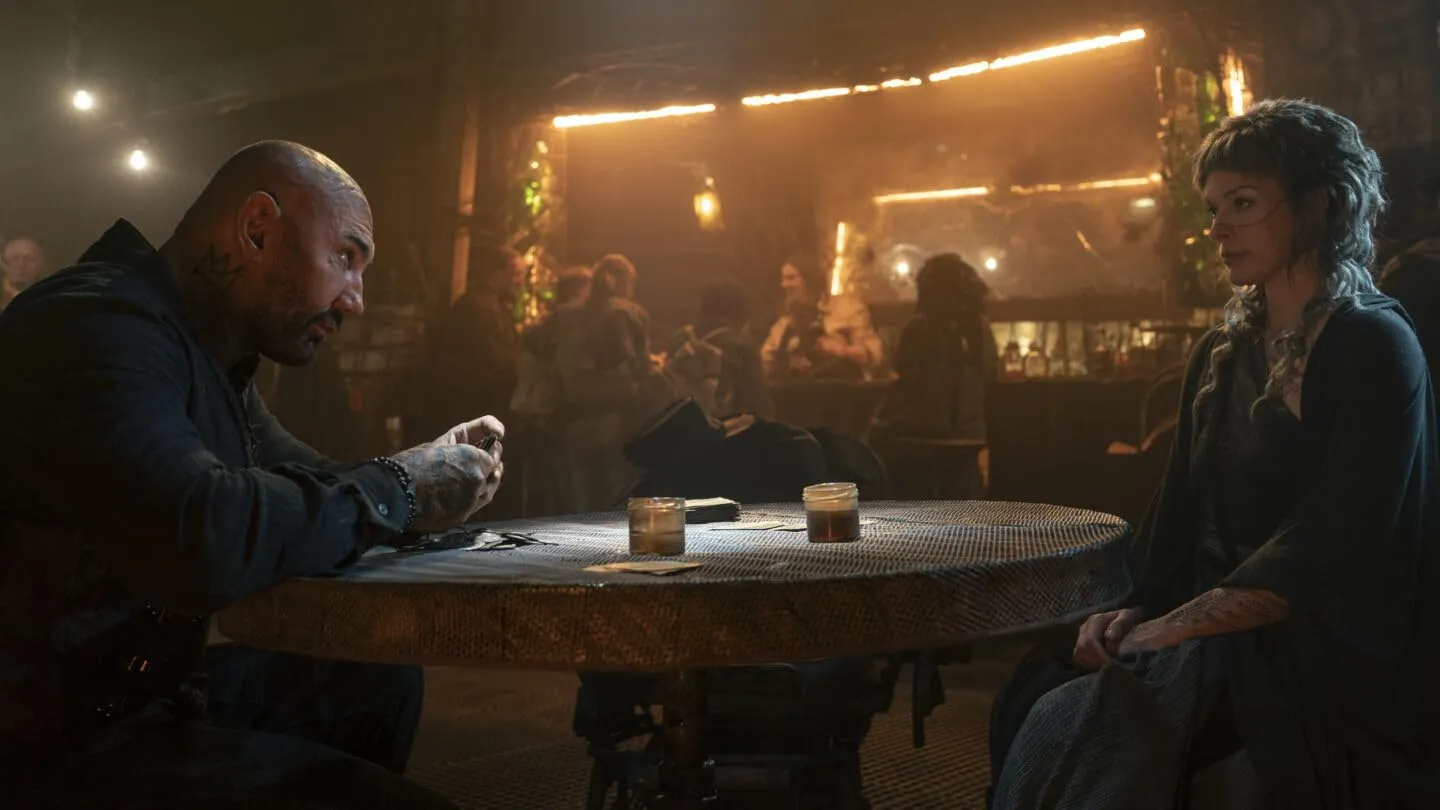
The director blends moments of swift, high-stakes action with pauses that allow character nuances to emerge, creating a tempo that shifts between bursts of adrenaline and brief, reflective interludes.
These action sequences draw on stylistic cues common in global cinematic traditions, where visual storytelling converges with dynamic performance to highlight both external conflict and internal tension.
Specific scenes, including a high-octane chase through ruined urban landscapes, are executed with a precision that mirrors techniques seen in international action films.
The use of slow-motion in key moments transforms the chaos of battle into a study of form and emotion, subtly revealing the psychological undercurrents of the characters involved.
Rapid-fire exposition interspersed with these kinetic moments challenges the audience to keep pace with the narrative while absorbing the visual spectacle.
This deliberate variation in pace prompts viewers to consider how sudden shifts in action impact overall engagement, offering a complex, open-ended interplay between visual intensity and measured storytelling.
Symbolic Landscapes and the Price of Transformation
The film presents a study of change that operates on several levels. One aspect examines a literal change through the acquisition of a mysterious, beastly power, while another reveals personal shifts in character that reflect inner conflicts.
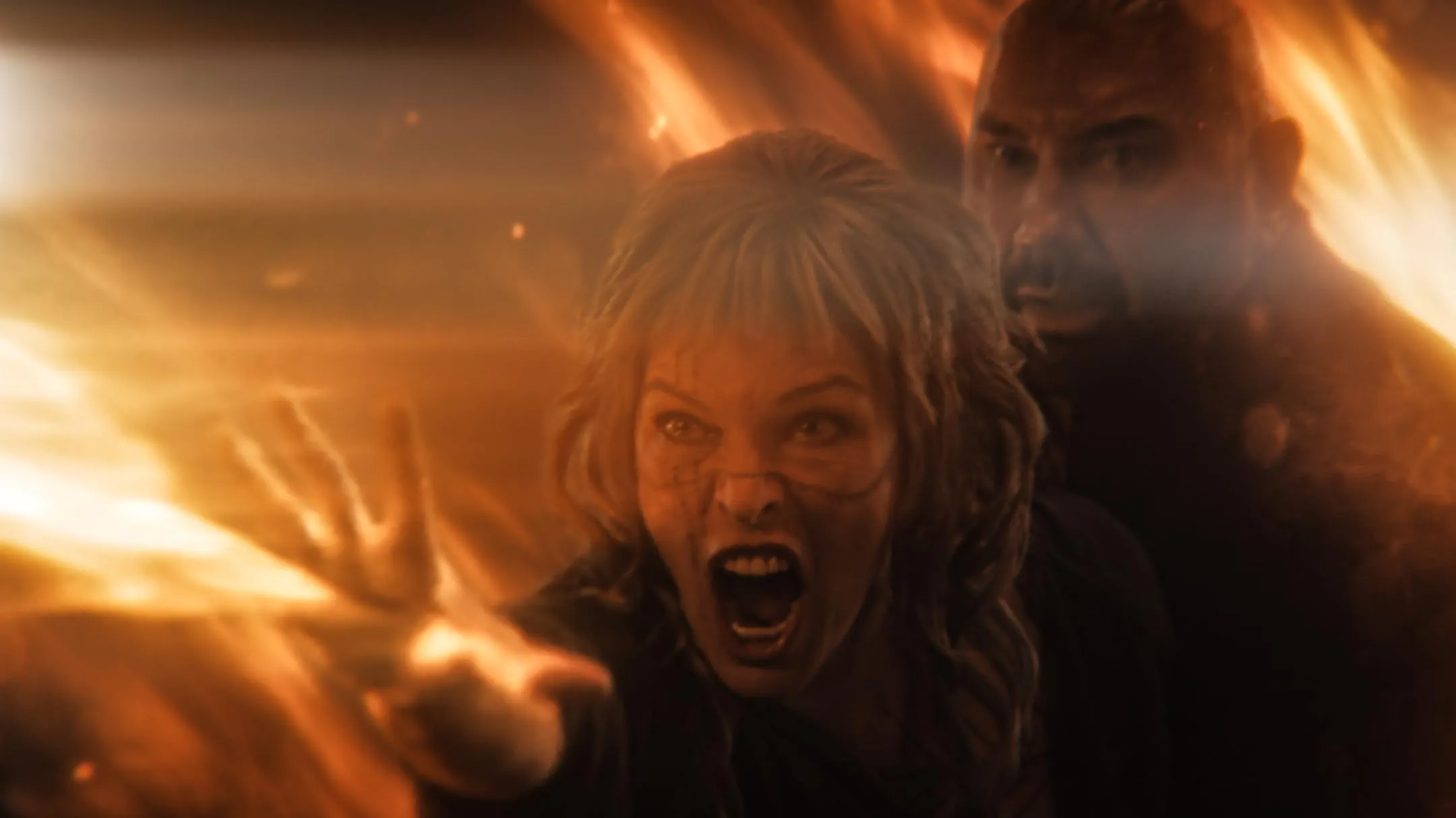
This dual theme of transformation is portrayed as a struggle for control, with the quest for supernatural strength serving as a mirror to the challenges individuals face in modern society. The characters’ pursuits of power mirror tensions seen in various cultures where authority and personal evolution are in constant negotiation.
The settings themselves carry deep symbolic weight. Scorched lands and shadowed ruins do more than provide a backdrop; they speak to histories marked by loss and renewal.
The visual design of these spaces, from the charred open lands to confined urban remnants, serves as a visual metaphor for the clash between ancient traditions and emerging realities.
Character roles also carry symbolic meaning, as some figures represent the persistence of myth while others challenge established orders. This contrast sparks reflection on how destiny can be intertwined with personal choice.
A cautionary thread runs through the narrative, where the desire to command transformative power brings unforeseen costs. The film uses its fantastical elements to offer a commentary on the perils of unchecked ambition, the sacrifices demanded by power, and the unpredictable outcomes of wish fulfillment.
Such themes encourage a reexamination of how cultural values inform ideas of control and self-determination, leaving room for ongoing debate about the true price of change.
The Review
In the Lost Lands
In the end, the film offers an intriguing cultural experiment, wrestling with myth and modern cinematic techniques. Its exploration of transformation and the cost of ambition sparks meaningful questions, yet the narrative sometimes loses focus and emotional depth. While the visual craftsmanship and philosophical aims are commendable, the execution remains uneven. Verdict: a bold, mixed attempt at cross-cultural storytelling.
PROS
- Visually ambitious world-building
- Unique fusion of digital and practical effects
CONS
- Inconsistent narrative focus
- Uneven emotional depth
- Clunky exposition at times
- Confusing character motivations







