





















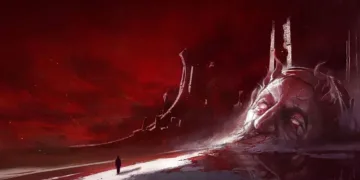
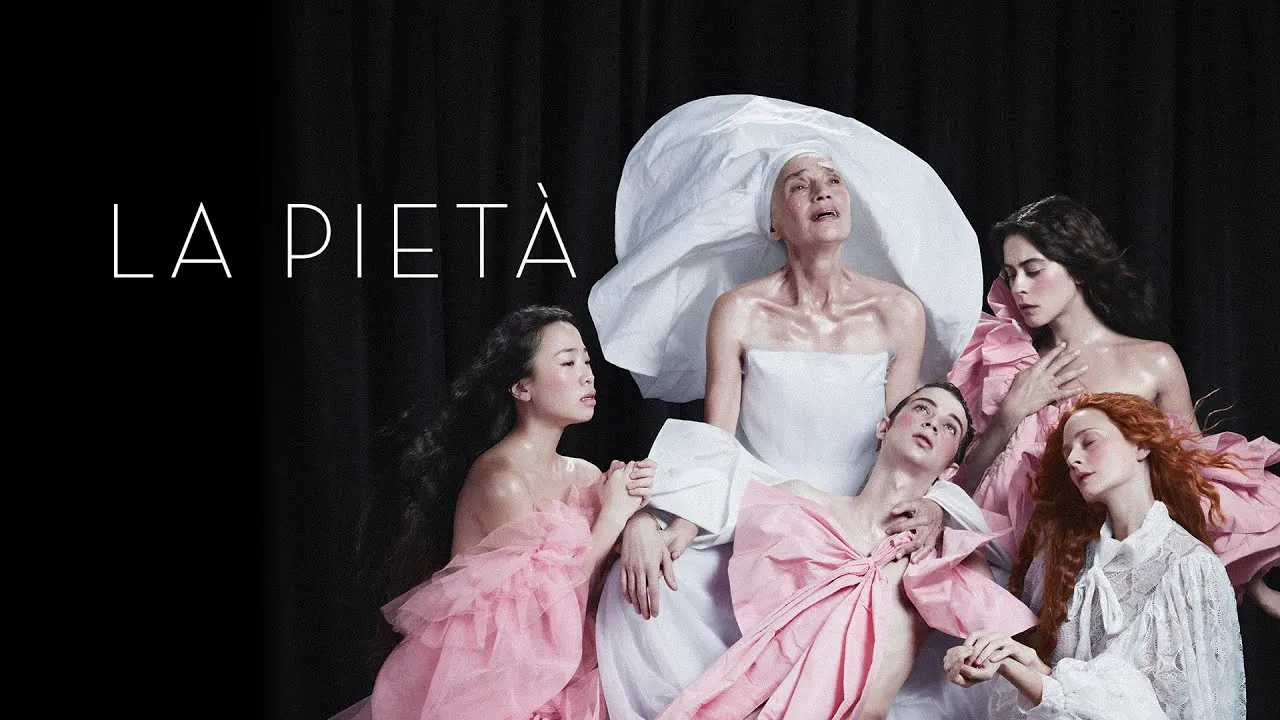

In 2011 Spain, the film invites us into a world where familial bonds morph into a potent, almost spectral union. The narrative focuses on a mother and her son, bound by a devotion that teeters between tenderness and a form of possessive sorrow.
This intricate relationship mirrors the silent agony captured by Michelangelo’s celebrated sculpture—a visual prayer of loss and love reinterpreted in a distorted familial context.
The atmosphere is charged with surreal imagery and a disquieting humor that shimmers on the edge of the macabre. The film crafts its reality through striking contrasts: everyday scenes imbued with an otherworldly pallor, where the mundane transforms into an eerie stage for emotional extremities.
An overt theatricality permeates each frame, inviting us to witness a dynamic where nurturing evolves into a spectral, almost ritualistic clinging. The director casts a probing eye on a bond that seems to constrict identity while clinging to the remnants of life.
Through a series of unsettling images and symbolic interludes, the work raises profound questions about the nature of connection, the price of intimacy, and the inexorable pull of mortality.
The Labyrinth of Time and Tension
The film unfolds as a delicate interplay of memories and present strife, where flashbacks emerge like faint echoes of a life both lived and reimagined. The narrative dances between fragments of past recollections and the palpable unrest of the current moment, its structure a fluid arrangement that challenges the ordinary.
Memories spill over into the now, suggesting that time is not a straight line but a swirling vortex of cause and consequence. The storytelling unfolds in a manner that disturbs conventional expectations, as the viewer is invited to question the veracity of each remembered detail.
At the heart of this intricate tapestry lies the relentless bond shared by Libertad and her son Mateo. Their connection is painted with a palette of emotional extremes—a relationship that is at once suffocating and inescapable.
When the weight of Mateo’s terminal diagnosis emerges, the narrative shifts abruptly into realms of physical and emotional distress. His illness becomes a harbinger of change, a specter that forces him to confront a life saturated with both tender dependence and an unbearable need for liberation.
The film arranges its moments of intense personal revelation with a precise, almost ritualistic timing. As Mateo begins to resist the gravitational pull of his mother’s control, the story fractures into episodes of heightened conflict.
Libertad’s relentless measures to preserve their intertwined existence are rendered with a stark realism, while intermittent sequences—a subplot bearing strange resemblances to an authoritarian allegory—offer a counterpoint that is as jarring as it is thought-provoking.
Every shift in scene appears meticulously crafted to deepen the inquiry into the nature of control and the elusive search for freedom. Symbolic fragments, presented as fleeting, almost dreamlike interludes, imbue the narrative with an ambiguity that lingers in the mind, leaving questions that seem destined to haunt the viewer long after the images have faded.
Specters of Self: Characterization & Performances
Mateo emerges as a figure of internal conflict, his progression from a state of clinging dependence to an uncertain pursuit of freedom marked by palpable contradictions. His struggle is etched in the weariness of guilt, and a restless curiosity regarding the man whose absence has haunted his memory.
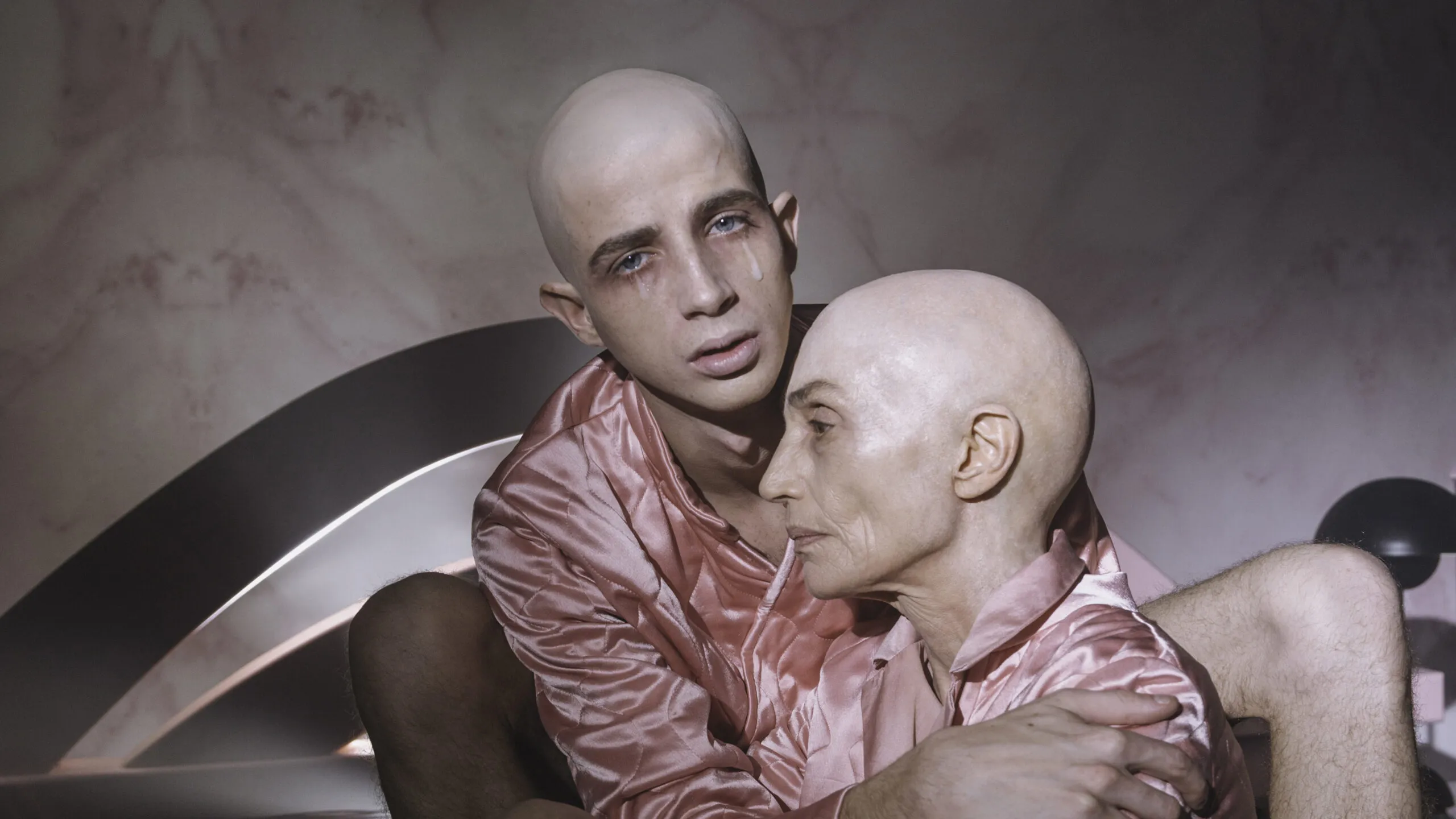
The physical ravages of illness are intertwined with these emotional fissures, making his quest a testament to the weight of inherited sorrow and a search for self-definition.
Libertad, portrayed with a presence that is both tender and unyielding, captivates through a disturbing duality. Her nurturing nature is interlaced with an iron grip of control that exerts an almost hypnotic force on her son.
In her every action, one sees the reflection of a maternal love that has transmuted into an oppressive force—a love that seeks to envelop and confine rather than liberate.
Supporting figures, such as Roberto and Marta, cast long shadows over the central narrative. Their brief appearances add complex layers to the protagonists’ troubled bond, serving as mirrors that reflect both lost opportunity and the pain of fragmented identity.
The performers channel a raw emotional energy that captures the film’s undercurrent of dread and wry humor. Their portrayals resonate with moments of unspoken intensity, each gesture and pause a silent dialogue with the audience. The interplay of physicality and subtle emotional cues elevates the characters to icons of a shared existential torment—a reminder that the self is often a battleground of both tenderness and torment.
Chromatic Dissonance: The Visual Pulse
The film’s visual landscape presents a study in disquieting contrasts. A pervasive, unnerving pink floods the screen—a hue that asserts itself with the intensity of a heartbeat against the sterile expanse of grays and whites.
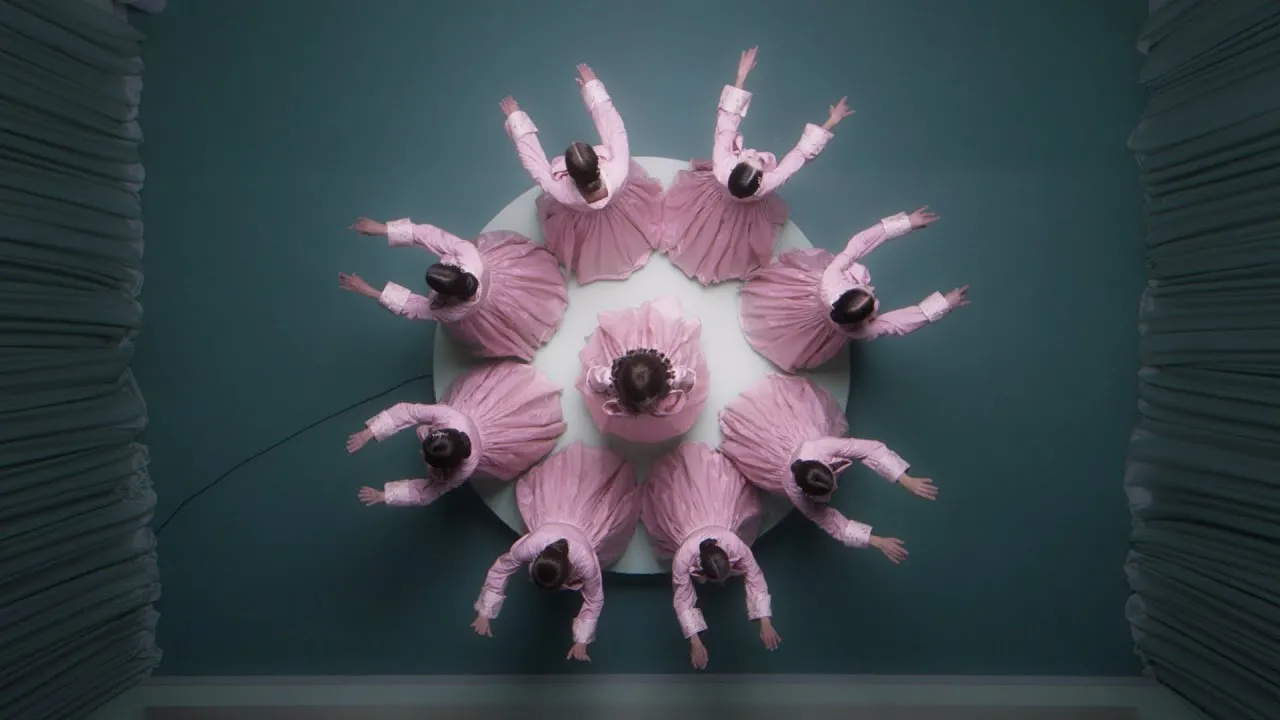
This stark color arrangement transforms each scene into a canvas of suspended tension, where every glance of pink stirs a sense of imminent unease. The interplay of these colors, rendered with deliberate precision, summons images of both delicate beauty and latent decay.
Meticulous set design reinforces this atmosphere, with symmetrical structures and cold, clinical spaces that recall a realm stripped of warmth. Surfaces, fashioned from materials reminiscent of polished marble, evoke the texture of human flesh in states of quiet disintegration.
These crafted environments serve as a silent commentary on the fleeting nature of beauty and the unavoidable erosion of life, inviting reflection on the transitory state of human existence.
Lighting and framing further accentuate the film’s surreal tone. Shadows intertwine with harsh illuminations, casting figures into a chiaroscuro that unsettles as much as it captivates.
Specific sequences employ unusual camera angles and tightly composed frames, capturing moments that seem to hover between the real and the imagined. This deliberate manipulation of perspective heightens the emotional stakes, as if the viewer were peering into a meticulously constructed dream.
In addition, brief interludes featuring rigid, almost ceremonial North Korean imagery provide a visual counterpoint, presenting an austere, regimented style that punctuates the otherwise fluid domestic setting. These sequences act as a visual metaphor, provoking questions about control and order within a world steeped in chaos.
The Sacrifice of Self: A Dance of Shadows
The film speaks in a language of unyielding bonds and fractured identities, portraying a connection so intimate it simmers with feverish intensity. An unhealthy link between mother and son emerges as a relentless force, suffocating any spark of individual spirit.
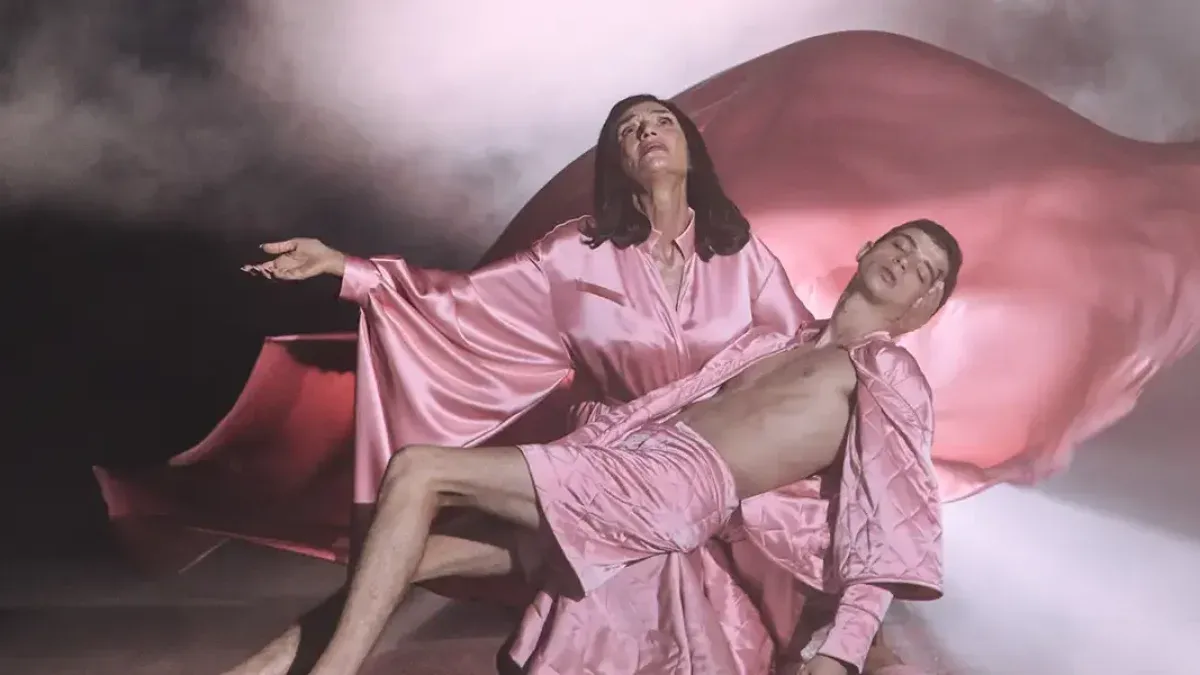
This connection becomes a mirror for the tragic interplay of maternal care and a compulsive need to dominate, where every glance and measured gesture hints at a deep-seated hunger for self-erasure under the guise of love.
Mateo’s journey unfolds as a series of stark contradictions. Raised in an environment where each memory is steeped in the weight of maternal presence, his progression carries a slow and wrenching awakening. A yearning for the absent figure of his past collides with the comfort of total dependency, leaving him caught in inner turbulence. His affliction is cast not solely as a physical decline but as a signifier of internal corrosion wrought by an unyielding connection.
Libertad’s persona exerts a disturbing magnetism, a blend of care intertwined with compulsive control. Each act of tenderness conceals an undercurrent of domination, painting a portrait of a figure who bestows life while also extracting it. Figures such as Roberto and Marta, though fleeting in appearance, inject brief moments of contrast that illuminate the fractures within this entangled existence.
Recurring imagery of sacred symbols and authoritarian motifs invites a meditation on sacrifice and submission. Sequences inspired by timeless religious art evoke a muted lament, where the ritual of care transforms into an act of self-denial.
At the same time, the austere visuals borrowed from far-off, regimented settings offer a striking counterpoint to the domestic chaos, prompting a meditation on how personal ties may mirror the rigid structures of power and control.
Unorthodox Craft: Casanova’s Cinematic Artistry
Eduardo Casanova exhibits a daring cinematic language that defies the expected norms of storytelling. His style unfolds through a series of carefully chosen images and narrative shifts that seem to reject the conventional.
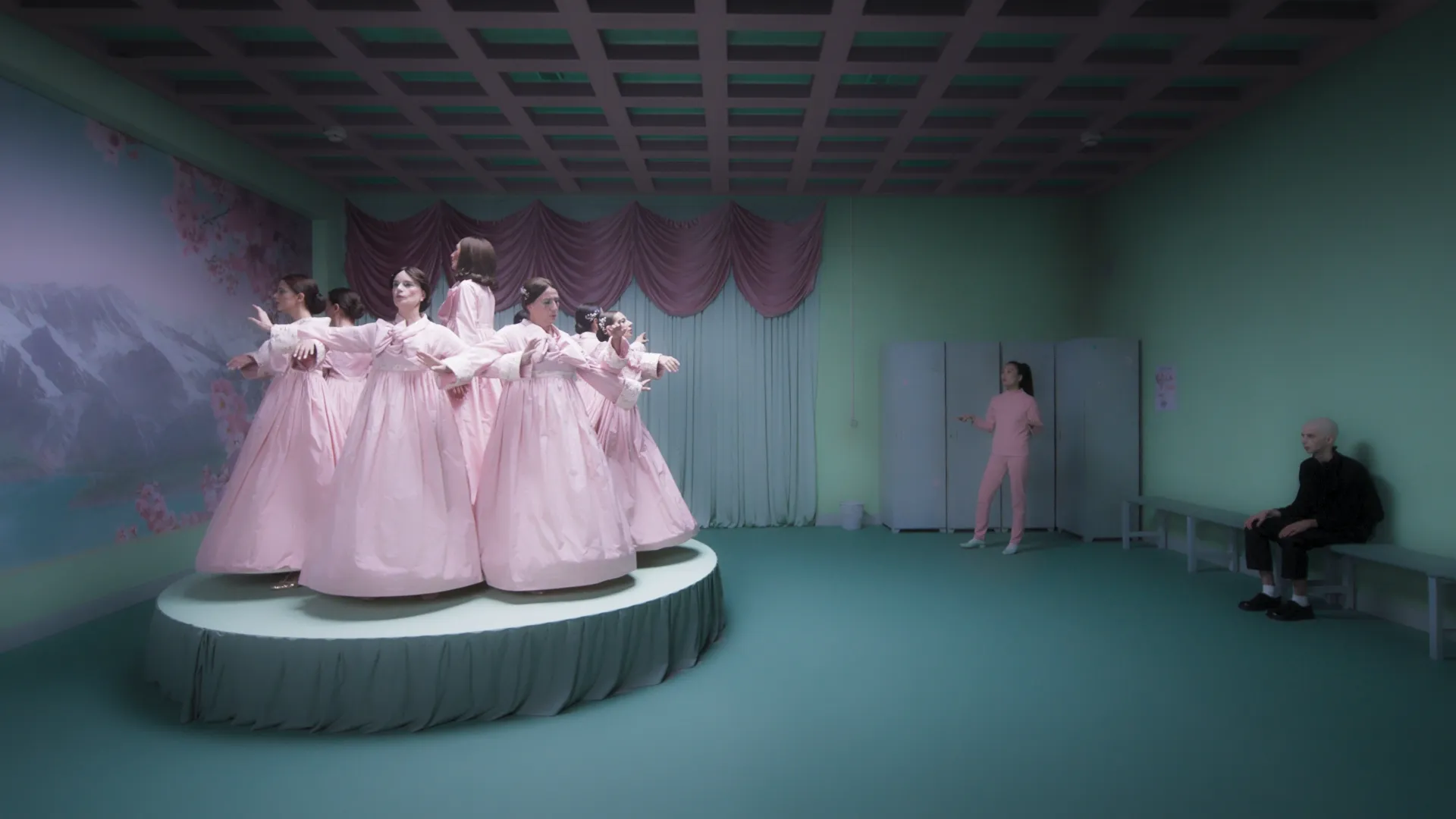
Scenes are arranged non-linearly, with reflective interludes that disrupt the flow and compel the viewer to experience time as a collage of moments rather than a continuous stream.
Casanova employs surreal imagery that unsettles as much as it invites contemplation. His deliberate use of abstract allegories transforms familiar symbols into enigmatic puzzles, provoking thought on the nature of control and loss. This approach to imagery, rich with metaphor and ambiguity, instills a feeling of disquiet that persists long after the screen fades to black.
The director’s craft is evident in the manipulation of editing and pacing. A series of sudden transitions and lingering frames infuse the film with a sense of uneasy rhythm. The careful orchestration of visual motifs, whether through the stark interplay of colors or the precise design of each set, crafts an atmosphere that is both immersive and disorienting.
Casanova’s aesthetic choices, spanning from his audacious color schemes to the meticulous detail in set construction, form a visual banquet that challenges viewers to reexamine their assumptions about narrative form. There is an inherent tension in the way shock and reflection coalesce—a tension that, while sometimes erratic, leaves an indelible mark on the observer.
Final Reflections: A Meditation on Form and Fury
The film unites narrative, character, color, and symbolic suggestion in a manner that shakes the soul. Its charged imagery and fractured timeline merge with the turbulent relationship at its core, rendering a vision that unsettles while provoking silent inquiry.
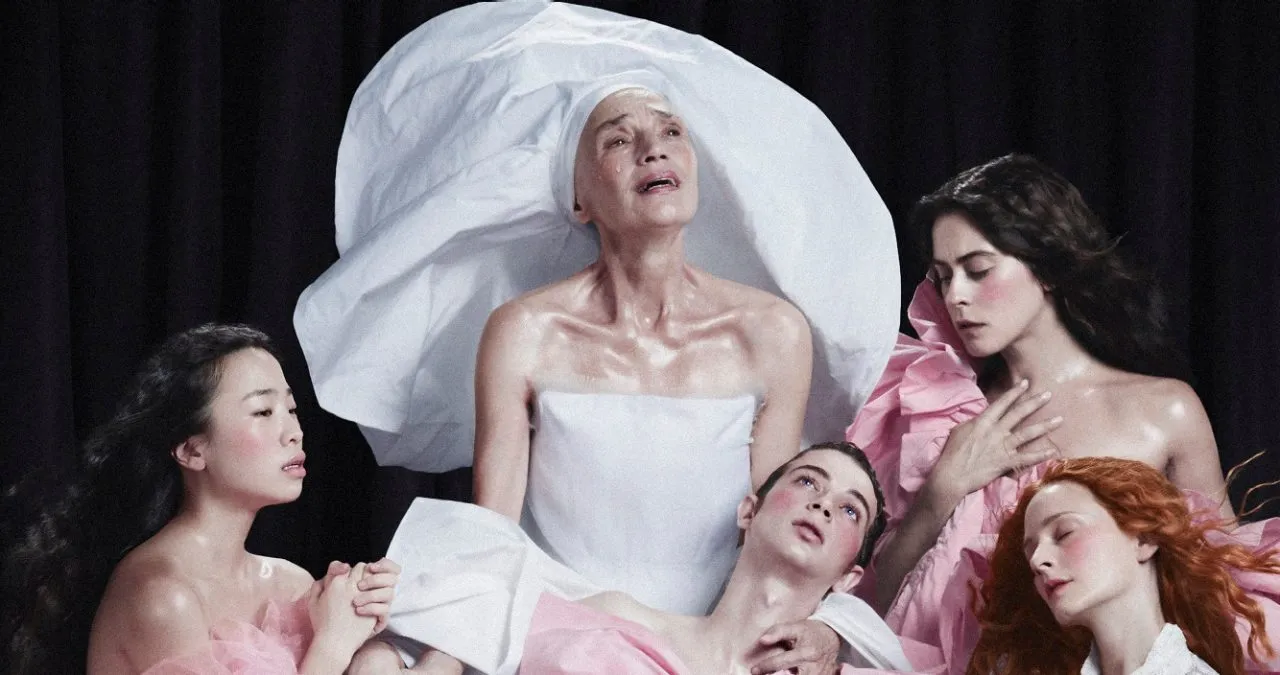
The interplay of stark domestic scenes with chilling foreign echoes provokes a quiet questioning of what is inherited and what is chosen. One senses in this work a raw mirror reflecting the human struggle against forces that nurture and confine in equal measure.
The portraits of mother and son, each a study in fervor and despair, evoke meditations on the cost of unyielding attachment and the price of self-abnegation.
Casanova’s approach is painted in hues of rebellious artistry—a willingness to experiment with form, time, and visual allegory that leaves an indelible mark. His craft creates spaces that both arrest and mystify, inviting contemplation of our own intertwined histories.
Questions arise, quietly and persistently: What is sacrificed in the quest for security? How does one distinguish between care and control? The film lingers as an ode to passion that burns and soothes simultaneously, a quiet explosion of ideas that refuses to fade from memory.
The Review
Piety
A boldly imaginative exploration of unyielding bonds and existential anguish, the film challenges viewers to confront the interplay of care and control through its daring, surreal visuals and fractured narrative. Casanova crafts a provocative, albeit unsettling, vision that sparks reflection on the intricate ties of human existence.
PROS
- Thought-provoking exploration of themes
- Provocative imagery and allegory
- Bold, committed performances
- Poetic narrative structure
- Visually arresting aesthetic
CONS
- Challenging to follow at times
- Unsettling tonal shifts