

















![Kingdom Hearts Collection [I-III] Review](https://gazettely.com/wp-content/uploads/2026/10/Kingdom-Hearts-Collection-I-III-1-360x180.webp "Kingdom Hearts Collection [I-III] Review: KHII Holds Steady as Newer Entries Fluctuate 37")



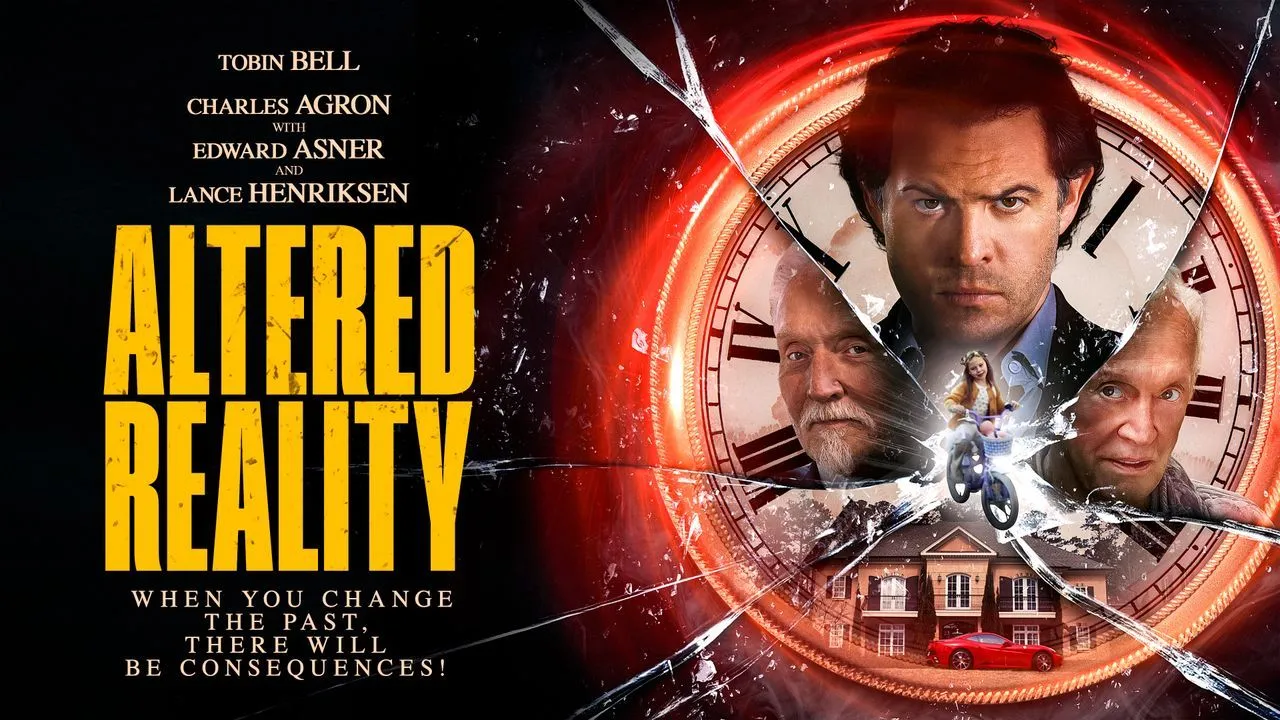

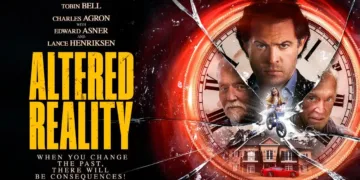
Altered Reality places corporate scientist Oliver Cook at the center of a tale that loops obsession and regret. Cook’s breakthrough pill promises miraculous cures yet exacts a higher price when his daughter Katy vanishes without warning. The film shifts between the anonymous urban sprawl of its unnamed U.S. setting and the moss-draped corridors of Spring Manor in Georgia, where time fractures like a cracked mirror.
This sci-fi thriller folds into a family drama and a Faustian myth, asking what fragments of self we would sacrifice to rewrite loss. Director Don E. FauntLeRoy employs disjointed flashbacks that jolt viewers out of temporal comfort, echoing Jean-Luc Godard’s playful sleight of sequence in the French New Wave. Scenes drift between warm sepia tones and shadowed modern interiors, suggesting memory’s hazy hold.
The story probes grief’s ability to warp reality—Cook’s desperation to undo tragedy becomes its own perilous experiment. Supernatural suspense and murky moral stakes intertwine as editing stitches past and present into uneasy proximity. This section will examine how those narrative choices shape audience engagement, unravel character motivations, and reveal technical strengths in cinematography and sound design, offering a lens on storytelling ambition in contemporary genre cinema.
Fractured Time and Tenuous Threads
The film’s nonlinear approach echoes a jazz improvisation, leaping between Oliver’s celebratory party and the silent park where Katy vanishes. Initial scenes arrive without warning, placing viewers in media res and demanding active piecing together of cause and effect. This jumbled chronology highlights Oliver’s emotional disorientation, yet occasional abrupt cuts risk leaving narrative gaps too wide for easy reconstruction. A clearer anchor—perhaps a repeated visual cue—could guide the audience through these temporal shifts.
Key revelations are spaced unevenly. The party-turned-tragedy functions effectively as an inciting incident, but the midway disclosure of Jack’s true nature and the pill’s properties arrives with little build-up, undercutting tension. The final time-travel attempt carries weight, yet its payoff feels rushed, as if energy were concentrated in the climax at the expense of earlier momentum. A steadier pacing of pivotal moments would maintain suspense without sudden drops in intensity.
Several subplots remain in shadow: Cooper’s offhand remarks on Spring Manor repairs, Kate’s late-game appearance and Jack’s ancestral ties invite questions but offer scant answers. Oliver’s failure to react to ghostly vanishings stretches credulity, straining our buy-in. Writers might tighten these strands by pruning underused threads, reinforcing character motivations, and aligning each reveal with clear emotional stakes—ensuring every twist feels earned.
Echoes of Loss in Performance
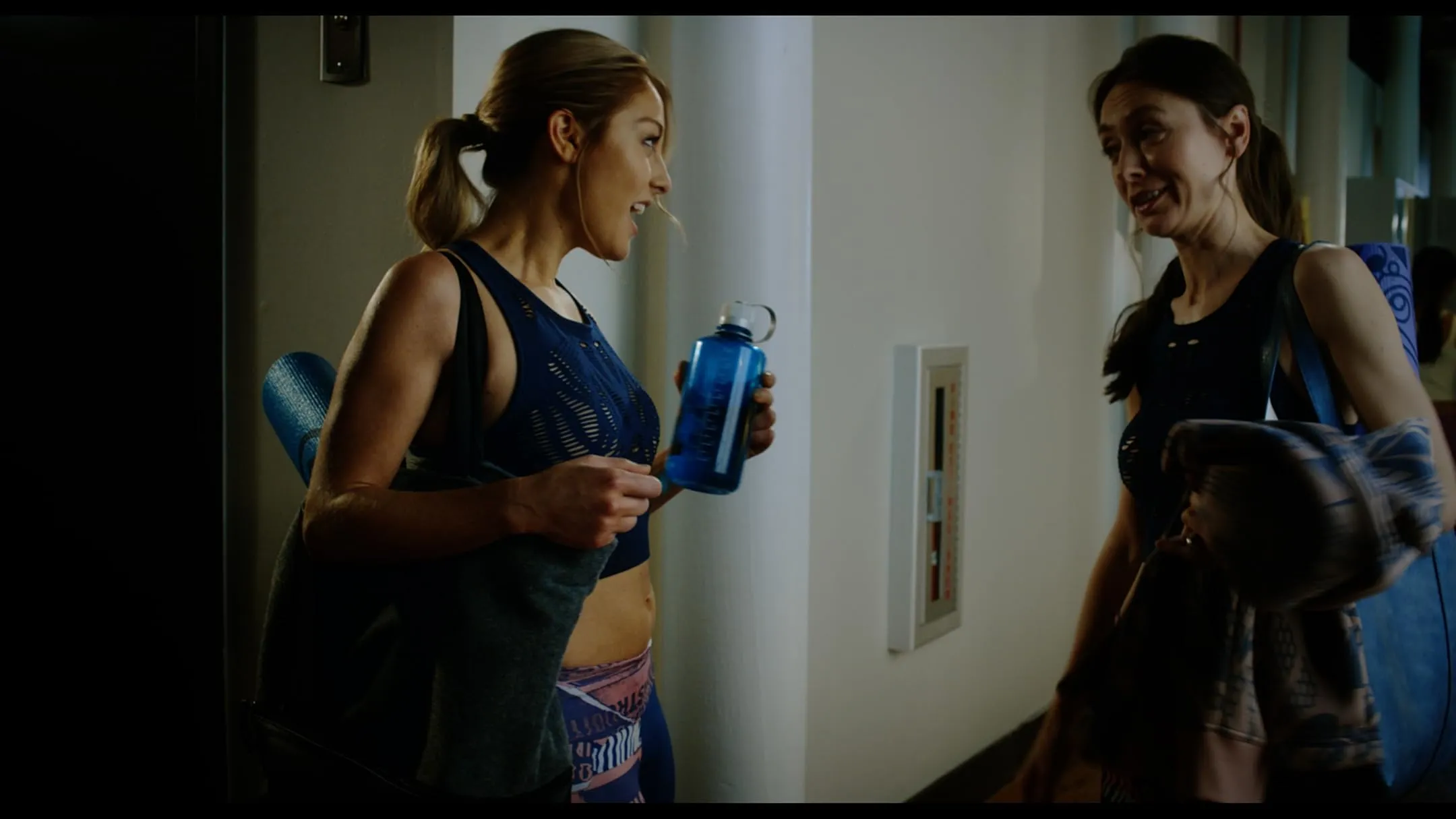
Oliver Cook’s journey from driven executive to grief-stricken time-traveler hinges on Charles Agron’s willingness to shift gears mid-scene. Early moments capture a sleek workaholic, his movements precise as a jazz solo—each gesture deliberate. After Katy’s disappearance, Agron loosens into haunted vulnerability, eyes darting like improvised notes in a Coltrane piece. His rapport with Alyona Khmara grounds their marriage in lived-in warmth, then shatters convincingly during their confrontation over his alleged affair.
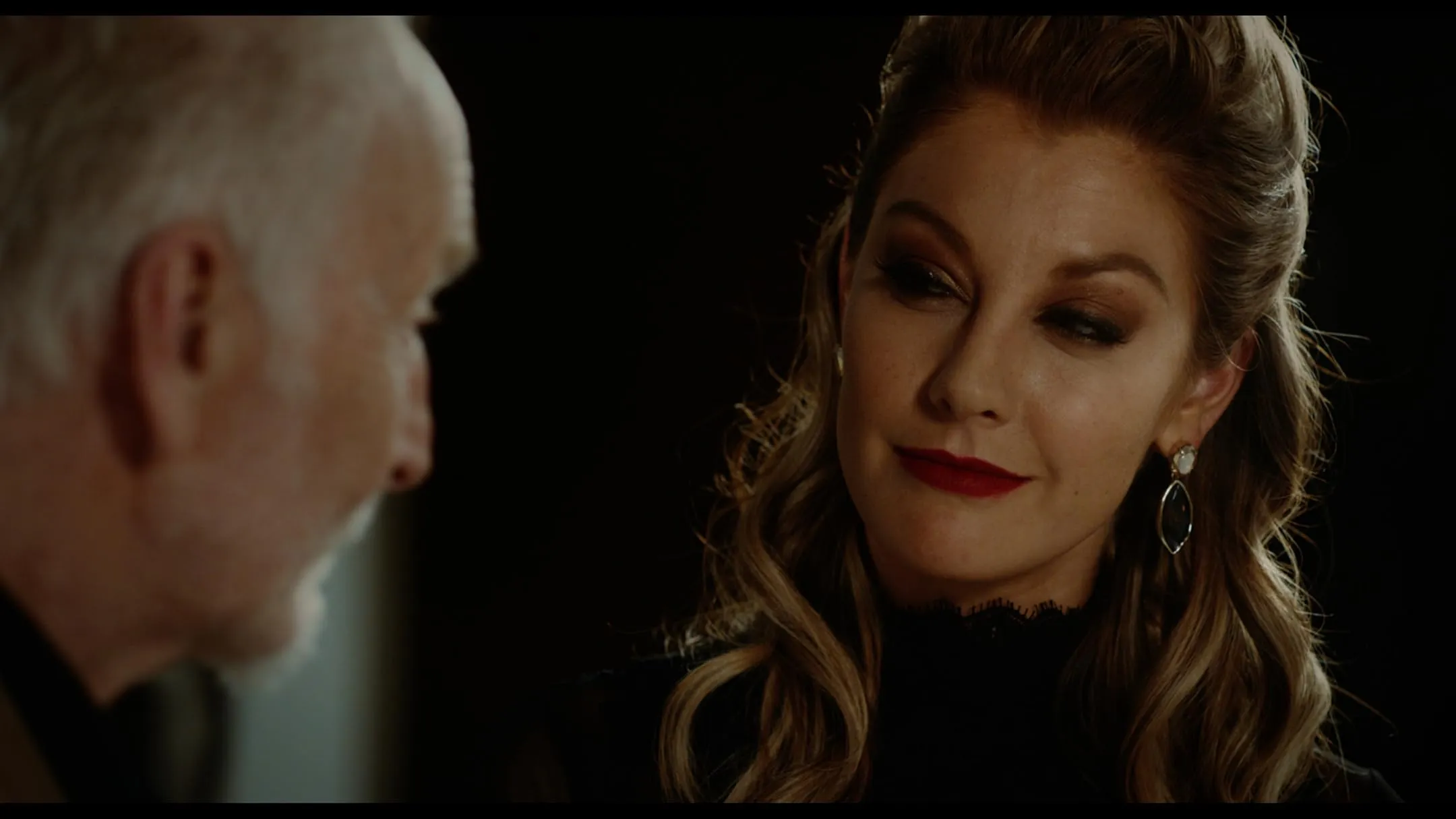
Khmara’s turn as Caroline navigates suspicion and sorrow with quiet force. She balances hushed sorrow when searching empty rooms against rupturing anguish on learning of Oliver’s infidelity. That scene crackles with urgency, recalling Truffaut’s knack for sudden emotional turns. Caroline’s pain never feels staged; Khmara anchors her grief in every line of dialogue.
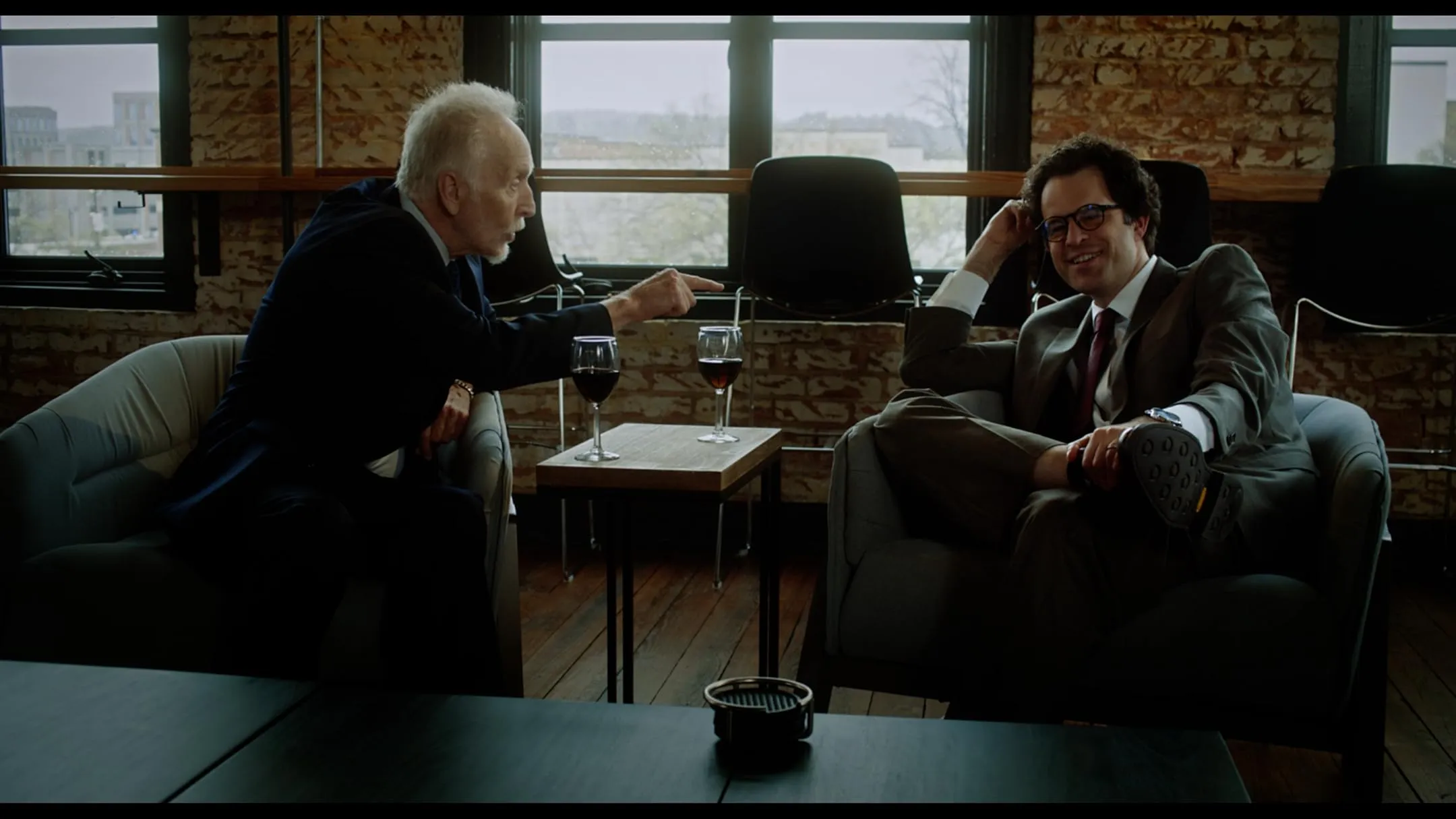
Lance Henriksen as Jack plays the ghostly Mephistopheles with sly restraint. His brief appearances bear the weight of centuries—he looms large despite limited screen time. Henriksen’s calm delivery lends gravitas to an otherwise slippery mythology, making each arrival an event.
Tobin Bell’s Cooper Mason provides a cynical counterpoint, his smirks and clipped lines serving as narrative ballast. Krista Dane Hoffman’s Alex injects a seductive wild card, her subplot revealing fractures in Oliver’s world. Minor players—Brittany’s fleeting kindness, Kate’s late-game revelations, Ed Asner’s cameo—feel like thematic breadcrumbs. Writers should note whose arc commands attention and where underused roles could be streamlined for emotional focus.
Painting Time’s Echo in Light
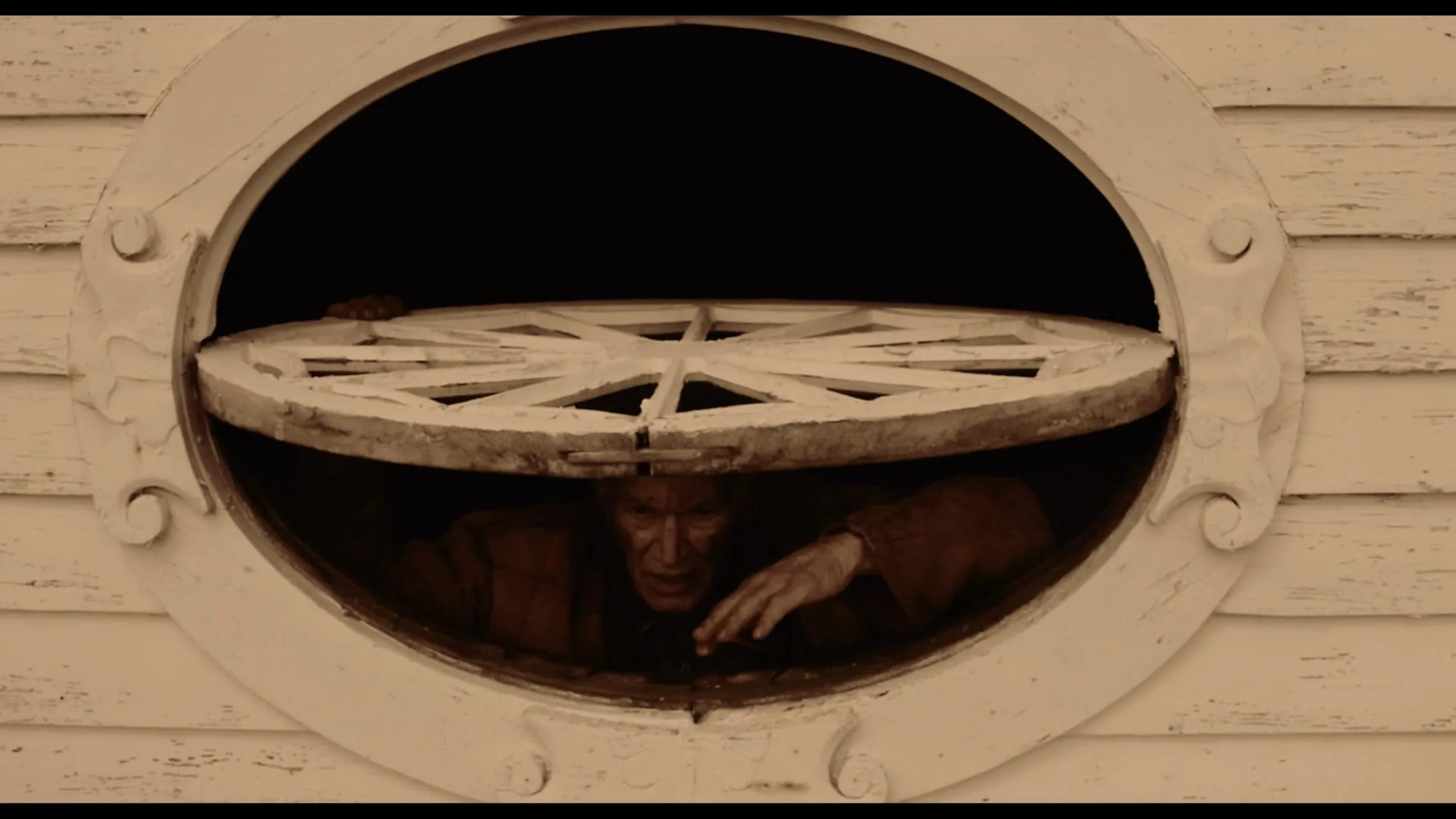
Altered Reality’s color palette shifts like a well-timed jazz riff, moving from sun-washed sepia in flashback to a muted brownish tint during time-travel sequences. The sepia evokes Truffaut’s nostalgia for youth, bathing past moments in warm melancholy. When Oliver steps through temporal folds, the sudden hue shift underlines the unnatural weight of his experiment.
Cinematographer Don E. FauntLeRoy relies on tight close-ups to capture grief’s raw edges—Oliver’s haunted gaze fills the frame, each microexpression lingering like a held trumpet note. By contrast, Spring Manor’s wide establishing shots reveal peeling paint and overgrown grounds, anchoring supernatural whispers in a tangible, lived-in space. These compositions balance intimacy and scope, inviting viewers to feel both personal loss and the manor’s silent presence.
Visual effects land with practical simplicity: Jack’s vanish-and-reappear moments achieve a dreamlike quality through subtle match cuts, avoiding digital gloss. Pill-induced distortions crack reality around Oliver’s fingertips without overwhelming noise—a restrained choice that honors the film’s indie spirit.
Production design further reinforces thematic tension. The manor’s antique furnishings and ghostly heirlooms speak to ancestral weight, while the corporate lab’s sterile surfaces and clinical lighting underscore Oliver’s moral detachment. Together, these visual elements form a cohesive language that guides the audience through fractured time and emotional terrain.
Signs Etched in Time
Grief pulses through Altered Reality’s veins, driving Oliver’s bargain with Jack. His family trauma—Katy’s sudden disappearance—sparks a supernatural deal born of desperate longing. The film asks what cost we’d pay to erase pain, and in doing so it taps into a cultural obsession with quick fixes over honest mourning.
That Faustian bargain motif places Oliver as a modern Faust, Jack as a Mephistophelean figure cloaked in 1950s noir aesthetics. Each time Oliver swallows a pill, he trades a fragment of his soul for fleeting control—echoing tales from Goethe to the cautionary fables of David Cronenberg’s experimental thrillers.
Corporate ambition looms large: the miracle drug’s $50,000-a-pill price tag satirizes big pharmaceutical hubris. Oliver’s priorities shift from parenthood to profit, reflecting real-world anxieties about healthcare as commodified privilege. It’s a reminder that science fiction often mirrors genuine societal debates—here, the ethics of life-saving technology.
Time itself becomes elastic, bending at Spring Manor’s boundaries. The estate stands as a nexus between eras, its decaying walls housing echoes of ancestral secrets. Through fractured editing, past and present overlap like distressed celluloid, suggesting memory’s unreliability.
Symbolic objects anchor these themes: the pill bottle, glinting under sterile lab lights, represents Pandora’s cure; Katy’s scattered drawings carry the innocence Oliver yearns to reclaim; heirlooms in the manor whisper of choices long buried. Writers can trace these motifs to illuminate how Altered Reality weaves its moral tapestry—one where every choice leaves a visible scar.
Rhythms of Time and Sound
Altered Reality uses a patchwork editing style that calls to mind Godard’s jump cuts, snapping viewers between celebration and loss. Flash cuts propel us into Oliver’s fractured psyche, while dissolves soften transitions into memory—though the jumbled ordering sometimes trips its own foot. When scenes linger too long on corporate triumph, tension seeps away; then the late-act rush to resolve time loops can feel abrupt. Balancing those beats more evenly would sustain intrigue without sharp jolts.
Pacing hinges on contrasting durations: the party sequence sprawls over several minutes, establishing hubris, while manor scenes flicker by, as if haunted by unseen hands. A tighter trim on early revelry could sharpen stakes, leaving room to breathe in the manor’s eerie stillness.
Andrew Morgan Smith’s score channels classic noir, upright bass lines slipping beneath tense landscapes, yet at times it presses too insistent a pulse over quieter moments. Ambient sound—whispers in the woods, murmurs at the lab bench—works beautifully to immerse us, and a subtler mix could let those textures sing.
Dialogue mixing varies: close quarters at Spring Manor allow whispered urgency, but party chatter often overlaps into muddled audio. Raising key lines and dialing back background noise would heighten clarity. Thoughtful, selective cuts and refined sound layering would bolster the film’s emotional cadence.
Mapping the Pill’s Paradox
Altered Reality steps into time-travel territory with its own rules, trading flux capacitors for a pill-based method. Unlike the meticulous loops of Primer or the playful cause-and-effect flips in Back to the Future, this film treats the pill’s power as a sudden reveal. Once Oliver uncovers the ingredient hunt subplot, he gains temporal access—but the mechanics arrive late, leaving early acts to float in mystery.

Internal logic wavers when paradoxes multiply. A brief loop shows Oliver’s actions erasing one outcome only to spawn another, yet the film never fully addresses whether small changes ripple unpredictably or follow a closed-loop design. Scenes where past and present overlap showcase thrilling potential, but viewers seeking clear guidelines may feel adrift.
Originality blooms in the thriller’s shadowy corners: supernatural whispers at Spring Manor set it apart from mainstream sci-fi. Still, familiar tropes—an ethereal guide figure, urgent ticking clocks—anchor it in genre territory rather than push into experimental cinema.
Predictable revelations undercut tension: Jack’s centuries-old secret and the pill’s ultimate fix arrive with little surprise. To sharpen engagement, the script could sprinkle explanatory beats earlier—perhaps through recurring visual motifs or grounded exposition—to reinforce coherence without draining mystery. Writers might note moments ripe for small clarifications, ensuring each twist feels both surprising and logically sound.
Full Credits
Director: Don E. FauntLeRoy
Writer: Charles Agron
Producers: Charles Agron, Armand Gazarian
Cast: Charles Agron, Tobin Bell, Lance Henriksen, Alyona Khmara, Krista Dane Hoffman, Edward Asner, Kayla Adams
Director of Photography (Cinematographer): Don E. FauntLeRoy
Editors: Andrew Cohen, Scott Conrad
Composer: Andrew Morgan Smith
The Review
Altered Reality
Altered Reality’s ambition shines through imaginative premise and striking visuals, though narrative gaps and uneven pacing undercut its emotional resonance. Strong performances and artful design sustain engagement, and its playful restructuring of time offers thoughtful genre experimentation. Moments that feel rushed or underdeveloped limit its impact, yet the film leaves a lasting impression as a bold, if imperfect, contemporary thriller.
PROS
- Bold visual palette that distinguishes past and present
- Strong lead performances that humanize sci-fi stakes
- Sound design that deepens suspense in key moments
CONS
- Uneven pacing leaves some scenes dragging
- Narrative gaps invite questions without answers
- Several subplots feel underexplored
- Climax resolves too quickly for full impact
- Audio mixing occasionally obscures dialogue