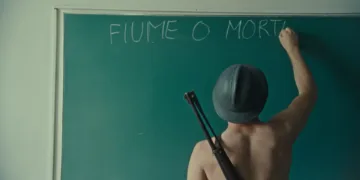























Fiume o Morte! introduces a daring reexamination of an underexplored moment in early 20th-century European history. This film presents a reimagined chronicle of a period when a spirited occupation by a celebrated poet-turned-provocateur transformed the seaport city, known then as Fiume and now Rijeka, into a stage for extraordinary ambition. The narrative centers on the controversial figure, Gabriele D’Annunzio, whose brief seizure of power shaped the region’s cultural memory.
The movie carries an air of playful irreverence, using a mix of recorded history and lively re-creations to create a lively mood. A combination of archival images, reenactments by local residents, and candid interviews contribute to a portrayal that is both spirited and reflective.
The use of non-traditional casting, such as a collective portrayal of D’Annunzio, infuses the film with a raw energy that captures the audience’s attention. The film succeeds in crafting an atmosphere where satire and honest reflection blend to form a rich portrayal of a time when historical events were as dramatic as they were chaotic.
Examining the Historical Fabric
Set against the turbulent aftermath of World War I, the film recreates a period marked by seismic shifts in power. The narrative unfolds during the 1919 occupation of Fiume, a seaport whose location on the Adriatic coast rendered it both strategically important and symbolically charged during a time of rearranged national loyalties. The film portrays Fiume as an emblem of change, a place where traditional structures were upended and new ideas began to take hold.
At the forefront of this narrative is Gabriele D’Annunzio, a figure whose public life and creative output have sparked considerable debate. His transformation from acclaimed poet and dramatist into a military aspirant is presented with careful attention to detail.
The story outlines how he set out to reinvent Fiume as a quasi-independent entity under his command—a feat driven by a mixture of artistic ego and political ambition. His approach left a mark on local memory, highlighting the way his extravagant persona challenged existing social and political hierarchies.
The film uses this historical incident to raise questions about the shifting definitions of cultural and national identity. By engaging with a time when allegiances were in flux and the lines dividing communities were redrawn, it invites viewers to consider how legacies are built and remembered.
Its portrayal of Fiume goes beyond mere chronology to reflect on the interplay between individual ambition and collective experience. The narrative is structured in a way that links personal flair to historical consequence, underscoring how emotional responses to grand gestures can shape public perception.
This careful reconstruction of historical events leaves room for reflection on the forces that drive cultural transformation. It prompts one to wonder how personal ambition can alter a city’s destiny and what lasting impact such pivotal moments may have on the collective memory of a community.
Director’s Vision: Creative Interplay of Fact and Performance
The film introduces a format that unites traditional documentary elements with inventive re-creations, using archival footage side by side with staged scenes. The director arranges historical images and contemporary dramatizations in a way that leaves the viewer considering the relationship between recorded past and live interpretation. This approach draws the audience into a layered narrative where factual records meet imaginative performance.
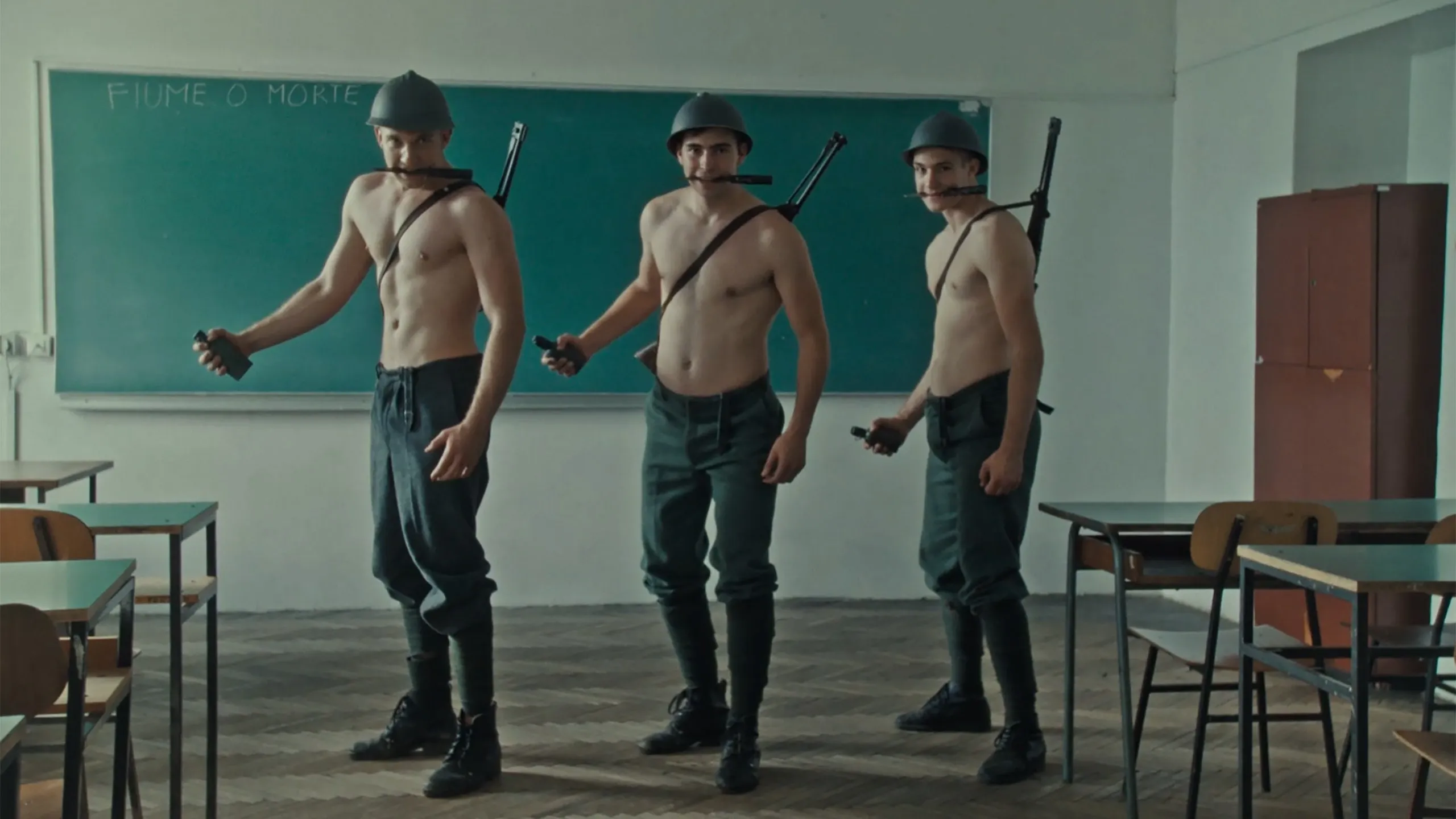
Local citizens take center stage in the dramatic re-creations, bringing authenticity and genuine character to the portrayal of events. Casting decisions play a deliberate role; for instance, the selection of bald individuals to personify D’Annunzio carries its own symbolic weight, reflecting both physical traits and an air of self-aware humor. Such casting reinforces the film’s playful tone while addressing serious historical moments without slipping into sentimentality.
Visual storytelling stands out through a careful mix of archival stills, era-accurate costumes, and modern filming techniques in Rijeka’s storied locations. The director’s method includes sharp humor and a dry wit that distances the audience from overwhelming historical gravity, transforming potentially heavy subject matter into a narrative that remains accessible and engaging. Light irony and clever sarcasm brighten the frame, inviting viewers to examine familiar symbols of power with fresh eyes.
The multilayered narrative gathers voice interviews, documented history, and theatrical reenactments into one fluid sequence. This structure encourages the audience to reflect on how symbols of authority are reconstructed over time, prompting the question of whether these visual and performance choices serve as a mirror for changing cultural attitudes. What impressions do these creative decisions leave regarding the relationship between form and content, and how might they influence our understanding of this dynamic historical period?
Temporal Threads and Reimagined Dramas
The film carefully maps the course of D’Annunzio’s takeover, beginning with the bold capture of power and winding through the key episodes that marked his rule. The narrative unfolds by highlighting striking moments—such as rousing speeches, disciplined marches, and the climax of a direct confrontation—that signal the unraveling of his regime. This clear progression gives viewers a sense of how events unfolded over a short but intense period.
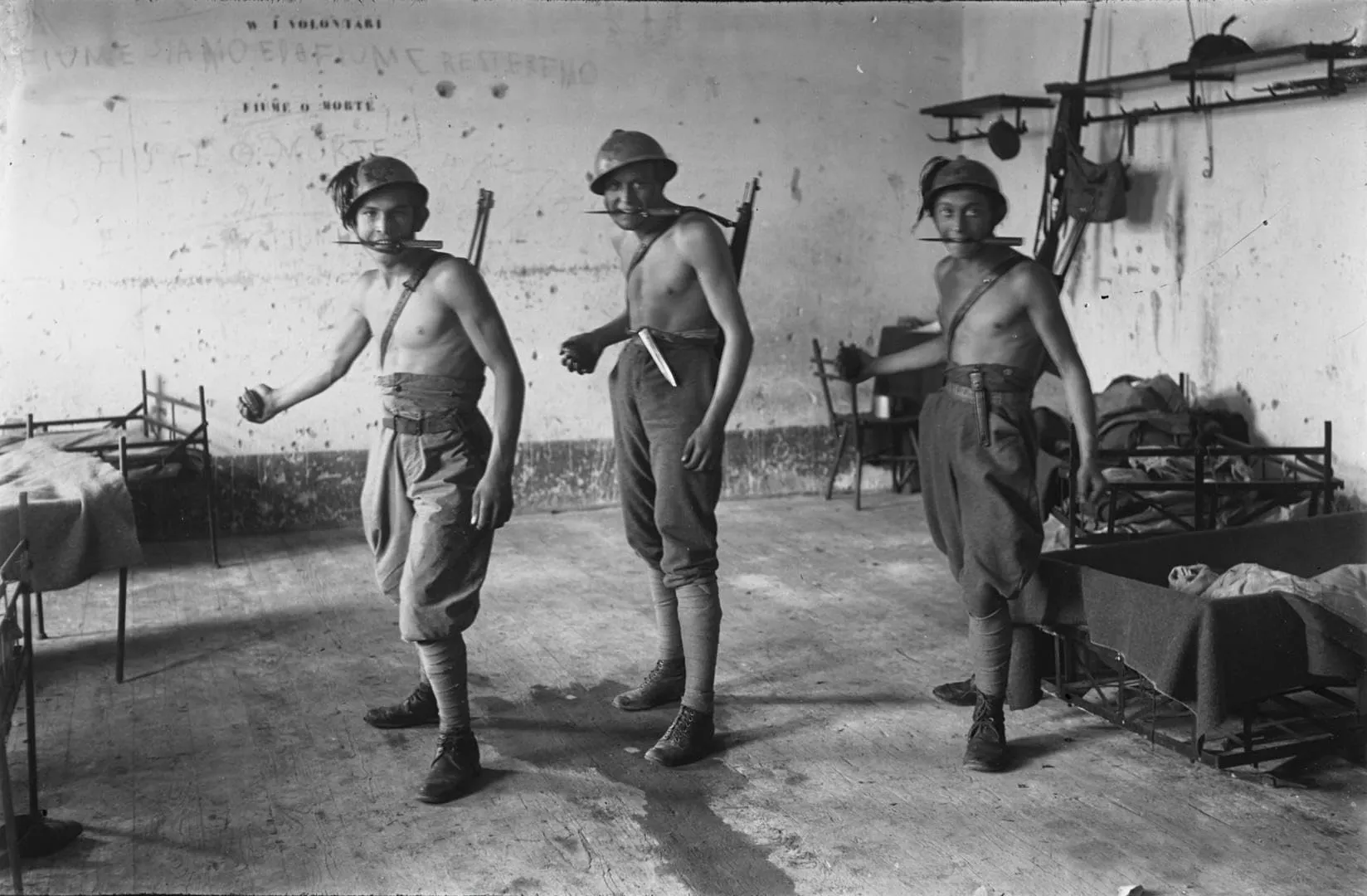
A distinct interplay exists between moments of historical record and current-day insights. Clips of archival material intersperse with on-location shots and spontaneous interviews, creating a dialogue between the past and today’s perspective. This method not only shows what was captured by early photographers but also brings in the voices of local citizens who express their own recollections and interpretations. The juxtaposition of these elements allows the film to offer a richer texture of memory and identity.
The staging of reenactments is executed on a modest scale, a choice that underscores both the absurdity and the gravity of the historical events depicted. Minimal props and a straightforward approach to set design lend a sense of authenticity and spontaneity to the scenes. Actors, many drawn from the local community, perform with a sincere quality that never feels forced; their natural delivery brings a vital energy to key moments such as the somber realization of inevitable defeat.
Attention is given to the tempo of the unfolding narrative. Fast-paced sequences conveying the raw energy of rebellion contrast with quieter moments where reflection takes hold, allowing emotion to settle in the viewer’s mind. This rhythm highlights the shift from unchecked ambition to an eventual recognition of past excesses. One is left pondering: how might these dramatized moments reshape our understanding of history’s fleeting yet powerful impact?
Archive Integration and Sensory Impact
The film employs archival photographs set alongside modern cinematography to create a rich visual narrative. The careful arrangement of historical images within present-day frames demonstrates a respect for the past while offering a fresh visual perspective. The director makes deliberate choices in framing and shot composition, using adjustments in aspect ratio to draw attention to key details. Historical snapshots appear interlaced with fluid contemporary visuals, forming a visual conversation that adds depth to the narrative.
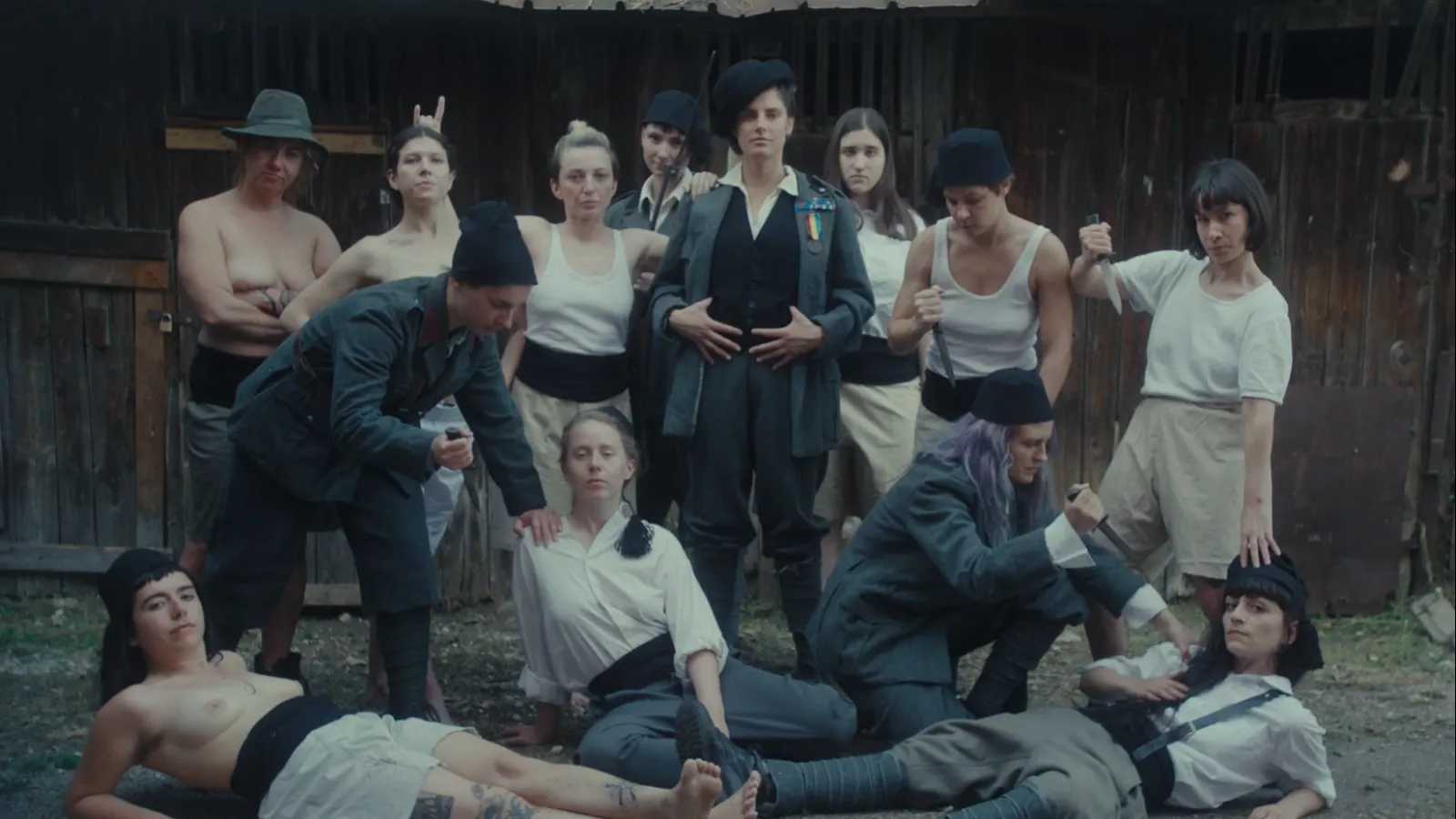
Sound plays a significant role in shaping the atmosphere. The audio design blends voice-overs and natural ambient sounds with energetic music provided by local bands. This mix generates a playful yet reflective environment that mirrors the dual tone of the reenactments. The sound effects shift between moments of levity and weight, supporting the scenes where historical documents transition smoothly into modern interpretations.
Editing techniques add another layer of sophistication. Seamless transitions between archival footage and newly staged sequences create a smooth flow, emphasizing the deliberate use of anachronistic audio cues. These cues highlight the contrast between historical ideals and present-day realities, prompting viewers to question how past actions continue to affect present emotions and perceptions.
People Power in Performance
The film consciously opts to work with local, non-professional actors to depict both pivotal historical figures and everyday residents. This casting decision is an artful move that adds a tangible layer of authenticity throughout. The portrayal of D’Annunzio by a troupe of bald men carries significant symbolic weight—hinting at vanity, fragile authority, and an almost tongue-in-cheek nod to his exaggerated persona. Such a choice redefines our understanding of power by humanizing a figure typically confined to the realm of myth and legend.
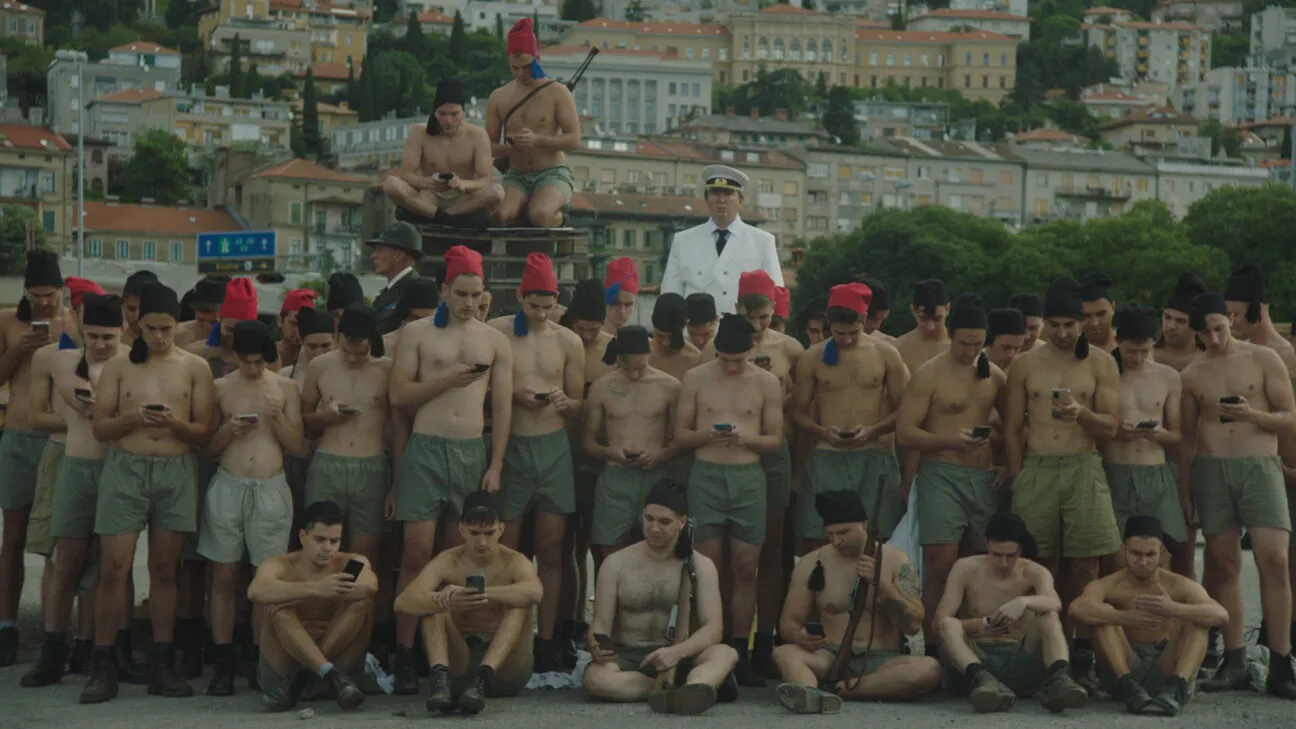
This collaborative method unites the community, inviting local voices into the narrative process. Residents step in both in front of and behind the camera, blurring the line between performer and witness. Their direct involvement reconstructs historical memory as a shared, personal experience, bridging individual identity with collective heritage.
The dynamics of scripted dialogue mixed with spontaneous exchanges during reenactments further enrich the work. The interplay between prepared performances and unexpected, authentic moments endows the narrative with an organic quality. This varied delivery provides a layered portrayal of a controversial legacy—one that is simultaneously satirical and grounded, prompting reflection on the role of community in shaping how history is remembered and experienced.
Local Participation: Casting and Community in Reenactment
The film employs local amateur actors to portray key historical figures alongside everyday residents, injecting genuine texture into every scene. The choice to involve community members grounds the narrative in authentic experience while offering a subtle commentary on legacy. For instance, using a troupe of bald performers to embody D’Annunzio acts as a measured nod to his personal quirks and the nature of self-fashioned authority.
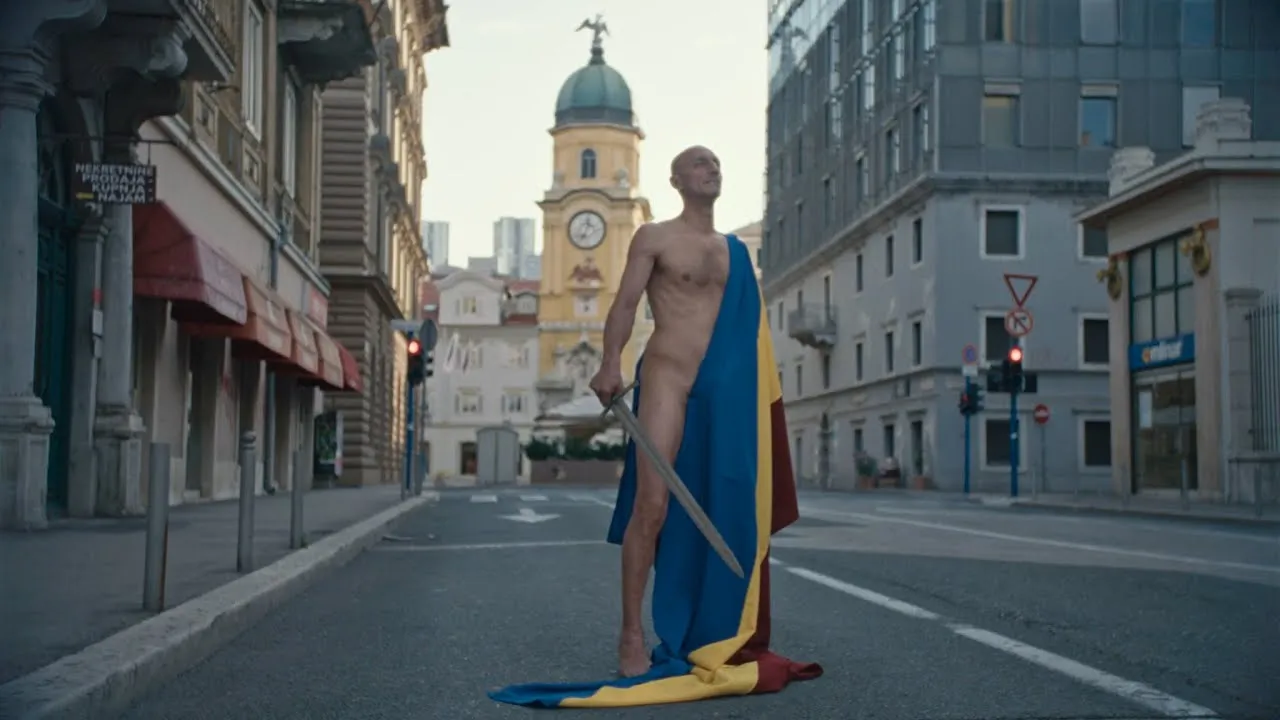
The community’s involvement goes beyond performed scenes, transforming reenactments from a straightforward dramatization into a living retelling of history. Their contributions blend firsthand recollection with staged moments, giving the viewer a window into local perceptions of the past. Moments of unscripted dialogue, interlaced with planned sequences, bring a refreshing spontaneity that underscores the rawness of the historical events.
This varied delivery, oscillating between earnest depictions and light-hearted satire, deepens the connection between the audience and the unfolding narrative. It prompts reflection on how community input can shape our understanding of historical memory and identity. In what ways might such grassroots engagement redefine our view of collective heritage?
Layers of Memory and Meaning
This film explores the ways societies construct historical narratives, often reshaping events and figures into enduring myths. The portrayal of D’Annunzio functions as a mirror to collective recollections, inviting viewers to inspect how a leader’s celebrated feats and notorious missteps coexist within public sentiment. The tension between celebrating a charismatic figure and acknowledging his darker impulses raises questions about the role of individual influence in shaping national self-image.
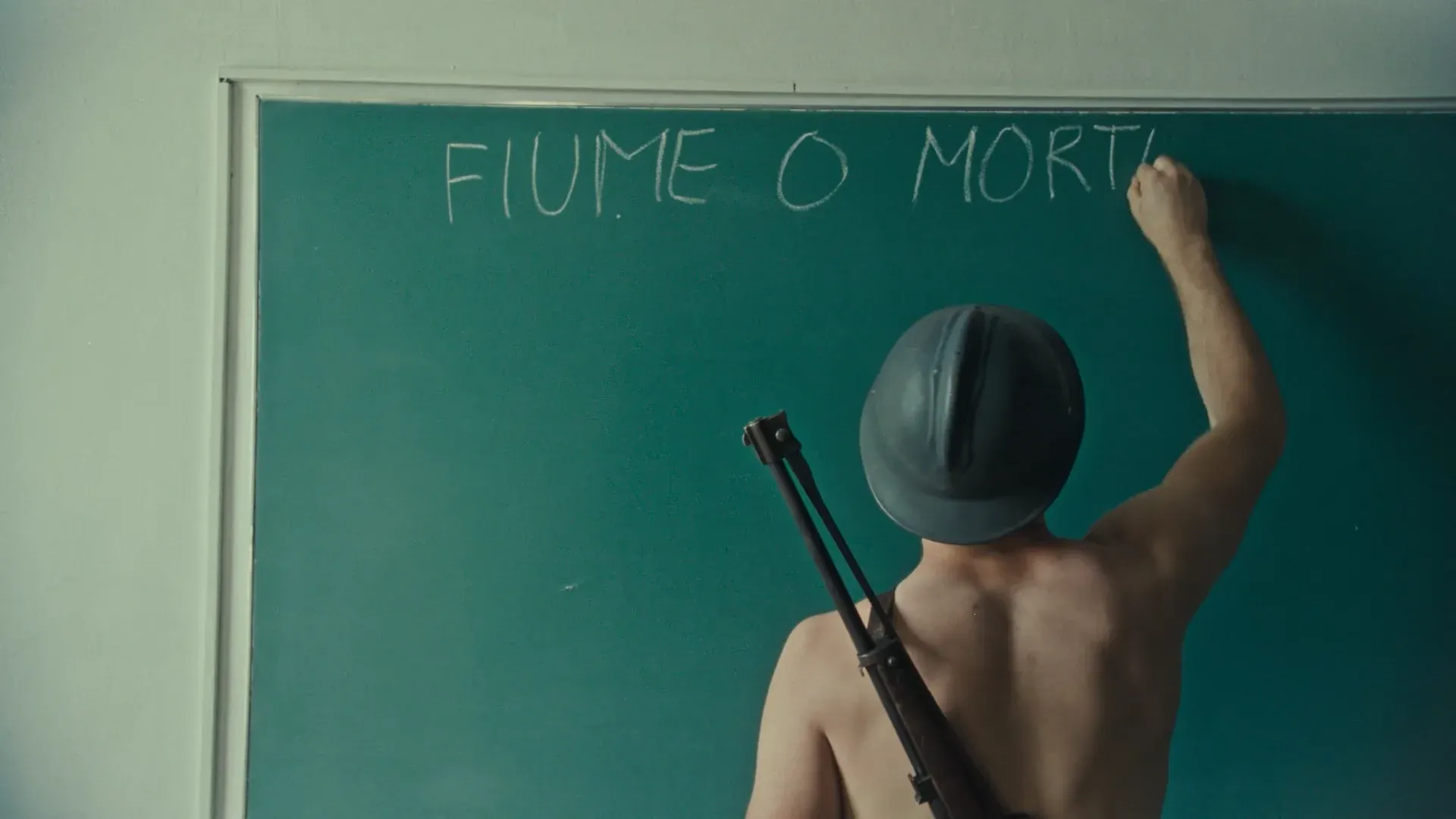
Art emerges as an instrument for rethinking the past, its theatrical qualities turning history into a stage. Performances peppered with humor and irony take aim at rigid depictions of power, offering a subtle critique that encourages a reconsideration of established narratives. By highlighting absurdities in the presentation of authority, the film encourages the audience to question the permanence of heroic legends and the impact they have on community identity.
Issues of power and belonging are woven throughout the film’s narrative. The city of Fiume, presented as an ever-changing backdrop, mirrors the conflicting identities of its people. The contrast between local traditions and imposed national agendas is evident in the film’s willingness to show how everyday experiences shape memory. Imagery such as archival photographs, thoughtfully chosen costume details, and the juxtaposition of recognizable urban settings all contribute to a visual lexicon that speaks to the fluid nature of memory and legacy.
In its careful presentation of historical material alongside reimagined scenes, the film sparks reflection on how art can redirect perceptions of past authority and inform present-day discussions on nationalism. The treatment of historical icons and symbols brings forward a conversation about responsibility in remembering collective history. One might ask: what are the consequences of reconstructing our past through a lens that is both familiar and unexpectedly playful?
The Review
Fiume O Morte!
Fiume o Morte! emerges as a daring reconfiguration of a historically charged moment. The film fuses archival footage with spontaneous community reenactments and thoughtfully layered narrative techniques, evoking both humor and serious reflection. It prompts viewers to question how selective memory and public portrayal influence perceptions of power and identity. Drawing viewers into an emotional dialogue about legacy and collective recollection, the film stands out in its inventive execution.
PROS
- Combines historical footage with community reenactments to create a lively portrayal.
- Offers an inventive way to explore memory and historical impact.
- Uses local participation to add real-life authenticity.
- Balances humor with reflective moments that deepen the viewing experience.
CONS
- Some parts may come off as uneven in tone.
- The experimental style could leave certain viewers uncertain.
- Limited resources in staging might reduce some elements of realism.
- The film’s structure may challenge audiences who are less familiar with the events.