






















![Kingdom Hearts Collection [I-III] Review](https://gazettely.com/wp-content/uploads/2026/10/Kingdom-Hearts-Collection-I-III-1-360x180.webp "Kingdom Hearts Collection [I-III] Review: KHII Holds Steady as Newer Entries Fluctuate 37")




The global cinematic trend of twisting childhood tales into horror narratives finds a raw, aggressive voice in Bambi: The Reckoning. This film reframes the classic story of loss not as a lesson in survival, but as the origin story for a formidable avenger.
It taps into a revenge theme that is archetypal, echoing the righteous fury seen in the “angry young man” films that defined an era of Indian cinema. Here, the famously orphaned deer returns as a monstrous force of nature, his grief festering into a singular, violent purpose.
The story begins with a mother, Xana, and her son, Benji, stranded in a remote forest after their car crashes. They are immediately hunted by a mutated deer, the physical embodiment of the woods’ rage. A stark animated prologue establishes the source of this fury—the killing of Bambi’s mother—setting a gritty, serious tone that rejects campy parody for straight-faced creature horror.
The Stag as Avenging Demon
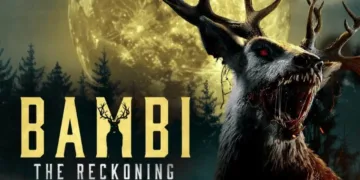
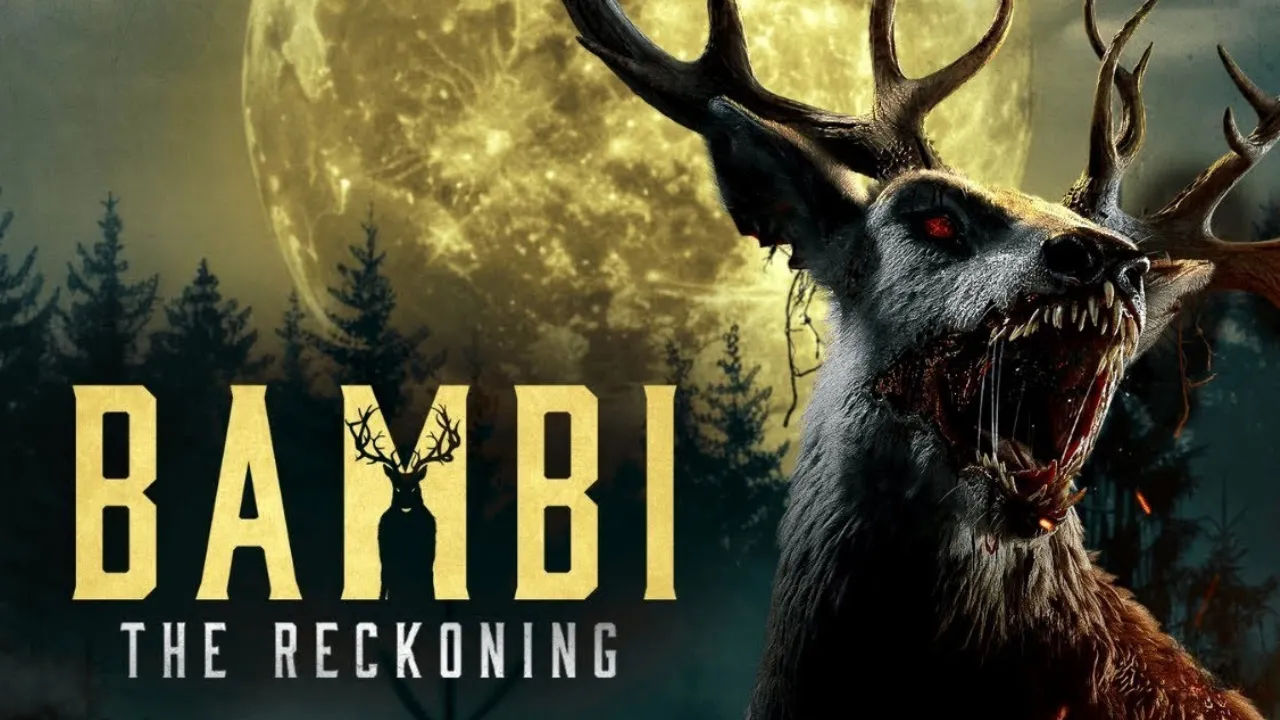
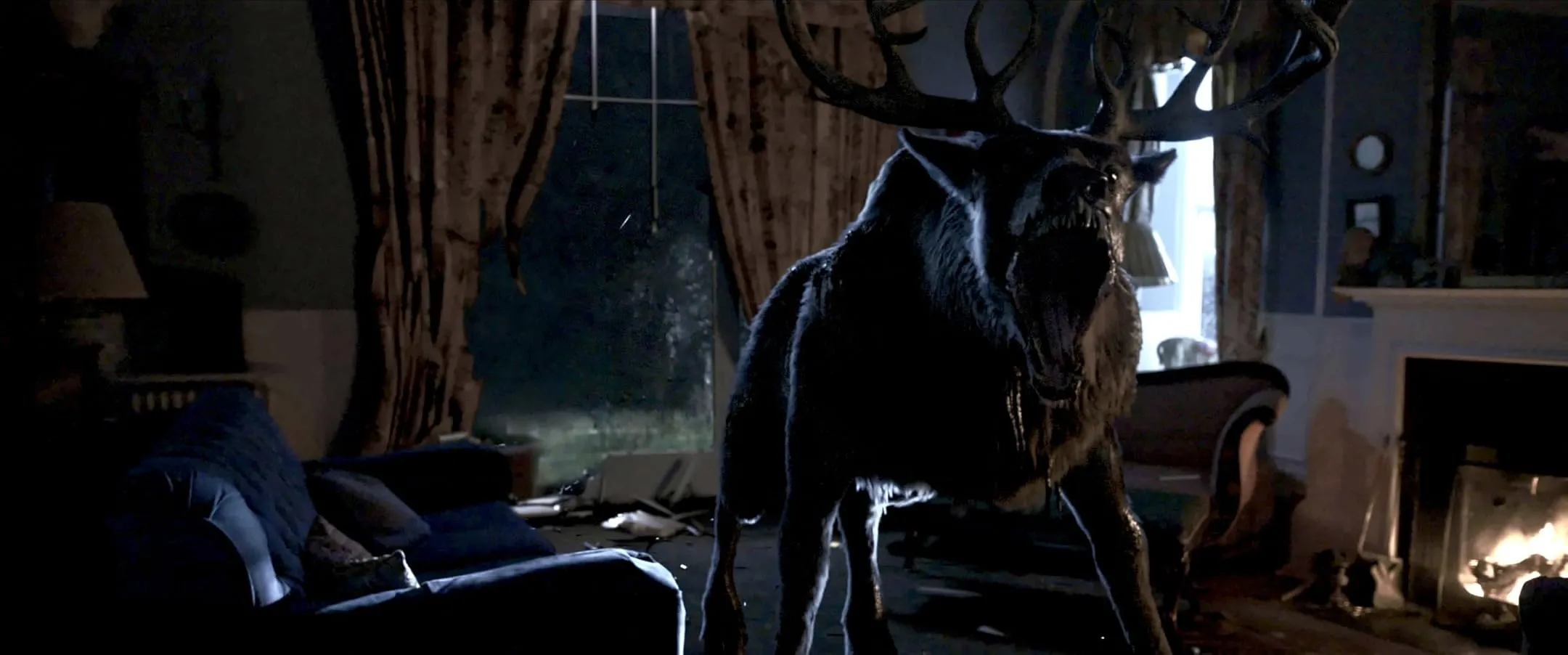
The creature at the heart of this film is a triumph of monstrous design, a perversion of nature that feels both tragic and terrifying. This is not the graceful animal of folklore but a corruption born of rage and chemicals. Its zombified face, with vacant eyes and flesh peeling from bone, is framed by rows of sharp, anglerfish-like fangs designed for tearing, not grazing.
An exposed, spiky spinal cord runs along its back, suggesting a violent, unnatural rebirth. Its sheer size, though sometimes inconsistent between scenes, makes it a genuinely intimidating antagonist. Its design concept recalls the rakshasas of Indian mythology, demonic figures who often represent a complete corruption of a natural or divine form, embodying a primal chaos. The film’s special effects are a highlight, especially given its low budget.
The creators have cleverly blended digital rendering with practical animatronics, giving the monster a tangible weight and presence. By using shadow and rapid-fire editing during moments of intense action, the film hides any potential flaws, saving the detailed shots for moments of maximum impact. This approach succeeds where many similar genre films fail, delivering a creature that feels both convincing and memorable.
The forest’s corruption also extends to smaller creatures. In a bizarrely effective sequence that feels imported from a different kind of nightmare, a homicidal version of the rabbit Thumper leads a charge. This moment of dark, absurd humor, rooted in British comedy, serves as a strange and unsettling break in the tension.
A Labyrinth of Living Wood
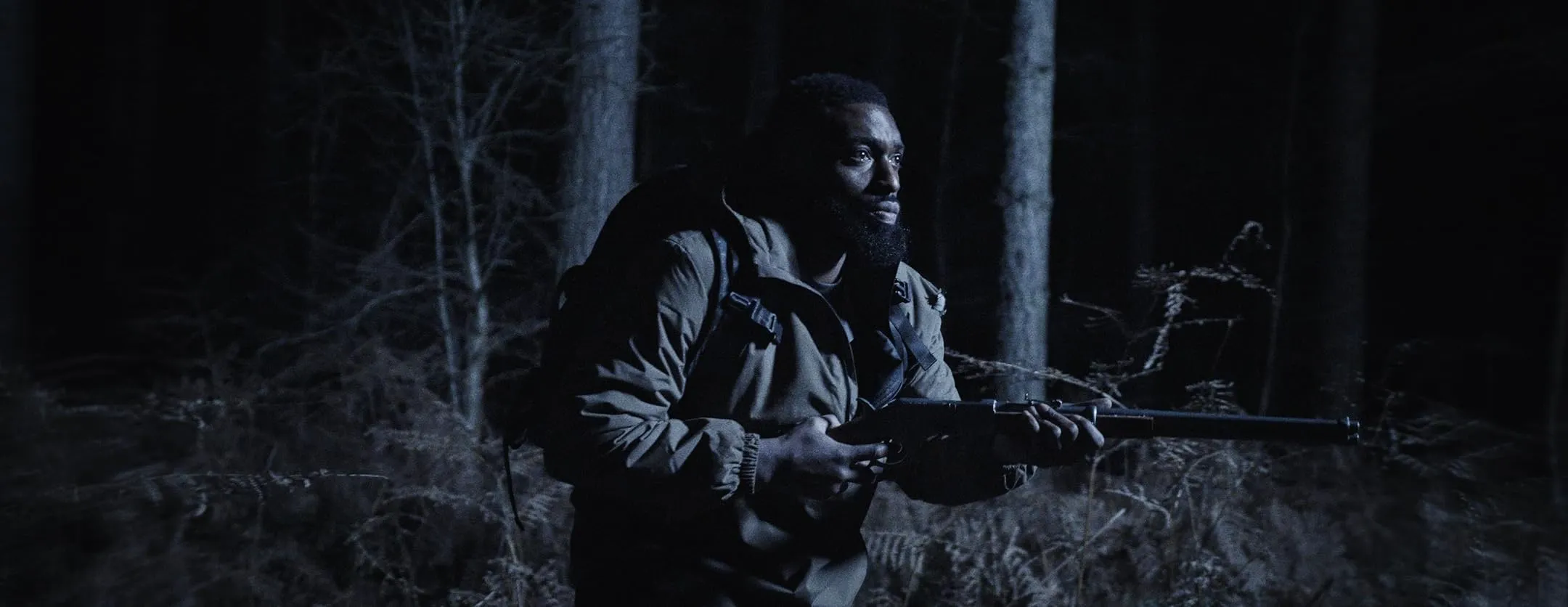
The film’s palpable atmosphere of dread is one of its most significant achievements, built almost entirely on the potent use of its primary location. The cinematography transforms England’s Wilding Wood into a key character, a living entity that is actively hostile to the human intruders.
The visual style is defined by a crisp, cold palette of sharp grays and deep blacks, creating a nightmarish aesthetic that feels both starkly real and otherworldly. The lighting is masterfully handled, producing an authentic nighttime terror that avoids the murky, under-lit look of many low-budget horrors.
The camera often remains still, letting the oppressive silence and the dense foliage create a sense of claustrophobia. The woods are meticulously framed to feel infinite and inescapable, a natural prison from which there is no exit.
This portrayal of a malevolent environment has strong parallels in Indian parallel cinema, where settings like the claustrophobic city streets in the works of Satyajit Ray or the primordial, rain-soaked village in Tumbbad are not just backdrops but active forces that shape the characters’ destinies.
Here, the gnarled trees and oppressive canopy work in concert with the effective production design to create a spooky and potent sense of place, turning the forest into a massive, terrifying set designed to trap and torment its victims.
The Frailty of the Human Herd
At the center of the chaos, the film finds its emotional anchor in the compelling mother-son relationship between Xana (Roxanne McKee) and Benji (Tom Mulheron). Xana’s arc from a stressed, complaining woman into a fierce survivor is one of the script’s stronger elements.
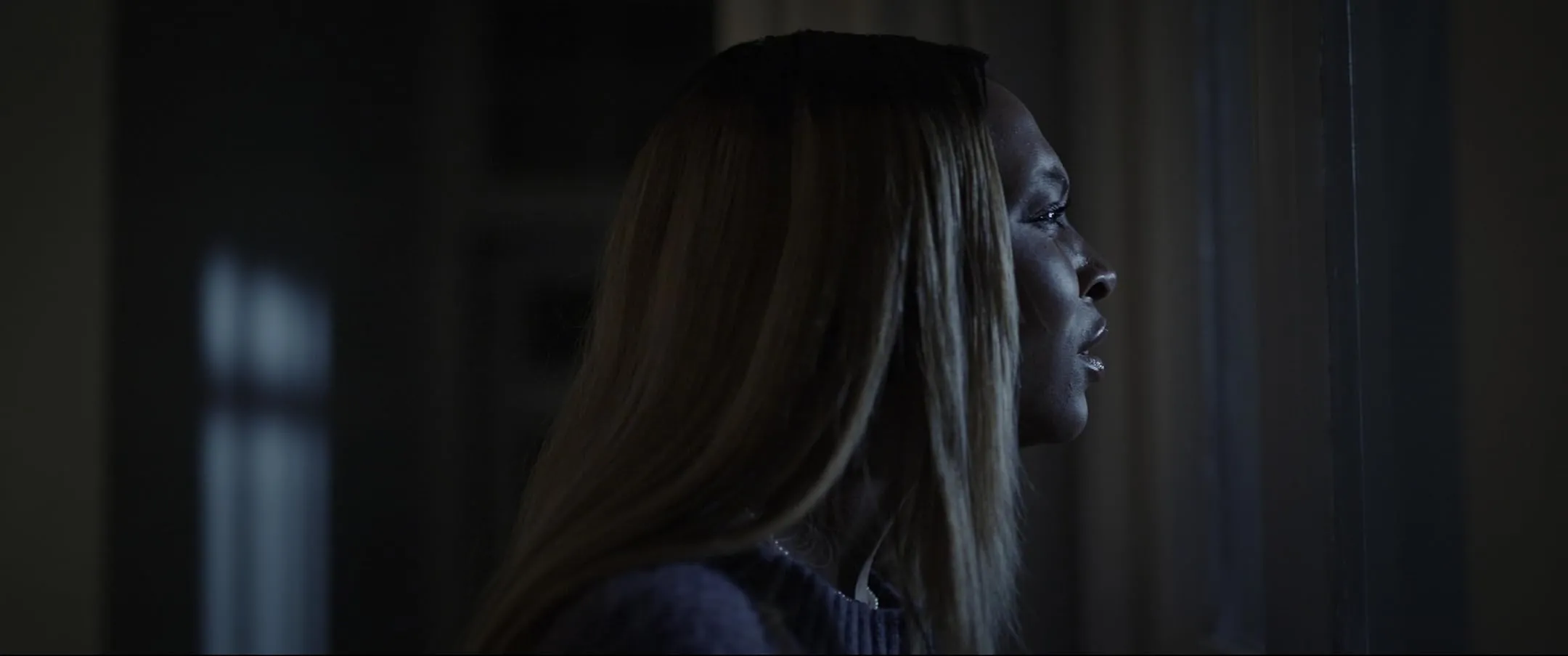
Her protective ferocity, a maternal instinct pushed to its limits, is a universal archetype that grounds the fantastical horror in something deeply human. Benji is portrayed with a believable and sympathetic vulnerability by the young actor, and their strained dynamic, exacerbated by an absent father, adds a layer of quiet drama.
The wider cast, however, is a more mixed affair. While the use of actors largely unknown to international audiences prevents the distraction of celebrity, the performances are uneven. The obnoxious teen Harrison feels like a one-dimensional caricature designed for a quick death, while the grandmother Mary’s mysterious, psychic connection to the deer is a lazy narrative shortcut, an intriguing idea left completely unexplored.
The characters’ decision-making is often frustratingly illogical, a common trait in the genre where intelligence is sacrificed for suspense. The scheme to use a family member as “bait” is a particular low point, a plan so nonsensical it pulls the viewer out of the story. These moments of flawed “horror logic” highlight the script’s weaknesses in creating believable human responses to unbelievable events.
A Brutal, Breakneck Hunt
The narrative of Bambi: The Reckoning moves with a relentless, punishing momentum. Its brief 81-minute runtime is a distinct advantage, as it allows no time for filler, thrusting its characters into mortal danger almost immediately and rarely pausing for breath.
The plot itself is a lean and functional creature-feature, following a familiar formula that makes the sequence of character deaths highly predictable for any seasoned horror viewer. The film’s true strength lies not in narrative invention but in its visceral execution.
Where the story falters, the action excels. The commitment to delivering varied and gruesome kills is admirable, with the violence depicted in unflinching, gory detail. From the shocking initial attack on the taxi that sets the brutal tone, to the terrifying invasion of the family home, the film provides the spectacle promised by its premise.
The filmmakers show an awareness of global horror language, staging certain sequences as explicit homages to iconic moments from classics like Jurassic Park. This approach aligns with the structure of some Indian “masala” films, which prioritize a sequence of high-impact emotional and physical set-pieces over a tightly integrated plot.
Unfortunately, the script cannot match the energy of the action. The dialogue is frequently clunky, and several key plot points—the vague motivations of a corporate hunting team, the underdeveloped idea of toxic waste, the unexplained psychic link—are introduced and then abandoned, leaving frustrating gaps in the film’s internal logic.
An Echo of Vengeance and Neglect
Beneath the surface of blood and carnage, the film engages with potent and resonant themes. The central idea of nature striking back against human cruelty, carelessness, and environmental pollution is the story’s driving force.

Bambi’s rampage is positioned as a direct, if monstrously amplified, consequence of the trauma inflicted upon him and his habitat. This motivation of revenge for the death of a mother is a powerful cinematic trope that resonates across cultures, and here it is tied to a modern ecological anxiety.
The exploration of family dynamics provides a thematic parallel, contrasting Bambi’s orphaned rage with the broken human family, particularly the palpable damage caused by a neglectful father. Unlike many Western films built on such an outlandish concept, this movie maintains a consistently serious and gritty tone.
It refuses to wink at the audience, a choice that magnifies the brutality but may disappoint those hoping for the camp humor inherent in the premise. As an entry in a larger series of horror reinterpretations, the film functions effectively as a self-contained story, offering a dark and grimly satisfying tale of monstrous revenge that successfully carves its own bloody space in the public domain horror landscape.
Bambi: The Reckoning was released in theaters in the United States on July 25, 2025. The film is not currently available on streaming services like Netflix or Prime Video.
Full Credits
Director: Dan Allen
Writers: Rhys Warrington
Producers: Rhys Frake-Waterfield, Scott Jeffrey
Executive Producers:
Cast: Roxanne McKee, Tom Mulheron, Nicola Wright, Samira Mighty, Alex Cooke, Russell Geoffrey Banks, Joseph Greenwood
Director of Photography: Vince Knight
Editors: Dan Allen
Composer: Greg Birkumshaw
The Review
Bambi: The Reckoning
While hampered by a weak script and illogical character choices, Bambi: The Reckoning succeeds as a visceral creature feature. It thrives on its nightmarish atmosphere and the genuinely menacing design of its titular monster. The film delivers relentless, gory action and boasts impressive visuals for its budget, making it a brutal and effective, if narratively flawed, entry in the public domain horror genre. Its commitment to a gritty, serious tone is a bold choice that results in a grimly satisfying, straightforward tale of nature's vengeance.
PROS
- Terrifying and well-executed creature design.
- Impressive cinematography and an atmospheric forest setting.
- Relentless pacing and brutal, gory action.
- Strong central performance from the lead actress.
CONS
- Weak script with clunky dialogue and unresolved plot points.
- Characters make frustratingly illogical decisions.
- Predictable narrative structure.
- A serious tone that misses opportunities for dark humor or camp.