



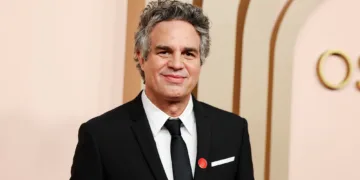






















John Oliver called CBS’s decision to end The Late Show with Stephen Colbert “very, very sad,” yet said he is “curious” to see how his friend uses the ten months that remain. The network announced on July 17 that the programme will finish in May 2026, retiring the Late Show banner rather than seeking a successor.
Colbert told his studio audience he learned of the move the previous night, stressing that “this is all just going away,” a remark met with boos. The cancellation arrived three days after Colbert criticised Paramount’s $16 million settlement with Donald Trump and as the company pursues regulatory approval for a merger with Skydance Media, sparking speculation about political pressure.
CBS maintains the move is “purely a financial decision against a challenging backdrop in late night” and unrelated to performance or content. Industry analysts observe that advertising revenue across late‑night television has fallen sharply, eroding margins for once‑lucrative talk shows.
Even so, Colbert has led the 11:35 p.m. slot for nine straight seasons, averaging 2.4 million viewers in the second quarter of 2025—the only broadcast talker to post year‑over‑year growth. Fox News media analyst Howard Kurtz argued that dropping the top‑rated show makes little commercial sense unless other factors were at play.
Jimmy Fallon said he was “shocked” by the news and praised Colbert as “one of the sharpest, funniest hosts to ever do it.” Jimmy Kimmel was blunter, writing on Instagram, “Love you Stephen—f*** you CBS,” while urging viewers to support Colbert’s staff.
Senator Elizabeth Warren questioned whether the timing was linked to the Trump settlement, calling for transparency about possible political motives. For Oliver, whose Last Week Tonight airs on HBO, the priority now is enjoying whatever surprises Colbert stages before the house lights dim next spring.