

























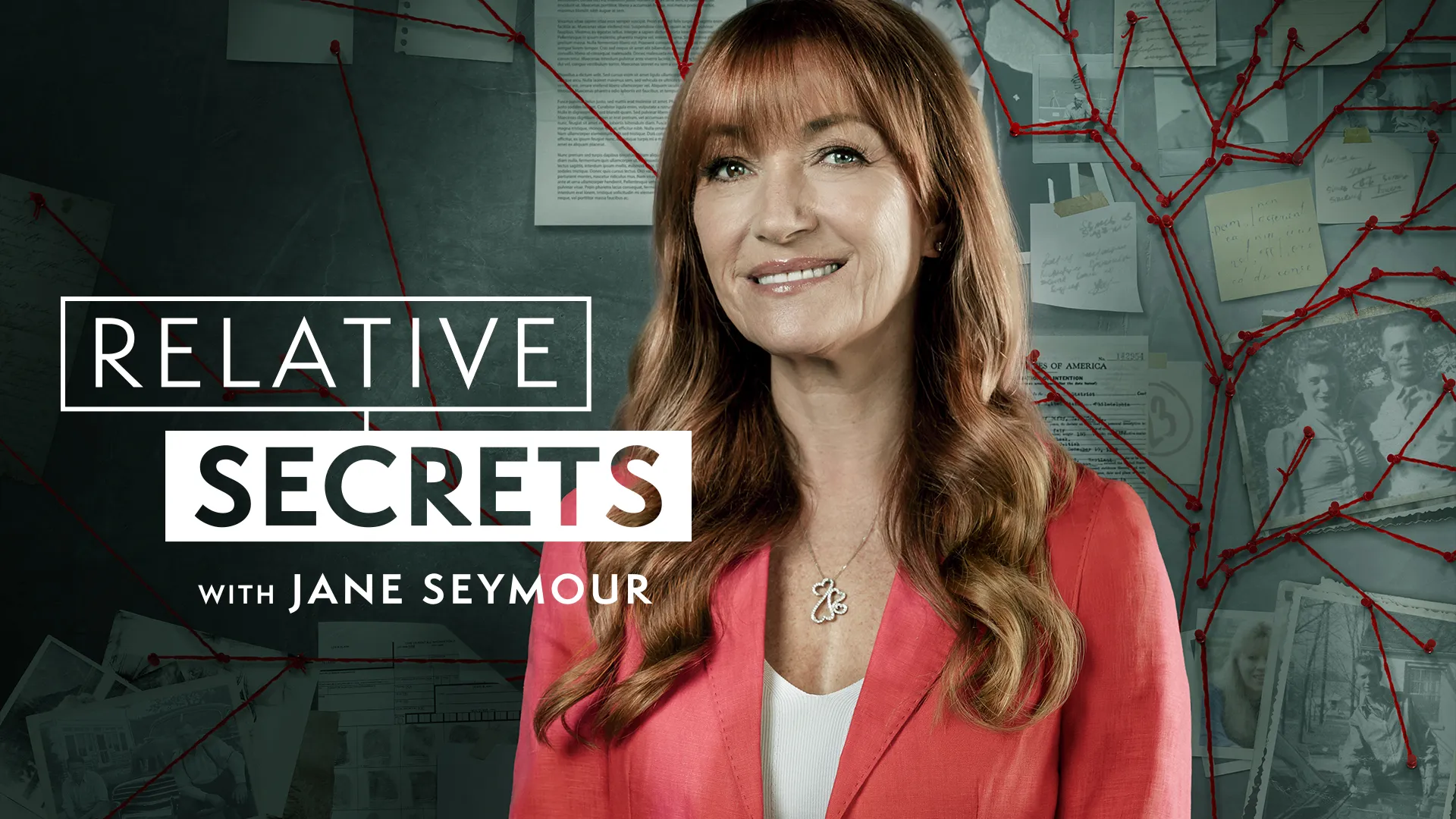

The television landscape, saturated with celebrity-driven content, has found a particular niche in tracing the lineage of the famous. These shows offer a comforting formula: a well-known face discovers a surprising ancestor, a dash of historical trivia is dispensed, and the episode concludes with a neat, satisfying connection to the past.
Relative Secrets enters this crowded field by subverting its central conceit. Instead of focusing on stars, it turns its genealogical lens on ordinary individuals whose family histories are defined not by fame, but by the heavy silence of secrets.
The series operates on the premise that for many, the past is not a source of quaint anecdotes but a landscape of unresolved trauma. It aims to provide answers and a measure of peace to people burdened by questions they have carried for a lifetime, offering a quiet but potent alternative to its more glamorous counterparts.
Excavating Personal Histories
The series finds its narrative force in the profound emotional stakes of its subjects. These are not tales of discovering a distant royal connection; they are deeply personal excavations of pain and resilience. We meet Donna Carr, a woman who has spent her life in the shadow of her father, a confessed serial killer.
Her quest is not for glory but for a single “good” person in her paternal line, a desperate search for light in an overwhelmingly dark legacy. The show handles her story with a delicate touch, revealing that even her targeted ancestor had a complex past involving a manslaughter charge, refusing to offer simple, sanitized answers.
Elsewhere, the series documents Mr. Willie White’s journey to trace his family’s roots from the slave-holding deep south to the present day. This narrative thread is particularly resonant, highlighting how the act of uncovering history becomes a powerful form of reclamation for communities whose pasts were systematically erased. These stories transform the show from a simple documentary into a study of how identity is forged in the crucible of history.
A Transatlantic Production with Digital Seams
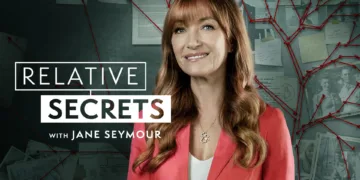
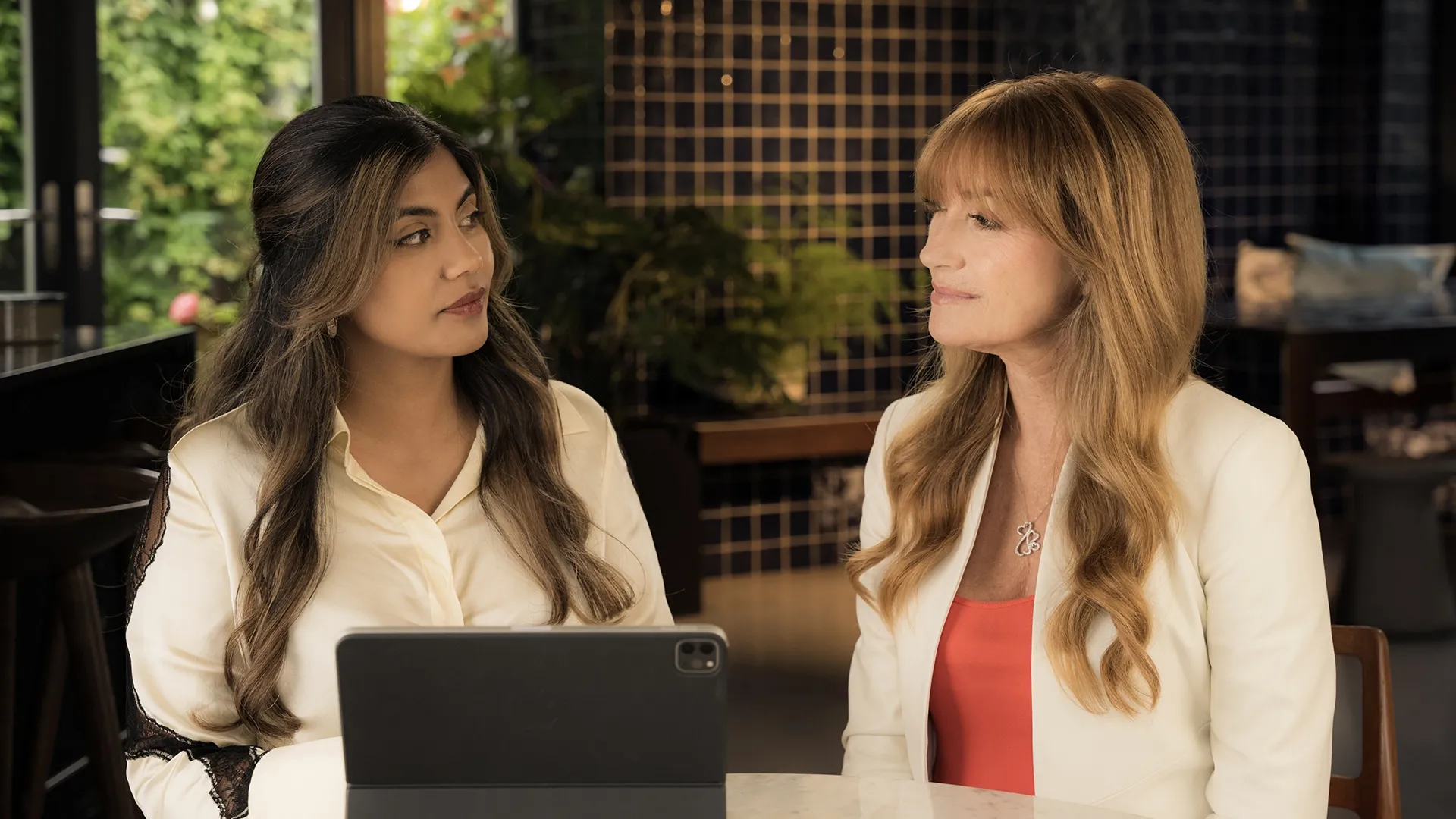
The show’s structure is a curious product of our globalized, digitally connected era. The production feels distinctly transatlantic, with British host Jane Seymour and archaeologist Natasha Billson investigating the lives of American subjects.

Seymour serves as the empathetic, almost therapeutic, guide, appearing primarily through the sterile frame of a video call from her home in Dublin. Billson is the on-the-ground investigator, doing the hands-on work of sifting through records and meeting families.
This reliance on remote communication, while likely a practical production choice, creates a slightly disjointed viewing experience where emotional moments are sometimes filtered through a screen.
It’s a format that feels both modern and a little awkward, its digital seams occasionally showing. For a series so dedicated to unearthing precise truths, any factual misstep, such as misstating the name of a historical figure, feels particularly jarring. It serves as an ironic reminder that in the business of history, accuracy is not a detail but the very foundation of trust.
The Liberation of Knowing
Ultimately, Relative Secrets champions the idea that confronting the past, however difficult, is an act of liberation. Each episode follows a clear emotional arc, guiding its subjects from a state of uncertainty or pain toward a place of understanding and closure.
The revelations are rarely simple and often introduce new layers of complexity to a family’s story, yet the outcome is consistently one of resolution. The series effectively demonstrates that the truth, even when it is ugly or inconvenient, holds a unique power to heal generational wounds.
By giving voice to these intensely personal histories, the show makes a quiet but firm statement about our collective need to understand where we come from. It suggests that the most important histories are not those of kings and celebrities, but the private, often painful, stories that shape our lives and, in turn, our shared future.
“Relative Secrets” is an unscripted series that premiered on BBC America and Acorn TV on Monday, June 2, 2025, at 10:00 p.m. ET/PT. New episodes are released weekly on Mondays.
Full Credits
Director: John Ealer, Felicity Justrabo
Writers: John Ealer, Felicity Justrabo
Producers: Felicity Justrabo
Executive Producers: David W. Brady, Kate Harrison Karman, John Ealer, Jane Seymour
Cast: Jane Seymour, Natasha Billson, John McCall
The Review
Relative Secrets
Relative Secrets offers a compelling and necessary alternative to the celebrity-focused genealogy genre. While its transatlantic production and reliance on video calls can feel disjointed, the series succeeds by focusing on the profound, often painful, histories of everyday people. It powerfully demonstrates that confronting the past is a vital step toward healing and understanding one's place in the world. Its emotional resonance and thematic depth make it a worthwhile watch, despite some presentational flaws.
PROS
- Shifts focus from celebrities to the compelling stories of ordinary individuals.
- Handles emotionally heavy and complex family histories with sensitivity.
- Explores meaningful themes of identity, trauma, and the healing power of truth.
- Provides a sense of genuine closure and emotional resolution for its subjects.
CONS
- The production format, with heavy reliance on remote video calls, can feel disconnected.
- Occasional factual inaccuracies can undermine the show's credibility.
- The presentation can sometimes feel dry or lack dynamic energy.