





























In a television landscape saturated with dating shows that promise love, marriage, or at least a dramatic hot tub argument, Virgins arrives with a premise so breathtakingly direct it feels almost radical. The series pulls back the curtain on a topic rarely discussed outside of teenage health class: adults who have never had sex.
We follow four individuals in their 30s and 40s as they confront this deeply personal aspect of their lives on camera. The show documents their dates, their therapy sessions, and their conversations with bewildered friends and family.
It positions itself not as a matchmaking contest but as an observational documentary, tracking four distinct people as they attempt to navigate a milestone society assumes is long past. Each carries a unique history that has shaped their present, and the series sets out to record what happens when they finally decide it is time for a change.
A Quartet of Complications
The series presents a cast whose reasons for their status are as varied as their personalities, creating a fascinating study in modern arrested development. There is 34-year-old Alex from Pennsylvania, a man whose romantic engine is stuck in park.
His obstacle is a crippling social anxiety that constructs a wall of overthinking between himself and any potential partner. Living with his parents and more than a decade removed from his last formal date, he is prodded into the dating world by his well-meaning but flabbergasted older sisters, whose encouragement sometimes feels like pushing a man who can’t swim into the deep end.
In Florida, we meet Rasha, a 42-year-old whose virginity is a complex relic of a platonic marriage of convenience, arranged to secure a friend’s immigration status. The relationship never blossomed, leaving her with a profound sense of betrayal and a deep-seated distrust of others’ motives. This emotional armor is compounded by a recent, significant weight loss, which has left her struggling to see herself as attractive and worthy of desire.
Also Read






Then there is Sonali, 37, whose life in Hollywood is a world away from the strict cultural upbringing that still governs her psyche. It has instilled such a fear of intimacy that even the word “vagina” from a medical professional makes her flinch. Identifying as demi-sexual—requiring a deep emotional bond for physical attraction—she wields a formidable list of partner requirements that feels as much like a defense mechanism as a sincere search criteria.
Finally, 35-year-old Deanne represents a different, perhaps more modern, kind of barrier: extreme pickiness. An attractive and sociable Los Angeles resident, she seemingly has none of the external obstacles of her castmates.
Yet, she is on a quest for an instant, cinematic “spark,” a “Liam Hemsworth” type who must materialize perfectly from the start. Anything less is dismissed immediately, making her story a curious exploration of how idealized standards can be as effective a chastity belt as any deep-seated trauma.
Therapy, Kink, and Awkward Hellos
The paths these four take are strikingly different, creating a fascinating cross-section of modern self-help, therapeutic intervention, and dating rituals. Sonali’s story, in particular, unfolds in quiet, clinical settings that stand in stark contrast to the emotional turmoil she is processing.
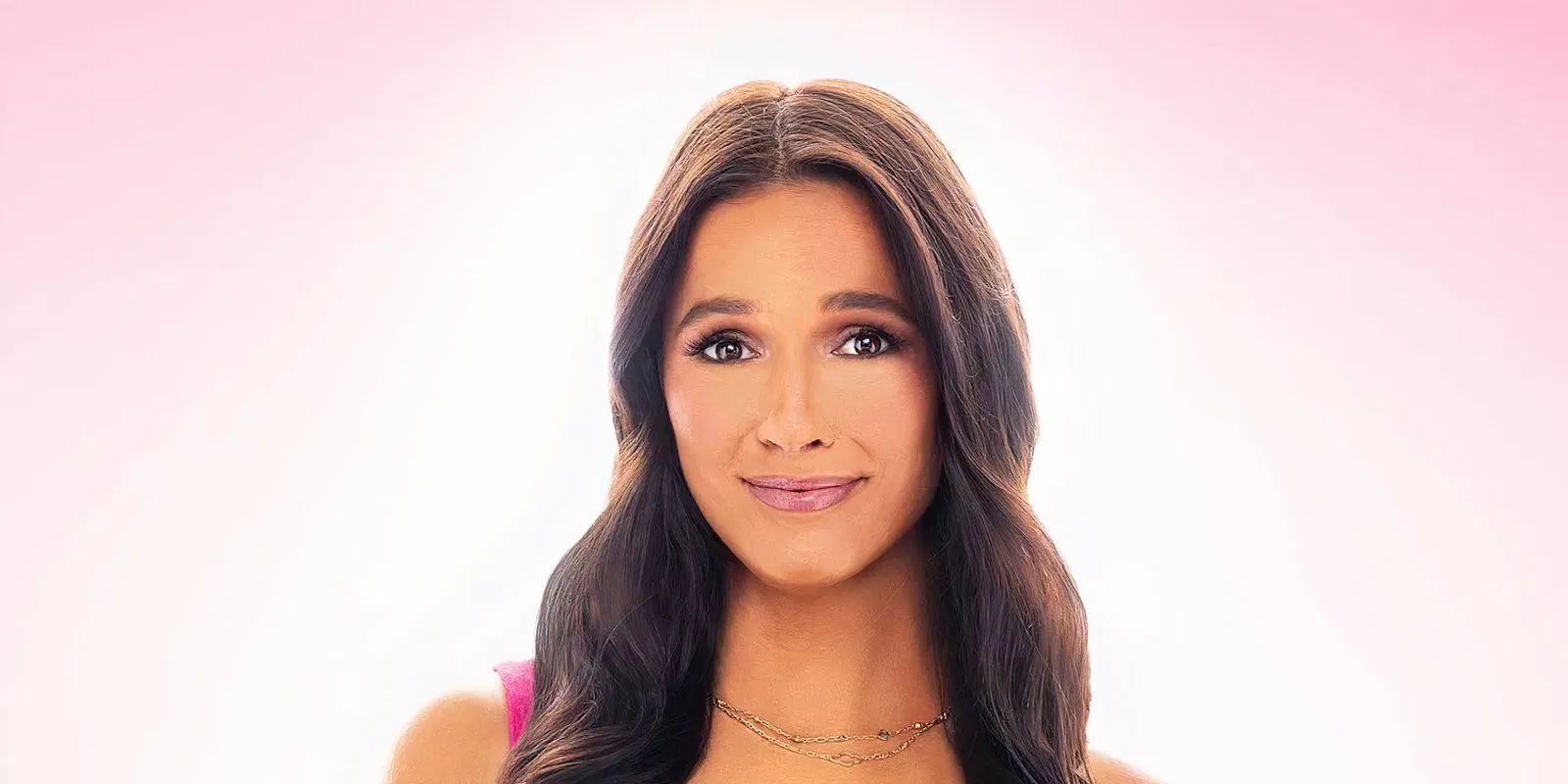
Her consultations with a pelvic floor therapist are both educational and heartbreaking, introducing viewers to medical tools like dilators while revealing the immense physical and psychological blockades she faces. The show’s introduction of a sexual surrogate as a potential therapeutic path feels like a major development, pushing the boundaries of what is typically shown on a basic cable reality series.
By stark contrast, Rasha’s journey is a joyous and defiant liberation. Her sex therapy sessions become a space not for healing trauma, but for articulating desire. When she expresses a clear interest in BDSM, her quest is recast as a Black woman’s powerful and celebratory exploration of kink, a subject still considered taboo in many communities. Her path is one of personal discovery, filled with a “child-like bliss” that is infectious.
Alex’s experience is a more familiar reality TV trial by fire. Pushed by his sisters, his attempts to chat with women at a bar are a masterclass in uncomfortable silences and aborted missions, perfectly edited for maximum cringe. Yet, in the controlled, lower-pressure environment of a formal date, a gentle and sincere man emerges, one capable of genuine connection.
The show cycles through a catalog of dating tools, from the rapid-fire exposure of speed dating to the curated process of a matchmaker, each method another lens through which to view the participants’ hopes and fears.
The Editor’s Deciding Vote
Like any show in the modern reality genre, Virgins is shaped by an unseen hand in the editing bay, and its touch is far from subtle. While the tone is frequently respectful, the production cannot resist the dramatic allure of a good character archetype.

Alex is the primary victim of this impulse. The cameras and microphones linger on his stammering attempts at conversation and his moments of tearful frustration, carefully crafting him into the “good guy with no game.” It’s a useful narrative, far more compelling for television than a simple story of social anxiety. This edit is a stark contrast to the sympathetic, almost heroic lens applied to Rasha, whose journey is framed as an empowering quest for freedom.
Deanne, with her conventional good looks and straightforward problem, receives the simplest narrative of all—that of the picky princess. This selective empathy is a masterclass in the construction of reality television, reminding us that the genre’s first allegiance is not to truth, but to a satisfying story arc. The show operates squarely within the TLC tradition, finding human oddities and framing their struggles for maximum emotional impact.
The Mount Everest of First Times
Beyond the dates and therapy lies the show’s true, fascinating subject: the immense psychological weight of the “first time” when it has been deferred for decades. For each participant, years of waiting, wondering, and fantasizing have inflated the act of sex into something monumental, a personal Mount Everest they feel they must summit to achieve normalcy.
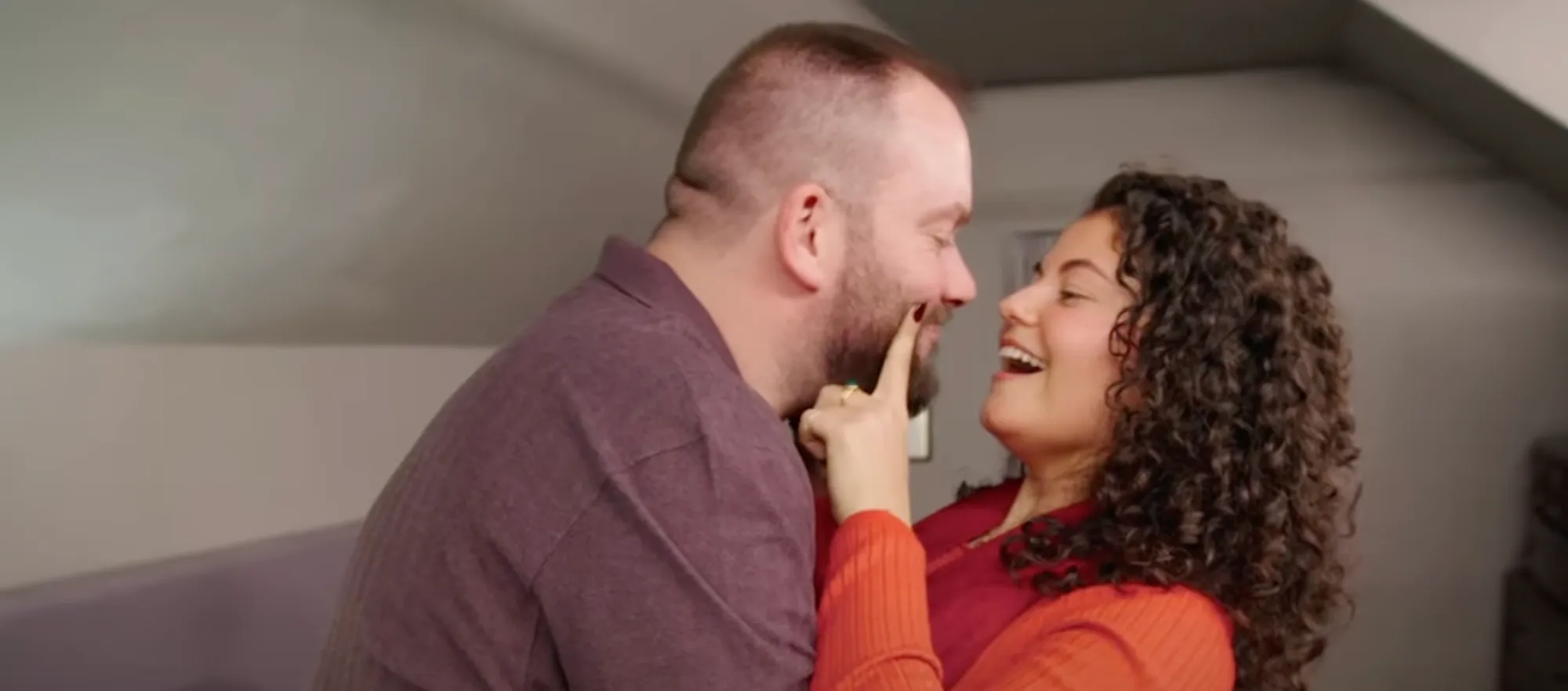
It is an impossible standard, a mythical beast fed by a culture that treats sexual experience as a key marker of successful adulthood. The air at this psychological altitude is thin, and the pressure is immense. The series is therefore less about the physical act and more about watching four people try to dismantle the myth they have meticulously built in their own minds.
They are not just confronting dating, but the formidable gap between their own powerful fantasies and the messy, imperfect reality of human connection. The ultimate question the show leaves hanging is not who will succeed, but what success even looks like when the goal itself is a fiction.
“Virgins” is a reality series that premiered on TLC on June 9, 2025. New episodes air weekly on Mondays at 9 p.m. ET. You can watch it on TLC, and it is also available for streaming the day after airing on TLC Go, Discovery+, and Max.
Full Credits
Writers: Deanne Black, Sonali Chandra, Alexander Stunz
Cast: Deanne Black, Sonali Chandra, Alexander Stunz, Alex, Rhasha
The Review
Virgins
Virgins succeeds as a fascinating social study, less about the act of sex and more about the crushing weight of expectation. While it sometimes succumbs to the cheap thrills of reality TV editing by amplifying awkwardness, the show is elevated by the genuine and divergent paths of its participants. It offers a surprisingly thoughtful look at a subject often treated as a punchline, capturing moments of real vulnerability and personal discovery. It is a compelling, if ethically murky, watch.
PROS
- A unique and engaging premise that explores a rarely discussed topic.
- Offers genuine insight into the psychological pressure faced by adult virgins.
- Features diverse and distinct participant journeys, particularly the empowering story of Rasha and the clinical exploration of Sonali.
- Blends moments of authentic empathy with the familiar structure of reality television.
CONS
- The editing can feel exploitative, often highlighting participants' awkwardness for dramatic effect.
- Storylines are uneven, with some participants' narratives being far more engaging than others.
- Relies on standard reality TV tropes that can make the show feel constructed and formulaic.