

























So, The Final Shape happened. For years, that was the destination, the big finale the entire Destiny saga was building towards. It felt like the end of a long, sprawling television series, the one where the main conflict is resolved, and you expect the credits to roll.
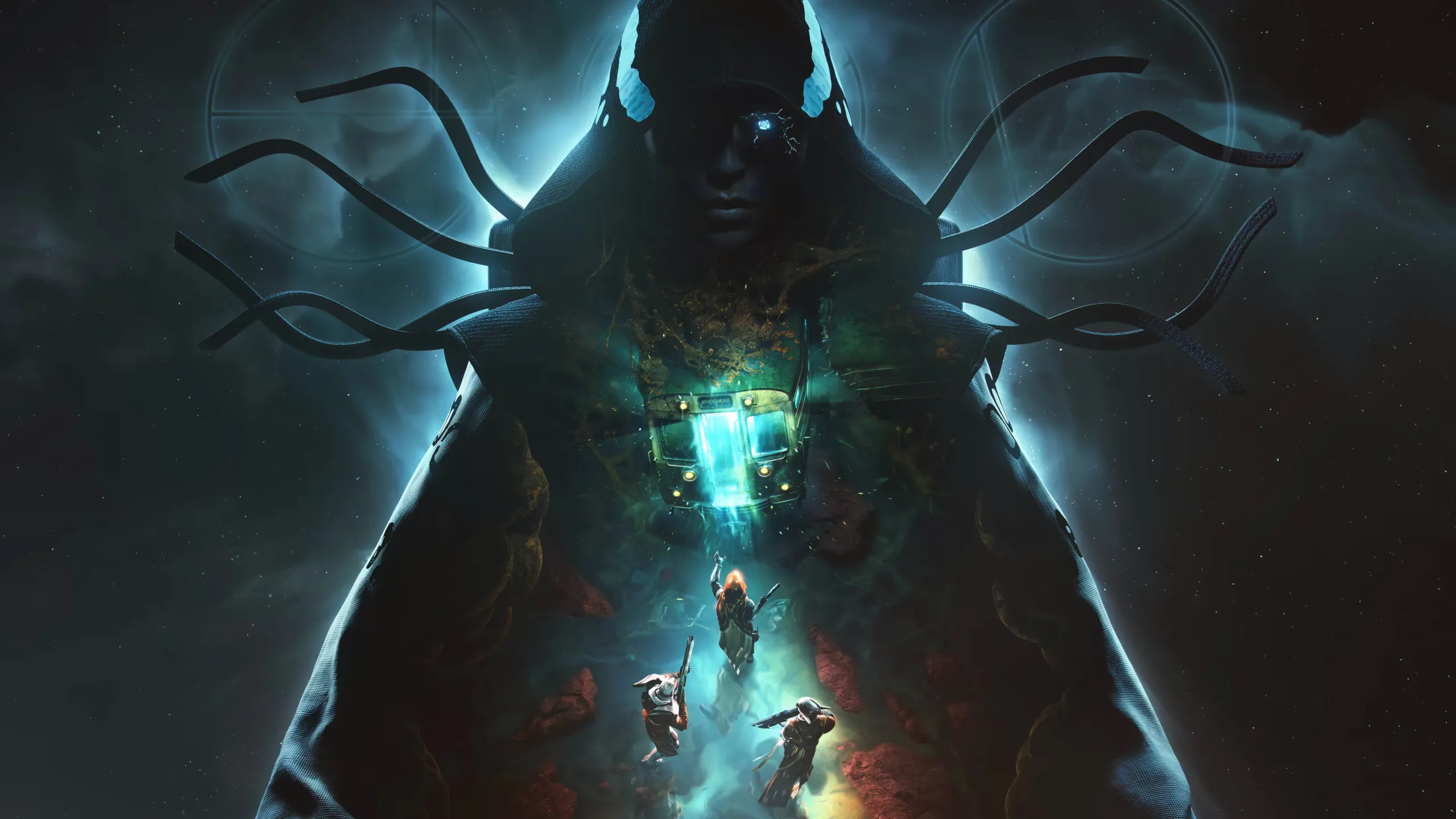
But they didn’t. Instead, we get The Edge of Fate, an epilogue that feels less like a victory lap and more like the start of a strange, uncertain spin-off season. We’re shipped off to Kepler, a new exoplanet at the system’s fringe where reality itself is coming undone. Temporal anomalies and strange dark matter now define our mission profile after the defeat of The Witness.
The setup itself presents a fascinating question, not just for our Guardian, but for the game as a whole. When a story reaches its apparent conclusion, what comes next? Is this expansion the start of a brave new narrative, a chance to explore the quieter, weirder corners of this universe now that the galaxy-ending threat is gone? Or is this the first sign of a game grappling with its own extended lifespan, a beloved hero now old and tired, searching for a new purpose that might not exist?
Whispers on a Quiet World
Writing an epilogue is one of the hardest things a storyteller can do. The main action is over, so the focus must shift from “what happens next?” to “what did it all mean?”. The Edge of Fate tries to answer this by turning its gaze to the cosmic mystery of The Nine, introducing a new hipster-prophet named Lodi and a plot steeped in dark matter. For the dedicated lore-keeper, the campaign drops some truly staggering revelations that re-contextualize years of history.
In that sense, it succeeds. The problem is that a lore dump, however fascinating, isn’t a story. The campaign’s pacing often feels disjointed, with a central plot that lacks personal stakes or emotional gravity. It successfully brings back the eerie, Lovecraftian vibe from expansions like Shadowkeep, but it often feels like you’re reading a chilling encyclopedia entry rather than experiencing a nightmare.
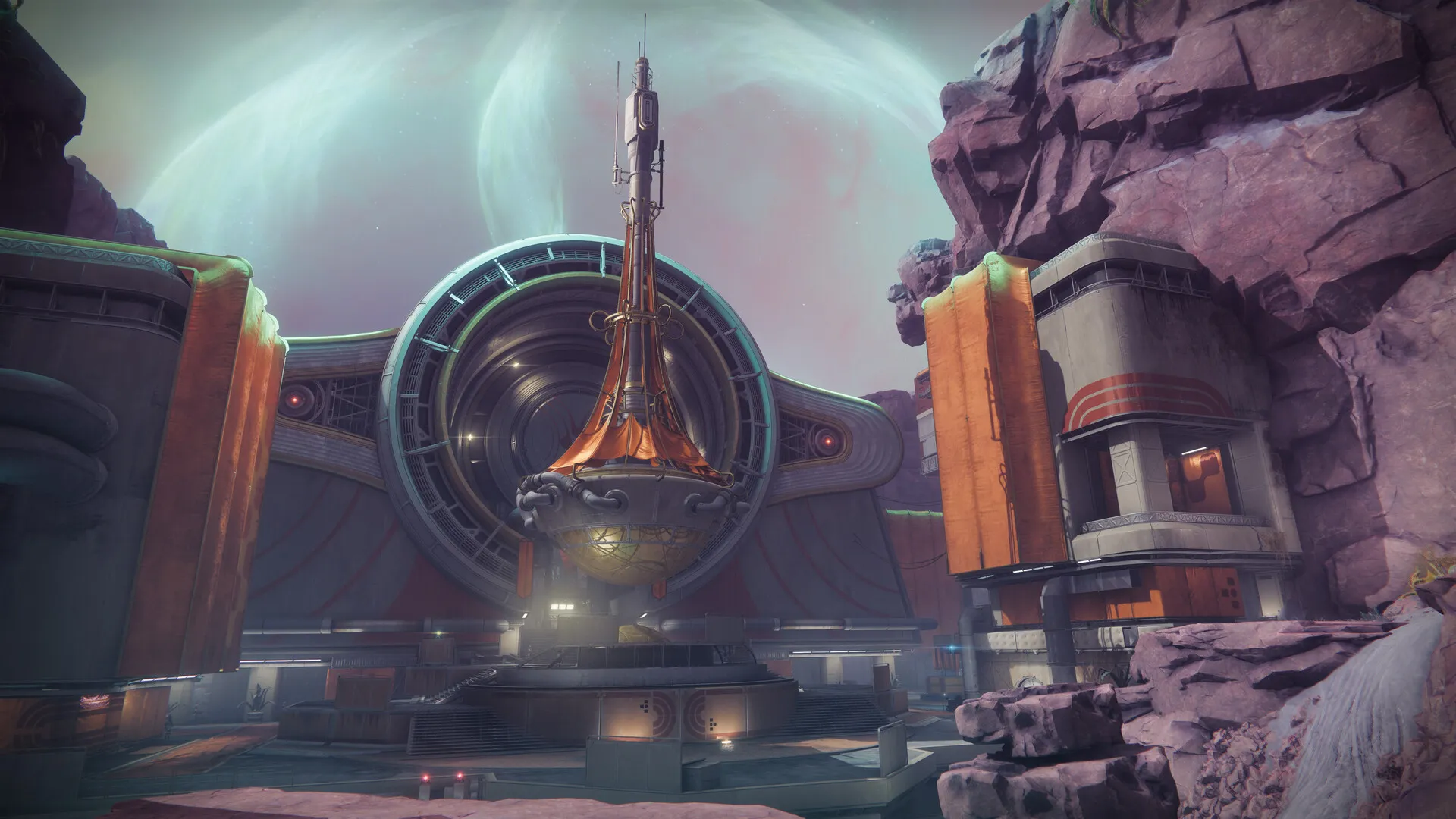
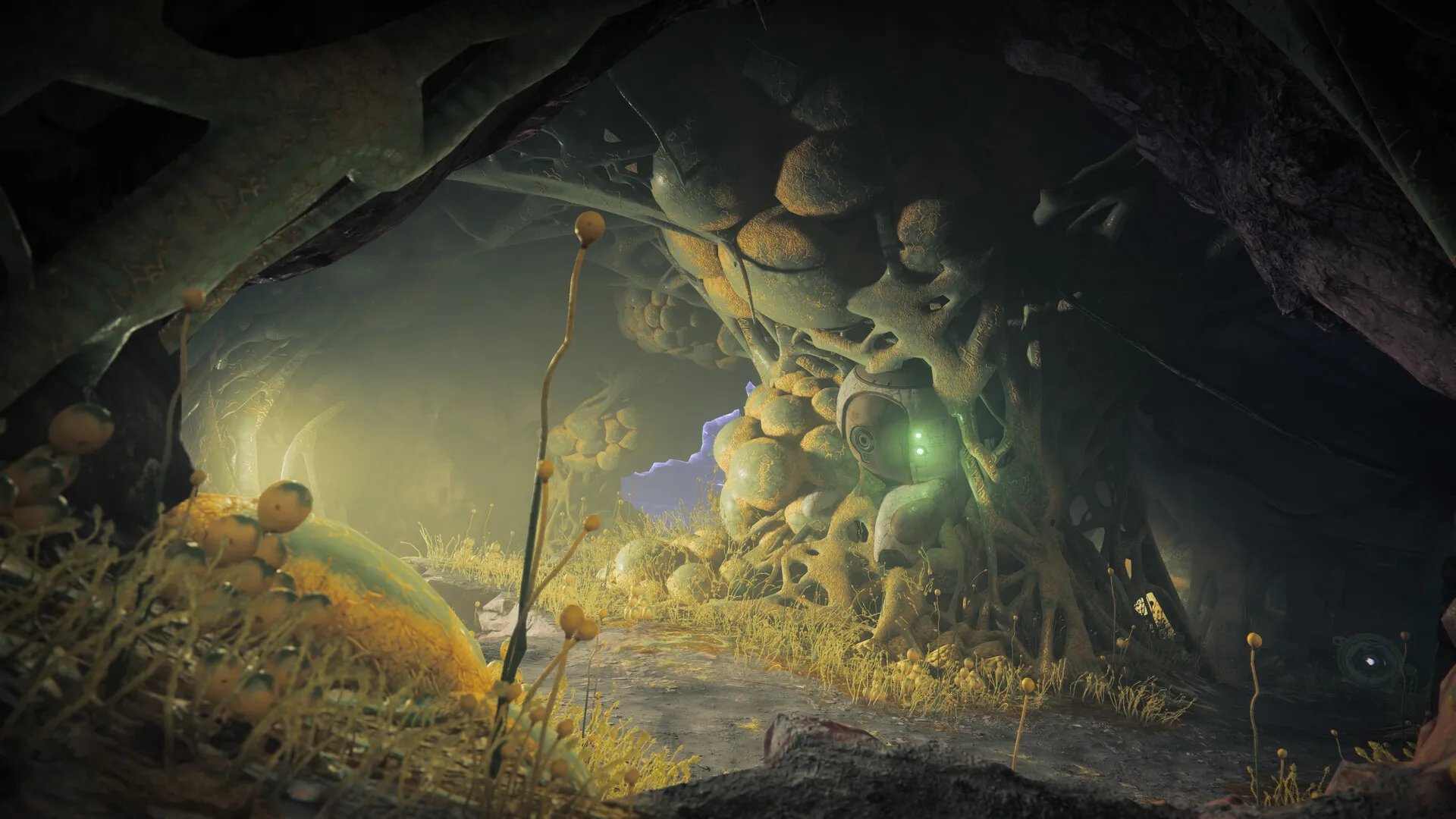
This disconnect extends to Kepler itself. Some will see its red canyons and eerie, yellow-orange fungal growths as a unique and unsettling landscape. Others will find it visually sparse and forgettable. The most significant design choice here is the complete removal of Sparrows.
Also Read





Forcing players to explore on foot is a bold move, one that can make a world feel more intimate and handcrafted, like the tightly designed map of Hallownest in Hollow Knight. When every path is deliberate, the environment becomes a character.
On Kepler, however, this deliberate pacing can sometimes feel less like thoughtful exploration and more like a tedious commute. It puts immense pressure on the world to be interesting up close, and Kepler doesn’t always deliver.
This is where the new characters should anchor the experience, but they rarely do. Lodi and the Aionian NPCs feel less like characters with their own motivations and more like animated mission terminals. They deliver their lines and point you to the next objective, but they seldom provide the emotional core the story desperately needs. The campaign speaks of monumental truths about the nature of the universe, but the voices telling you this tale are so faint they barely leave an impression.
The Price of Progress
Outside the campaign, The Edge of Fate performs major surgery on the core of Destiny 2, and the results are a fascinating mix of elegant solutions and painful sacrifices. The most immediate change is the Portal, a new UI that replaces the classic Director star map.

From a pure usability standpoint, it’s a triumph. Activities are cleanly sorted, rewards are clearly displayed, and a solo player can immediately find content curated for them without getting lost. Yet, something is undeniably lost. The Director, with all its navigational quirks, made the solar system feel like a tangible place you traveled through.
The Portal, for all its efficiency, feels like a playlist menu in a modern streaming app. It’s cleaner and faster, but that sense of place, of physically charting a course from the Tower to the edge of the system, has been replaced by a sterile, functional list. It’s a classic case of function over form, and while the function is excellent, the form had a personality that is now gone.
Happily, some changes are purely for the better. The new Shooting Range is a feature that feels years overdue. It’s a simple, brilliant addition that finally gives players a pressure-free space to actually understand how their gear works. For a game built on such complex systems of perks and stats, the absence of a proper testing ground was always a strange omission.
This, combined with the new granular difficulty modifiers, puts an immense amount of control back in the player’s hands. Reminiscent of the Skulls system from Bungie’s own Halo series, these modifiers let you tune your experience, turning any mission into a custom-built challenge. It’s a design choice that respects the player’s intelligence and desire for self-directed play.
This respect for the player feels complicated, however, when you look at the new gear systems. Armor 3.0 streamlines stats in a logical way, but it arrives alongside a new weapon tier system that effectively resets the board. That god-roll weapon you spent a hundred hours chasing?
It’s now likely outclassed. This “soft sunset” of gear is a practical choice to reinvigorate the loot chase, but it creates a deep emotional disconnect for long-time players. A Guardian’s Vault is more than a stash of items; it’s a curated museum of personal history, with each piece telling a story of a hard-won battle or a lucky drop. To have that history suddenly devalued feels like a betrayal of the time invested. It is the heavy, perhaps necessary, price for this new beginning.
Borrowing a Blueprint
The most ambitious part of The Edge of Fate is its attempt to graft the design of a Metroidvania onto a first-person shooter, and the centerpiece of this experiment is Matterspark. This new ability lets you transform into a zippy ball of energy to squeeze through tight passages, a classic tool for the genre. In practice, however, it’s a deeply divisive mechanic.
The controls feel imprecise and awkward, turning what should be moments of fluid traversal into a clumsy, frustrating exercise of bumping against walls. It’s a tool intended for navigating intricate level geometry, yet it’s frequently forced into combat encounters where it offers little tactical value, feeling more like an obstacle than an asset.
The larger issue is its temporary nature. Unlike learning a new skill in Metroid or Hollow Knight that permanently redefines your relationship with the game world, Matterspark is a power you can only use on Kepler. It feels less like a new part of your identity as a Guardian and more like a disposable keycard.
This awkwardness is amplified by the level design built around it. The best games in the exploration genre guide you with subtle visual language, making you feel clever when you discover a hidden path. Here, the route forward is often obscured by vague waypoints and tiny, hard-to-spot crawlspaces. The feeling isn’t one of discovery; it’s one of relief after a long, tedious search.
This completely breaks the kinetic rhythm that Destiny is known for. The exhilarating loop of shooting and using space magic comes to a screeching halt while you slowly scrape along a canyon wall, looking for the one specific crack the designers want you to find. The intention—to create a change of pace and encourage exploration—is clear. But the execution often mistakes being obscure for being challenging.
The Treadmill of Progress
Once the excellent campaign concludes, The Edge of Fate presents you with its long-term vision, and it feels like a deliberate step into the past. The pursuit of power becomes a much slower, more arduous climb, reminiscent of the game’s earliest, grind-heavy days. The primary method for this ascent involves replaying the campaign missions on higher difficulties.
This is a peculiar design choice that risks souring a great experience. A story that feels powerful and well-paced on the first playthrough can easily become a tedious slog on the third, especially when the only real change is that you are weaker and the enemies are stronger. It turns narrative beats into repetitive obstacles.
The one shining exception is the new Raid, “The Desert Perpetual,” which stands as a testament to Bungie’s best-in-class encounter design. It’s a genuinely new, pinnacle challenge that respects the player’s investment with a worthy goal.
The broader philosophy of the endgame, however, feels less respectful. The quiet removal of popular systems like weapon crafting and the Pathfinder progression signals a significant shift. Weapon crafting, in particular, gave players a sense of agency, a deterministic path to a desired reward that respected their effort. Its absence pushes the game back toward a pure lottery system, where your time investment may or may not be rewarded.
This choice feels especially stark when paired with the demanding seasonal structure. The sixty-day window to climb 110 ranks creates a sense of pressure, a fear of missing out that can turn a leisure activity into a stressful obligation.
It’s a model that asks for a level of commitment that feels increasingly out of step with a world full of other games to play. This expansion seems to be fighting a war on two fronts: it implements brilliant modern systems that value a player’s intelligence, yet its endgame structure seems to devalue their time.
Familiar Echoes
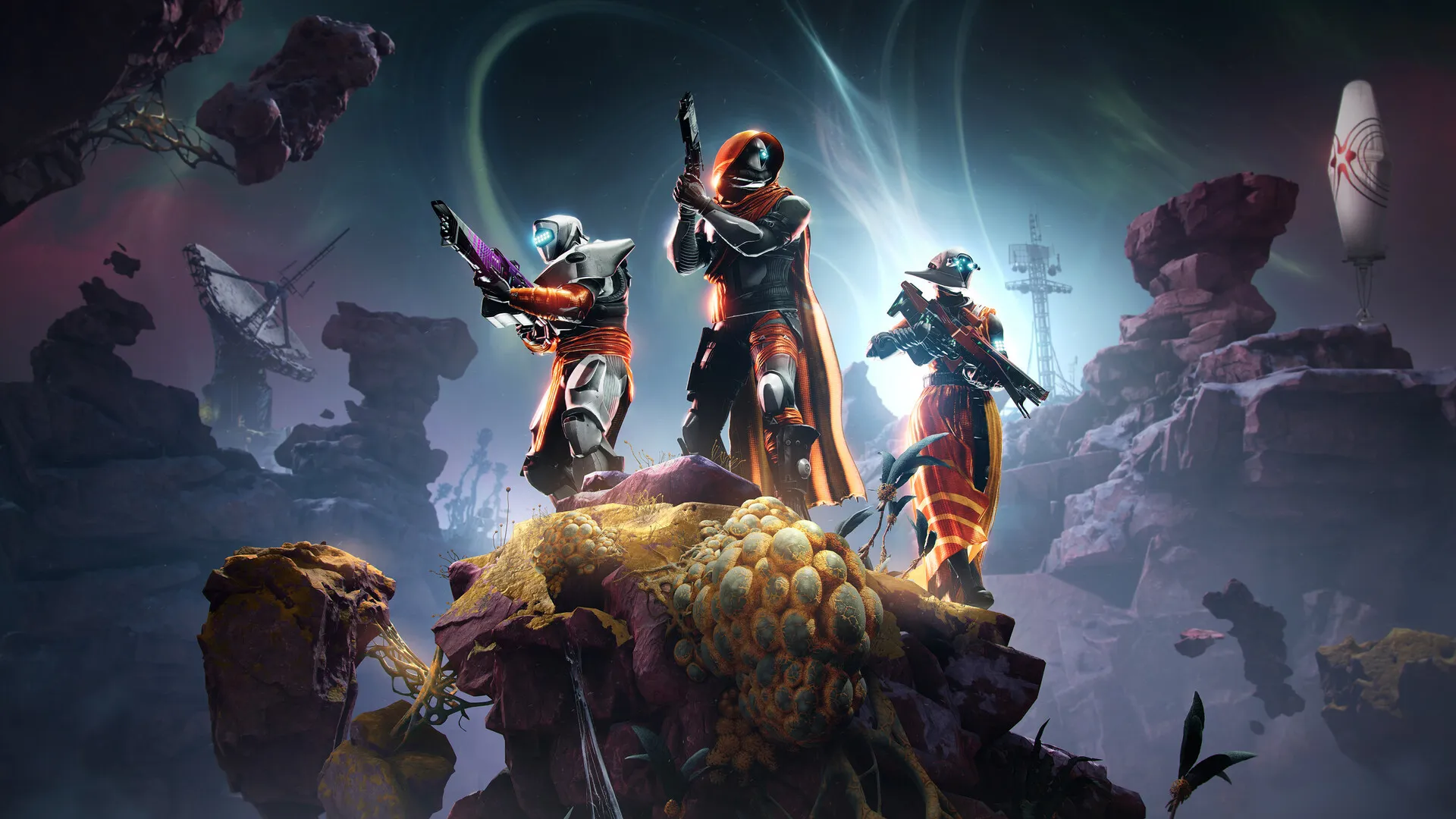
Visually, Kepler is an aesthetic that will likely divide players. It lacks the immediate, awe-inspiring spectacle of locations like the Dreaming City or the Dreadnaught. Its eerie fungal growths and stark canyons create an alien atmosphere, but it struggles to form a memorable identity, often feeling more like a generic sci-fi backdrop than a truly iconic destination in the Destiny universe.
This feeling of a borrowed identity extends to the soundscape. While the underlying audio design remains as crisp and impactful as ever, the expansion adds little of its own.
The music and ambient sounds are perfectly competent, but they lean so heavily on the established foundation that Kepler never develops its own unique auditory signature. It sounds unmistakably like Destiny, but it fails to sound distinctively like The Edge of Fate, making the new frontier feel and sound a lot like the old one.
The Review
Destiny 2: The Edge of Fate
Destiny 2: The Edge of Fate is an expansion at war with itself. It tells one of the series' most compelling stories and introduces brilliant quality-of-life updates that genuinely improve the core experience. However, these triumphs are constantly undermined by frustrating new mechanics, a tedious endgame that mistakes repetition for content, and a return to a grind-heavy philosophy that devalues player investment. It’s an essential piece of lore wrapped in a flawed and often frustrating package, leaving a brilliant first impression that fades the longer you play.
PROS
- A compelling campaign with significant, impactful lore revelations.
- Excellent quality-of-life additions like the Shooting Range and customizable difficulty.
- The new Portal UI makes the game more accessible for all players.
- A thoughtfully designed and challenging new Raid.
CONS
- New traversal mechanics are often clunky and interrupt the game's flow.
- The endgame loop is repetitive and relies on replaying the same content.
- A gear reset and a return to a heavier grind can feel punishing.
- The new world of Kepler lacks the visual identity of past destinations.