

























There’s a certain mythos around working in the film industry, a perceived glamour that obscures the immense, often thankless, labor required to bring a story to the screen. Paula González-Nasser’s debut film, The Scout, peels back that curtain to focus on one of the least visible cogs in the machine.
We are introduced to Sofia, a location scout in New York City, not through a dramatic inciting incident, but through the groggy exhaustion of her morning routine. The film follows her for roughly one day, a structure that rejects conventional plotting for something more observational and true to life.
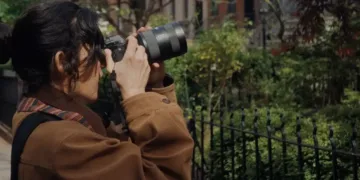
Her reality is defined by a glove compartment stuffed with orange parking tickets and a voicemail box brimming with the queries of strangers. Sofia’s job is a relentless cycle of driving, photographing other people’s lives, and moving on. The Scout is less a story about making a movie and more a poignant document of the quiet grind required just to get to day one of a shoot.
The Currency of Conversation
The narrative of The Scout is built from a mosaic of small human interactions, a structural choice that mirrors the fragmented nature of modern work. Sofia’s day isn’t a single arc but an accumulation of brief, transactional encounters.
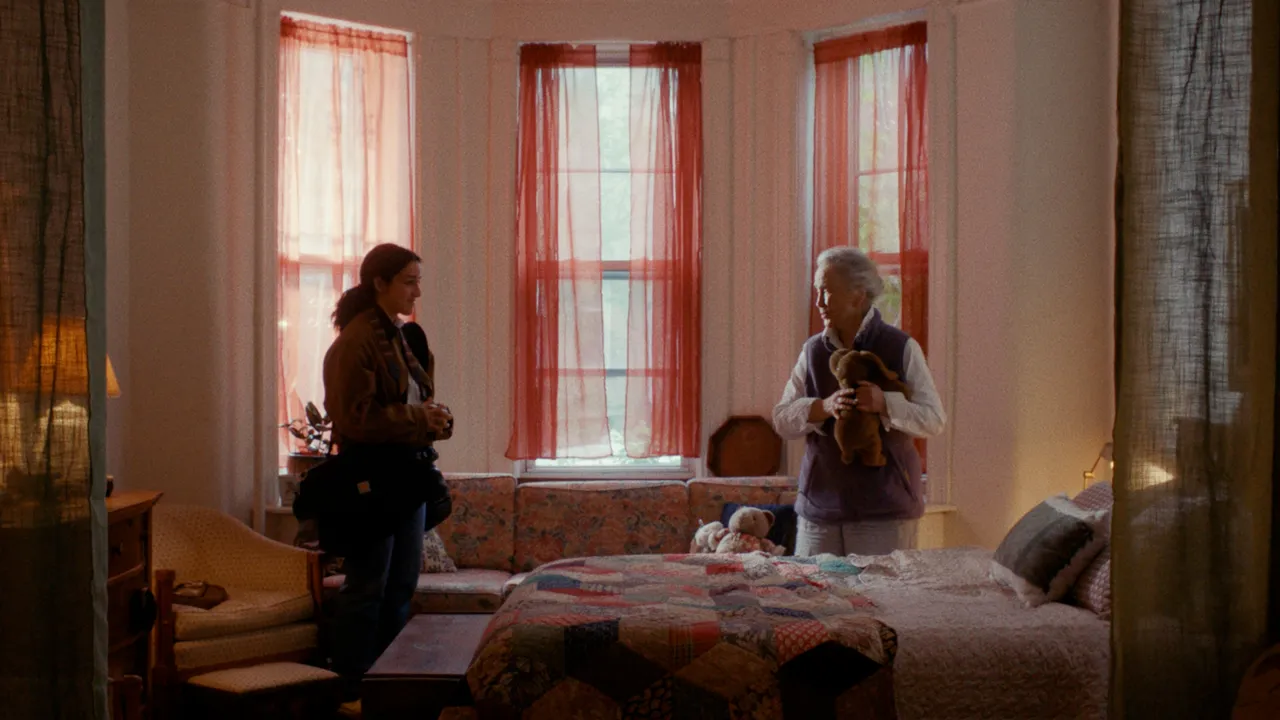
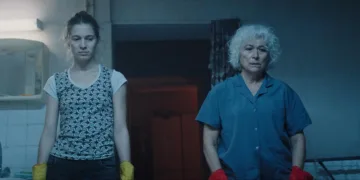
Each apartment or storefront she enters becomes a miniature stage for a new performance. She is a social chameleon, subtly recalibrating her personality to build rapport with each new person. With a lonely older woman, she is a patient listener; with a nervous pet shop owner, she is gently encouraging. It’s a skill born of necessity, a kind of emotional currency she must spend to get what her production needs in a gig economy where her value is constantly being reassessed.
Also Read






I’ve done jobs that require entering people’s homes, and the film perfectly captures that strange, voyeuristic intimacy and the professional barrier one has to maintain. The film explores the profound loneliness in being a professional witness to domesticity, cataloging the homes of others while her own life feels transient.
González-Nasser doesn’t shy away from the darker side of these encounters. When a seemingly friendly father begins to crowd her space, the tension is palpable, highlighting the specific vulnerability of a young woman navigating the city on her own. Her job is to assess spaces, but what the film shows is how often she herself is being assessed, forced to perform a version of herself that is both friendly and unassailable.
A Portrait of the Artist as a Young Worker
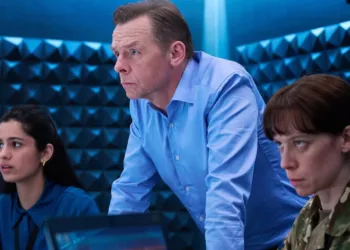
Sofia’s meticulous fieldwork stands in stark contrast to the world of the “creatives” she serves. The film gently satirizes an industry that preaches “vision” while devaluing the foundational labor that makes it possible. In a production meeting, we watch as her carefully scouted locations are casually dismissed for having an “ugly door” or looking “dusty.” Her labor, and by extension her judgment, is rendered invisible.
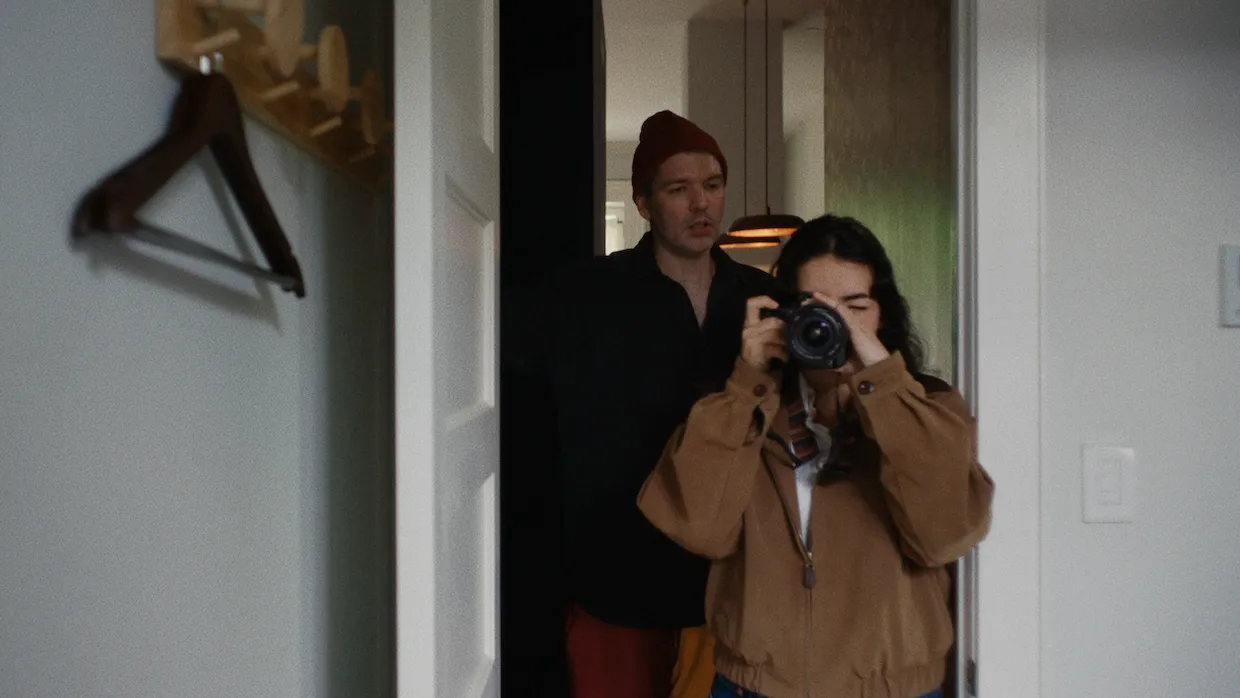
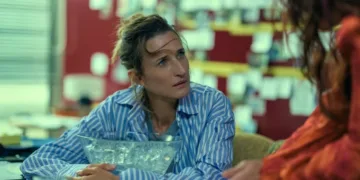
This feeling of being overlooked crystallizes in the film’s brilliant emotional core: an accidental reunion with an old friend, Becca, whose apartment is on Sofia’s list. Their stilted conversation is heavy with unspoken history, hinting at Sofia’s own past ambitions to be behind the camera.
The scene is a masterclass in narrative economy, implying a whole backstory without a single flashback. We see in Becca’s settled life an alternate timeline, a ghost of a path not taken. This moment speaks volumes about a generation sold on the promise of creative fulfillment, now grappling with the reality of professional compromise.
Sofia is not just a scout; she is a photographer of sorts, an artist in her own right, yet her creative input is neither sought nor valued. She is a facilitator for someone else’s vision, slowly becoming a background character in her own life, a feeling of quiet disillusionment that feels deeply specific to our times.
The Aesthetics of Authenticity
The film’s quiet power is rooted in its technical precision and the authenticity that comes from director Paula González-Nasser’s own past as a scout. This isn’t a prettified New York; it’s a city of logistical challenges. Cinematographer Nicola Newton masterfully reinforces Sofia’s experience with a visual language of confinement and observation.
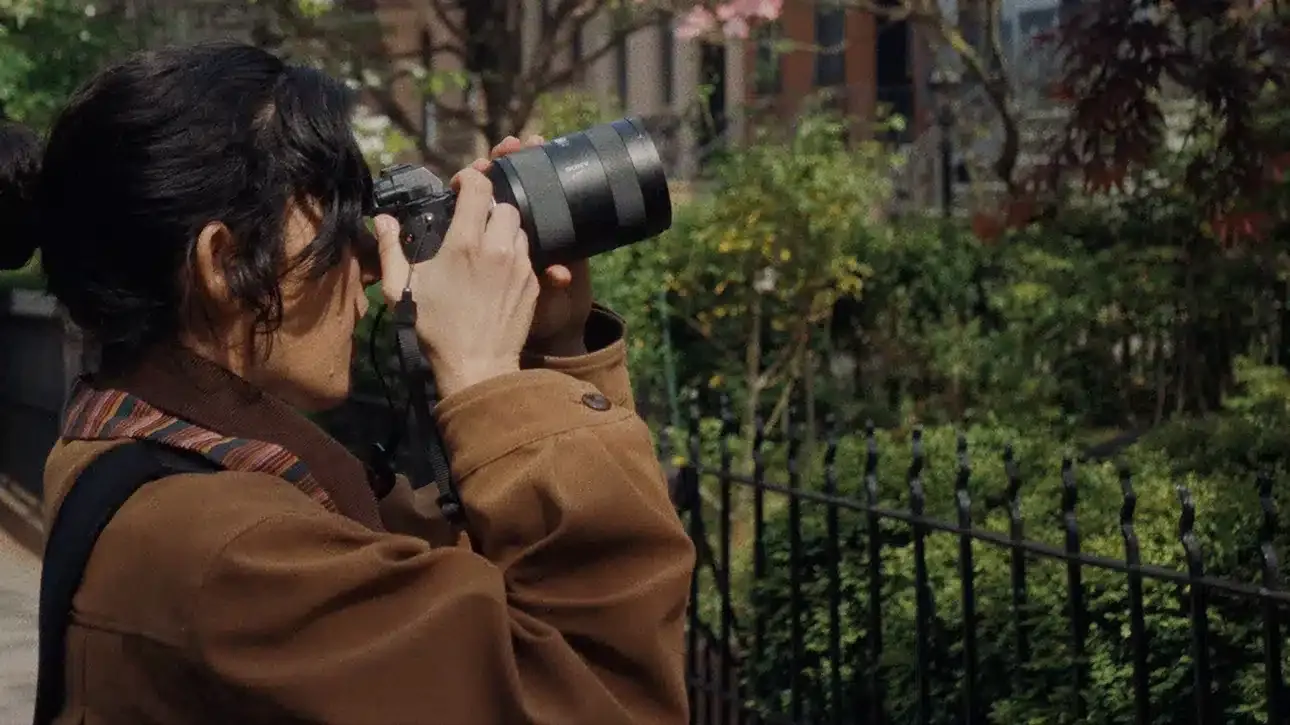
The camera is often static, holding Sofia in distant, locked-down frames that make her seem small or trapped. This forces us, the viewers, to become scouts ourselves, scanning the detailed environments alongside her. The choice to avoid emotional, tight close-ups asks us to do the work of interpretation, to understand her state through context and posture.
The sound design is equally deliberate. The near-total absence of a non-diegetic score strips away any emotional manipulation, grounding us completely in Sofia’s reality. The city’s ambient noise—the sirens, the traffic, the disembodied voices—becomes the film’s true, authentic soundtrack. At the center of it all is Mimi Davila’s wonderfully understated performance.
She carries Sofia’s exhaustion in her posture and her resilience in a simple nod. Her work is about the tiny, almost imperceptible shifts in expression that convey a whole internal world. It’s a feat of profound empathy, anchoring the film’s observational style in a deeply felt human reality and marking this film as a standout piece of modern independent cinema.
The film “The Scout” (2025) is an American drama that had its world premiere at the Tribeca Festival on June 5, 2025.
Full Credits
Director: Paula González-Nasser
Writers: Paula González-Nasser
Producers: Paula González-Nasser, Ryan Martin Brown, Matthew Romanski
Executive Producers: Roger Mancusi, Jess Zeidman, Sarah Herrman, Hannah D. Kettering
Cast: Mimi Davila, Rutanya Alda, Max Rosen, Ikechukwu Ufomadu, Sarah Herrman, Otmara Marrero, Matt Barats
Director of Photography (Cinematographer): Nicola Newton
Editors: Ryan Martin Brown, Byron Leon
Composer: Dan Arnés
The Review
The Scout
With its patient observation and deep empathy, The Scout transforms the mundane into something profound. It is a quiet, beautifully crafted film that captures the texture of unseen labor and the quiet anxieties of a generation. Anchored by a remarkable lead performance from Mimi Davila and the assured direction of Paula González-Nasser, this is a potent and authentic debut that finds its drama not in grand events, but in the small, accumulated moments of a single day.
PROS
- An authentic and insightful look into the unglamorous side of film industry labor.
- Mimi Davila delivers a powerful, nuanced, and deeply relatable lead performance.
- Intelligent and patient direction that trusts the audience.
- Thoughtful cinematography that visually reinforces themes of isolation and observation.
- A poignant and timely exploration of professional compromise and millennial disillusionment.
CONS
- The deliberately slow, slice-of-life pacing may not appeal to viewers accustomed to plot-driven narratives.
- Its understated tone means it lacks moments of conventional dramatic catharsis.
- The episodic structure results in some supporting characters feeling intentionally brief and underdeveloped.