


















![Kingdom Hearts Collection [I-III] Review](https://gazettely.com/wp-content/uploads/2026/10/Kingdom-Hearts-Collection-I-III-1-360x180.webp "Kingdom Hearts Collection [I-III] Review: KHII Holds Steady as Newer Entries Fluctuate 40")
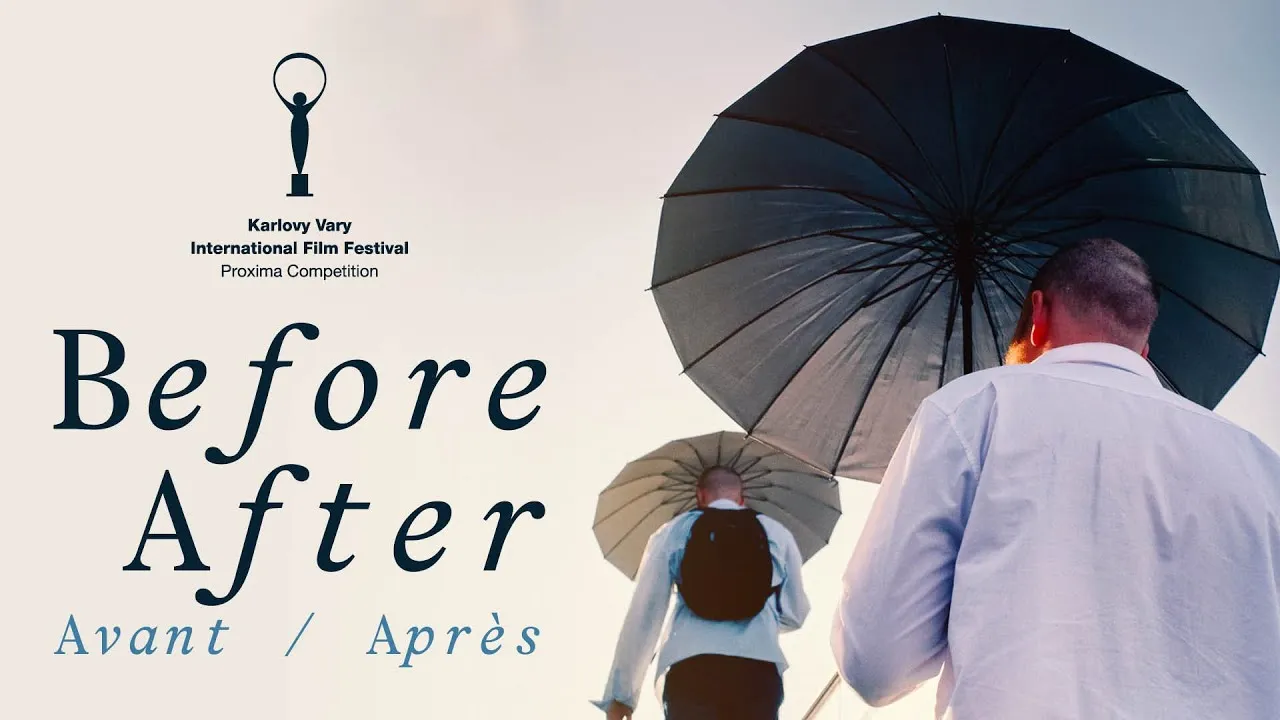

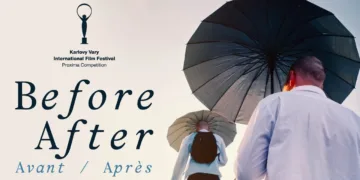
In Manoël Dupont’s debut feature, Before/After, two men seek a fresh start on the operating tables of Istanbul. Jérémy and Baptiste are near-strangers, brought together by a chance roadside encounter and a shared, quiet desperation over their thinning hair.
Their subsequent flight to Turkey is less a vacation than a pilgrimage, a hopeful quest for the kind of self-confidence that seems to have eroded with their hairlines. The city itself, caught in the tense atmosphere of a landmark election, becomes a fitting backdrop for their personal state of unease.
They arrive with the hope of returning transformed, raising the film’s central, lingering question: can a meticulously reconstructed hairline truly reconstruct a life, or is it merely a new mask for the same old face? The film follows their pursuit of an answer, finding profound depth in a seemingly superficial procedure.
The Authentic Cut
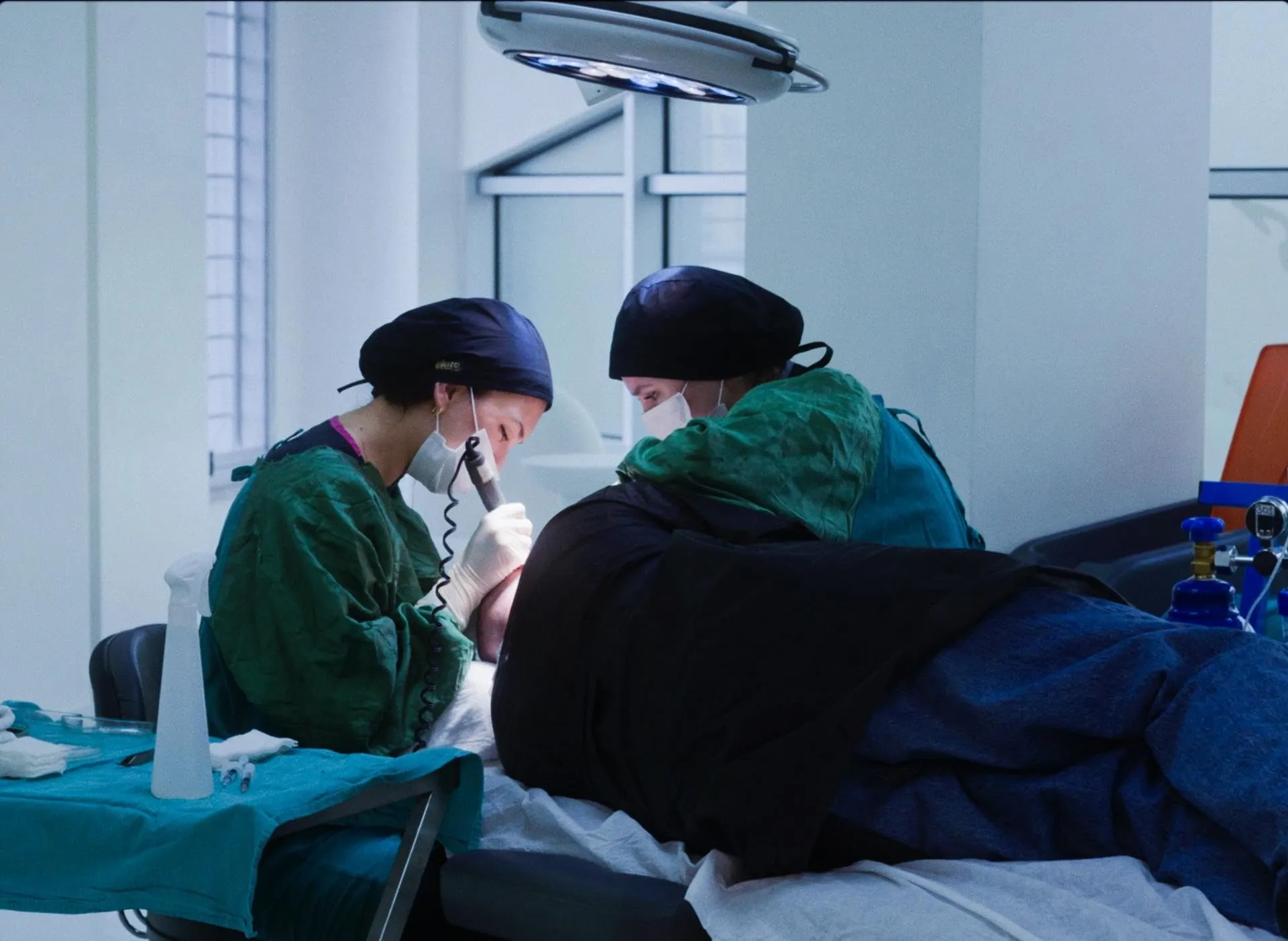
The film deliberately dismantles the wall between performance and reality, creating a unique texture that is both unsettling and engrossing. Dupont constructs a fictional story around a very real event: the two leads, Jérémy Lamblot and Baptiste Leclere, are non-professionals playing versions of themselves, and the hair transplant surgeries they receive on camera are entirely authentic.
This radical choice infuses the narrative with a startling degree of verisimilitude. The anxiety in the consultation rooms, the nervous jokes before going under the knife, and the tender, bloodied results are not fabrications.
They are documented truths, lending the film an unshakeable foundation of honesty. This method creates a fascinating tension; the audience is aware of a narrative structure, yet what unfolds within it feels unpredictable and dangerously real.
The cinematography amplifies this feeling. The handheld camera acts as an observational tool, often keeping its distance or peering through doorways, which creates an intimate, almost voyeuristic perspective. We are not just watching a story about vulnerability; we are made quiet witnesses to it as it happens, raw and unscripted.
The unpolished nature of the performances further cements this reality. Conversations halt and stammer with a naturalism that cannot be scripted, and the actors’ hesitant physical interactions speak volumes about their discomfort and burgeoning trust. The film’s power is rooted in this unflinching presentation of a real, physical transformation, forcing a confrontation with the painful, messy process of change itself.
Portraits of Fragile Men
At its center, Before/After is a quiet, patient study of contemporary masculinity and the specific anxieties that can define it. The men’s shared hair loss is the catalyst for a much deeper exploration of self-worth, aging, and the relentless pressure to project an image of vitality.

Jérémy, the more intense and needy of the two, seems to be chasing a new identity with a restless urgency, his recent inheritance perhaps fueling a desperate attempt to build a life that feels more substantial. Baptiste, his larger and more reserved counterpart, carries a heavy quietness suggesting a man who has retreated from the world; this journey is a tentative step back toward it.
Their bond is the film’s enigmatic heart. It is born from a shared mission, a tentative and gentle intimacy that develops in the sterile waiting rooms and shared hotel beds of a foreign city. The dynamic is complicated by the fact that Jérémy is financing the entire endeavor, introducing a transactional layer to their connection. Is it friendship? A fleeting romance?
A temporary alliance of convenience? The film wisely refuses to label it, allowing the relationship to exist in a state of fragile ambiguity. This personal search for stability is subtly echoed by the city around them. Shot during the 2023 Turkish presidential elections, the film captures a nation holding its breath. The visual and audible tension of political rallies and a society at a crossroads provides a powerful external metaphor for the characters’ internal turmoil and their own uncertain path toward renewal.
The Unfinished Transformation
Once the procedures are complete, the men are left to confront the aftermath. They have the fuller heads of hair they paid for, but the film offers no simple resolution or triumphant reveal. The title itself points to the film’s true focus: the slash, that liminal space of the procedure itself and the uncertain process of becoming.
The physical evidence of change is there, but their emotional states and the future of their relationship remain open and undefined. The final scenes are not celebratory. They are marked by the same quiet, contemplative mood that permeates the entire film, as the men examine their new reflections with a mixture of hope and trepidation.
Before/After purposefully leaves its audience in this state of ambiguity, suggesting that a cosmetic fix is never the entire answer. The film’s most potent idea is its quiet refutation of the modern myth of the quick fix, the belief that selfhood can be purchased or perfected like any other commodity. It argues that true change is an internal process, one that has only just been reset by this drastic physical alteration.
The conclusion is not a destination but a pause, a poignant and realistic snapshot of a moment in time. The strength of Dupont’s work lies in this patient observation and its refusal of easy answers, leaving a lasting impression as a thoughtful meditation on the complex, often painful space between changing how you look and changing who you are.
The movie “Before/After” (also known as “Avant/Après”) is a French-Estonian film that had its world premiere in the Proxima Competition of the 59th Karlovy Vary International Film Festival (KVIFF) in July 2025.
Full Credits
Director: Manoël Dupont
Writers: Manoël Dupont
Producers: Boris Baum, Clara Brandt
Cast: Jérémy Lamblot, Baptiste Leclere, Wassim Aboushala
Director of Photography (Cinematographer): Thibaut Egler
Editors: Romain Waterlot
Composer: Theo Rota
The Review
Before/After
Before/After is a profoundly honest and patient film that uses a real-life medical procedure to ask deep questions about identity. Its hybrid form creates a raw authenticity, and its strength lies in its quiet observation and refusal of a neat conclusion. While its deliberately ambiguous nature may not satisfy all, it is a poignant and intelligent meditation on the messy, unfinished process of becoming.
PROS
- The blend of documentary and fiction, featuring real surgical procedures, provides a raw and powerful viewing experience.
- The film intelligently examines modern masculinity, self-worth, and the complex relationship between external appearance and internal identity.
- The non-professional lead actors deliver remarkably vulnerable and genuine performances that anchor the film's emotional core.
- Its refusal to provide easy answers or a tidy resolution makes for a more memorable and thought-provoking work.
CONS
- The film’s quiet, observational style and deliberately slow pace may feel uneventful to some viewers.
- Audiences seeking a conventional plot with a clear conclusion might find the open-ended and ambiguous nature frustrating.