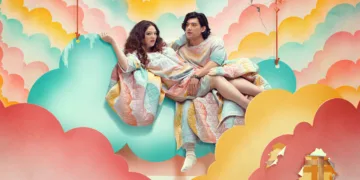

















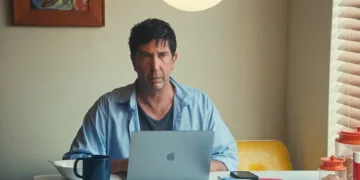










Eight years after revolutionizing television’s approach to female-driven narratives, Lena Dunham returns with “Too Much,” a Netflix limited series that signals a fascinating evolution in how streaming platforms are repositioning romantic comedy for the therapy generation. Co-created with her husband Luis Felber, this semi-autobiographical project follows Jessica (Megan Stalter), a heartbroken American advertising executive who flees to London after discovering her ex-boyfriend Zev (Michael Zegen) has moved on with Instagram influencer Wendy (Emily Ratajkowski).
What begins as geographical escape becomes emotional archaeology when Jessica meets Felix (Will Sharpe), a struggling British musician whose patient acceptance of her chaotic energy challenges everything she believes about being “too much.” The 10-episode series arrives at a pivotal moment for streaming content, as platforms increasingly prioritize authentic storytelling over algorithmic perfection.
“Too Much” represents Netflix’s investment in creator-driven narratives that examine the psychological infrastructure of modern relationships rather than simply packaging romance in digestible formats. The show’s exploration of cross-cultural dynamics, mental health integration, and social media’s impact on intimacy reflects television’s growing sophistication in addressing millennial anxieties while maintaining commercial appeal.
Recalibrating Performance for the Streaming Age
Megan Stalter’s transformation from social media satirist to dramatic lead represents a microcosm of how streaming platforms are redefining star-making mechanisms. Her Jessica embodies the peculiar challenge facing performers who must translate internet-native comedic sensibilities into sustained narrative television. Stalter’s background in viral content creation informs her portrayal of a character whose life has become performance—every emotional crisis potential content, every relationship milestone filtered through social media metrics.
Her performance walks a delicate line between authenticity and artifice, capturing how digital natives have internalized the grammar of online self-presentation. When Jessica records her private video messages to Wendy, Stalter channels the specific vulnerability of someone who has learned to process emotions through the lens of potential audience consumption. This isn’t method acting; it’s cultural translation, converting the behavioral patterns of a generation raised on digital platforms into traditional narrative television.
Will Sharpe’s Felix provides the analog counterpoint to Jessica’s digital chaos, embodying Britain’s cultural resistance to American emotional exhibitionism while revealing his own complex relationship with performance and authenticity. His portrayal suggests that the show’s true subject isn’t romance but the negotiation between public and private selves in an era where intimacy has become increasingly mediated.
The supporting cast reflects Netflix’s strategic deployment of recognizable faces to anchor experimental content. Emily Ratajkowski’s casting as Wendy demonstrates how platforms are leveraging social media influencers’ existing audiences while examining the very culture that created their celebrity. Michael Zegen’s Zev represents a particular type of millennial male toxicity—the partner who weaponizes therapeutic language to justify emotional manipulation—that signals television’s growing sophistication in depicting subtle forms of relationship dysfunction.
Dialogue as Cultural Documentation
Dunham’s writing captures the specific cadence of post-therapy generation discourse, where psychological concepts have become vernacular and emotional intelligence is performed rather than practiced. The series documents how millennials and Gen Z have absorbed therapeutic language while often missing its deeper implications, creating characters who can articulate their trauma but struggle to address its root causes.
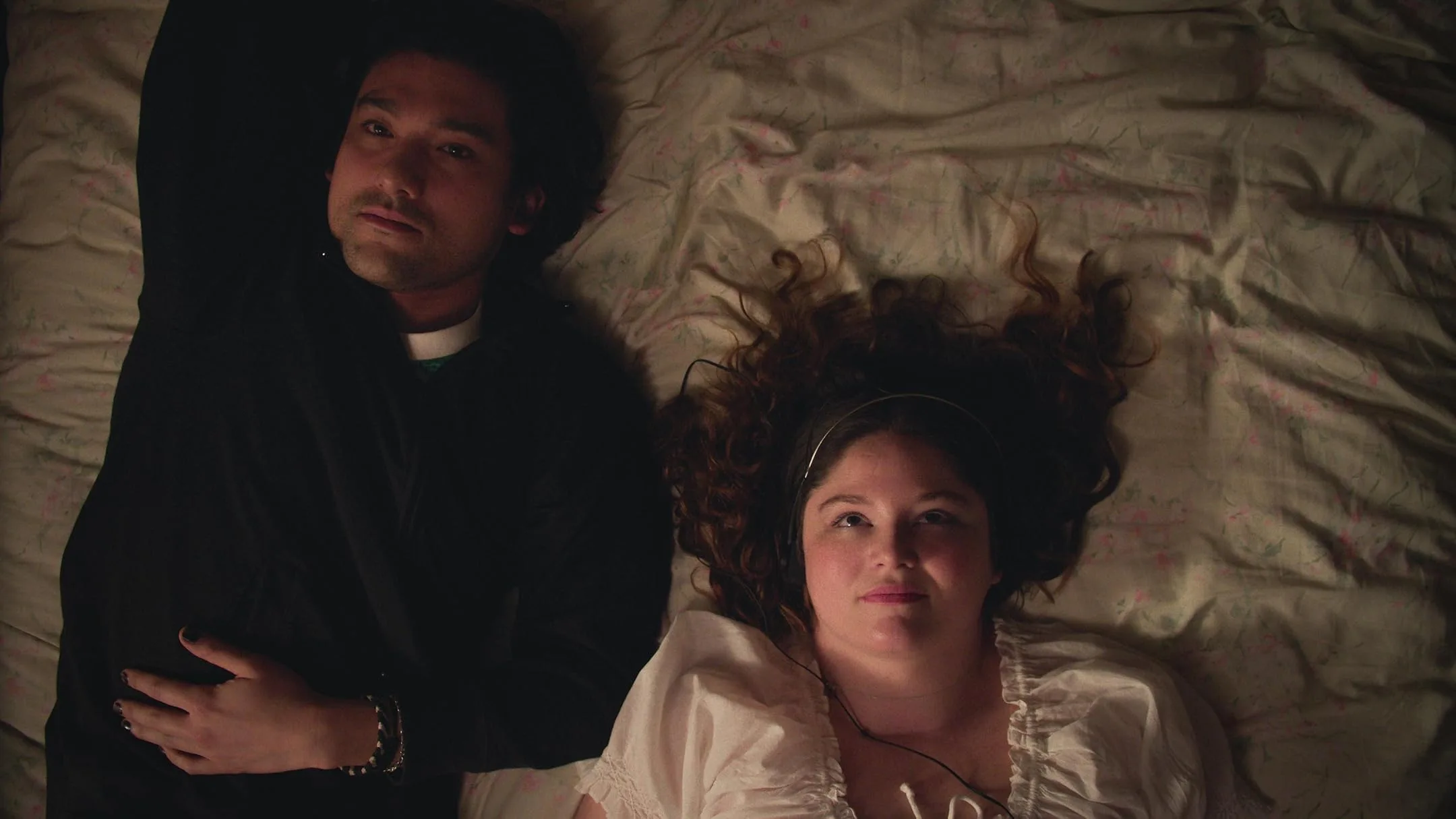
The dialogue between Jessica and Felix reveals how cross-cultural relationships have become laboratories for testing American emotional directness against British emotional restraint. Their conversations about mental health, addiction, and family dysfunction demonstrate how younger generations have normalized discussions that previous cohorts considered private, yet struggle with the practical application of this emotional literacy.
The series’ narrative structure reflects streaming television’s evolution beyond traditional episodic formats. Jessica’s video messages to Wendy function as both framing device and social commentary, examining how private emotional processing has become indistinguishable from content creation. The flashback sequences don’t simply provide exposition; they illustrate how memory has become curated experience, shaped by social media’s emphasis on narrative coherence and emotional resolution.
The show’s exploration of what constitutes “too much” in relationships addresses a central anxiety of the therapy generation: the fear that emotional honesty might be incompatible with romantic success. This theme resonates beyond individual relationships, reflecting broader cultural tensions about authentic self-expression versus social acceptability.
Visual Language of Intimacy
Dunham’s directorial approach reflects streaming television’s unique position between cinematic and televisual aesthetics. The series employs handheld cameras and natural lighting to create intimacy without voyeurism, acknowledging that contemporary audiences have become sophisticated consumers of both reality television and authentic documentary styles.
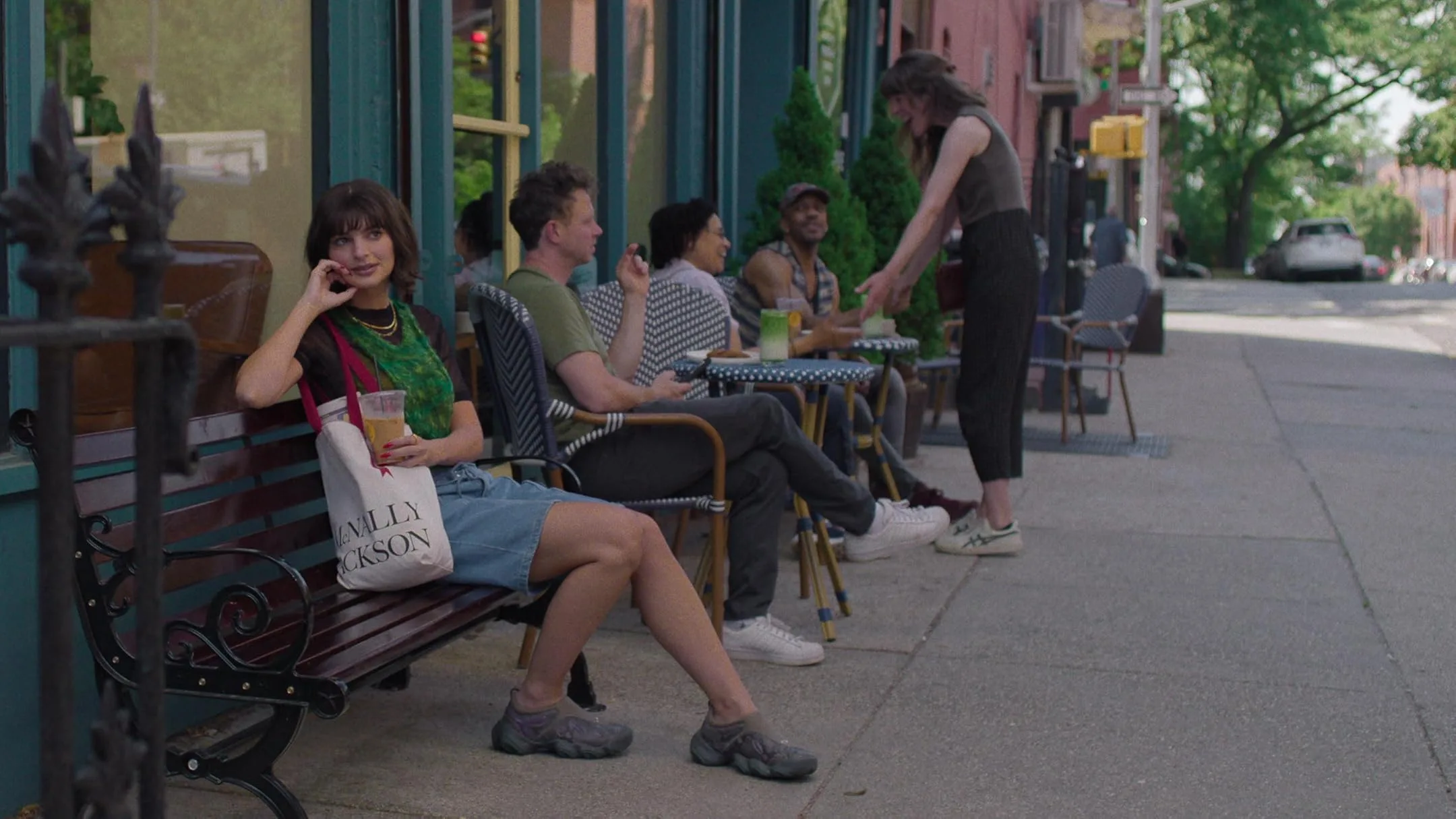
The London setting functions as more than backdrop; it represents the geographic mobility that defines millennial professional life while examining how location affects identity formation. The production design captures the economic precarity facing creative professionals, from Jessica’s misconceptions about British housing to Felix’s unstable living arrangements, grounding romantic fantasy in material reality.
The series’ use of technology as both narrative device and thematic element demonstrates television’s growing sophistication in depicting how digital platforms shape contemporary relationships. Social media appears not as plot device but as environmental condition, affecting how characters process emotions and construct identity.
Cultural Cartography in the Streaming Era
“Too Much” arrives as streaming platforms grapple with global content strategies that must balance cultural specificity with international appeal. The series examines American-British cultural differences not as comedic opposites but as complementary approaches to emotional expression, challenging the assumption that cultural barriers necessarily impede romantic connection.

The show’s portrayal of modern romance reflects streaming television’s ability to examine contemporary dating culture with unprecedented nuance. Jessica’s obsession with her ex’s new relationship through social media captures the specific torture of algorithmic emotional surveillance, while Felix’s struggle with commitment addresses how economic instability affects relationship formation for creative professionals.
The series’ integration of mental health themes demonstrates television’s evolution beyond treating psychological issues as plot complications. Jessica’s anxiety and Felix’s addiction history are presented as ongoing conditions that affect their relationship without defining their worth as romantic partners, reflecting broader cultural shifts toward destigmatizing mental health struggles.
The show’s examination of class differences reveals how economic inequality affects relationship dynamics, particularly for professionals whose creative aspirations conflict with financial stability. This analysis extends beyond individual characters to examine how social media creates false narratives about success and happiness, contributing to relationship insecurity and self-doubt.
Streaming’s Authentic Romance Revolution
“Too Much” represents Netflix’s strategic investment in creator-driven content that prioritizes emotional authenticity over commercial formula. The series succeeds because it commits to portraying relationships as ongoing negotiations rather than problems to be solved, reflecting streaming television’s ability to explore complex themes without traditional broadcast constraints.
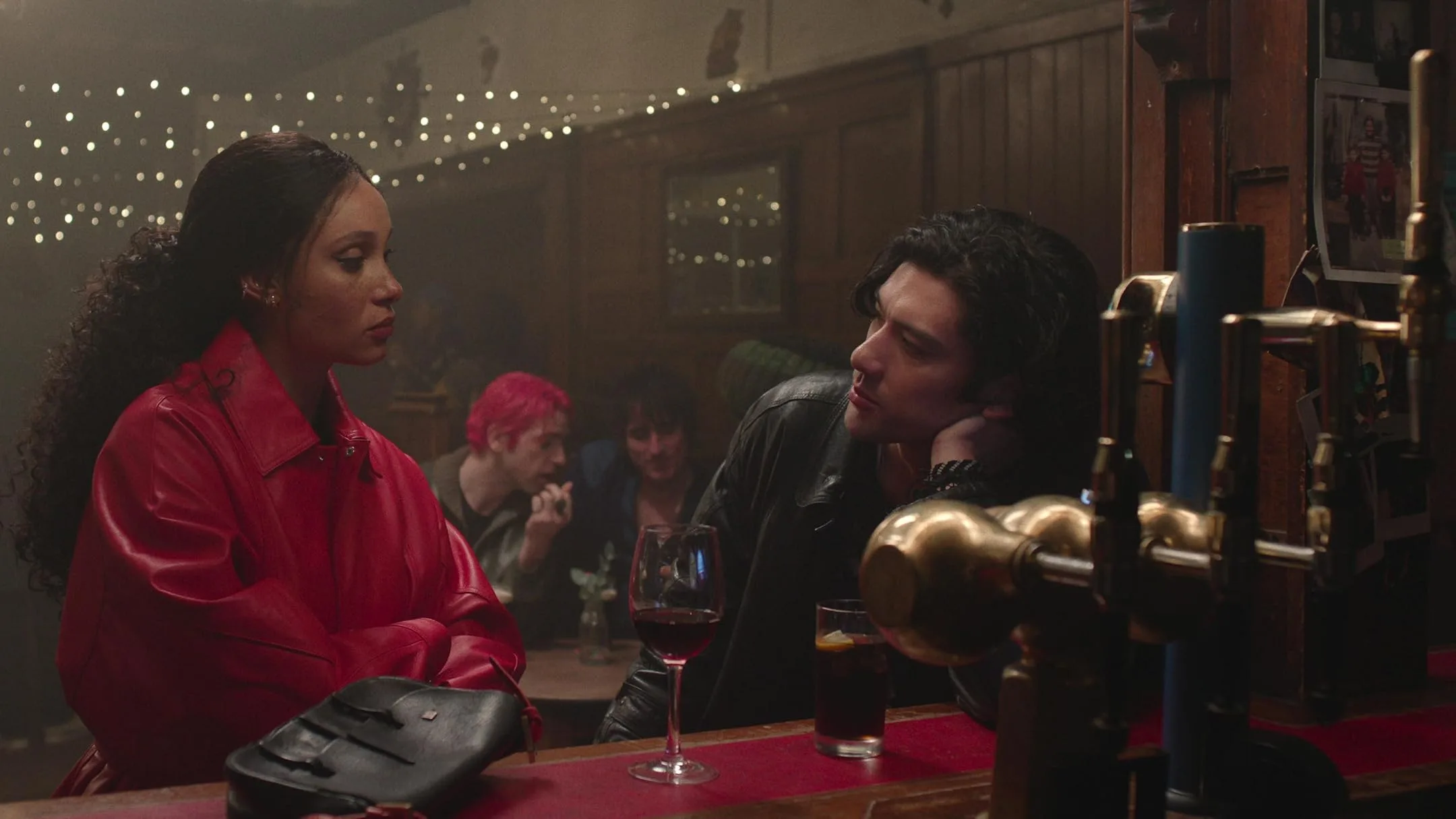
The show’s treatment of its protagonist’s flaws demonstrates how streaming platforms are redefining likability for contemporary audiences. Jessica remains challenging throughout the series, and her growth comes through acceptance rather than fundamental change. This approach reflects broader cultural shifts toward embracing authentic self-expression over social conformity.
The series’ pacing issues and occasional tonal inconsistencies reflect the challenges facing creator-driven content in the streaming ecosystem. Some episodes feel rushed while others linger too long, suggesting that the freedom provided by streaming platforms requires more disciplined editorial oversight to achieve optimal narrative impact.
The show’s cultural impact extends beyond entertainment value to examine how streaming platforms are reshaping global conversations about relationships, mental health, and cultural identity. “Too Much” offers a mature examination of romantic comedy that acknowledges the complexity of modern relationships while maintaining genuine warmth and humor.
For audiences seeking romantic comedies that reflect the reality of dating in the social media age, “Too Much” provides a sophisticated blend of cultural observation and emotional authenticity. The series earns its place in streaming television’s evolution by doing the work to make us believe these characters belong together, demonstrating how authentic storytelling can transcend cultural boundaries and algorithmic expectations.
“Too Much” is a romantic comedy series that premiered on Netflix on July 10, 2025. The show was created by Lena Dunham and her husband, Luis Felber.
Full Credits
Directors: Lena Dunham, Janicza Bravo, Alicia MacDonald
Writers: Lena Dunham, Luis Felber, Collier Meyerson, Monica Heisey
Producers: Camilla Bray, Cheryl Eatock, Tim Bevan, Luis Felber, Eric Fellner, Michael P. Cohen, Surian Fletcher-Jones, Bruce Eric Kaplan, Lena Dunham
Cast: Will Sharpe (Felix), Megan Stalter (Jessica), Emily Ratajkowski (Wendy), Richard E Grant (Jonno), Adwoa Aboah (Linnea), Rita Wilson (Lois), Andrew Rannells (Jameson), Janicza Bravo (Kim), Leo Reich (Boss), Michael Zegen (Zev), Rhea Perlman (Dottie), Lena Dunham (Nora), Naomi Watts (Ann), Stephen Fry (Simon), Adèle Exarchopoulos (Polly), Prasanna Puwanarajah (Auggie), Daisy Bevan (Josie), Dean-Charles Chapman (Gaz), Kaori Momoi (Aiko), Jessica Alba, Kit Harington, Andrew Scott, Rita Ora, Jennifer Saunders
Composer: Luis Felber
The Review
Too Much
"Too Much" succeeds as both romantic comedy and cultural artifact, capturing the specific anxieties of post-therapy generation romance while advancing streaming television's commitment to authentic storytelling. Despite pacing inconsistencies and underdeveloped supporting characters, the series offers a mature examination of modern relationships that feels both timely and enduring. Stalter and Sharpe's chemistry anchors a narrative that treats emotional complexity as strength rather than weakness.
PROS
- Authentic portrayal of contemporary relationship dynamics
- Strong lead performances, particularly Megan Stalter's dramatic evolution
- Sharp, culturally-aware writing that captures millennial discourse
- Sophisticated integration of mental health themes
- Effective use of cross-cultural elements without stereotyping
CONS
- Inconsistent pacing across episodes
- Underdeveloped supporting character arcs
- Occasional tonal imbalances between comedy and drama
- Some narrative threads feel rushed or unresolved