























![Kingdom Hearts Collection [I-III] Review](https://gazettely.com/wp-content/uploads/2026/10/Kingdom-Hearts-Collection-I-III-1-360x180.webp "Kingdom Hearts Collection [I-III] Review: KHII Holds Steady as Newer Entries Fluctuate 37")



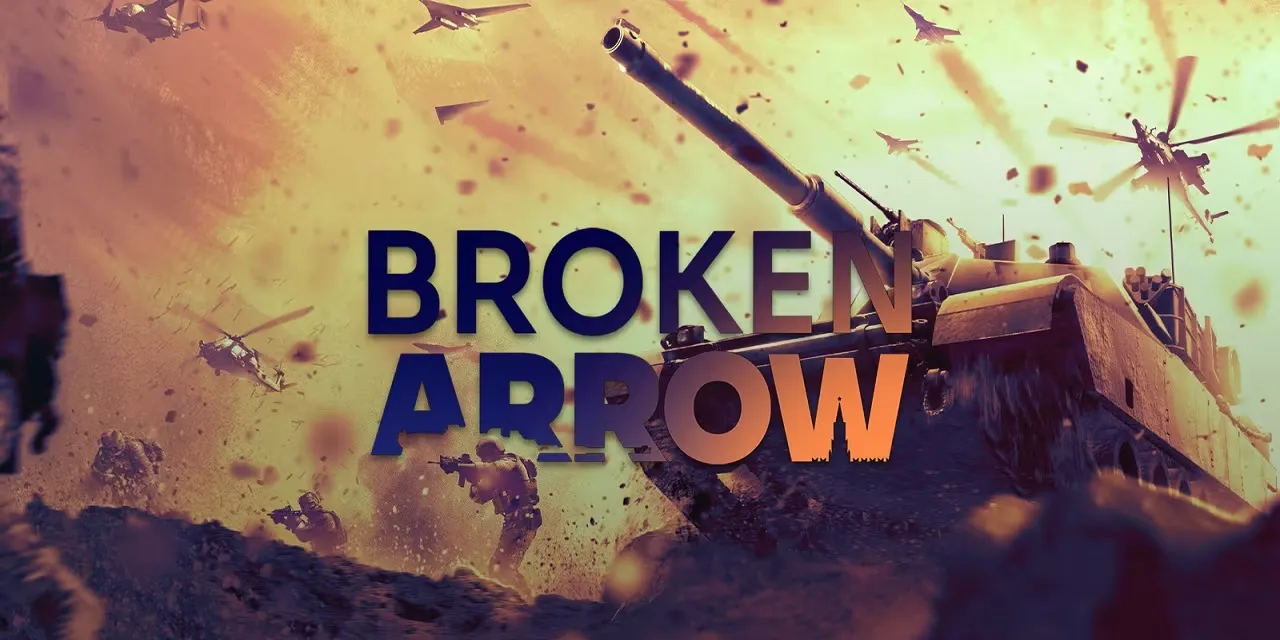

The visual language of a superpower clash is universally understood, codified by decades of cinema and newsreels. Broken Arrow taps directly into this shared consciousness, opening not on a map, but on a familiar kind of spectacle.
It presents a chaotic symphony of streaking missile trails, thundering armored columns, and helicopter assaults that feel less like a game and more like a digitized scene from a modern techno-thriller. This immediate familiarity is the game’s entry point for a global audience.
However, it quickly diverges from the established RTS formula. The classic model of base-building—a mechanic rooted in narratives of industrial expansion and nation-building—is completely absent. Here, the focus shifts entirely to tactical command and the meticulous composition of your forces. You are not an industrialist managing supply chains; you are a field commander executing an operation.
This mechanical choice aligns the game with the sharp, brutal efficiency of modern military doctrine. By setting this action within the archetypal framework of a United States versus Russia conflict, the game enters a long-running cultural dialogue, aiming to simulate not just the hardware, but the very theory of 21st-century warfare.
The Curated Arsenal
The game’s strategic choices begin long before the first engagement, rooted in the competing military philosophies of its two factions. Choosing between the United States and Russia is not a simple cosmetic decision. It’s an adoption of distinct doctrines with their own cultural histories.
Deploying the U.S. Marine Corps invokes a history of expeditionary force projection, while selecting the Russian VDV Airborne channels a different strategic tradition, one of high-risk, deep-territory shock assaults. These sub-factions are not merely different sets of units; they are playable ideologies, offering the player a chance to inhabit globally recognized approaches to warfare.
This ideological choice then drills down to a remarkable level of material specificity. The game’s deep customization system reflects a distinctly modern, almost consumerist obsession with military hardware, a hallmark of the global “milsim” community. Players can meticulously modify an M1 Abrams with specific armor packages or equip an F-15 with a precise payload for ground-attack versus air-superiority roles. This granular control moves beyond the abstract generalship of older strategy games into the realm of the specialist.
This obsession with detail finds its ultimate expression in the deck-building system, a mechanic borrowed from the world of collectible card games. Here, the player acts as a curator, assembling a finite, personalized battlegroup that is a direct reflection of their tactical theories.
The process transforms the act of army creation from a reactive necessity into a preparatory, intellectual ritual. Before any shots are fired, you have authored a thesis on how a battle should be won. The ensuing conflict is as much a test of that thesis as it is a contest of reflexes and battlefield acumen.
The Fragile War Machine
On the battlefield, Broken Arrow sheds the familiar logic of industrial warfare that defined generations of strategy games. The classic RTS model, with its emphasis on resource harvesting and mass production, treats armies as disposable goods rolling off an assembly line—a very Western, capitalist view of military might.
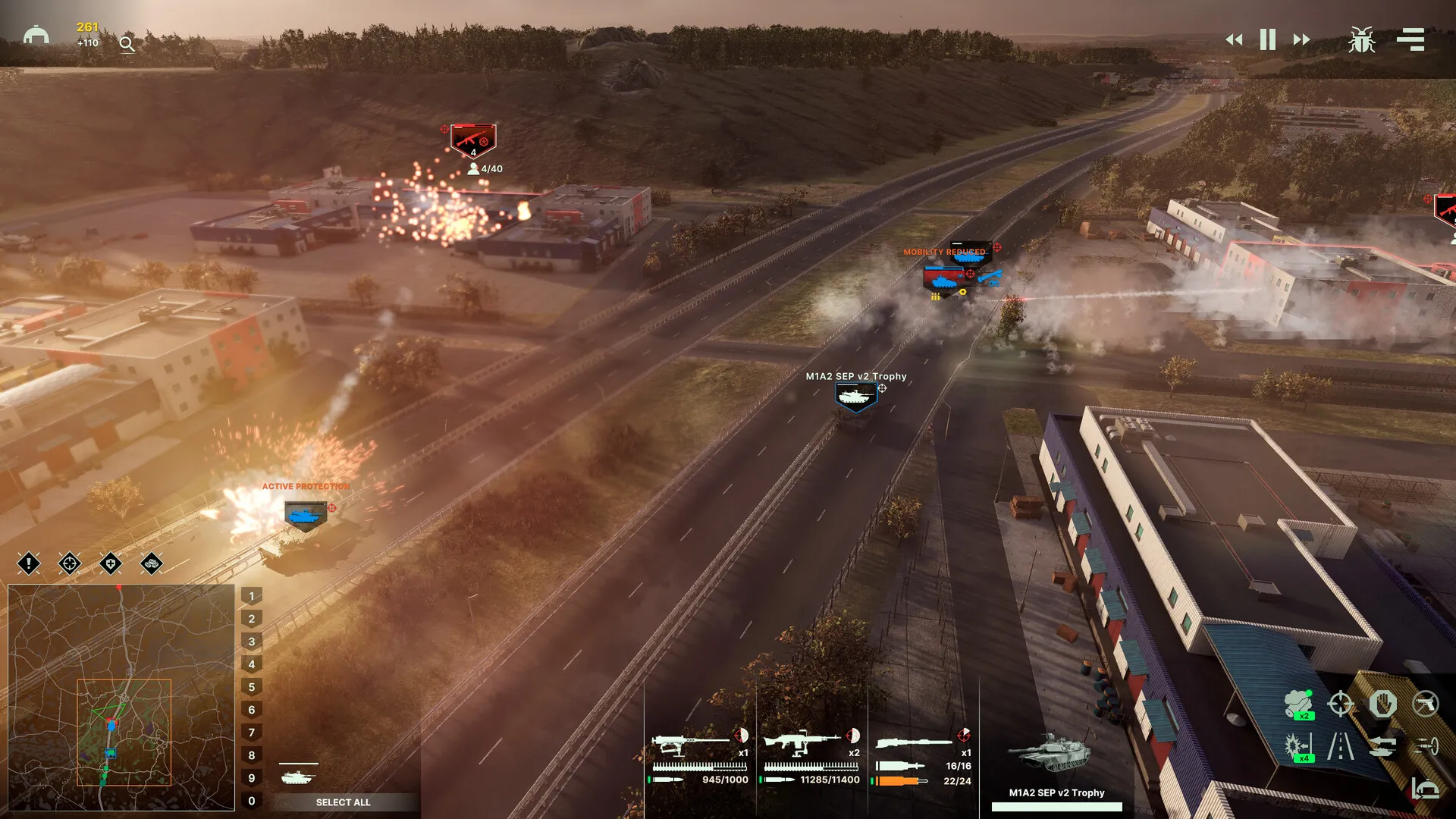
This game replaces it with a reinforcement economy that fundamentally alters the player’s relationship with their forces. Here, every unit is a significant investment drawn from a finite pool. The loss of a single tank is not a minor debit; it is a tactical crisis, creating a palpable sense of consequence that feels closer to the agonizing attrition of European war cinema than the explosive spectacle of a Hollywood blockbuster. This is empathy born from pure mechanical scarcity.
This inherent fragility forces a reliance on a rigid combined arms doctrine. The game rejects the idea of the heroic “super unit” and instead makes a powerful argument for the collective. Power is systemic and relational. A state-of-the-art jet is just an expensive target without anti-air suppression, and a column of heavy armor is blind without reconnaissance units painting targets for it. Success is not about building the strongest piece, but about assembling the most coherent system, a mechanical network where the hero is the network itself.
Further grounding the conflict in unglamorous reality is the crucial role of logistics. The constant need for fuel and ammunition transforms powerful war machines into vulnerable dependents, tethered to fragile supply lines. It’s a playable version of the military adage that amateurs talk tactics while professionals talk logistics, a persistent reminder that the most sophisticated army can be defeated by a simple lack of supply.
The scale of the maps forces the player into the dispassionate role of a theater commander, managing multiple fronts as abstract icons. Yet, you can instantly zoom into the terrifying chaos of a single street-level firefight. This constant fluctuation between the detached, god-like view of the strategist and the visceral, ground-level view of the soldier creates a profound dissonance. You are perpetually navigating the gap between abstract decision and violent, immediate consequence.
A War on Rails
The single-player campaign presents its story through a framework instantly recognizable to anyone versed in Western military fiction. With its cinematic briefings, constant radio chatter, and a plot centered on accidental escalation in a Balkan powder keg, it channels the spirit of a Tom Clancy political thriller.
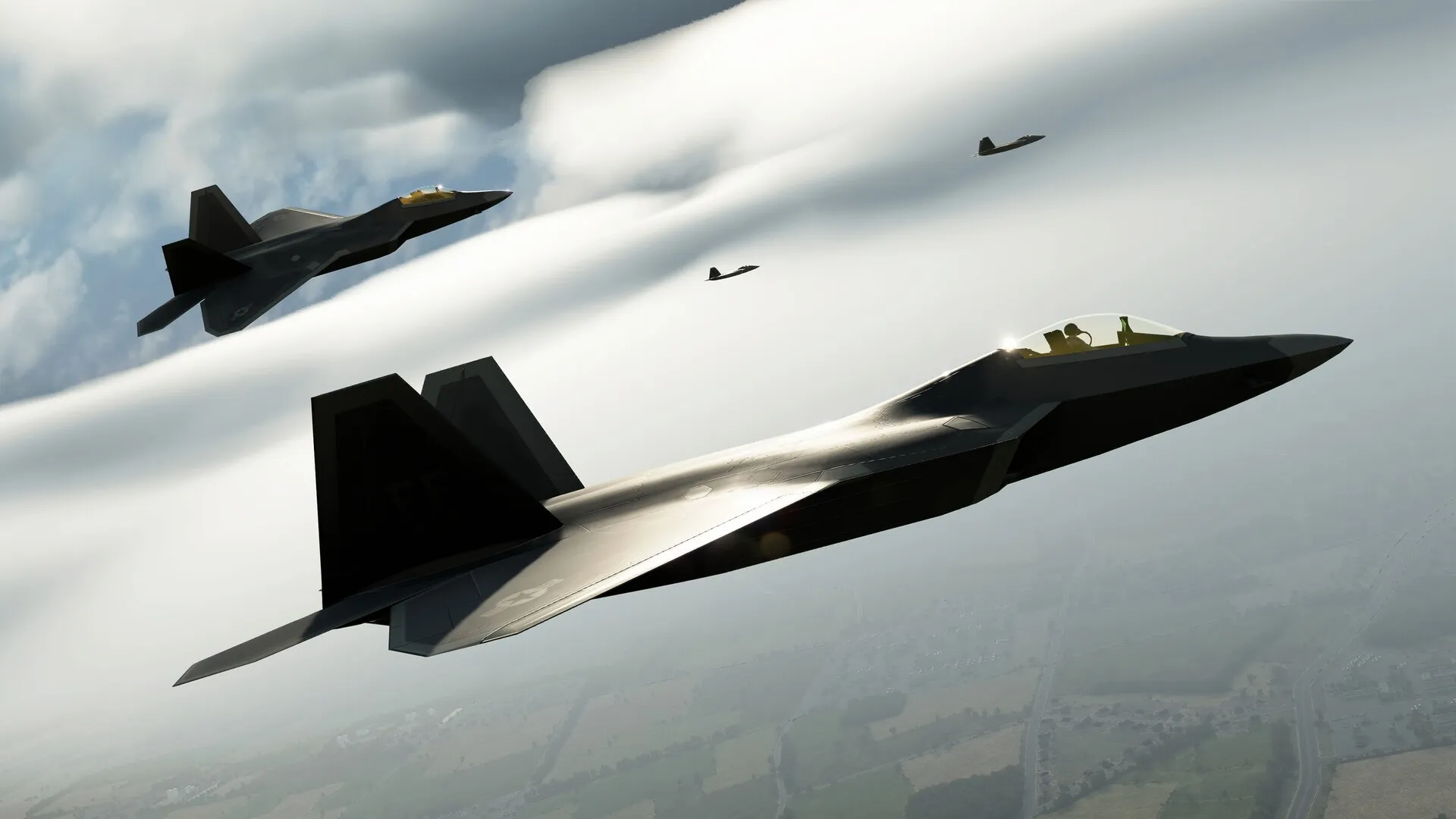
The narrative aims for operational realism, framing the player as a key commander navigating a complex, high-tech conflict where every decision has geopolitical weight. It’s a compelling fantasy, but it’s one the mission design actively works to undermine.
A fascinating contradiction sits at the heart of the campaign. The core game celebrates player authorship through its deep customization and the emergent chaos of its sandbox battles. Yet, the campaign largely abandons this philosophy in favor of a rigid, linear structure.
Many missions feel less like open-ended tactical problems and more like tightly scripted puzzles with a single correct solution. The player’s expansive, curated arsenal is often curtailed, forcing them to use a specific set of tools to hit a series of predetermined marks. The game’s narrative wants you to be a commander, but its mechanics frequently treat you as a subordinate simply executing a fixed plan.
This tension is amplified by punitive objectives and a design philosophy that eschews modern convenience. The lack of a mid-mission save function, combined with strict failure states like losing a specific unit, forces a gameplay loop of trial, error, and memorization. This feels less like contemporary game design and more like a throwback to an older, more unforgiving school of thought.
The intent may be to create pressure, but the result is a dissonance between story and action. A cinematic war story is about adapting to the unexpected, but here, players are punished for improvisation. The campaign transforms from a dynamic narrative of command into a static exercise of discovering the one true path laid out by the designer.
The Beautiful, Brutal Machine
The presentation of Broken Arrow is a stunning exercise in hyperrealism, an aesthetic that speaks the language of the global military simulation community. Its visuals are not just impressive; they are a form of rhetoric. The meticulous detail on every vehicle chassis and the brilliant, terrifying pyrotechnics of an artillery barrage argue for the game’s authenticity.
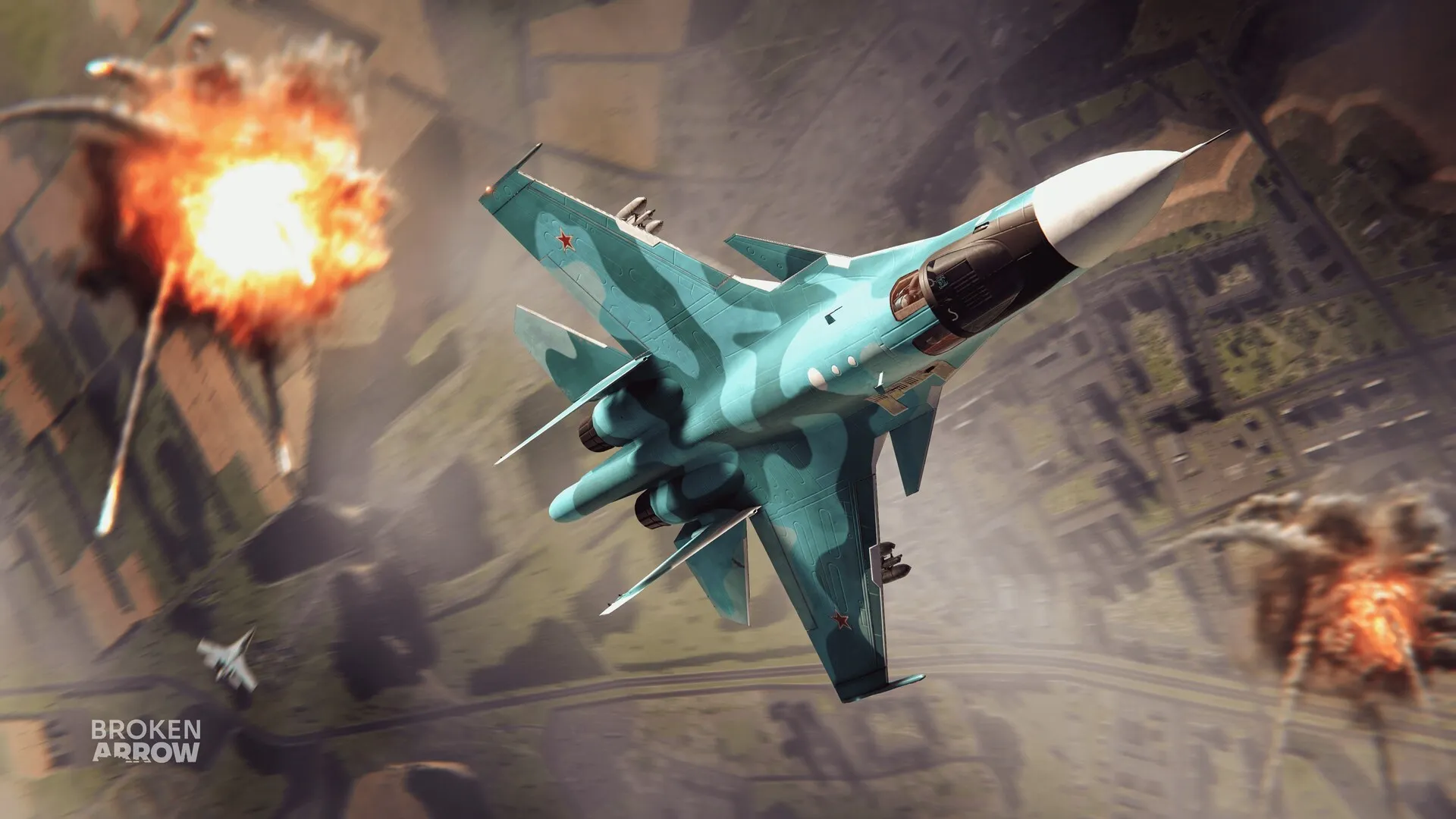
It creates a technological sublime, a cinematic spectacle of destruction that feels less like a game and more like a high-budget defense contractor’s promotional video. It is undeniably beautiful, but this beauty comes at a material cost. Access to this pristine, terrifying vision is gated by high-end hardware, creating a digital divide where the intended experience is a luxury good, a stark reminder of the technology’s demanding nature.
The sound design works in powerful synergy with this visual philosophy. The deafening roar of jet engines and the sharp, distinct crackle of different firearms create an overwhelming sensory assault. The game cleverly uses audio perspective as a narrative tool. Zoomed in, the soundscape is a claustrophobic hell of screaming metal and panicked shouts.
Zoomed out, it becomes a series of distant, almost peaceful pops. This dynamic mirrors the psychological detachment of modern command, contrasting the visceral reality of the front line with the abstract view from headquarters, a technique used to great effect in films that explore the psyche of the modern soldier.
Yet, this carefully constructed realism audibly frays with the human element. The voice acting is inconsistent, with authentically delivered lines clashing against others that sound flat or robotic. The repetition of stock phrases during intense battles breaks the immersion, reminding you that these are digital marionettes, not people. It highlights a curious paradox in the pursuit of simulation: the game can perfectly replicate the metallic groan of a tank turret but struggles to capture the authentic cadence of a human voice under fire.
An Uncompromising Doctrine
Broken Arrow is a game defined by its deliberate hostility to the casual player. Its immense complexity is not a design flaw but a statement of purpose, a formidable barrier to entry that actively filters its audience.
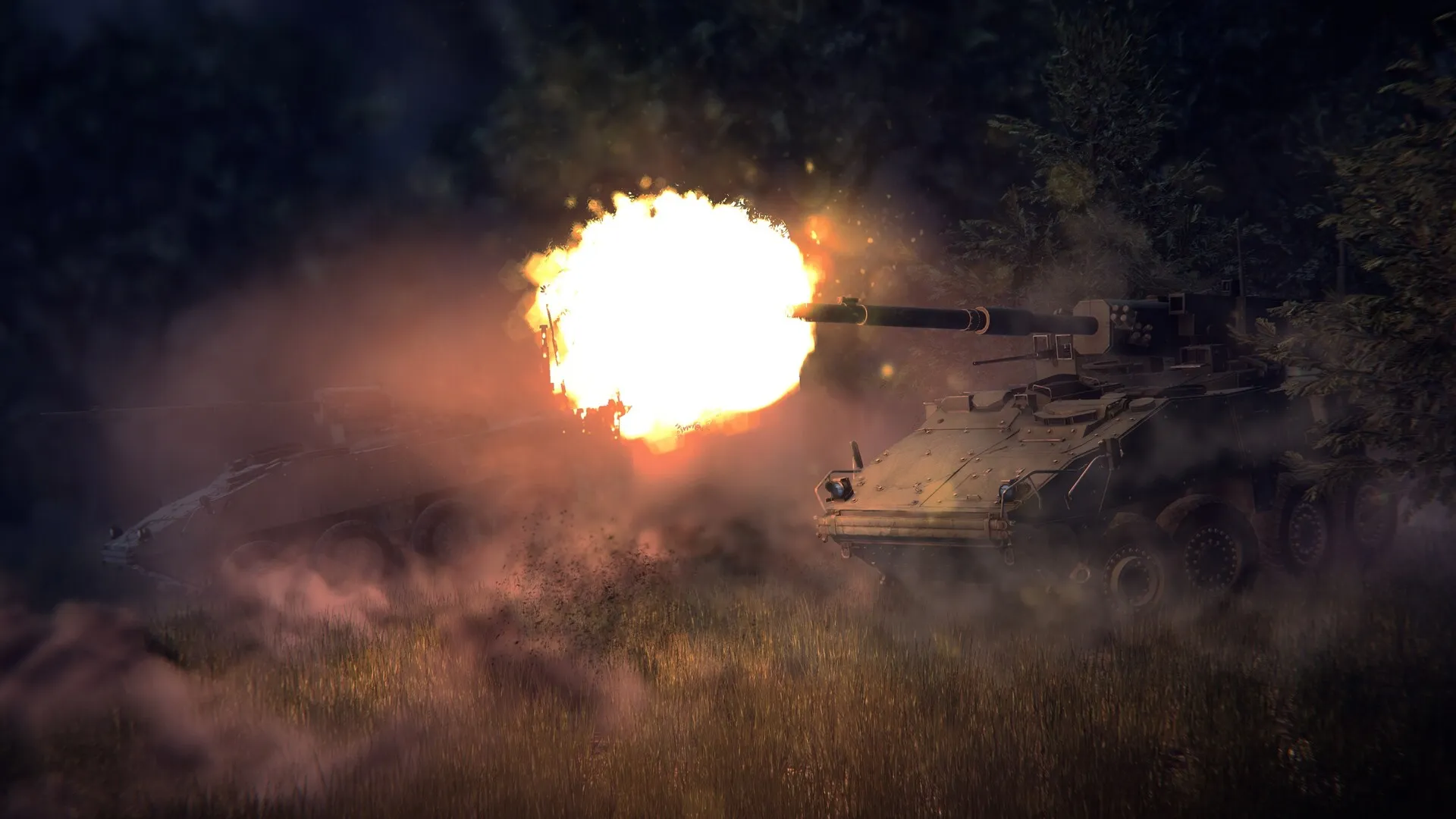
The impenetrable military jargon and overwhelming number of unit variants run counter to the dominant global trend of accessibility in game design. This is not a product seeking a mass market; it is a destination built for a pre-existing, dedicated subculture of digital wargamers who equate mastery with overcoming punishingly steep learning curves.
The game’s refusal to provide an adequate tutorial is a key part of this philosophy. It outsources the labor of learning to the player, expecting them to engage with forums, videos, and community guides to achieve competency.
This fosters a culture of shared struggle and esoteric knowledge, a dynamic seen in other famously opaque games from Japan’s Souls series to Iceland’s EVE Online. The game itself is only one part of the text; the other is the communal effort required to decipher it.
This intentional challenge, however, is sometimes undermined by the simulation’s own technical failings. In a system that demands absolute precision from the player, an unforced error from the AI—a fighter jet inexplicably crashing, or an armored column taking a suicidal path—feels like a betrayal of the core contract.
It creates a jarring dissonance where the player is held to a higher standard of perfection than the game itself. This is not a rewarding difficulty, but an arbitrary one, a crack in the otherwise solid facade of its intricate design.
The Review
Broken Arrow
Broken Arrow is an uncompromising and brilliant wargame that caters exclusively to its dedicated niche. It offers a deeply rewarding and visually stunning tactical sandbox for those willing to master its immense complexity. However, its punishing learning curve, technical flaws, and a frustratingly rigid campaign prevent it from being a broader recommendation. It is a spectacular and intricate machine, but one that feels deliberately hostile to outsiders, succeeding more as a granular simulation for the initiated than a universally compelling strategy game.
PROS
- Deep and rewarding tactical combined-arms gameplay.
- Extensive unit and deck customization offers immense strategic depth.
- Stunning, cinematic audiovisual presentation of modern warfare.
- Emphasis on logistics and unit preservation creates high-stakes battles.
CONS
- Extremely steep learning curve with inadequate tutorials.
- Single-player campaign is rigid, linear, and often frustrating.
- Demanding on PC hardware and suffers from occasional AI issues.
- Inconsistent voice acting can break immersion.