





















• Latest
  • Trending
Gachiakuta Review

Gachiakuta Review: Forged in Refuse, Rushed to the Screen

Nancy Robertson

Nancy Robertson Replaces Carol Kane in Hallmark’s ‘An Angel in My Stocking’

4 hours ago
The Last Photograph Review

The Last Photograph Review: Zack Snyder’s Grounded Thriller Gets Lost Along the Way

A Talent for Murder Review

A Talent for Murder Review: Helen Mirren Makes Conversation Feel Lethal

Forever Home Review

Forever Home Review: Douglas Henshall Anchors a Very Wobbly House

All That She Wants

All That She Wants Review: Annie Murphy Makes Desire the Real Complication

Onwards and Sideways Review

Onwards and Sideways Review: Lived Experience Inside Familiar Machinery

Mariska Hargitay Emmy Awards

As First Female Emmys Host in 15 Years, Hargitay Goes for Heart and Humor

16 hours ago
Love of Your Life Review

Love of Your Life Review: Grief Looks Almost Too Beautiful

Allison Janney Emmy Awards

“This Was Not What I Planned”: Allison Janney Wins Big

16 hours ago
Alan Cumming Emmy Awards

Alan Cumming and “The Traitors” Break a Six-Year Emmys Record

16 hours ago
Noah Wyle Emmy Awards

Noah Wyle Repeats as Lead Actor Emmy Winner for “The Pitt”

16 hours ago
The Life and Deaths of Wilson Shedd Review

The Life and Deaths of Wilson Shedd Review: A Guilty Man Inside a Moral Maze

  • Home
  • Privacy Policy
  • Terms and Conditions
  • Gazettely Review Guidelines
Thursday, September 17, 2026
GAZETTELY
  • Home
  • Movie and TV News
    Nancy Robertson

    Nancy Robertson Replaces Carol Kane in Hallmark’s ‘An Angel in My Stocking’

    Mariska Hargitay Emmy Awards

    As First Female Emmys Host in 15 Years, Hargitay Goes for Heart and Humor

    Allison Janney Emmy Awards

    “This Was Not What I Planned”: Allison Janney Wins Big

    Alan Cumming Emmy Awards

    Alan Cumming and “The Traitors” Break a Six-Year Emmys Record

    Noah Wyle Emmy Awards

    Noah Wyle Repeats as Lead Actor Emmy Winner for “The Pitt”

    Matthew Rhys Emmy Awards

    Matthew Rhys Becomes First Actor to Win Twice in One Emmys Night

    Rhea Seehorn Emmy Awards

    Rhea Seehorn Finally Wins Her Emmy, Years After “Better Call Saul”

    Taylor Swift Emmy Awards

    Taylor Swift’s Emmys Cameo Answers the Night’s Biggest Question

    Sally Field Emmy Awards

    Sally Field Wins Fourth Emmy for “Remarkably Bright Creatures”

  • Movie and TV Reviews
    The Last Photograph Review

    The Last Photograph Review: Zack Snyder’s Grounded Thriller Gets Lost Along the Way

    A Talent for Murder Review

    A Talent for Murder Review: Helen Mirren Makes Conversation Feel Lethal

    Forever Home Review

    Forever Home Review: Douglas Henshall Anchors a Very Wobbly House

    All That She Wants

    All That She Wants Review: Annie Murphy Makes Desire the Real Complication

    Onwards and Sideways Review

    Onwards and Sideways Review: Lived Experience Inside Familiar Machinery

    Love of Your Life Review

    Love of Your Life Review: Grief Looks Almost Too Beautiful

    The Life and Deaths of Wilson Shedd Review

    The Life and Deaths of Wilson Shedd Review: A Guilty Man Inside a Moral Maze

    Prima Facie Review

    Prima Facie Review: Cynthia Erivo Outperforms an Overexplained Adaptation

    MobLand Season 2 Review

    MobLand Season 2 Review: Chaos Finally Finds a Structure

  • Game Reviews
    Trails in the Sky 2nd Chapter Review

    Trails in the Sky 2nd Chapter Review: Estelle Steps Out on Her Own

    Another Eden Begins Review

    Another Eden Begins Review: A Strong JRPG Still Haunted by Its Mobile Past

    Tiny Eden Review

    Tiny Eden Review: The Garden Thrives Even When the Systems Struggle

    Donutal Review

    Donutal Review: Two Aliens, One Interrogation Room, Plenty of Trouble

    The Alighieri Circle: Dante's Bloodline Review

    The Alighieri Circle: Dante’s Bloodline Review: Hell Is Better Solved Than Explained

    Marvels Wolverine Review

    Marvel’s Wolverine Review: A Great Logan Trapped in a Limited Action Game

    NHL 27 Review

    NHL 27 Review: EA Has the Right Ideas, Mostly

    Welcome to Elderfield Review

    Welcome to Elderfield Review: Roll the Dice and Tend the Crops

    Barbarian Saga: The Beastmaster Review

    Barbarian Saga: The Beastmaster Review: Great Transformations, Rough Execution

  • The Bests
No Result
View All Result
  • Home
  • Movie and TV News
    Nancy Robertson

    Nancy Robertson Replaces Carol Kane in Hallmark’s ‘An Angel in My Stocking’

    Mariska Hargitay Emmy Awards

    As First Female Emmys Host in 15 Years, Hargitay Goes for Heart and Humor

    Allison Janney Emmy Awards

    “This Was Not What I Planned”: Allison Janney Wins Big

    Alan Cumming Emmy Awards

    Alan Cumming and “The Traitors” Break a Six-Year Emmys Record

    Noah Wyle Emmy Awards

    Noah Wyle Repeats as Lead Actor Emmy Winner for “The Pitt”

    Matthew Rhys Emmy Awards

    Matthew Rhys Becomes First Actor to Win Twice in One Emmys Night

    Rhea Seehorn Emmy Awards

    Rhea Seehorn Finally Wins Her Emmy, Years After “Better Call Saul”

    Taylor Swift Emmy Awards

    Taylor Swift’s Emmys Cameo Answers the Night’s Biggest Question

    Sally Field Emmy Awards

    Sally Field Wins Fourth Emmy for “Remarkably Bright Creatures”

  • Movie and TV Reviews
    The Last Photograph Review

    The Last Photograph Review: Zack Snyder’s Grounded Thriller Gets Lost Along the Way

    A Talent for Murder Review

    A Talent for Murder Review: Helen Mirren Makes Conversation Feel Lethal

    Forever Home Review

    Forever Home Review: Douglas Henshall Anchors a Very Wobbly House

    All That She Wants

    All That She Wants Review: Annie Murphy Makes Desire the Real Complication

    Onwards and Sideways Review

    Onwards and Sideways Review: Lived Experience Inside Familiar Machinery

    Love of Your Life Review

    Love of Your Life Review: Grief Looks Almost Too Beautiful

    The Life and Deaths of Wilson Shedd Review

    The Life and Deaths of Wilson Shedd Review: A Guilty Man Inside a Moral Maze

    Prima Facie Review

    Prima Facie Review: Cynthia Erivo Outperforms an Overexplained Adaptation

    MobLand Season 2 Review

    MobLand Season 2 Review: Chaos Finally Finds a Structure

  • Game Reviews
    Trails in the Sky 2nd Chapter Review

    Trails in the Sky 2nd Chapter Review: Estelle Steps Out on Her Own

    Another Eden Begins Review

    Another Eden Begins Review: A Strong JRPG Still Haunted by Its Mobile Past

    Tiny Eden Review

    Tiny Eden Review: The Garden Thrives Even When the Systems Struggle

    Donutal Review

    Donutal Review: Two Aliens, One Interrogation Room, Plenty of Trouble

    The Alighieri Circle: Dante's Bloodline Review

    The Alighieri Circle: Dante’s Bloodline Review: Hell Is Better Solved Than Explained

    Marvels Wolverine Review

    Marvel’s Wolverine Review: A Great Logan Trapped in a Limited Action Game

    NHL 27 Review

    NHL 27 Review: EA Has the Right Ideas, Mostly

    Welcome to Elderfield Review

    Welcome to Elderfield Review: Roll the Dice and Tend the Crops

    Barbarian Saga: The Beastmaster Review

    Barbarian Saga: The Beastmaster Review: Great Transformations, Rough Execution

  • The Bests
No Result
View All Result
GAZETTELY
No Result
View All Result
Gachiakuta Review

Before We Forget Review: Editing the Ghosts of the Past

Broken Arrow Review: A War on Two Fronts—Gameplay and Design

Home Entertainment TV Shows

Gachiakuta Review: Forged in Refuse, Rushed to the Screen

Ben Carter by Ben Carter
1 year ago
in Entertainment, Reviews, TV Shows
Reading Time: 6 mins read
A A
0
Share on FacebookShare on TwitterShare on PinterestShare on WhatsAppShare on TelegramSummarize with ChatGPTSummarize with Perplexity

What happens when a society takes tidying up to its fanatical extreme? Gachiakuta posits a world where the answer is a gleaming, floating metropolis called The Sphere. Here, citizens live in pristine luxury, a state maintained by treating everything—and everyone—as disposable.

A toy with a busted seam or a person who commits a crime receives the same sentence: a one-way trip to the chasm below. That abyss, known only as The Pit, is the planet’s celestial garbage can, a forgotten underworld piled high with the refuse of the elite.

Operating on the fringes of this obsessively clean society is Rudo, a young outcast who sees life where others see junk. He makes his living scavenging, a practice that makes him a pariah in a culture of waste. His philosophy of finding value in the discarded is a quiet rebellion. Unfortunately for him, this world is about to frame its garbage problem on the one person who actually appreciates it.

An Ecosystem of Excess

The world of Gachiakuta is a masterclass in vertical storytelling, where social status is literally a matter of altitude. Up top, The Sphere gleams with the sterile perfection of an Apple store, all clean lines and cotton-candy skies. This aesthetic isn’t just for show; it’s the entire point. Its beauty is a fragile veneer maintained by a pathological need to discard anything imperfect. The city’s pristine condition is directly proportional to the mountain of filth it creates below.

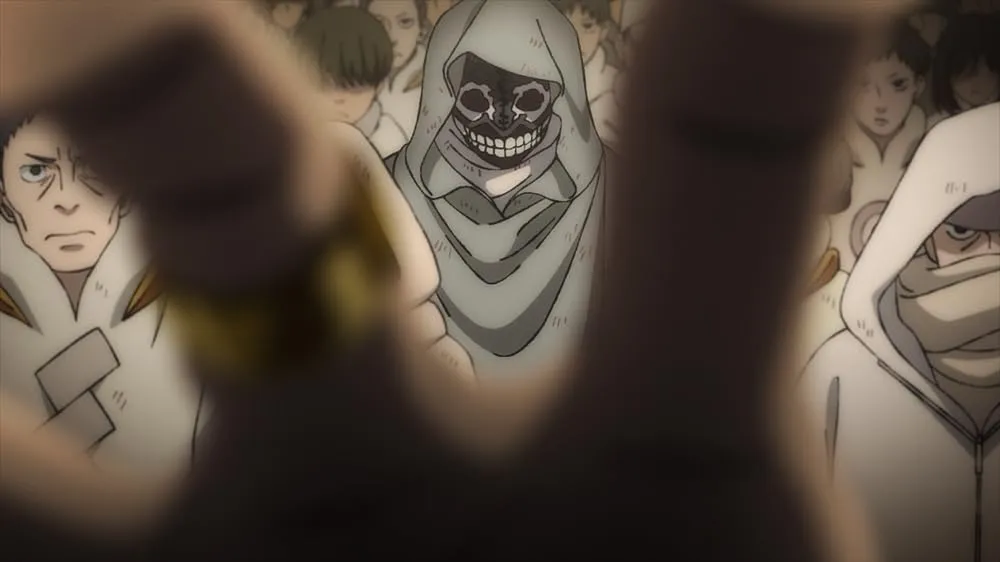
This isn’t just a critique of consumerism; it’s a full-throated allegory for a class system built on disposability. The “Sphereites” enjoy their privilege, while the “tribesfolk” below are branded as descendants of criminals, their social standing as permanent as a tattoo.

In this world, the line between being poor and being garbage is perilously thin. The act of throwing something away is the ultimate expression of power, a luxury that extends from broken toys to inconvenient people.

Down in The Pit, this social commentary takes monstrous form. The abyss isn’t a landfill; it’s a festering, chaotic ecosystem teeming with beasts born from the collective waste of the civilization above. It’s the planet’s id, a hellscape animated by the very things The Sphere tried to forget. The world-building makes one thing brutally clear: the most horrifying monsters aren’t the ones made of trash, but the society that sees no difference between a person and a piece of it.

The Kid Who Cared Too Much

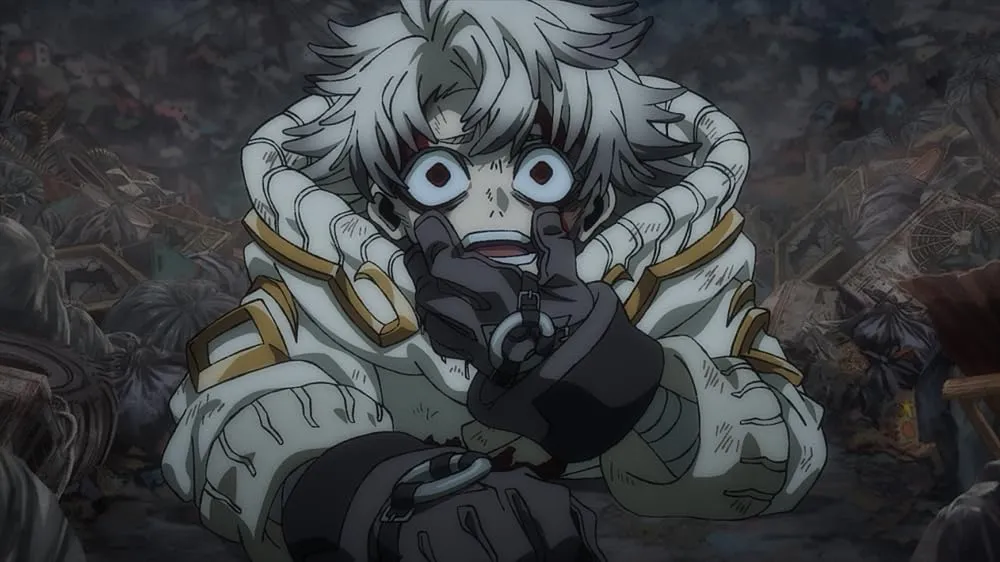
At the heart of this trash-filled world is Rudo, a feral ball of righteous indignation who serves as the story’s moral compass. He’s cut from the classic shonen protagonist cloth—spiky-haired, loud-mouthed, and perpetually spoiling for a fight—but his defining trait is a radical sense of empathy for inanimate objects.
Gachiakuta Review

In a society that worships disposability, Rudo’s insistence that everything has value makes him a walking contradiction, a kid whose kindness is expressed through hoarding and repair. He’s a scrapper with a surprisingly gentle soul, even if that soul is buried under layers of grime and a foul mouth.

Of course, no hero’s journey is complete without a tragic catalyst. Rudo’s anchor is his adoptive father, Regto, a man who shares his worldview and encourages his defiant spirit. Their bond is sketched quickly but effectively, making Regto’s sudden, brutal murder the perfect narrative fuel for Rudo’s quest for vengeance.

The emotional whiplash is intensified by his relationship with Chiwa, the token sweet girl next door. Their fumbling, blush-filled courtship provides a brief moment of warmth before it’s snuffed out by her immediate belief in his guilt. Her betrayal, while narratively convenient, stings with the cold reality of a world that’s always expected the worst of him.

Just as Rudo hits rock bottom—literally—he’s introduced to Enjin, a flamboyant and ridiculously powerful member of a group called the “Cleaners.” Enjin is the chaotic mentor figure every young hero needs: part savior, part drill sergeant, and entirely unpredictable.

He crashes into the story with the subtlety of a wrecking ball, establishing a dynamic that promises to shape Rudo’s raw anger into something more focused. The question is whether this new alliance can temper his rage, or just give it a sharper edge.

A Symphony of Style and Scrap

Visually, Gachiakuta is a glorious explosion of textures and styles, exactly the kind of muscular animation you expect from Studio Bones. The series paints its world with deliberate strokes: The Sphere is a wash of vibrant, cotton-candy pastels, a visual lie that hides a rotten core.
Gachiakuta Review

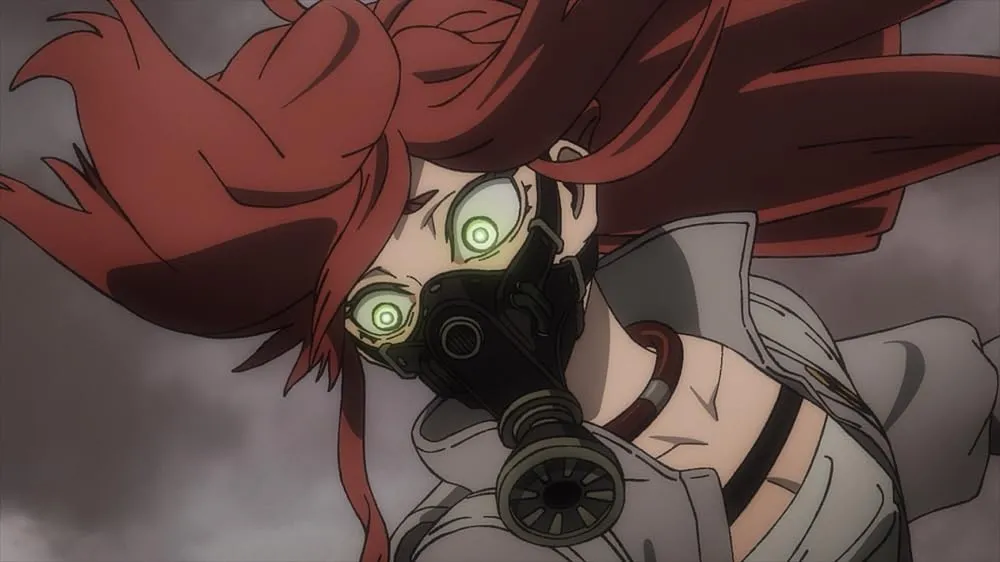
As Rudo makes his violent descent into The Pit, that color is literally stripped away, leaving a world of desaturated grime. The character animation is a standout, capturing Rudo’s feral energy in every frantic movement and contorted facial expression. He is a living, breathing scribble of rage and hurt.

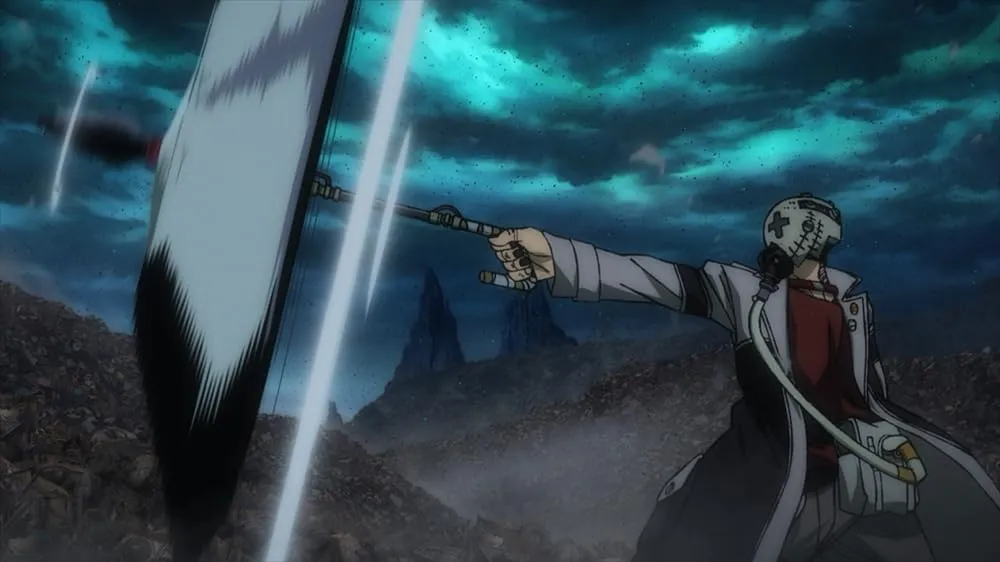
The artistry stumbles, however, when it comes to the monsters. While the backgrounds and characters are rendered in gorgeous 2D, the trash beasts are clunky, weightless 3D models that feel imported from a different, less interesting show. It’s an understandable shortcut for animating such complex creatures, but the result is a jarring visual dissonance that pulls you right out of the hellscape. They don’t blend; they float on top of the frame.

Fortunately, the auditory experience is far more cohesive. The voice cast is superb, with Aoi Ichikawa perfectly capturing Rudo’s blend of cocky bravado and raw emotional instability. Katsuyuki Konishi brings a theatrical flair to the eccentric Enjin, making him instantly memorable. Tying it all together is a score heavy with rock and metal, a sonic blast that gives the action sequences the aggressive, high-octane punch they need. It’s the perfect soundtrack for a world built on beautiful destruction.

Hoarders of Mass Destruction

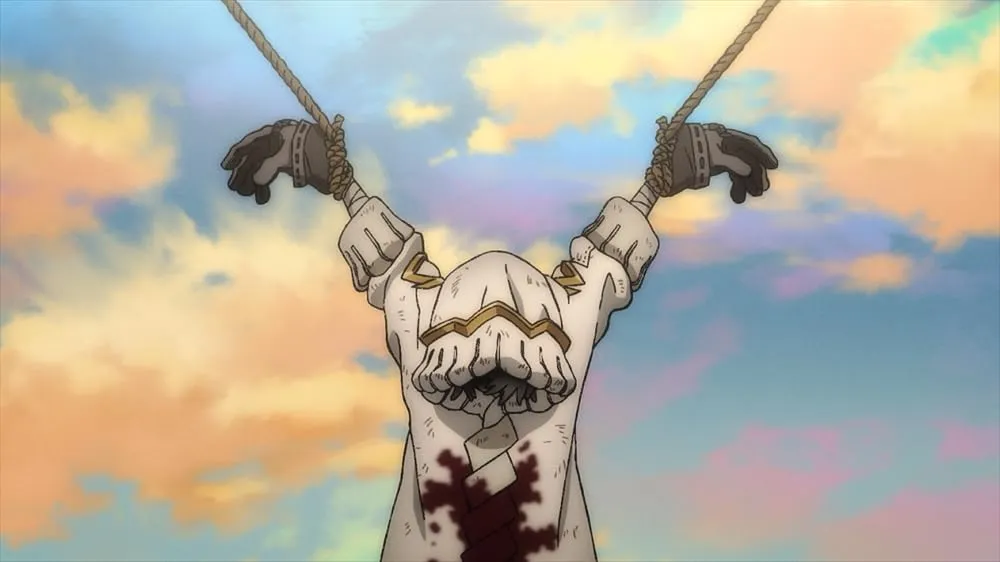
Every shonen series needs a flashy power system, but Gachiakuta’s is a stroke of thematic genius. The central premise is simple: treat an object with care for long enough, and it develops a soul. Individuals known as “Givers” can then draw out that soul, transforming the object into a living weapon called a “Jinki.”
Gachiakuta Review

For Rudo, this isn’t just magic; it’s the ultimate validation of his entire existence. His lifelong habit of salvaging and fixing junk suddenly transforms from a social stigma into a superpower, with the gloves from his father acting as the key to unlocking it.

This concept elevates the show beyond a simple revenge fantasy. In a society defined by what it throws away, the greatest power imaginable is the ability to cherish something. It’s a beautiful, radical act of defiance.

The initial fights are a thrilling proof of concept, with Rudo turning random scrap into instruments of blunt-force justice. We see the raw, untapped potential of his ability, a chaotic force of nature. It cleverly weaponizes sentimentality, begging the question: what happens when a boy who loves trash learns to make it kill?

No Time to Grieve

Gachiakuta moves at a blistering pace, rocketing through its entire setup in the span of two episodes. There’s no slow burn here; the series introduces its world, establishes its conflict, kills a key character, and banishes its hero before you’ve had a chance to finish your popcorn. This full-throttle approach makes for a undeniably exciting hook, ensuring no one could accuse the show of dragging its feet.
Gachiakuta Review

But this velocity comes at a cost. Key emotional beats, like the death of Rudo’s adoptive father, are treated more like plot points to be checked off a list than moments to be felt. His subsequent rage is intellectually justified but emotionally hollow; the narrative simply doesn’t pause long enough for the grief to land.

The show has successfully built its stage and thrust its hero onto it with brutal efficiency. Now we have to see if the emotional core of the story can ever catch up to its breakneck plot.

Gachiakuta is an anime television series that premiered on July 6, 2025.

Full Credits

Director: Fumihiko Suganuma

Writers: Kei Urana, Hiroshi Seko

Producers and Executive Producers: Production Supervision – Bones, Production – Gachiakuta Production Committee. Naoki Amano (producer for anime expo panels).

Cast: Aoi Ichikawa (Rudo), Katsuyuki Konishi (Enjin), Yoshitsugu Matsuoka (Zanka), Yumiri Hanamori (Riyo), Toshiyuki Morikawa (Regto), Yuuki Shin (Jabber), Miku Ito (Chiwa). English dub voice actors include Bryson Baugus (Rudo), Christopher Wehkamp (Enjin), Corey Wilder (Zanka), Katie Caruso (Riyo), Zeno Robinson (Jabber), and John Burgmeier (Regto).

Director of Photography (Cinematographer): Masataka Ikegami

Editors: Ayumu Takahashi

Composer: Taku Iwasaki 

The Review

Gachiakuta

7 Score

Gachiakuta presents a visually inventive world with a brilliant thematic core, linking its power system directly to its critique of a disposable society. While its artistic direction and raw energy are captivating, the series is hampered by breakneck pacing that sacrifices emotional weight and a jarring blend of 2D and 3D animation. It’s a stylish, promising, yet flawed introduction that hooks you with its ideas more than its heart.

PROS

  • Creative world-building with sharp social commentary.
  • A unique power system that is thematically rich.
  • Stunning 2D art direction and character animation.
  • An energetic soundtrack and strong voice acting.

CONS

  • Extremely fast pacing rushes emotional moments.
  • The 3D animation for monsters clashes with the 2D art.
  • Key relationships feel underdeveloped due to the plot's speed.

Review Breakdown

  • Overall 0
Tags: ActionAdventureAoi IchikawaBones FilmCrunchyrollDramaFantasyFeaturedFumihiko SuganumaGachiakutaKatsuyuki KonishiNetflix (in some regions)Top PickToshiyuki MorikawaYoshitsugu MatsuokaYumiri HanamoriYuuki Shin
Previous Post

Before We Forget Review: Editing the Ghosts of the Past

Next Post

Broken Arrow Review: A War on Two Fronts—Gameplay and Design

This Week's Top Reads

  • Is This Seat Taken? Review

    Is This Seat Taken? Review: A Satisfying Mental Workout

    1265 shares
    Share 0 Tweet 0
  • Peter Farrelly’s “I Play Rocky” Scores TIFF Standing Ovation, Eyes Oscar Run

    0 shares
    Share 0 Tweet 0
  • Fauda Season 5 Review: Revenge Crosses the Mediterranean

    1 shares
    Share 0 Tweet 0
  • Agatha Christie’s Tommy & Tuppence Review: Two Great Detectives Need Sharper Mysteries

    0 shares
    Share 0 Tweet 0
  • High Value Target: The Hunt for Saddam Review: The Best Scenes Need Nothing Except Two Men Talking

    0 shares
    Share 0 Tweet 0
  • Last Seen Review: A Missing-Girl Thriller With Better Questions

    1 shares
    Share 0 Tweet 0
  • Trust Review: Squandered Potential and an Incoherent Plot

    6 shares
    Share 0 Tweet 0

Must Read Articles

Love of Your Life Review
Movies

Love of Your Life Review: Grief Looks Almost Too Beautiful

16 hours ago
MobLand Season 2 Review
TV Shows

MobLand Season 2 Review: Chaos Finally Finds a Structure

18 hours ago
Shaun the Sheep: The Beast of Mossy Bottom Review
Movies

Shaun the Sheep: The Beast of Mossy Bottom Review: Aardman Finds Melancholy Beneath the Fur

20 hours ago
Babies Review
Movies

Babies Review: Family Does Not Need One Approved Shape

20 hours ago
I Play Rocky Review
Movies

I Play Rocky Review: Stallone Becomes His Own Underdog Story

20 hours ago
Loading poll ...
Coming Soon
Which of Alfred Hitchcock's 1960s thrillers is your all-time favorite?

Gazettely is your go-to destination for all things gaming, movies, and TV. With fresh reviews, trending articles, and editor picks, we help you stay informed and entertained.

© 2021-2026 All Rights Reserved for Gazettely

What’s Inside

  • Movie & TV Reviews
  • Game Reviews
  • Featured Articles
  • Latest News
  • Editorial Picks

Quick Links

  • Home
  • About US
  • Contact Us
  • Advertise with Us
  • Review Guidelines

Follow Us

Facebook X-twitter Youtube Instagram
No Result
View All Result
  • Gazettely | Movie, TV & Game Reviews, News, and Rankings
  • Movies
  • Entertainment News
  • Movie and TV Reviews
  • TV Shows
  • Game News
  • Game Reviews
  • Contact Us

© 2024 All Rights Reserved for Gazettely