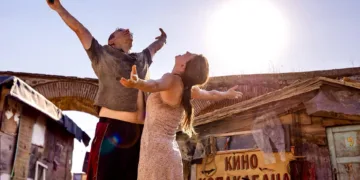




















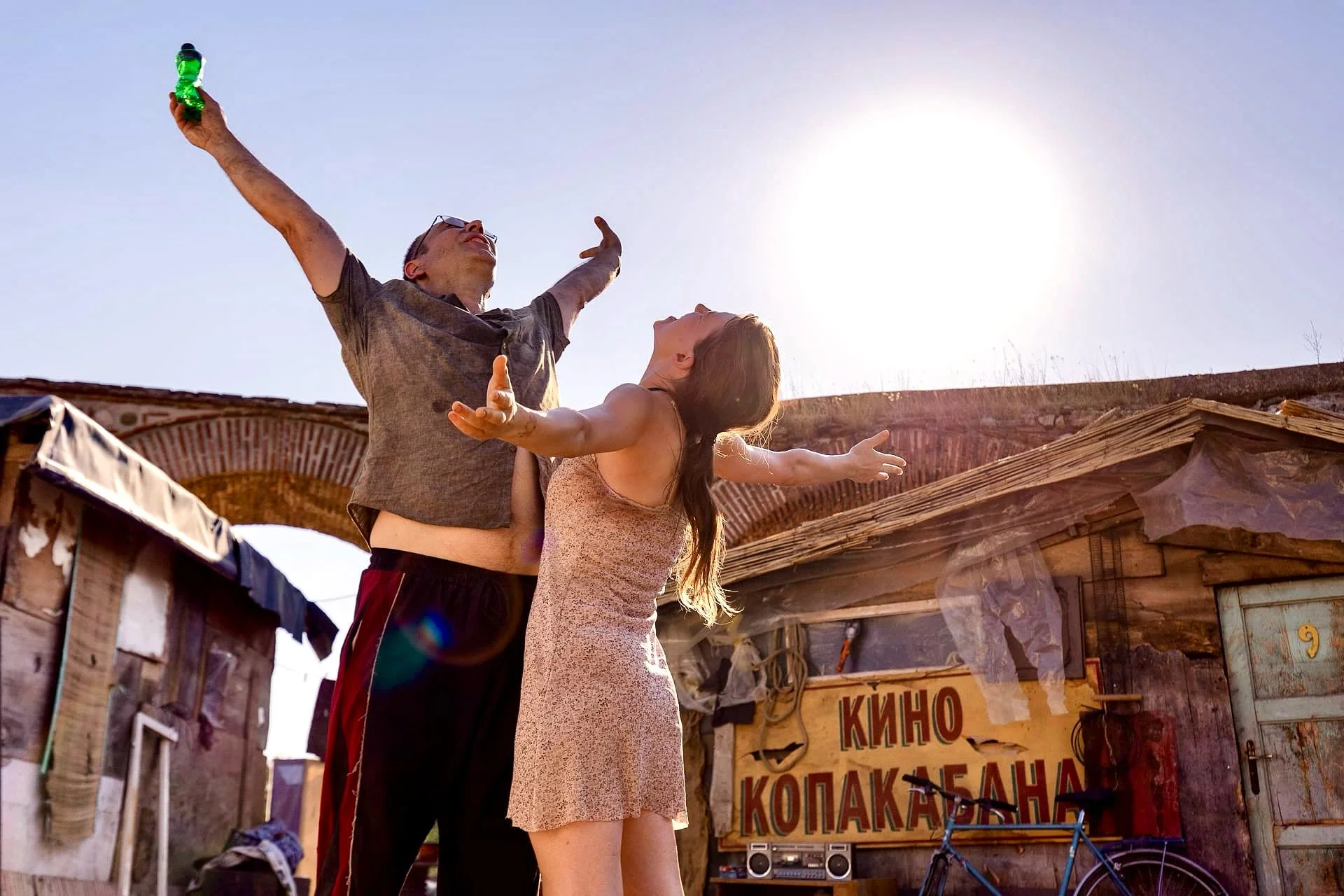

Malina and Viktor steal Skopje’s commemorative busts without much interest in the achievements of the people represented. Bronze has a resale value; national distinction contributes little to the price. Travelling through the city at night on a motorised three-wheeled cart, the siblings collect whatever metal they can carry, including manhole covers. Milcho Manchevski’s Sister Brother Manhole Cover gives this enterprise a vicious complication when a falling bust injures Viktor’s foot. A monument can be converted into money, but its immediate contribution to his life is a wound requiring treatment he cannot afford.
The North Macedonian setting gives that exchange its particular bitterness. Skopje’s conspicuous statuary offers a public language of collective achievement, while the siblings’ need for healthcare exposes how little collective protection reaches them. Manchevski makes the distance between those things tangible without needing a speech about failed political promises.
Yet stealing manhole covers also damages something people use. Malina and Viktor survive by dismantling pieces of a shared environment whose benefits have become inaccessible to them. Their resourcefulness carries a cost beyond their own household, an uncomfortable implication the film’s affection for them cannot quite cancel.
Sara Klimoska’s Malina approaches these circumstances with an abrasive practicality. She has a heart condition herself, but Viktor’s injured foot becomes the emergency around which she organises everything. Klimoska makes that concentration credible: the woman who meets other people with hostility can become fiercely attentive to her brother without undergoing a sentimental transformation.
Filip Trajković gives Viktor a protective attachment of his own, preventing their relationship from settling entirely into the familiar arrangement of capable carer and helpless dependent. Their shared time on a swing set is especially welcome. For a little while, neither sibling needs to extract anything from the other or negotiate with someone controlling a necessity.
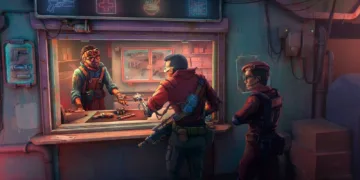
Elsewhere, negotiation is almost the only available form of contact. The pharmacy can charge extra because Malina lacks a prescription. Buyers of stolen metal can dictate prices because going to the police would expose the sellers. Dr Mile, played by Dejan Lilić, demands sex in exchange for medical help.
These encounters give the social criticism a cumulative force: each person possesses something Malina needs and can exploit the circumstances that prevent her from obtaining it elsewhere. The doctor makes the arrangement brutally intimate. Her devotion to Viktor becomes leverage another man can use against her.
When Malina suffers cardiac distress during their encounter and asks Mile to stop, he continues. The scene is an assault, and its horror survives any attempt to classify the film as a black comedy. Manchevski has brought the transactional logic to a point where a physician ignores the immediate danger to the body before him.
Viktor’s violent intervention exposes the precariousness of the siblings’ mutual protection. They can defend each other, but they possess few means of doing so that will leave them safer afterward. The subsequent flight carries that problem into another register, with criminal danger giving way to the search for somewhere to stay.
The film’s fantasies are less consistently precise. Malina dreams of lying immobilised beneath a manhole cover, an image that binds her livelihood to her physical vulnerability. Stefano Falivene’s lighting makes the nightmare intimate as illumination retreats from her face into darkness.
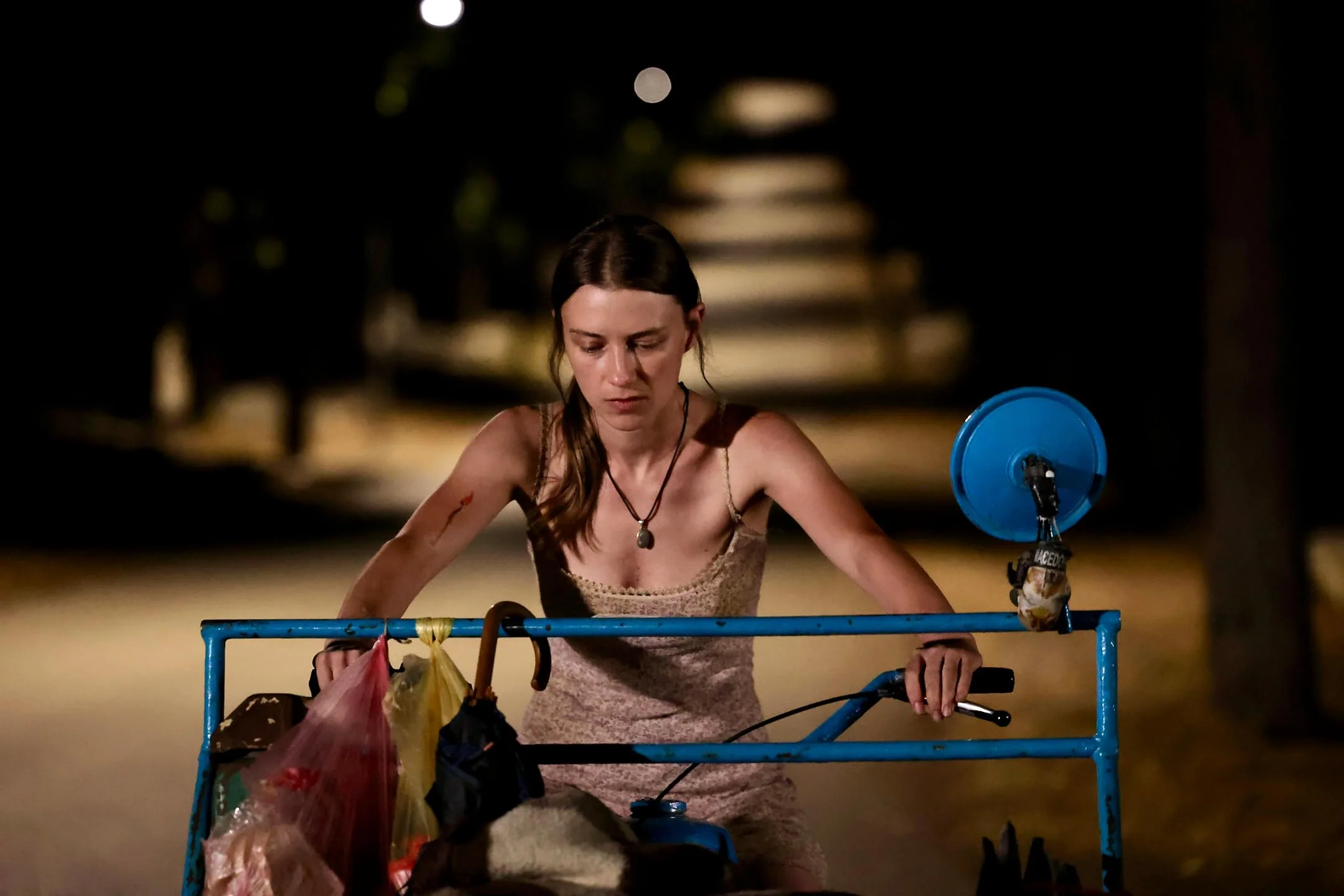
The object’s weight needs little explanation; the image makes the effort of breathing itself uncertain. Elsewhere, saturated colour refuses to give poverty a uniformly drained appearance, while the nighttime streets acquire deep shadows. The contrast allows the siblings’ world to contain pleasure and apprehension without making either feel like a correction imposed on the other.
Viktor’s imagined Brazil introduces a different problem. Football stardom, Ronaldo, Copacabana and Malina in Carmen Miranda-style costume assemble a destination from circulating entertainment images. There is something revealing in this borrowed geography: an imagined escape from Skopje arrives already furnished by pictures from elsewhere.
Brazil becomes available as a fantasy of bodily freedom and public recognition. Yet the film gives that fantasy little texture beyond its recognisable ingredients. The passage from Malina’s suffocation nightmare to this broad pageant feels especially blunt. Her dream emerges from an exact relationship between work, illness and fear; his risks becoming a collection of cultural shorthand.
That difference matters to the comedy. The siblings selling public heroes for scrap produces humour from the conditions of their lives. The Brazil sequence depends heavily on the audience recognising an assortment of familiar references.
Both approaches can belong in the same film, but the second loosens the specificity that makes the first sting. The swing-set scene demonstrates that relief from suffering can be simple and persuasive. Tonal instability becomes a weakness when the film reaches for a ready-made comic elsewhere instead of trusting the pleasures already available within its characters’ relationship.
Their visit to their parents returns the film to more exact observation. Their father provides vegetables and closes the door on any substantial hope of refuge. The gift makes the refusal worse in a quietly plausible way: he can perform a small act of provision while declining the responsibility they actually need him to accept.
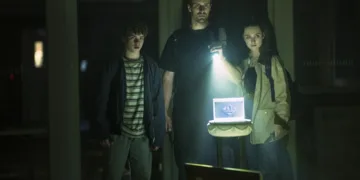
The siblings eventually seek shelter in Mile’s home, where his blind mother Todora lives. Sonja Mihajlova makes this former doctor an uncertain host, allowing the pair to remain without making her intentions readily available. Biological family has refused them; a stranger connected to their abuser opens her household.
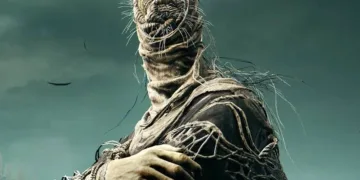
The shift from flight into domestic confinement brings Hansel and Gretel to mind, though Todora resists a simple fairy-tale assignment. Mihajlova’s guarded performance sustains the possibility that hospitality might contain knowledge, calculation or affection in proportions the guests cannot measure.
The construction becomes less assured when the extended stay keeps those proportions obscure without sufficiently changing the relationship. After the sharply defined leverage of the pharmacy, scrap buyers and doctor, waiting to understand their host can feel dramatically repetitive. Mihajlova supplies tension through Todora’s reserve, but reserve alone cannot give every passage a fresh consequence.
Todora’s awareness of her son’s cruelty gives the household its most difficult pressure. She belongs to the profession that failed Malina and to the family of the man who assaulted her, yet she permits the siblings to stay. Accepting their presence need not settle what she feels about his absence. The possibility of another family develops here through competing attachments, with a mother asked to make room for people whose need cannot be separated from the harm her son caused.
Sister Brother Manhole Cover had its world premiere at the 39th Tokyo International Film Festival on October 30, 2026. Directed by Milcho Manchevski, the darkly comic drama explores society and economic divides through interconnected lives in North Macedonia.
Full Credits
Title: Sister Brother Manhole Cover
Distributor: Coccinelle Film Sales
Release date: October 30, 2026 (Tokyo International Film Festival)
Running time: 1 hour 56 minutes (116 minutes)
Director: Milcho Manchevski
Writers: Milcho Manchevski
Producers and Executive Producers: Jane Kortoshev
Cast: Sara Klimoska, Filip Trajković, Sonja Mihajlova
Director of Photography (Cinematographer): Stefano Falivene
Editors: Blagoja Nedelkovski
Composer: Igor Vasilev Novogradska
The Review
Sister Brother Manhole Cover
Sister Brother Manhole Cover is sharpest when its North Macedonian setting determines the drama: commemorative bronze has a market value, while the people stealing it struggle to obtain medical care. The siblings’ reciprocal devotion and Todora’s uncertain hospitality give that satire human weight. Its reach becomes less assured in a Brazil fantasy assembled from familiar cultural images and a domestic stretch that prolongs mystery without enough development. Manchevski’s strongest observations remain painfully concrete, even when the surrounding construction loses focus.
PROS
- Locally grounded satire connecting civic pride to material deprivation.
- Credible, reciprocal attachment between the siblings.
- Expressive nightmare lighting and nighttime photography.
- Sonja Mihajlova’s guarded, ambiguous Todora.
CONS
- Brazil fantasy relies on thin cultural shorthand.
- Abrupt fantasy transitions weaken emotional continuity.
- Extended domestic suspense becomes repetitive.