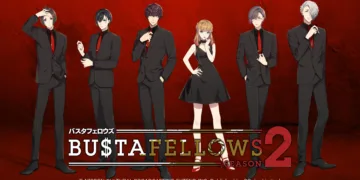








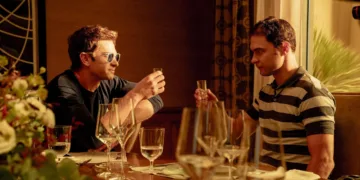


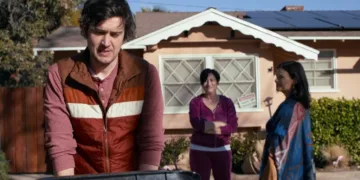


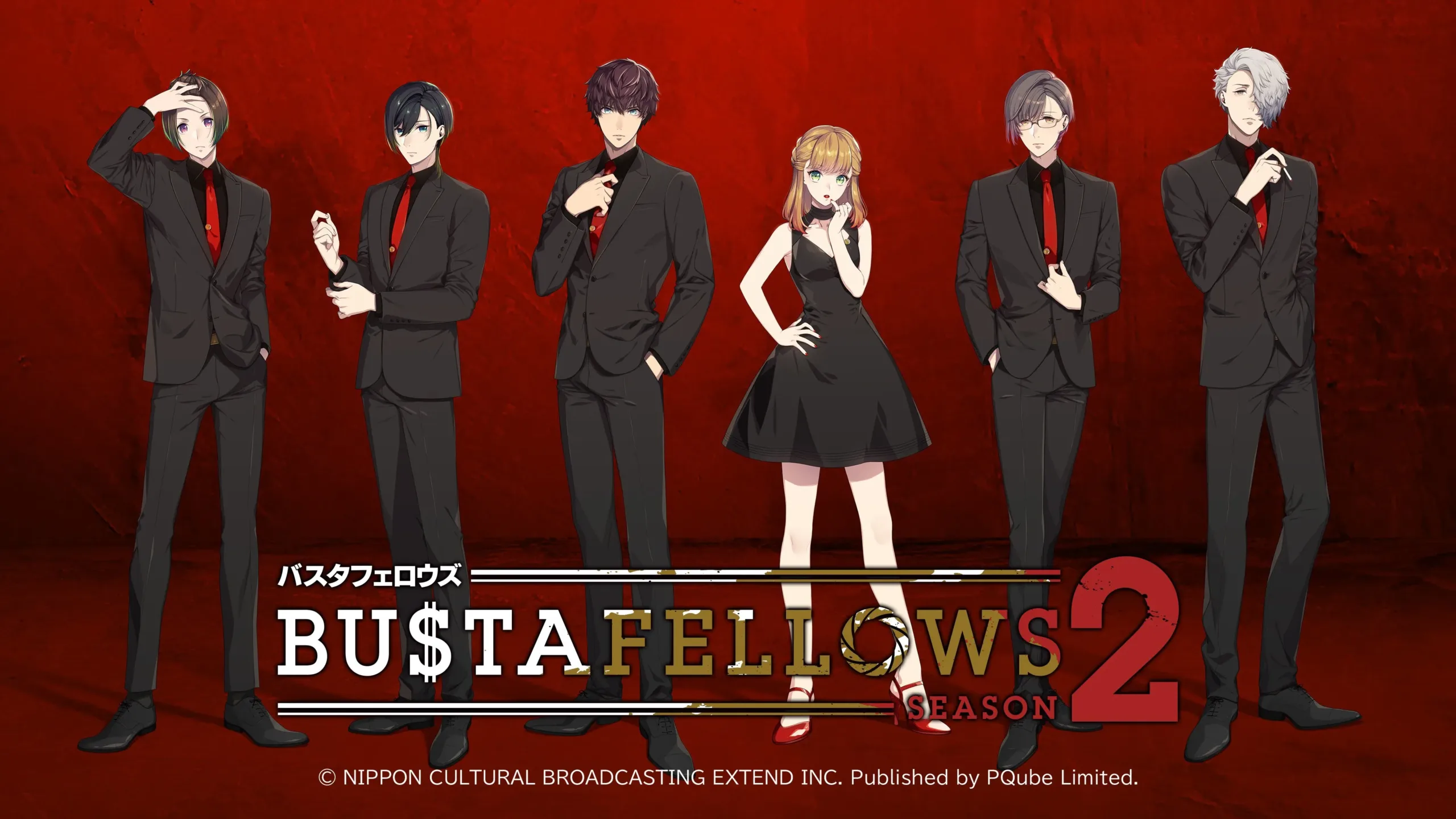

The story returns to the slick, crime-riddled streets of New Sieg, a city that feels alive with danger and style. Players rejoin the journalist Teuta and her familiar crew of talented fixers—a group that includes a crooked lawyer, a stoic coroner, and a hitman-for-hire.
This is a direct continuation of their story, designed exclusively for those who have completed their first adventure. The premise here is different; it begins with Teuta already in an established relationship with one of the bachelors.
The central conflict involves navigating the complexities of this romance while the group gets entangled in a fresh series of dark investigations covering murder, drugs, and human trafficking. This visual novel presents itself as a crime thriller first, with romance as a significant subplot. Expect a narrative-heavy experience with mature themes from the outset.
A Story Built on History
BUSTAFELLOWS season 2 makes a bold, uncompromising declaration from its opening moments: this experience is for veterans only. There are no narrative handrails, no optional recaps, and no introductory codex to ease new players in. You are expected to arrive with a complete, working knowledge of the original game’s sprawling plot, its character histories, and its final, conclusive events.
This design choice is a double-edged sword. For the returning fan, it is a sign of respect, a promise that the story will not waste time retreading old ground. For a potential newcomer, it is an insurmountable wall. The disorientation is immediate and absolute, creating an exclusive feel that, while rewarding for the initiated, severely limits its audience.
The game’s most critical choice is presented not with dramatic flair, but with a casual, almost cryptic question about naming a cat. This decision, made in the first few minutes, determines your romantic partner and locks you onto their narrative path for the entire duration.
There are no branching points later that allow you to switch allegiances; your commitment is immediate and irreversible. This front-loaded choice system is mechanically simple but narratively profound. It fundamentally alters the player’s relationship with the story.
Instead of a gradual courtship where choices accumulate to determine an outcome, the game forces your hand early. This creates a different kind of investment, one focused not on winning a partner’s affection, but on navigating the consequences of a love that has already been established.
This structure allows the writers to explore territory that prequel romances seldom reach: the messy, complicated reality of maintaining a relationship under extreme pressure. Each of the five routes investigates how a pre-existing bond is tested by a new, high-stakes criminal case.
The investigations themselves are deeply personal, often tangled with the chosen partner’s past traumas and current flaws. The narrative explores questions of trust when your partner is a professional liar, or how to build a future with someone whose life is defined by violence. It is a compelling shift in focus, though the execution varies.
The writing shines when it dissects these complex dynamics, showing the small moments of support and friction that define a real partnership. It successfully portrays a “next chapter” in these characters’ lives, moving beyond the chase and into the act of building something lasting together.
Beautiful Corruption
The game’s identity is forged in the crucible of its contradictions. It presents a world drenched in a vibrant, almost cheerful anime aesthetic, yet its heart is as black as any classic noir film. The city of New Sieg is full of bright lights and stylishly dressed people, a presentation that stands in stark opposition to the grim underbelly of crime the story explores.
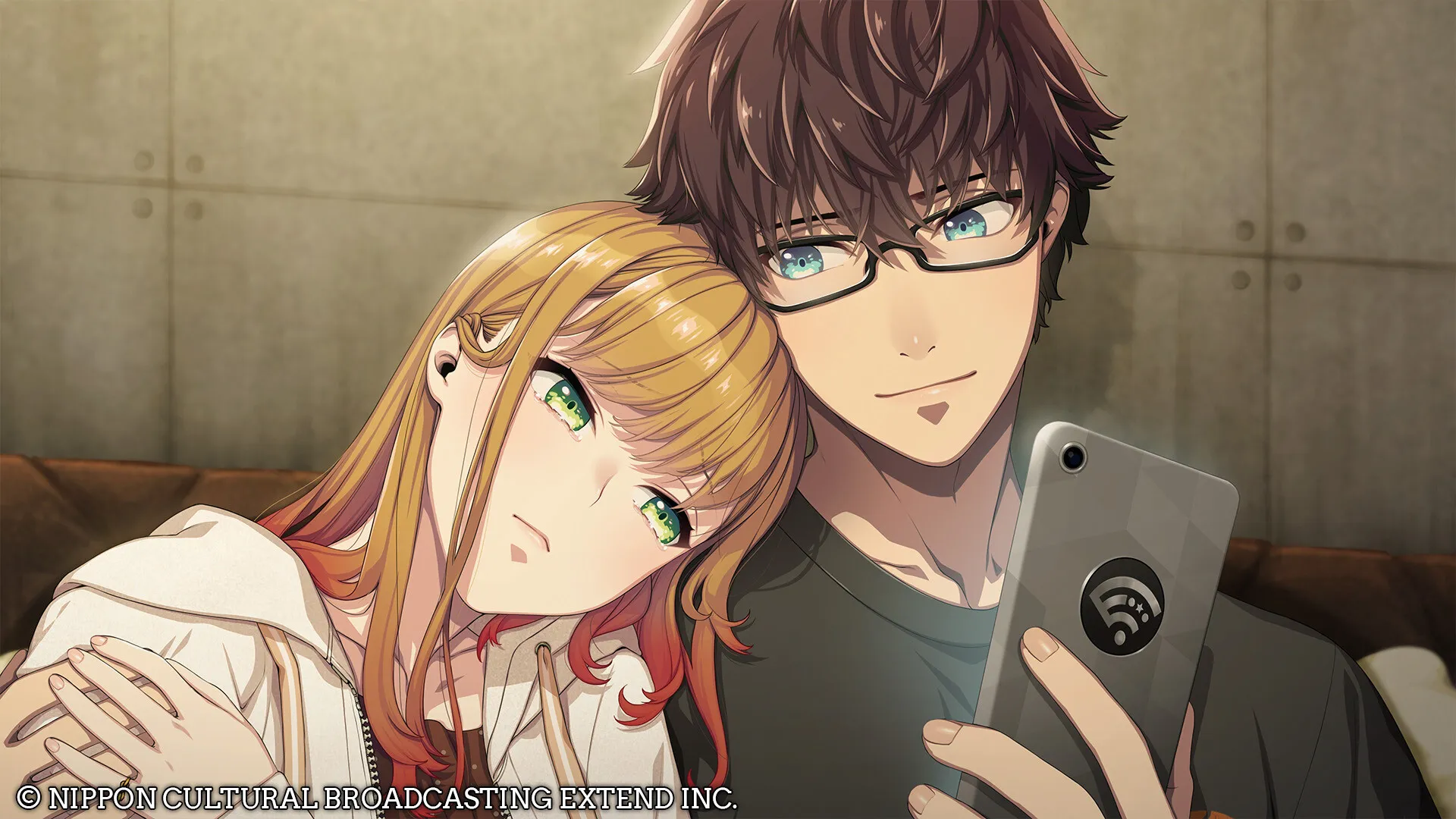
This tonal dissonance is the game’s greatest strength. The slick visuals are not a misrepresentation of the themes but a commentary on them. They are the beautiful facade of polite society that noir as a genre has always sought to strip away. The corruption here exists just beneath a very polished surface, and the game uses its art style to represent that surface perfectly.
Its characters are the embodiment of this idea. They are charming, witty, and possess a group dynamic full of friendly banter. Yet, each one is a deeply compromised individual. Limbo, the defense attorney, operates as a direct refutation of heroic lawyers in fiction; he is charismatic and effective precisely because his moral compass is flexible enough to defend the guilty.
The game consistently places you in situations where you are allied with these anti-heroes, making you a party to their questionable methods. It avoids simple judgments, instead focusing on the complexities of their actions within a corrupt system.
This thematic depth is backed by mature and often graphic content. The narrative confronts issues of police violence, systemic injustice, and the human cost of organized crime. Some routes, like Helvetica’s, delve into the brutal realities of drug trafficking with unflinching detail. The game’s bad endings are not simple failure states; they are bleak, often tragic conclusions that underscore the genuine danger the characters are in.
This commitment to darkness, however, is hampered by inconsistent narrative pacing. Certain routes feel uneven, with the central investigation losing momentum as the focus shifts to protracted relationship drama. The plot sometimes relies on characters making choices that defy logic, seemingly for the sole purpose of manufacturing a dramatic turn of events. These moments of contrivance can pull you out of the experience, briefly breaking the carefully constructed illusion of this morally ambiguous world.
The Atmosphere of New Sieg
The audio-visual presentation of BUSTAFELLOWS season 2 is its most flawlessly executed element. The art direction is exceptional, providing a feast of crisp lines, expressive character models, and a rich color palette that makes every scene pop. Character designs are a standout, communicating personality through fashion and posture long before a line of dialogue is spoken.

The static portraits are dynamic, with a wide range of expressions that bring conversations to life. These are complemented by a generous number of high-quality CGs, which act as cinematic rewards for reaching key moments in the narrative.
These illustrations are not just simple pinups; they are beautifully composed scenes that capture moments of intense action, quiet intimacy, or shocking revelations with artistic flair. The user interface is similarly slick and unobtrusive, ensuring the focus remains on the art and the story.
The auditory experience is just as vital to creating the game’s unique identity. The Japanese voice cast is superb across the board, with the returning actors slipping back into their roles with practiced ease. Their performances are filled with nuance, capturing the subtle shifts in tone from lighthearted teasing to deadly seriousness.
The decision to make the protagonist, Teuta, fully voiced is a significant one. Her performance grounds her as a distinct character within the world, giving her a clear personality and emotional range that a silent protagonist would lack.
However, the soundtrack is arguably the true star of the presentation. The score is a masterful blend of smoky jazz, frantic piano, and cool, atmospheric beats that feel ripped from a classic detective film. The music is not just background noise; it is an active participant in the storytelling.
A sultry saxophone might accompany a late-night conversation, while an aggressive, percussive track kicks in during a chase sequence. Each main character has musical themes that reflect their personality, and the score does an incredible job of setting and sustaining the game’s noir-inspired mood. It elevates every scene, working in perfect harmony with the visuals and voice acting to immerse you completely in the stylish, dangerous world of New Sieg.
Interactive Friction
While primarily a text-driven experience, the game employs several mechanics to maintain player engagement and shape the narrative experience. The most prominent of these are the timed choices. At various points, a decision must be made within a tight time limit, forcing an instinctual reaction rather than a carefully considered one.

This system effectively simulates the pressure of real-time situations, making conversations feel more dynamic and dangerous. The consequences for inaction or a poor choice during these moments add a welcome layer of tension. It’s a simple but effective tool for ensuring the player remains an active participant rather than a passive observer.
For players who wish to see everything the story has to offer, a comprehensive flowchart is an invaluable tool. This feature maps out every narrative branch, showing exactly where decisions lead to different scenes or endings.
It respects the player’s time by making it easy to jump back to a critical juncture and explore an alternate path without needing to replay large sections of the game. This meta-narrative feature encourages experimentation and completionism, acknowledging that the appeal of the format often lies in uncovering all its secrets.
The most significant design choice impacting the player experience is the perspective. Unlike many visual novels that use a silent, first-person protagonist to facilitate player immersion, this game gives you a defined hero. Teuta is a character with her own voice, appearance, and established personality.
The narrative frequently shifts perspective, allowing you to see events through the eyes of other cast members. This approach sacrifices direct role-playing for a more cinematic, character-driven story. The downside is that players may feel a sense of distance from Teuta, guiding her actions rather than embodying them.
A final point of friction lies in a notable technical issue with the Switch port: missing subtitles. During some scenes, Japanese dialogue plays without any accompanying English text. While these moments are often flavor text, their omission is jarring. It creates a small but persistent crack in the immersion, reminding the player that they are not receiving the complete experience.
The Review
BUSTAFELLOWS season2
BUSTAFELLOWS season 2 is a confident and stylish sequel that rewards dedicated fans with a deeper, more mature exploration of its characters and world. Its stunning audio-visual presentation and commitment to a dark, noir-inspired narrative are exceptional. However, its absolute refusal to accommodate newcomers and its occasional narrative stumbles make it a beautiful, exclusive affair. It’s a must-play for returning veterans of New Sieg, but an impossible starting point for anyone else.
PROS
- A compelling narrative continuation for returning players.
- Successfully explores the complexities of established relationships.
- Exceptional art, voice acting, and a standout jazzy soundtrack.
- Mature, noir-inspired themes are handled with confidence.
CONS
- Completely inaccessible to newcomers; requires full knowledge of the first game.
- Narrative pacing is inconsistent across different character routes.
- Some plot points rely on illogical character decisions.
- Minor technical flaws, such as missing subtitles in some scenes.