
























![Kingdom Hearts Collection [I-III] Review](https://gazettely.com/wp-content/uploads/2026/10/Kingdom-Hearts-Collection-I-III-1-360x180.webp "Kingdom Hearts Collection [I-III] Review: KHII Holds Steady as Newer Entries Fluctuate 37")



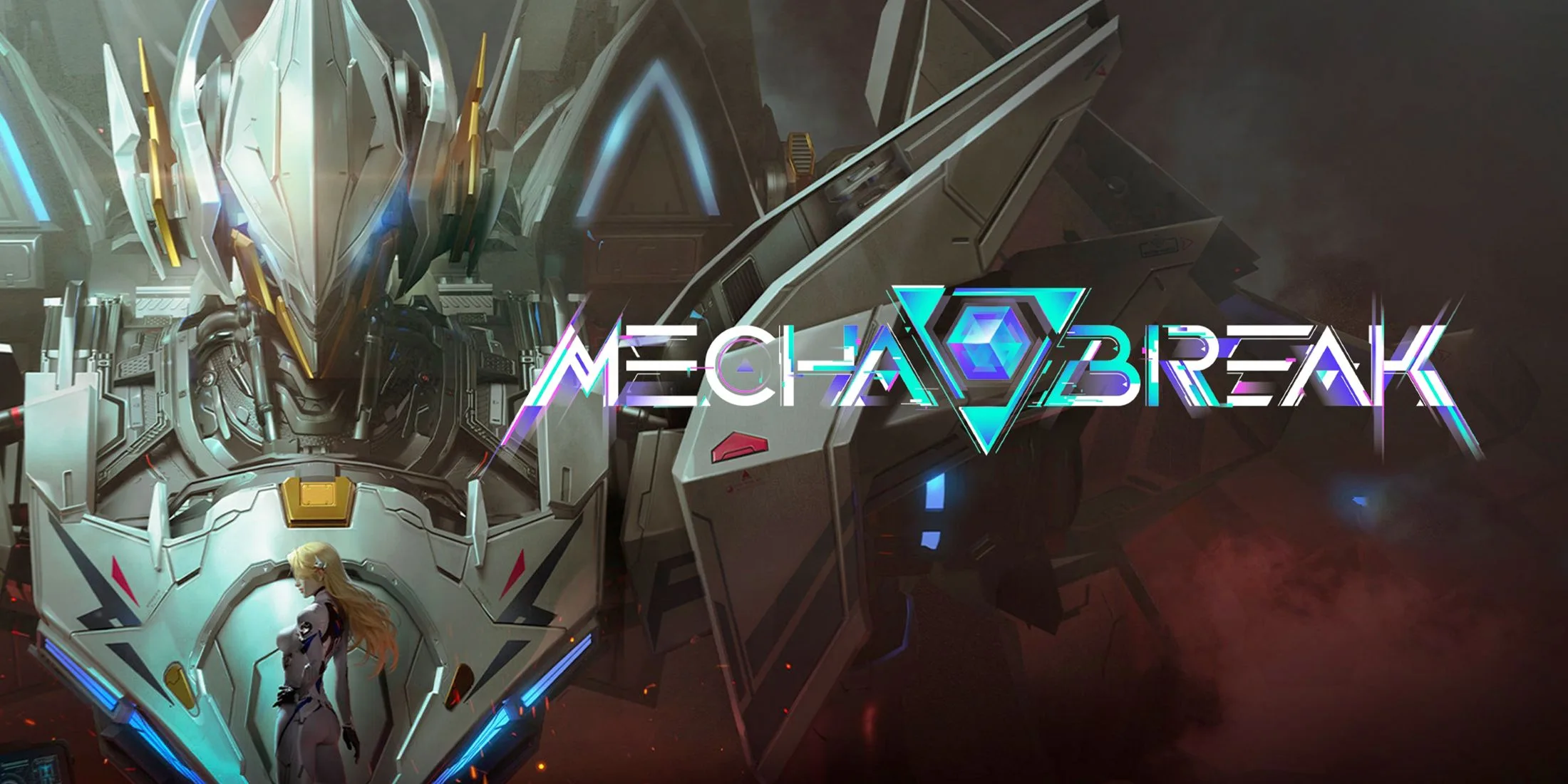

The allure of giant robot combat has captivated audiences for decades, from the thunderous footsteps of the Megazord to the tactical complexity of Armored Core. There’s something primal about the fantasy of climbing into a towering war machine and engaging in high-stakes combat among the clouds. Mecha Break understands this appeal and delivers it with remarkable precision.
Amazing Seasun Games has crafted a team-based hero shooter that places customizable mechs—called Strikers—at the center of its tactical gameplay. Set in a post-apocalyptic world where humanity fights over Corite crystals, a dangerous but essential energy source, the game positions itself as a fresh take on the hero shooter formula. Unlike the human-centric battles of Overwatch or the superhero spectacle of Marvel Rivals, Mecha Break embraces the scale and power fantasy that only giant robots can provide.
The free-to-play model immediately signals the game’s intentions to capture a broad audience, and the production values reflect serious investment in bringing this mech fantasy to life. Each Striker gleams with meticulous detail, from the satisfying clank of armor plating to the brilliant flash of energy weapons. This is mech combat designed for the modern gaming landscape, streamlined for accessibility while preserving the tactical depth that makes giant robot warfare compelling.
Combat Systems: Where Steel Meets Strategy
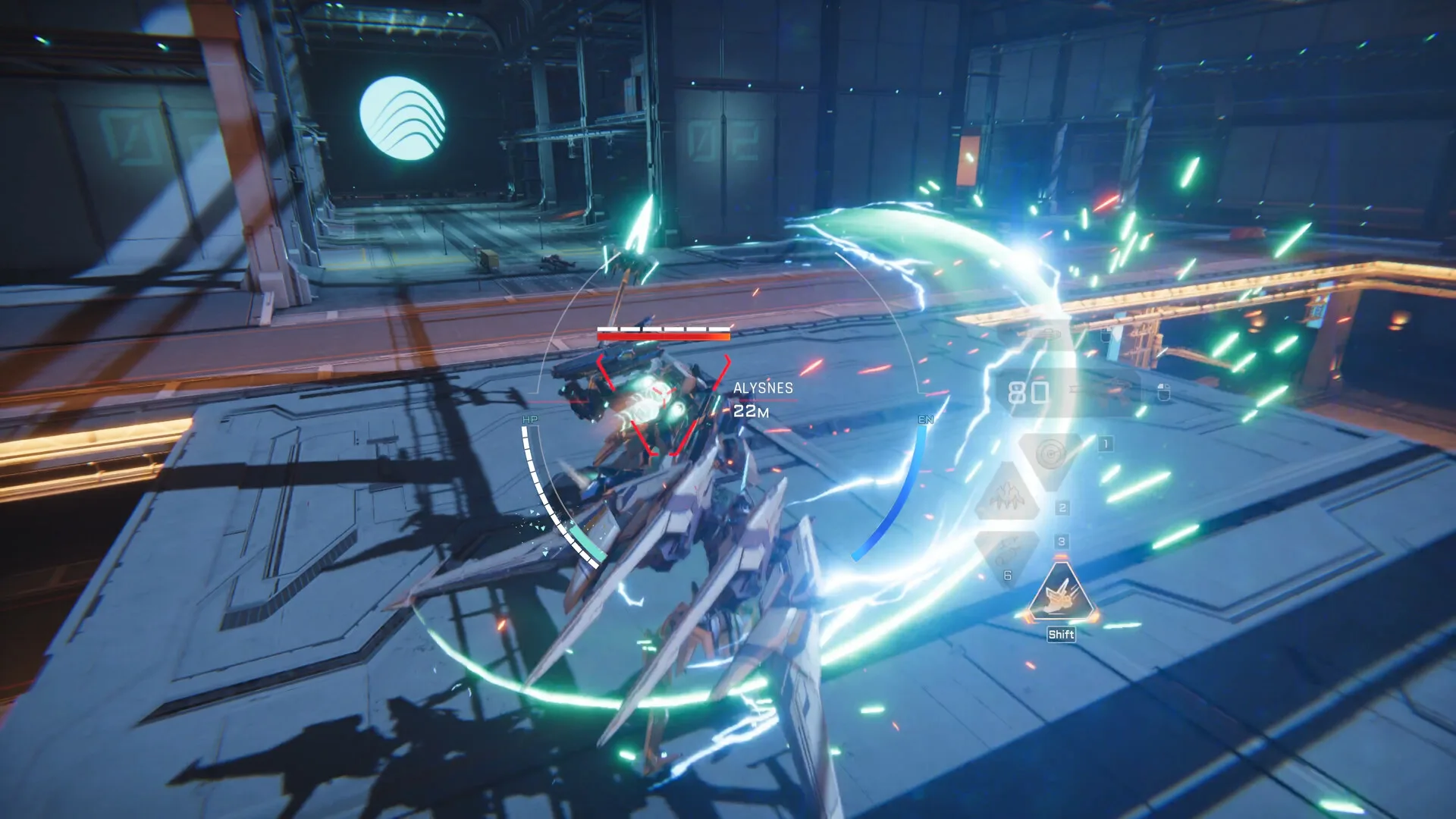
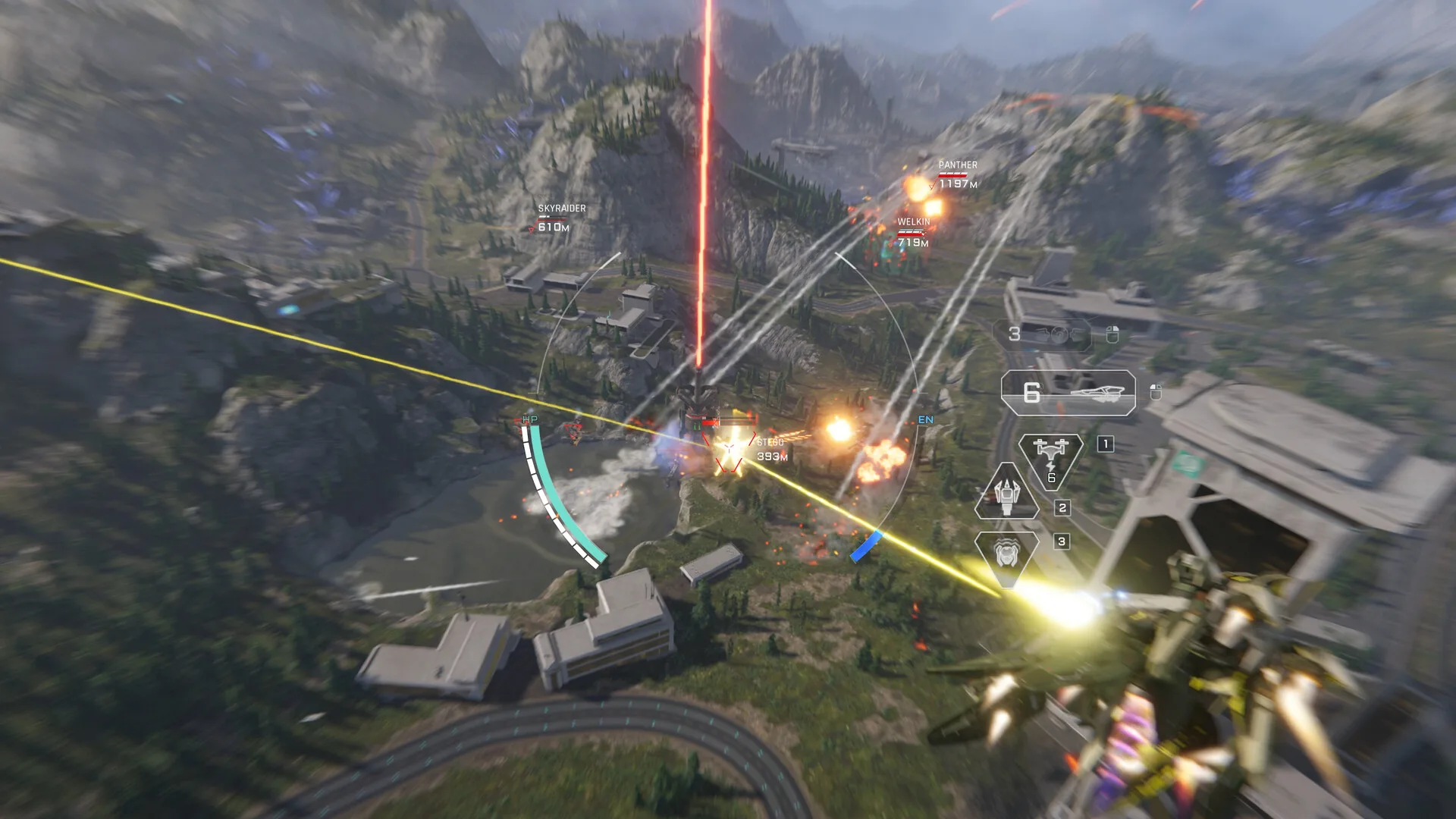
Mecha Break’s combat foundation rests on a sophisticated lock-on targeting system that distinguishes it from traditional first-person shooters. Rather than demanding pixel-perfect aim, the game allows players to focus on positioning, timing, and tactical decision-making. This design choice creates a higher skill ceiling than it might initially appear—success depends on understanding engagement ranges, managing energy resources, and reading opponent movements rather than raw mechanical precision.
The Energy (EN) management system adds strategic depth to every encounter. Boosting across the battlefield, executing evasive maneuvers, and activating abilities all draw from the same resource pool, creating meaningful choices in combat. Do you burn energy to close distance for a devastating melee attack, or conserve it for a crucial escape? These decisions happen dozens of times per match, and mastering energy management separates skilled pilots from novices.
The dual health system—regenerating armor with permanent health damage underneath—creates a rhythm of engagement that feels distinctly different from other shooters. Extended duels become wars of attrition, where positioning and patience matter as much as firepower. When armor finally breaks and health starts dropping, the stakes escalate dramatically. This system works particularly well with the game’s longer respawn times, making each life feel consequential without creating the oppressive death penalties found in more punishing games.
Movement mechanics vary drastically across weight classes, creating distinct gameplay experiences. Light mechs like Falcon zip across maps with jet-boost transformations, while ultra-heavy units like Tricera lumber forward with earth-shaking presence. This weight-based design philosophy extends to weapons and abilities—beam rifles for precision strikes, energy swords for close combat, and defensive shields that can mean the difference between victory and defeat. The absence of traditional ultimate abilities might disappoint hero shooter veterans, but it forces players to rely on fundamental skills and teamwork rather than waiting for game-changing super moves.
Mechanical Diversity: A Striker for Every Pilot
The roster of 15 Strikers represents one of Mecha Break’s strongest achievements. Each mech feels mechanically distinct, with unique movement patterns, weapon systems, and tactical roles that encourage dramatically different approaches to combat. This variety surpasses what you’ll find in most hero shooters, where character differences often feel cosmetic rather than fundamental.
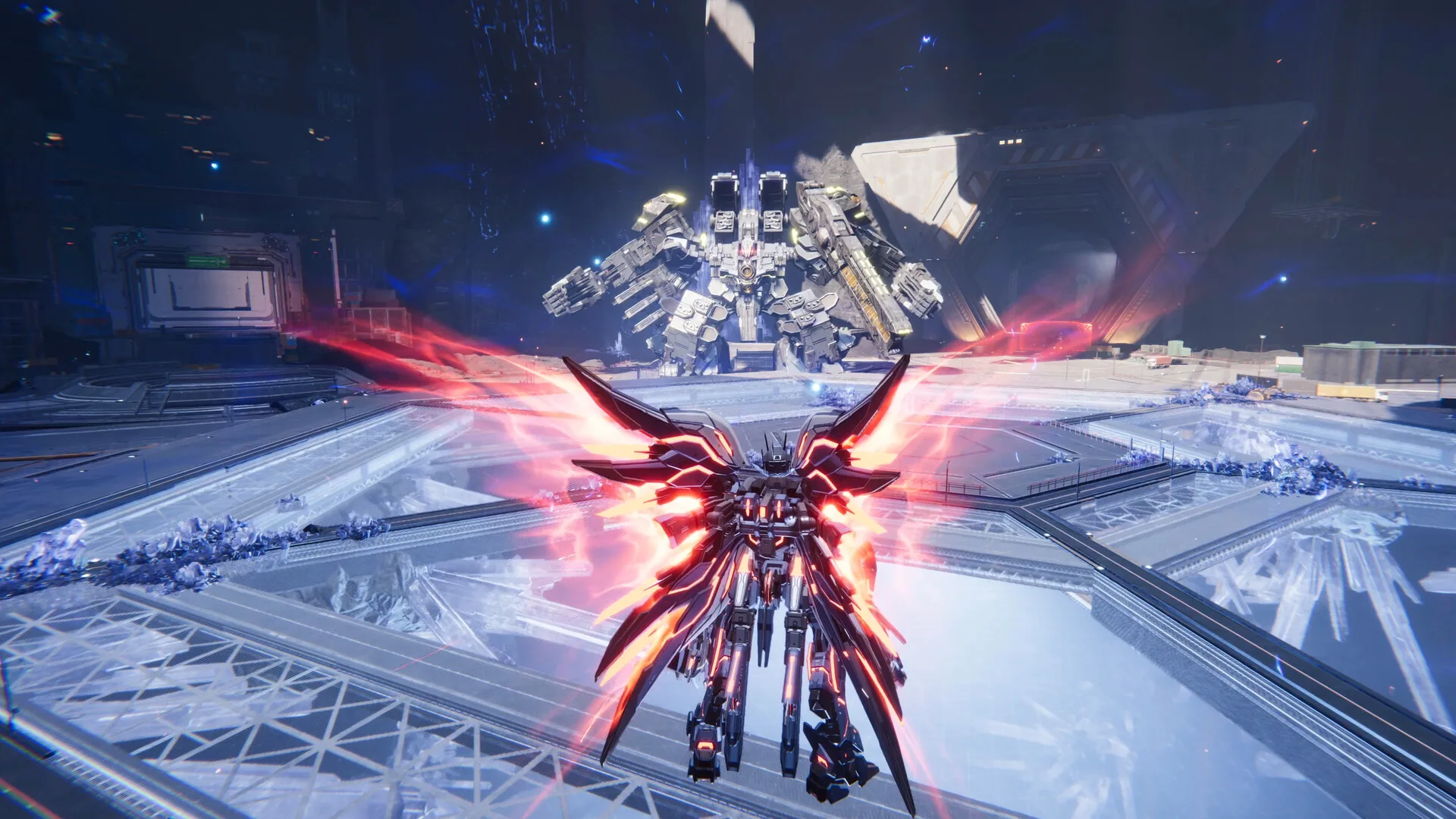
Falcon exemplifies the attacker class with its jet transformation ability, allowing pilots to soar across battlefields and strike from unexpected angles. The transformation isn’t just a movement tool—it fundamentally changes how you approach engagements, think about positioning, and coordinate with teammates. Tricera, representing the defender archetype, trades mobility for devastating firepower with its quad gatling guns and turret mode. These mechs don’t just fill different roles; they create entirely different gameplay experiences.
The Alysnes stands out as a particularly clever design, featuring an armor-shedding mechanic that creates two distinct phases of gameplay. Pilots must survive the vulnerable transition period before accessing enhanced mobility and firepower. This risk-reward dynamic adds layers of strategy that extend beyond simple damage calculations. Meanwhile, the Aquila sniper can hover above combat zones, providing overwatch with devastating long-range capability, while the Welkin brawler traps enemies in laser cages before closing for melee combat.
Team composition becomes a puzzle worth solving, especially with the restriction against duplicate mechs per team. The game rewards strategic thinking during the selection phase, where understanding map layouts, objective types, and opponent tendencies can determine victory before the first shot is fired. Communication becomes essential—calling out enemy positions, coordinating ability usage, and adapting to changing battlefield conditions. This emphasis on teamwork and tactical planning elevates Mecha Break above simple action games into something approaching a tactical sport.
Battlegrounds: Maps That Shape Combat
Operation Verge serves as Mecha Break’s primary mode, offering 6v6 combat across varied objective types that feel familiar yet refreshed through the lens of mech warfare. Payload escort missions take on new dimensions when your team includes flying mechs and siege units, while capture point battles become exercises in area denial and tactical positioning. The game smartly varies objectives based on map design, ensuring that different Striker compositions remain viable across the rotation.
Standout maps like Kraub Sinkhole demonstrate thoughtful design that rewards tactical thinking. The three-point control layout creates natural rotation paths while offering multiple engagement opportunities for different mech classes. Stella Observatory Island combines vertical elements with open sightlines, creating natural sniper perches while maintaining flanking routes for aggressive mechs. Longmen Launch Site’s indoor-outdoor mix provides close-quarters combat zones alongside open battlefield segments, accommodating the full spectrum of Striker types.
The 3v3 Ace Arena mode provides a more intimate combat experience with the added wrinkle of mech switching upon death. This flexibility allows for more dynamic team compositions and creates opportunities for tactical adaptation mid-match. The smaller map selection maintains focus while environmental hazards like rocket engine test firing add unpredictable elements that can shift momentum in decisive moments.
Operation Storm’s extraction mode takes place on the expansive Mashmak map, featuring PvPvE elements that distinguish it from purely competitive modes. The Corite storm weather system creates dynamic battlefield conditions, while AI enemies and supply crates provide progression opportunities between player encounters.
The mode’s multiple difficulty levels and respawn system make it more approachable than traditional extraction shooters, though the marketplace integration raises questions about competitive balance. Player-versus-player encounters tend to concentrate around extraction points, creating natural tension spikes that can make or break runs.
The Price of Customization: Monetization’s Heavy Hand
Mecha Break’s free-to-play structure reveals both the strengths and limitations of modern game monetization. The initial roster provides 12 immediately accessible Strikers, with 3 locked behind currency or payment barriers. While the 7-day trial system allows players to test premium mechs before purchasing, the 15,000 mission token requirement for permanent unlocks creates a significant grinding commitment. Weekly currency caps extend this timeline to months for players who want to access all content without spending money.
The cosmetic monetization system represents the game’s most aggressive monetization push. Extensive pilot customization options remain locked behind premium currency, with bundles reaching $47.99 and higher for single-mech cosmetic packages. The auction house system creates an interesting player-to-player economy, but it also emphasizes how much content is restricted from free players. Mech paint jobs offer some customization opportunities through gameplay, but the limited free options feel restrictive compared to the extensive paid catalog.
The progression system’s seasonal currency reset creates additional pressure to maintain consistent engagement or risk losing accumulated progress. This design choice feels particularly punitive given the already lengthy unlock timelines. The battle pass system multiplies currency earnings, creating a “pay to progress faster” dynamic that may frustrate players who want to engage with the game’s customization systems without ongoing financial commitment.
Operation Storm’s weapon and mod marketplace raises more serious concerns about competitive balance. While the mode includes difficulty-based matchmaking to separate differently equipped players, the fundamental design creates advantages for those willing to spend money or time in the auction house. This extends beyond cosmetics into gameplay-affecting territory, potentially undermining the skill-based competition that makes the core modes compelling.
The character creator and hangar system showcase both the game’s technical capabilities and its focus on fan service elements. The detailed avatar creation tools demonstrate impressive technical achievement, but the emphasis on sexualized content and limited social features suggests priorities that may not align with all players’ interests. The hangar serves as an elaborate showroom for purchased cosmetics rather than a functional social space.
Technical Foundation: Polish and Performance
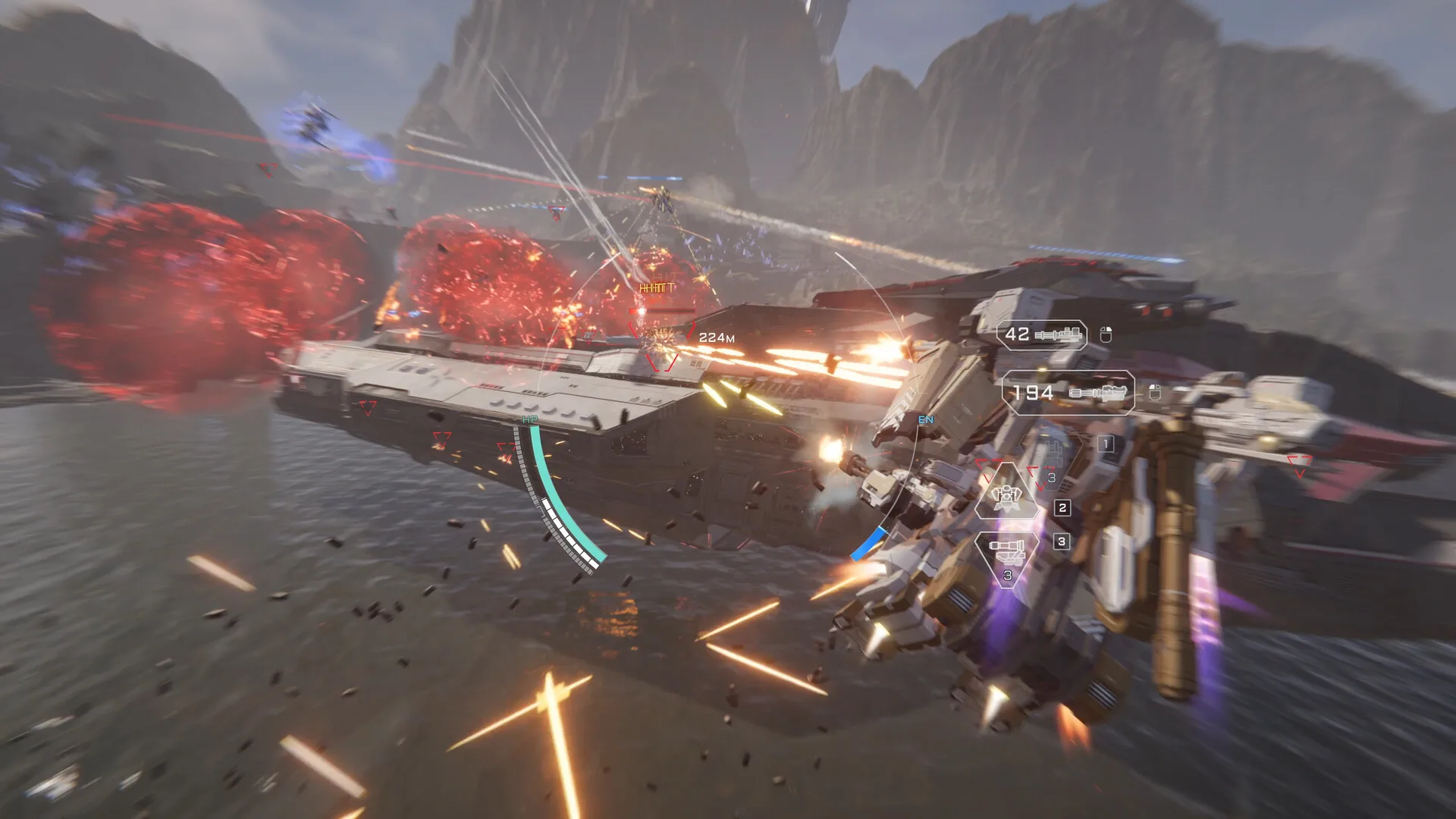
Mecha Break’s visual presentation represents a significant technical achievement, with highly detailed mech designs that maintain clarity during intense combat. The art direction successfully captures the industrial aesthetic of military mechs while incorporating enough sci-fi elements to feel futuristic rather than purely utilitarian. Explosive visual effects and particle systems create spectacular moments without overwhelming the screen or obscuring important gameplay information.
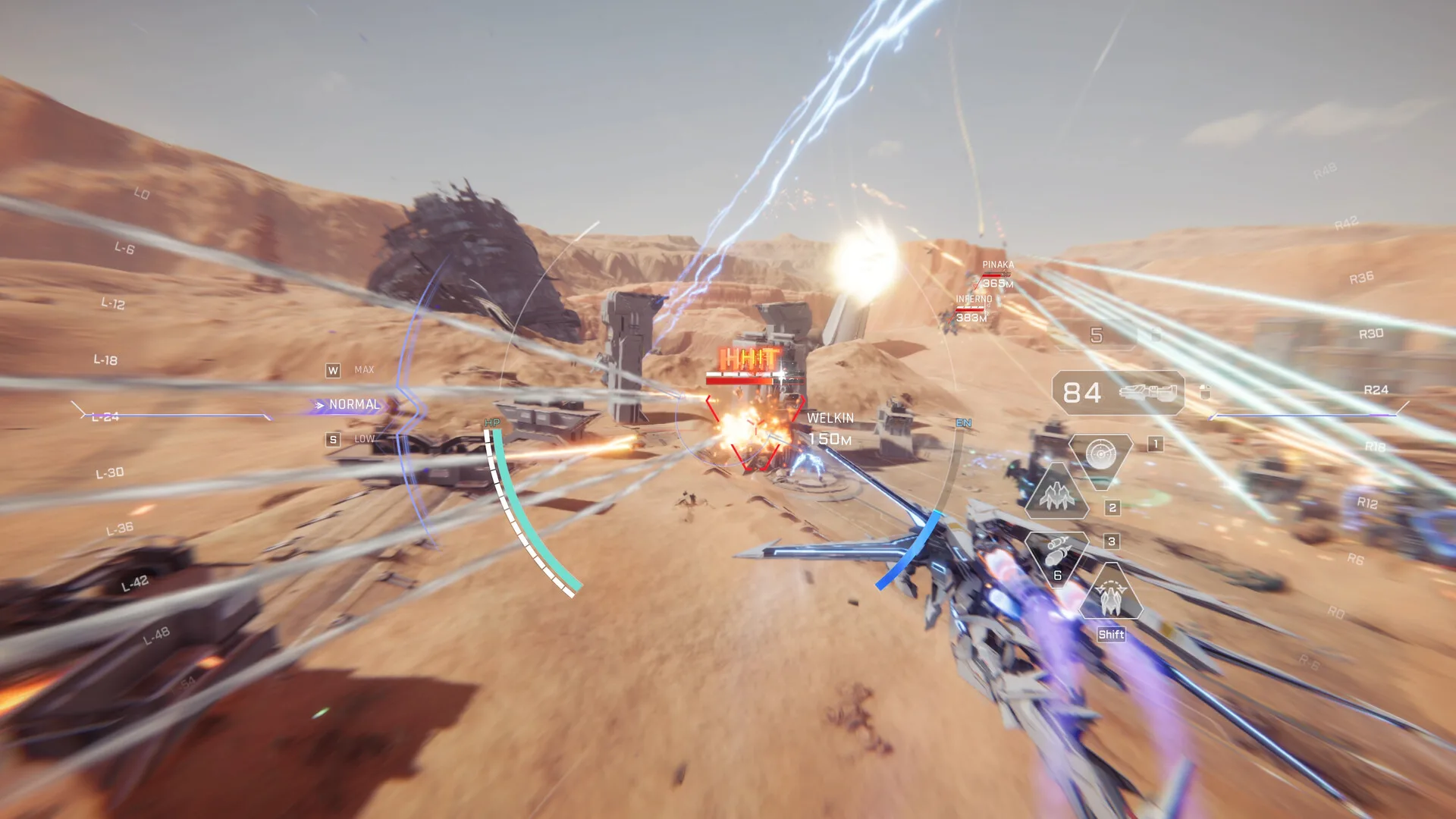
The diverse map environments span from industrial cities to lunar craters, each with distinct visual identities that support gameplay readability. Environmental details like dynamic lighting and atmospheric effects enhance immersion without compromising performance. The game’s cinematic production values shine during combat, with smooth animation transitions and impactful weapon effects that make each engagement feel substantial.
Audio design supports the visual spectacle with layered soundscapes that help players understand battlefield conditions. Pilot voice acting provides essential combat information through callouts and status updates, while weapon sound effects give each armament a distinct audio signature. The mechanical audio design for movement and transformation sequences adds weight to mech interactions, reinforcing the sense of piloting massive war machines.
Performance considerations remain generally solid across platforms, with stable frame rates during intense combat scenarios. Loading times between matches stay reasonable, and server stability supports smooth multiplayer experiences. The user interface strikes a balance between information density and clarity, though the extensive monetization menus can feel overwhelming for new players navigating the game’s systems.
A Mech Game for the Modern Era
Mecha Break succeeds in delivering the giant robot combat experience that fans have long craved, wrapped in a technically accomplished package that honors the genre’s legacy while modernizing its approach. The moment-to-moment combat feels exceptional, with each Striker offering genuinely different gameplay experiences that reward mastery and strategic thinking. The variety in mech designs and playstyles surpasses most hero shooters, creating a tactical depth that can sustain long-term engagement.
The game’s aggressive monetization schemes represent its most significant weakness, creating barriers to customization that feel particularly restrictive in a genre where personal expression has traditionally been central. The extensive cosmetic paywall and pay-to-win elements in extraction mode detract from what is otherwise a solid competitive experience. Players who can compartmentalize these concerns and focus on the core gameplay will find much to appreciate.
Mech enthusiasts seeking accessible gameplay without the complexity of simulation titles will discover a welcoming entry point that respects the genre’s traditions. Hero shooter fans looking for fresh mechanics and tactical depth will find systems that reward teamwork and strategic thinking. The game works best for players who can either ignore the monetization systems or accept them as part of the modern free-to-play landscape.
The long-term viability of Mecha Break depends heavily on how Amazing Seasun Games balances content updates with monetization pressures. The foundation is strong enough to support a thriving community, but the aggressive pricing structure may limit its growth potential. For players willing to engage with the game on its own terms, Mecha Break offers some of the most satisfying mech combat available in contemporary gaming, with enough tactical depth to justify the investment in learning its systems.
The Review
Mecha BREAK
Mecha Break delivers exceptional mech combat with 15 uniquely designed Strikers that offer genuine tactical variety. The sophisticated lock-on targeting system and energy management create engaging strategic depth, while stunning visuals bring the giant robot fantasy to life. However, aggressive monetization severely limits customization options and introduces pay-to-win elements. Despite these flaws, the core gameplay provides some of the most satisfying mech combat available, making it worthwhile for fans willing to overlook the restrictive pricing model.
PROS
- 15 mechanically distinct Strikers with unique playstyles
- Sophisticated lock-on targeting system emphasizing strategy over aim
- Excellent energy management mechanics create meaningful combat choices
- Outstanding visual design and technical polish
- Diverse maps that accommodate different mech classes
CONS
- Aggressive monetization restricts cosmetic customization
- Pay-to-win elements in extraction mode
- Long unlock timelines for free players (months of grinding)
- Expensive cosmetic bundles ($47.99+)







