




























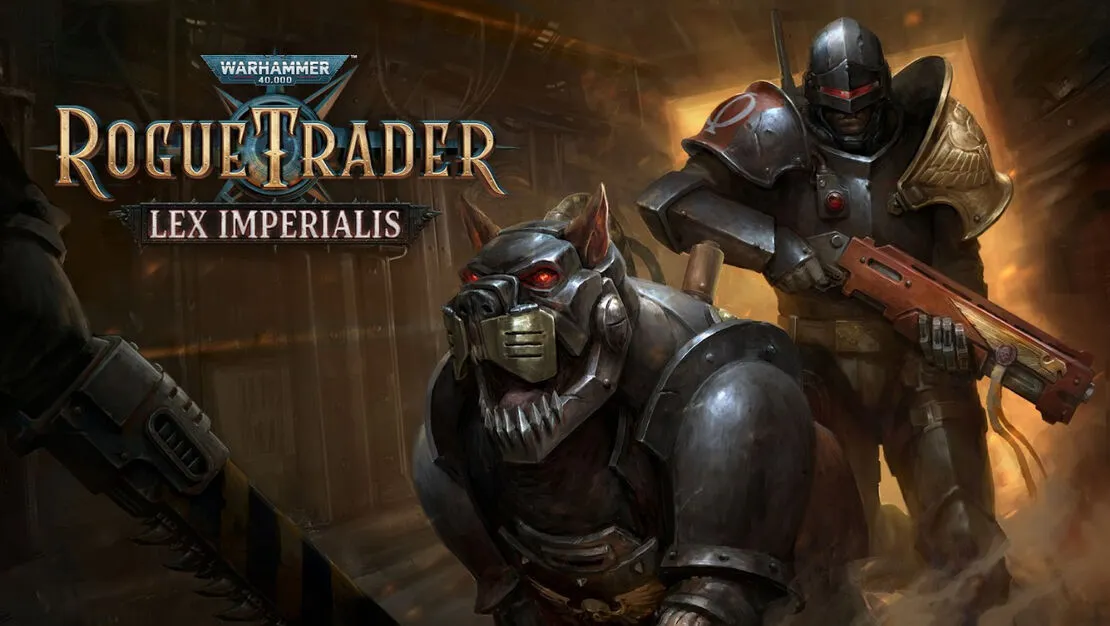

The Warhammer 40,000 universe often presents a paradox: it is a sprawling, galaxy-spanning empire that simultaneously feels like a collection of lawless frontiers. The Lex Imperialis expansion for Rogue Trader leans directly into this contradiction.
It introduces the Adeptus Arbites, the rigid and unyielding agents of Imperial law, into the largely autonomous Koronus Expanse. This is not merely an addition of new content; it is a thematic intervention. The player, an empowered Rogue Trader accustomed to being the ultimate authority, is suddenly confronted by the bureaucratic machinery of the state.
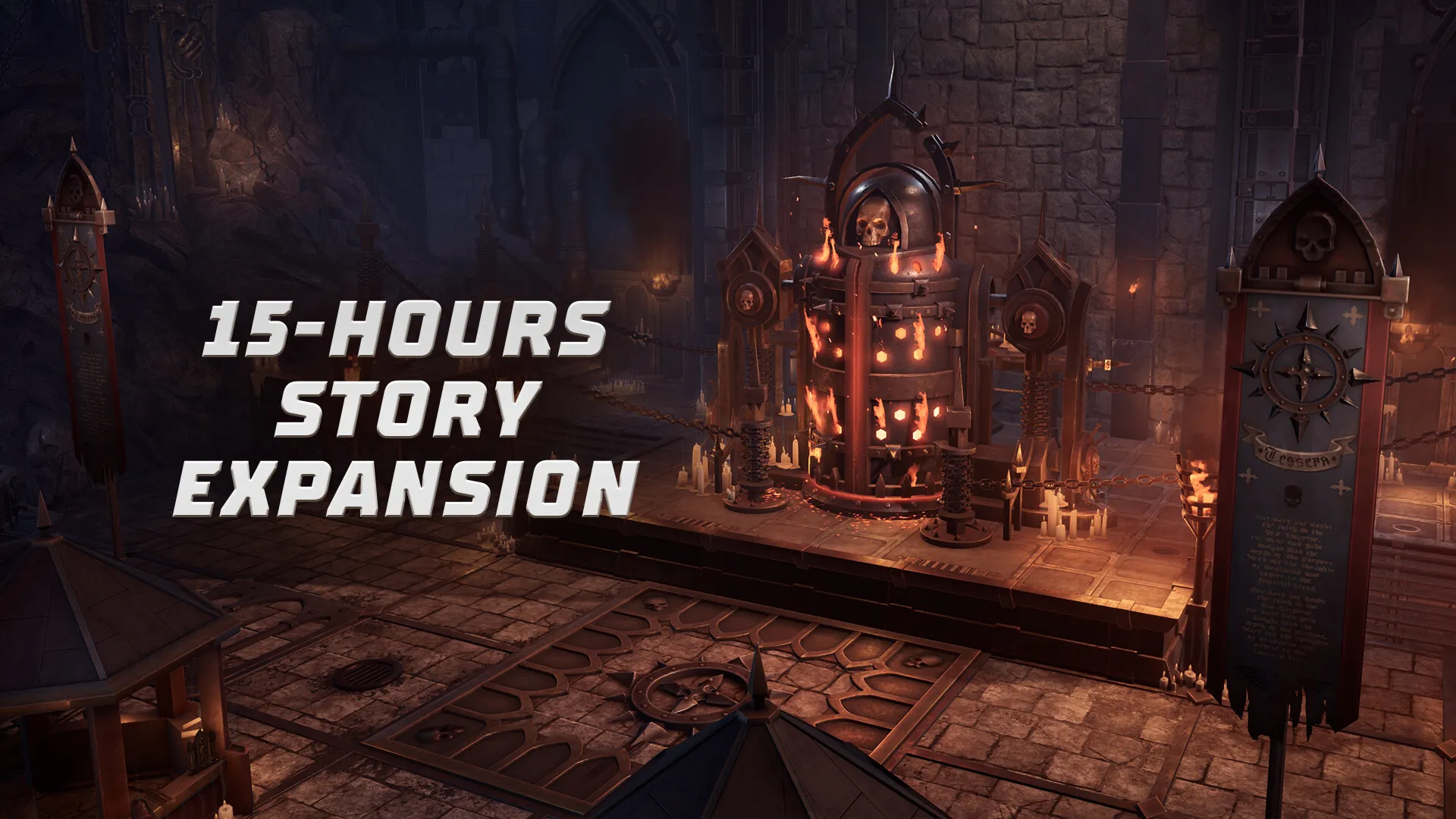
This 15-hour narrative addition weaves itself into the main campaign, transforming the player’s journey. It presents a fascinating conflict, one with deep echoes in global history and political theory: the clash between the self-determining individual and the centralized, systematic power of the state. The player’s role shifts from explorer and conqueror to a subject of scrutiny, forced to negotiate their power with an institution that claims absolute jurisdiction.
The Ideology of Order
A Jurisprudence of Force The core narrative of Lex Imperialis examines the nature of law itself. The Adeptus Arbites are not presented as villains but as the physical embodiment of a particular legal philosophy—one where justice is absolute, swift, and inseparable from force.
Their arrival introduces a friction that is deeply political, a direct challenge to the player’s charismatic authority with the cold, procedural power of the state. This is not a simple good versus evil story; it is a conflict of jurisdiction and ideology. The game’s quests become case studies in this conflict. Through investigative gameplay, the player is made into a detective and then a judge, forced to weigh evidence and pass sentence.
This mechanic brilliantly reframes player agency, creating a dissonance seen in works from Kafka to dystopian cinema. Your decisions are not just about loot or experience points; they are verdicts with tangible consequences, placing you in a judicial dialogue with the Arbites’ uncompromising dogma.
The expansion explores new worlds, most notably a “Feudal World,” a fascinating artifact of arrested development that serves as a perfect backdrop for these moral tests. This location functions as a poignant commentary on colonial encounters, where a technologically superior power imposes its rigid legal framework onto a society with deeply embedded, divergent values. It pits the codified laws of the Imperium against entrenched local traditions, forcing the player to mediate a cultural collision.
The Functionary as Archetype
Anatomy of an Agent The expansion introduces Solomorne Anthar, a character who serves as a compelling archetype of the state functionary. Stern, dutiful, and professional, he represents a universal figure found in narratives across cultures: the individual who subsumes their identity into their role.
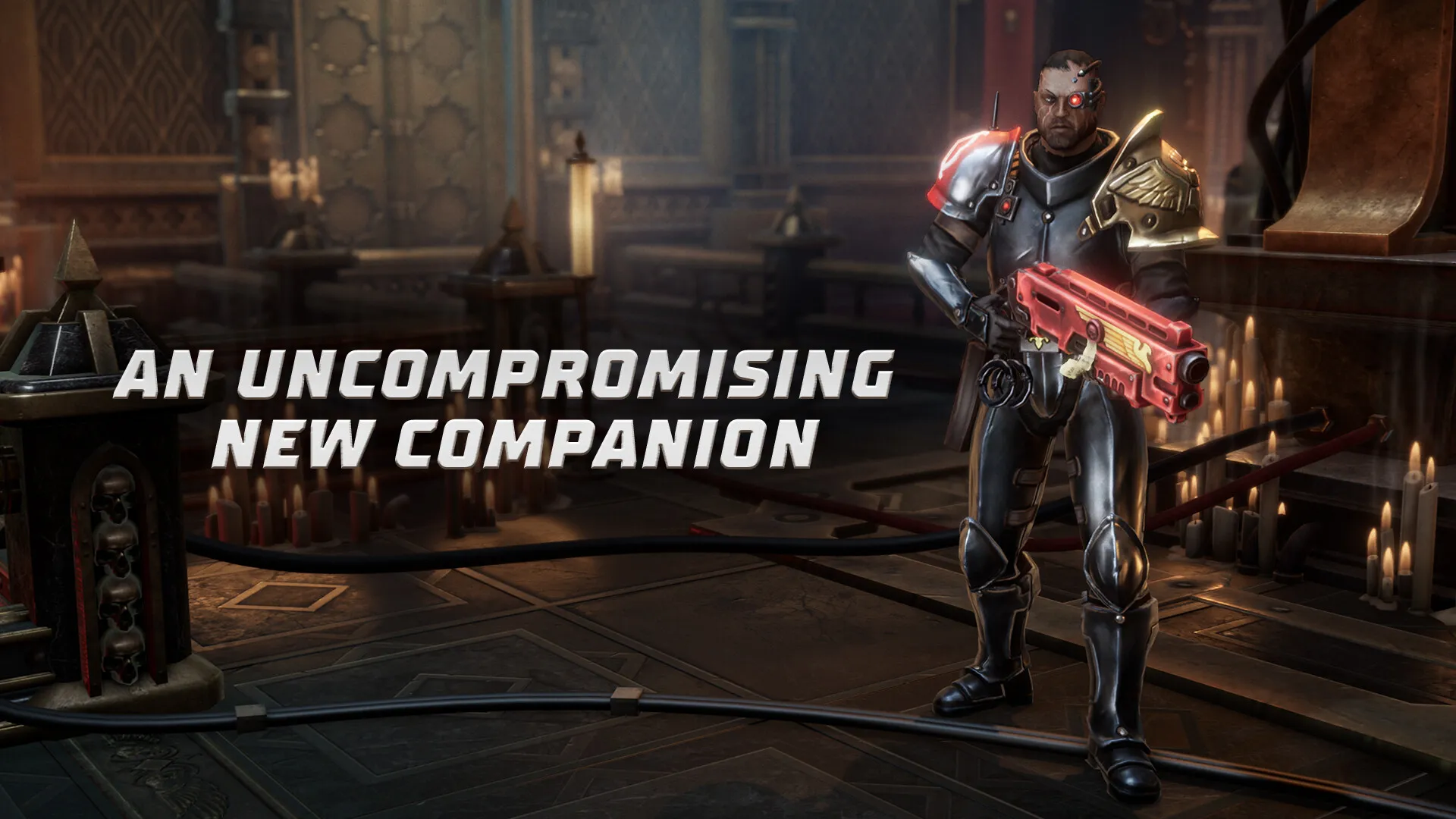
His character arc explores the tension between personal conviction and the mandate of the institution he serves. Engaging him in conversation reveals a man of deep, repressed feeling beneath the stoic exterior, making him a fascinating study in the psychology of authority.
This inner conflict is subtly mirrored in his relationship with his cyber-mastiff, Glaito. The animal companion represents his only outlet for a loyalty that is personal, not institutional—a small crack in his ideological armor that shows his capacity for attachment beyond duty.
His presence creates an interesting dialogue within the player’s retinue, his rigid adherence to the law clashing with the diverse philosophies of other companions. This extends to the new player character Origin, the Arbitrator. Choosing this path is a significant narrative act.
It is not just a selection of skills but an adoption of an identity, fundamentally altering the player’s perspective from the outset. It frames every interaction through a lens of suspicion and enforcement, changing the texture of the entire game.
The Mechanics of Control
Symbolism in Systems The new gameplay systems in Lex Imperialis are rich with symbolic meaning. The introduction of shields is a powerful mechanical statement. The shield is the tool of an established order, a symbol of immovable defense rather than aggressive expansion.
Its ability to block an entire burst of fire after stopping a single shot is a perfect mechanical metaphor for absolute authority; it doesn’t just mitigate a threat, it nullifies it completely. This design choice transforms the rhythm of combat, shifting it from the swashbuckling initiative of a Rogue Trader to the deliberate, positional defense of the state.
The new Overseer archetype and its accompanying Familiars extend this theme of systemic control. The name “Overseer” itself is loaded with connotations of surveillance. Familiars, which are commanded rather than directly controlled, emphasize a master-instrument relationship, contrasting sharply with companion systems in other games that foster partnership.
Here, the Familiar is a tool that happens to be alive, a reflection of the Imperium’s profoundly utilitarian view of life. These are not just new ways to play; they are gameplay mechanics that intelligently express the core political themes of the expansion.
A Foundational Conflict
Recasting the Narrative The genius of Lex Imperialis lies in its seamless integration. The content is not cordoned off in a separate adventure but woven directly into the fabric of the main campaign, from its early chapters to its later acts.
This technical choice has a profound narrative effect, making the DLC feel less like an appendix and more like a critical chapter that was always meant to be there. It suggests the conflict between individual autonomy and state control is not a side story but a foundational tension of this universe.
The expansion enriches the world by injecting a layer of political complexity that was always latent. The presence of the Arbites makes every action more meaningful because the Rogue Trader is no longer the sole arbiter of right and wrong. The state is watching.
The Review
Warhammer 40,000: Rogue Trader - Lex Imperialis
A brilliant, thematically rich expansion that intelligently weaves political philosophy into its core mechanics. It transforms the base game by introducing a compelling conflict between individual autonomy and state control. The new systems and narrative quests are seamlessly integrated, making the entire experience feel more complex and reactive. While its bureaucratic focus may not appeal to all, Lex Imperialis is an essential, thought-provoking addition for any player who values deep narrative design and a world that challenges their authority at every turn.
PROS
- Deep thematic integration of law and order into the narrative.
- New mechanics like shields and familiars are narratively meaningful.
- Seamlessly woven into the main campaign for a natural feel.
- High-quality new quests and memorable locations.
CONS
- The new companion can feel one-dimensional at times.
- The intellectual and bureaucratic focus might be less engaging for some players.
- Minor graphical and scripting glitches can occasionally appear.







