



















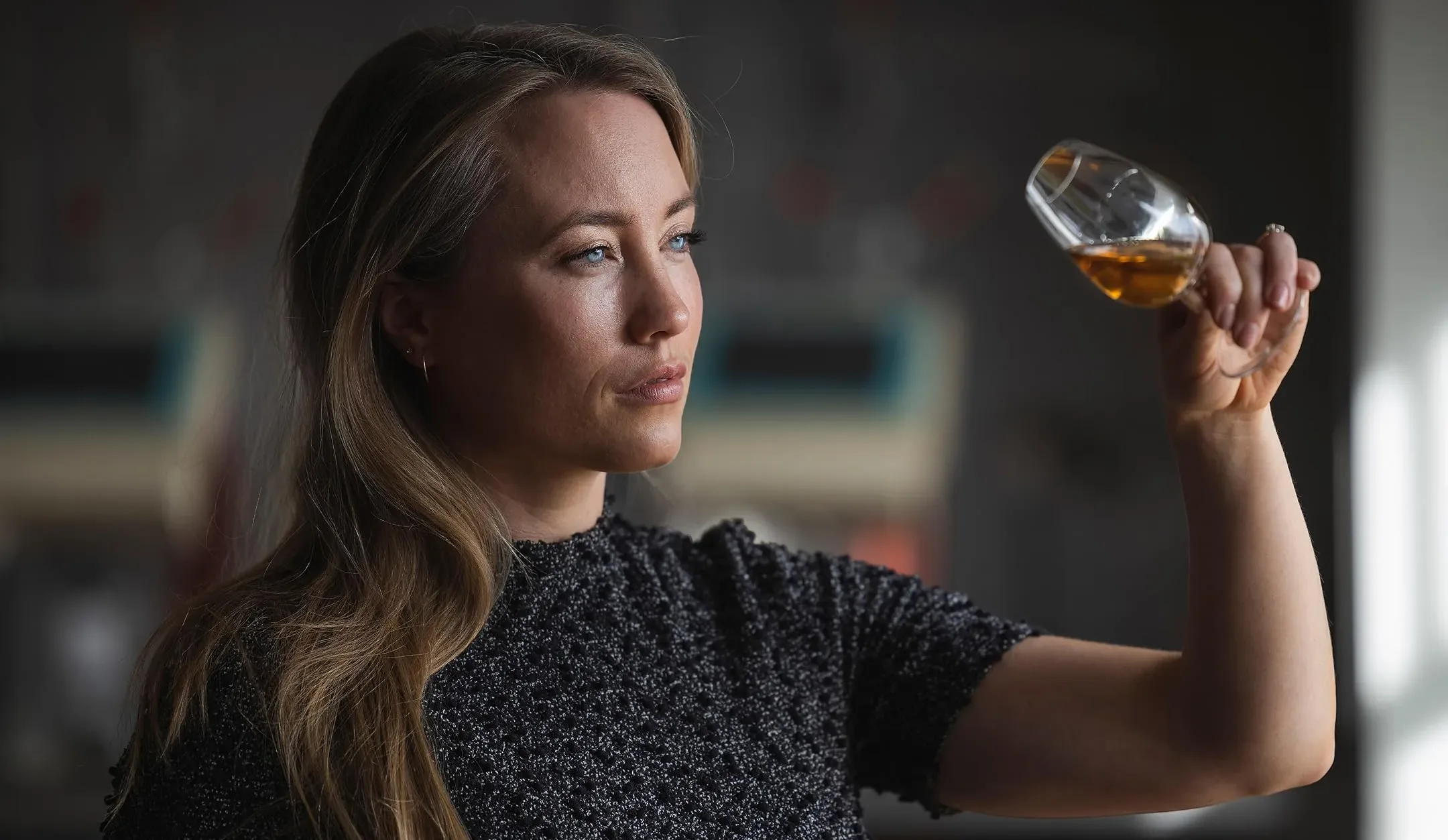

Filmmaker and guide Frank Mannion invites audiences on a cheerful cinematic tour in A Sip of Irish. The film sets out to chronicle Ireland’s profound, and often understated, influence on the world of wine, spirits, and beer. This is not merely a survey of distilleries on the Emerald Isle; it is a global journey that follows the Irish spirit to the places it has flourished.
The documentary’s scope is ambitious, connecting a heritage of migration and expertise to some of the most famous beverage brands on the planet. From the outset, the film establishes a pleasant and celebratory air, taking viewers from French vineyards with deep Irish roots to wineries in the United States and New Zealand.
It operates on the fascinating premise of an “Irish drink in a French terroir,” a concept that elegantly frames this story of cultural diffusion and liquid craftsmanship. The film promises a lighthearted look at a rich history.
The Global Irish Cellar
The documentary unfolds as a beautifully photographed travelogue, its structure reminiscent of a grand tour for the modern connoisseur. Mannion’s journey takes us into the heart of production, from the surprisingly pastoral Wicklow farm that supplies the essential cream for Baileys to the hallowed, history-steeped cellars of Bordeaux.

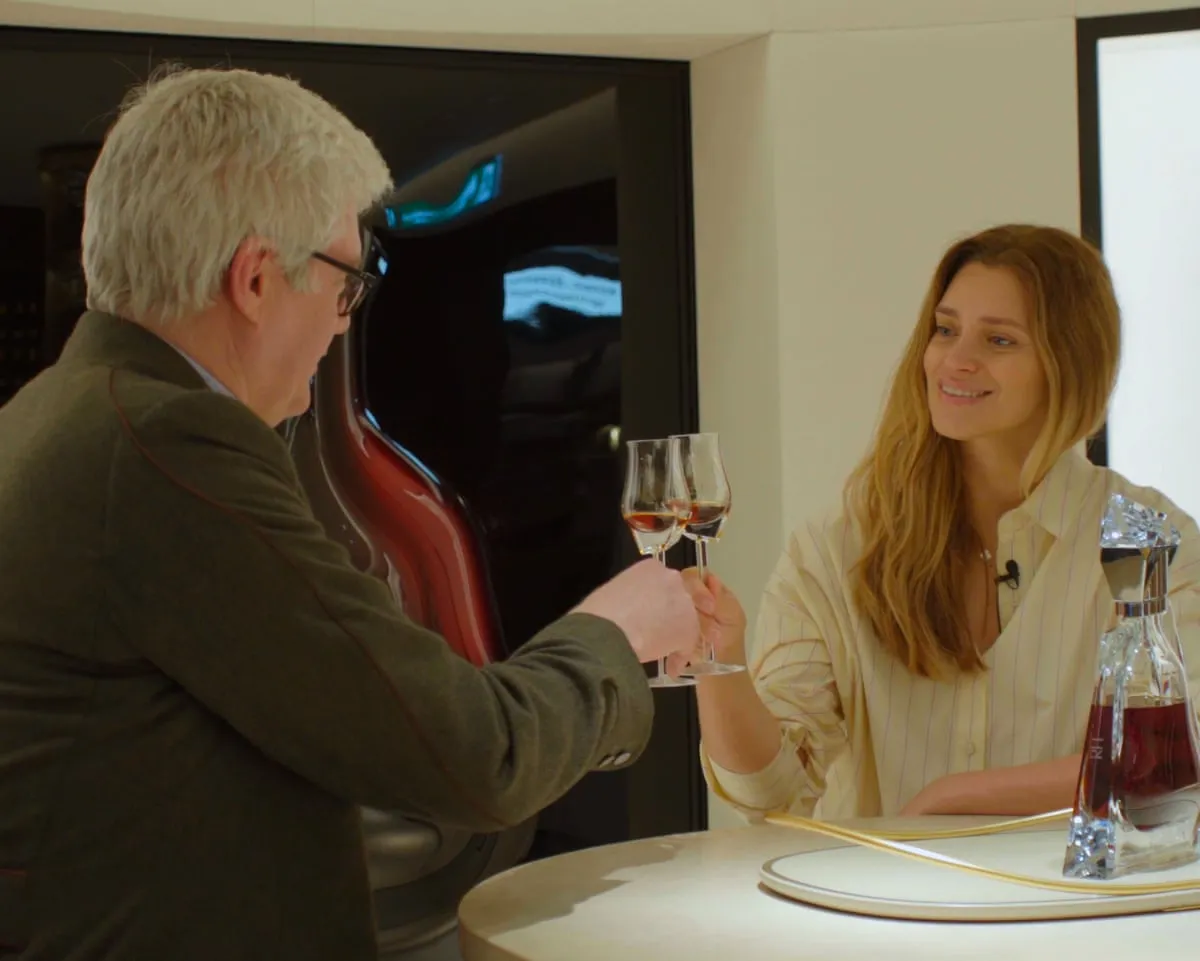
The visual presentation is a significant strength; the cinematography lingers on the majesty of historic chateaux, the geometric perfection of sun-drenched vineyards, and the quiet dignity of distinguished interiors. This visual richness, polished and almost painterly at times, elevates the film beyond a simple educational piece. The narrative is populated by a cast of notable figures whose presence adds layers of authority and charm.
Wine authority Oz Clarke, with his beaming enthusiasm, acts as an accessible expert, decoding the complexities of viticulture for the audience. A particularly noteworthy inclusion is Prince Albert II of Monaco, who speaks not just as a head of state but as a grandson, fondly connecting his mother Grace Kelly’s Mayo ancestry to a love for these creations. This personal touch grounds the grand history in familial sentiment.
The film effectively uncovers the story of the “Wine Geese,” the Irish families who fled to France and established legendary wineries, embedding their legacy into the very soil of Bordeaux. It then broadens its focus to whiskey and cognac, showing how a small island nation became instrumental in defining and refining some of the world’s most iconic spirits.
From Grand Estates to the Local Pub
In its final third, the film executes a significant and telling structural pivot, shifting its focus from aristocratic history to contemporary life. The narrative consciously moves away from the grandeur of sprawling vineyards and luxury destinations like the Ballymaloe House Hotel, with its refined approach to Irish cuisine.
Instead, it anchors itself in the grounded, convivial atmosphere of a London pub, The Devonshire. This change in setting is also a change in cultural frequency. The proprietor, the instantly likable Oisín Rogers, becomes a new focal point. He speaks with an unaffected frankness about his establishment, the craft of pulling the perfect pint, and his own identity as an Irishman thriving in London.
His commentary provides a valuable, modern counterpoint to the historical accounts of the diaspora. Here, the cinematic language changes; the lighting feels warmer, the conversations more spontaneous. The high-minded talk of terroir and vintages gives way to a practical, passionate discussion of beer and stout, featuring an appearance from Rory Guinness himself.
This thematic transition from wine to Guinness is symbolic, contrasting a beverage often associated with class and ceremony with one that represents communal, everyday pleasure. It’s a clever device that reframes Irish influence not just as a relic of the past, but as a living, breathing part of modern culture far from its shores.
Pacing and Final Impressions
The film maintains its amiable and engaging mood for most of its runtime, carried by its visual splendor and the charisma of its subjects. However, its narrative drive slackens noticeably in the final act. The editorial decision to bring back a multitude of earlier contributors for brief, parting thoughts makes the ending feel fragmented and diffuse.
Instead of building to a singular, powerful statement on its theme, the film dissolves into a series of disconnected footnotes, which slightly undercuts the momentum established earlier. For its ninety-minute duration, the picture remains a pleasant experience, though its highly specialized subject matter might test the patience of viewers without a specific interest in oenology or distillation.
The documentary’s approach is consciously and completely celebratory. It chooses to sidestep any difficult questions about the modern alcohol industry or the more painful aspects of the Irish diaspora. While this makes for a consistently upbeat viewing, it also feels like a missed opportunity to provide a richer, more nuanced portrait.
For those curious about the surprising reach of Irish history into their wine cellar, or for anyone who enjoys a well-shot travel film, this is a rewarding and attractive watch. The high quality of the editing and photography are undeniable assets, ensuring the journey is always a pleasure to behold even when the storytelling falters.
A Sip of Irish premiered in the United Kingdom on June 20, 2025, and in France on July 16, 2025.
Full Credits
Director: Frank Mannion
Writers: Frank Mannion
Producers & Executive Producers: Frank Mannion, Swipe Films, Carlow Castle Films, Kasiyan Knockbeg Enterprises, CBS 3AI Motion Picture Fund
Cast: Oz Clarke, Deirdre O’Carroll, Rory Guinness, Sam Neill, JR Ryall, Bo Barrett, Lisa O’Doherty, Oisín Rogers, Joe Hayden, Véronique Dausse, Dermot Sugrue, Peter White, Lilian Barton Sartorius
Director of Photography (Cinematographer): Ernest Talaga, Matt Everett, Mikhail Tiutin
Editors: Charlie Emseis
Composer: James Jones
The Review
A Sip of Irish
A Sip of Irish is a visually sumptuous and charming documentary that successfully showcases the surprising global reach of Ireland's drink-making legacy. It thrives when uncovering fascinating history and introducing charismatic personalities from Bordeaux to London. While its celebratory tone is infectious, the film's narrative loses focus in its final act, becoming a collection of scattered impressions rather than a cohesive conclusion. It remains a highly enjoyable tour for anyone with an interest in the subject, though its appeal might be limited for a broader audience.
PROS
- Stunning cinematography of beautiful international locations.
- Engaging and knowledgeable interview subjects.
- Effectively uncovers little-known historical connections.
- A pleasant and celebratory tone throughout.
CONS
- The final section lacks narrative drive and feels fragmented.
- A niche topic that may not hold the attention of all viewers.
- Avoids deeper, more complex issues related to the industry.