




























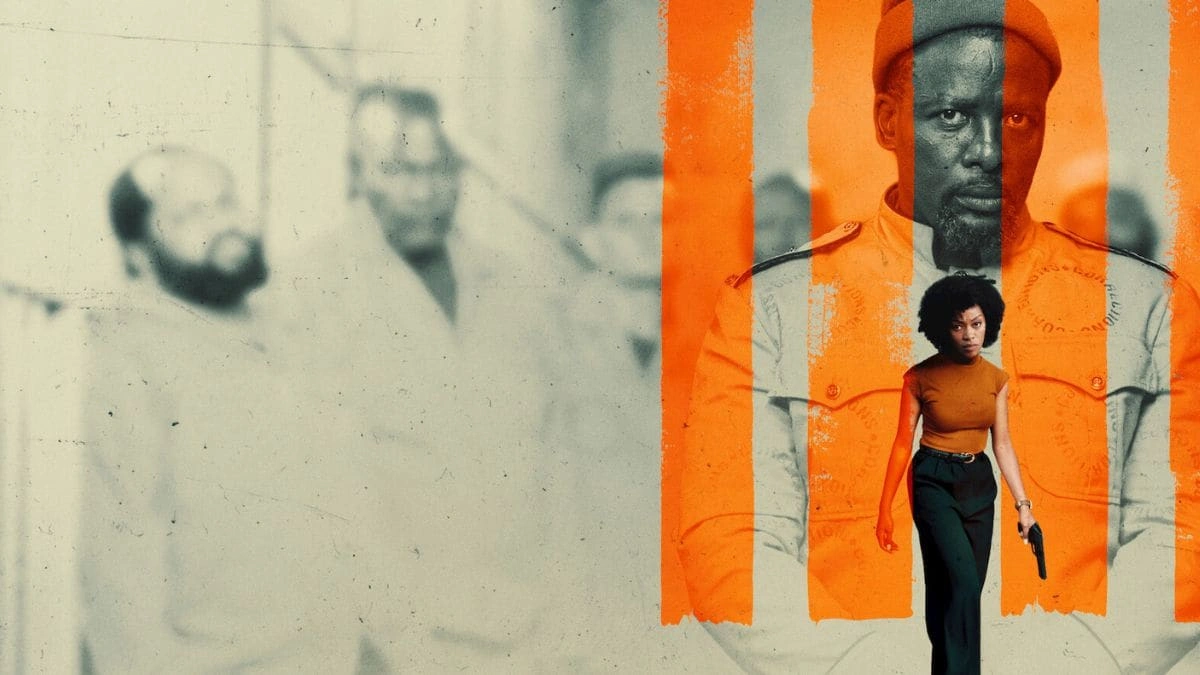

Mbali Dlamini has spent her career prosecuting people who abuse power, so Umthetho gives her a particularly cruel problem: what happens when obeying the law becomes the easiest way to abandon her own family? The South African Netflix thriller places Mbali, played by Nqobile Nunu Gamedze, inside that contradiction almost immediately. Crystal approaches her with information about Moses, Mbali’s older brother, who supposedly died fourteen years earlier. He is alive, imprisoned, and leading Gaz’lam, a gang whose influence stretches well beyond his cell.
The reunion offers little comfort. Moses has built a life Mbali cannot easily reconcile with the brother she remembers, while corrupt warden Agnes Khoza is determined to keep him under her control. Mbali’s younger brother Sphelele creates another point of pressure.
He wants to leave school, work as a chef, and support his pregnant girlfriend Ntombi, yet he soon becomes leverage in a fight he barely understands. That family triangle gives Umthetho its strongest material. The prison conspiracy supplies the machinery. The siblings supply the reason to care about what it does.
One Compromise at a Time
Gamedze’s performance works because Mbali does not transform overnight. Watch how quickly professional certainty gives way to calculation once Moses is placed in solitary confinement. She forges documents connected to an investigation and uses them to pressure Agnes into releasing him back into the general prison population. It is a serious crime committed by someone whose entire identity depends on treating the law seriously. The key is that Mbali can explain the decision to herself.
She is saving her brother from abuse. Then Agnes notices her emotional response when Moses emerges, recognizes the relationship, and turns that mistake into leverage. Mbali is arrested over the forged paperwork, while Detective Bennet Tau threatens to frame Sphelele for drug possession if she refuses to cooperate against Moses.
The script is strongest in these moments because every option costs her something specific. Protect Moses and she compromises her career. Resist Tau and Sphelele may be imprisoned. Cooperate with the authorities and she betrays the brother she has only just discovered is alive.
Gamedze keeps those calculations visible without announcing each one. Her controlled courtroom presence gradually becomes harder to maintain once her professional life and family life occupy the same battlefield. Even small hesitations begin carrying weight because Mbali knows exactly what each crossed line means.
Blood Inside the Walls
Tony Kgoroge gives Moses the opposite kind of presence. He rarely needs the heightened intimidation surrounding him because his calm already suggests authority. At his parole hearing, he turns the proceedings into an accusation against Agnes and the corruption inside the prison. Later, once restored to the general population, he can order action against an informant without losing that composure.
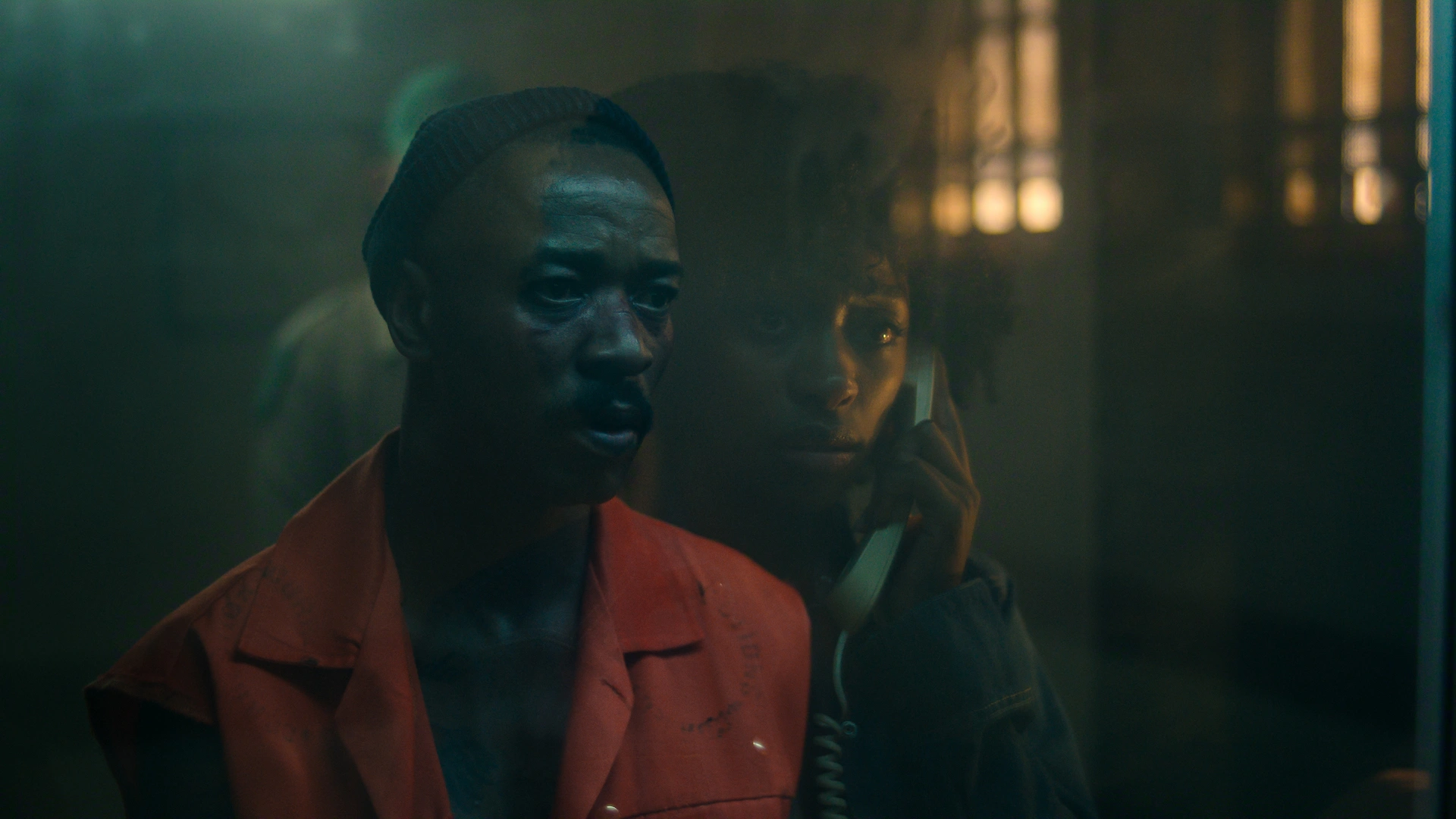
His Gaz’lam motto, “My blood is my brother’s blood,” becomes sharper once Mbali returns to his life. The phrase sounds like gang doctrine, family obligation, and warning at the same time. The prison itself works best when treated as a network rather than a sealed location. Moses can remain physically confined while his decisions reach other inmates and people outside. That choice helps explain why Mbali cannot simply separate her respectable legal world from his criminal one. The walls contain bodies, not influence.
Agnes is less convincing. Sindi Dlathu commits fully to the warden’s cruelty, particularly when Agnes retaliates against Moses for refusing to assist her drug operation, yet the writing frequently pushes her toward caricature. Torture, framing inmates, coercion, narcotics and personal vendettas accumulate until Agnes begins functioning like a concentrated supply of villainy.
The poisoned-orange escape involving Scarra pushes the same tendency further. Umthetho can build credible tension from institutional corruption, then suddenly reach for a plot device that feels imported from a louder show.
Familiar Machinery, Personal Consequences
The series leans heavily on recognizable crime-thriller devices. Mbali becomes an unwilling informant. Tau uses surveillance and blackmail. Prison loyalties shift. Snitches become targets. Threats against relatives create ticking clocks. Once these pieces are positioned, several turns become easy to anticipate.
Some stretches feel like characters are being moved into position for the next betrayal rather than revealing anything new about them. The pace improves when the separate pressures finally collide and Sphelele’s predicament can no longer be treated as a secondary storyline.
Given Stuurman’s Sphelele matters because his ambitions are so ordinary. He wants work, independence and a future with Ntombi. He is not trying to rule a prison or expose a conspiracy. Turning someone like that into a bargaining chip makes Tau’s threat land harder than another violent confrontation would.
The South African setting gives the familiar crime structure a stronger identity too. Official justice, prison authority and gang power keep overlapping until the distinctions between them become increasingly difficult for Mbali to preserve. Her job says one institution represents order. Her experience keeps producing evidence to the contrary.
That is where Umthetho finds its best tension. Mbali can still describe what the lawful choice should be. The harder question is how many people she is prepared to sacrifice to make it.
Umthetho premiered on Netflix on August 14, 2026. The South African crime thriller series follows an idealistic public prosecutor who becomes a double agent within her brother’s criminal syndicate to protect her family.
Where to Watch Umthetho (2026) Online


Full Credits
Title: Umthetho
Distributor: Netflix
Release date: August 14, 2026
Rating: TV-MA
Running time: 45–60 minutes per episode
Director: Mandla N, Johnny Barbuzano, Jonathan Hall
Writers: Jose Domingos
Producers and Executive Producers: Mandla N
Cast: Nqobile Nunu Khumalo, Given Stuurman, Tony Kgoroge, Lorcia Cooper, Ernest Msibi, Molefi Monaisa, Sindi Dlathu, Sthembiso Khoza
The Review
Umthetho
Umthetho is strongest when Mbali’s legal instincts collide with the people she refuses to abandon. Nqobile Nunu Gamedze makes each compromise feel incremental, while Tony Kgoroge gives Moses enough restraint to keep the sibling conflict tense. The prison conspiracy relies on familiar betrayals, and Agnes sometimes slips into caricature, yet the family drama gives those mechanics real weight. I especially liked how Sphelele turns Mbali’s moral problem into something painfully practical: following the rules can hurt the people she is trying to protect.
PROS
- Nqobile Nunu Gamedze’s controlled lead performance
- Strong Mbali and Moses dynamic
- Effective sibling conflict
- Later storylines collide effectively
- South African setting gives the thriller identity
CONS
- Familiar crime-thriller plotting
- Agnes can feel cartoonishly villainous
- Some predictable betrayals
- Uneven pacing through the middle
- English dub weakens performances