




























For most young people today, social media is not a choice; it is the landscape. It is the schoolyard, the mall, and the public square all at once. The documentary Can’t Look Away: The Case Against Social Media starts from this premise, not to scold, but to investigate.
It examines the darkest corners of this digital world, presenting a stark argument that these platforms are not passive conduits for communication. Instead, the film argues they are environments with design flaws that can lead to profound, real-world harm.
The story unfolds through the experiences of two groups: the families left to pick up the pieces after tragedy, and the lawyers at the Social Media Victims Law Center who have taken on the monumental task of demanding accountability from tech corporations. The film immediately poses a difficult question that hangs over every frame: when the digital world causes tangible suffering, who is responsible?
The Mechanics of Misery
Can’t Look Away structures its argument with the precision of a prosecutor building an airtight case. Its central thesis is that tech companies knowingly engineered systems that prioritized profit-driving user engagement above user safety. The film’s most potent narrative tool is its direct comparison of these companies to the tobacco industry.
This analogy is powerful not just because it implies harm, but because it evokes a specific history of corporate denial and the deliberate misleading of the public for decades. Where a film like The Social Dilemma opted for slick, dramatized vignettes to explain its concepts, Can’t Look Away anchors its message in raw, journalistic evidence and personal testimony.
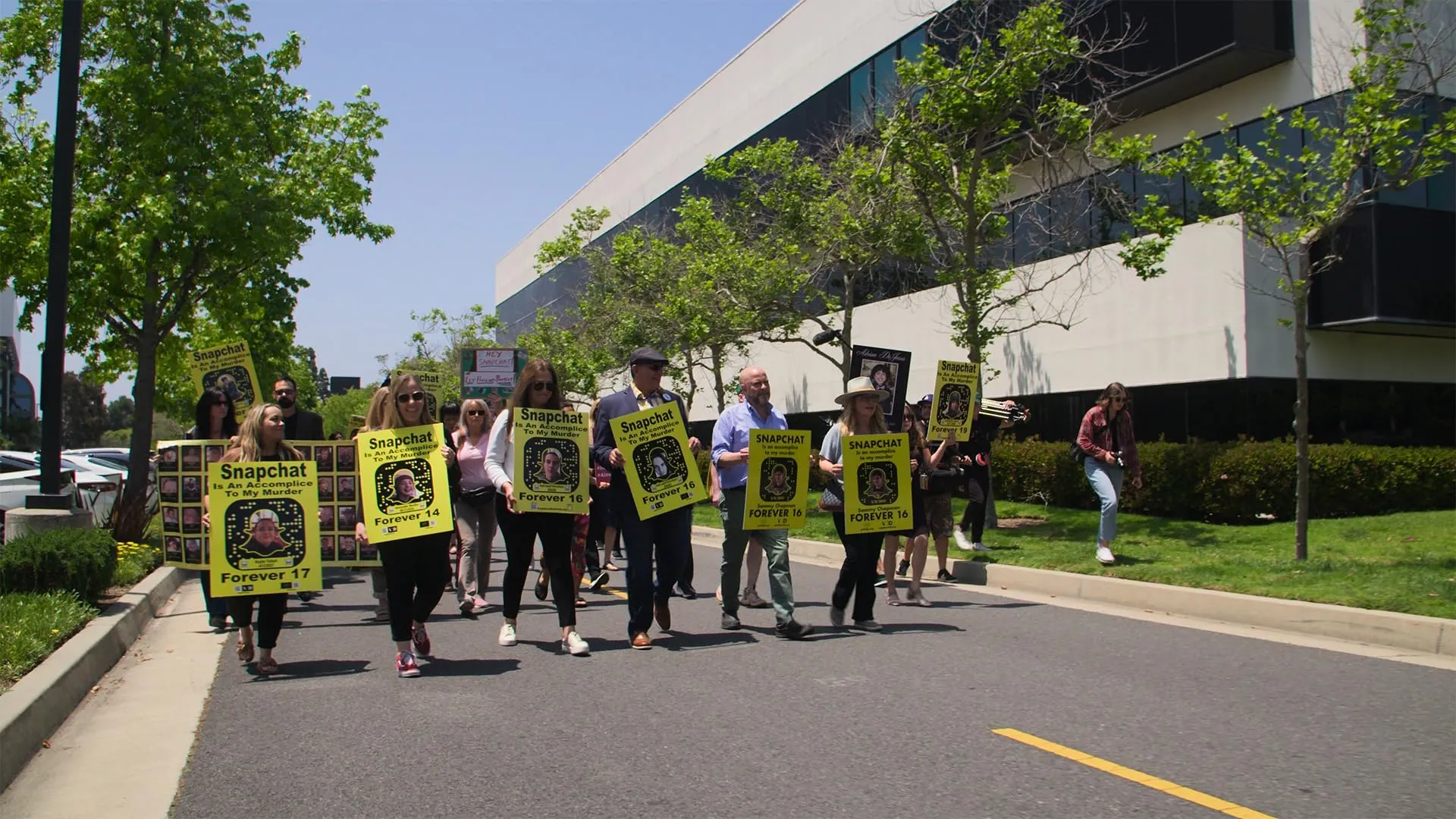
It methodically presents the consequences of platform design through harrowing, specific examples. We learn how Snapchat’s core mechanic of ephemeral messaging was allegedly exploited by drug dealers, creating a marketplace for fentanyl-laced pills that offered dealers a shield of anonymity.
The documentary details the devastating impact of “sextortion” schemes targeting vulnerable teens. It also explores how platform algorithms, designed only to maximize the time a user spends on site, can amplify content promoting self-harm or eating disorders, creating a feedback loop for those in crisis. The film uses internal documents to argue this was a known risk, a dangerous side effect of the engagement-driven model that was deemed an acceptable cost in the relentless pursuit of growth.
Challenging the Code
The documentary’s central conflict, the source of its narrative tension, is a legal one. The film’s primary antagonist is not a CEO but a piece of legislation: Section 230 of the Communications Decency Act. The filmmakers do an excellent job explaining this rule, framing it as a nearly impenetrable shield built in 1996 to protect a nascent internet.
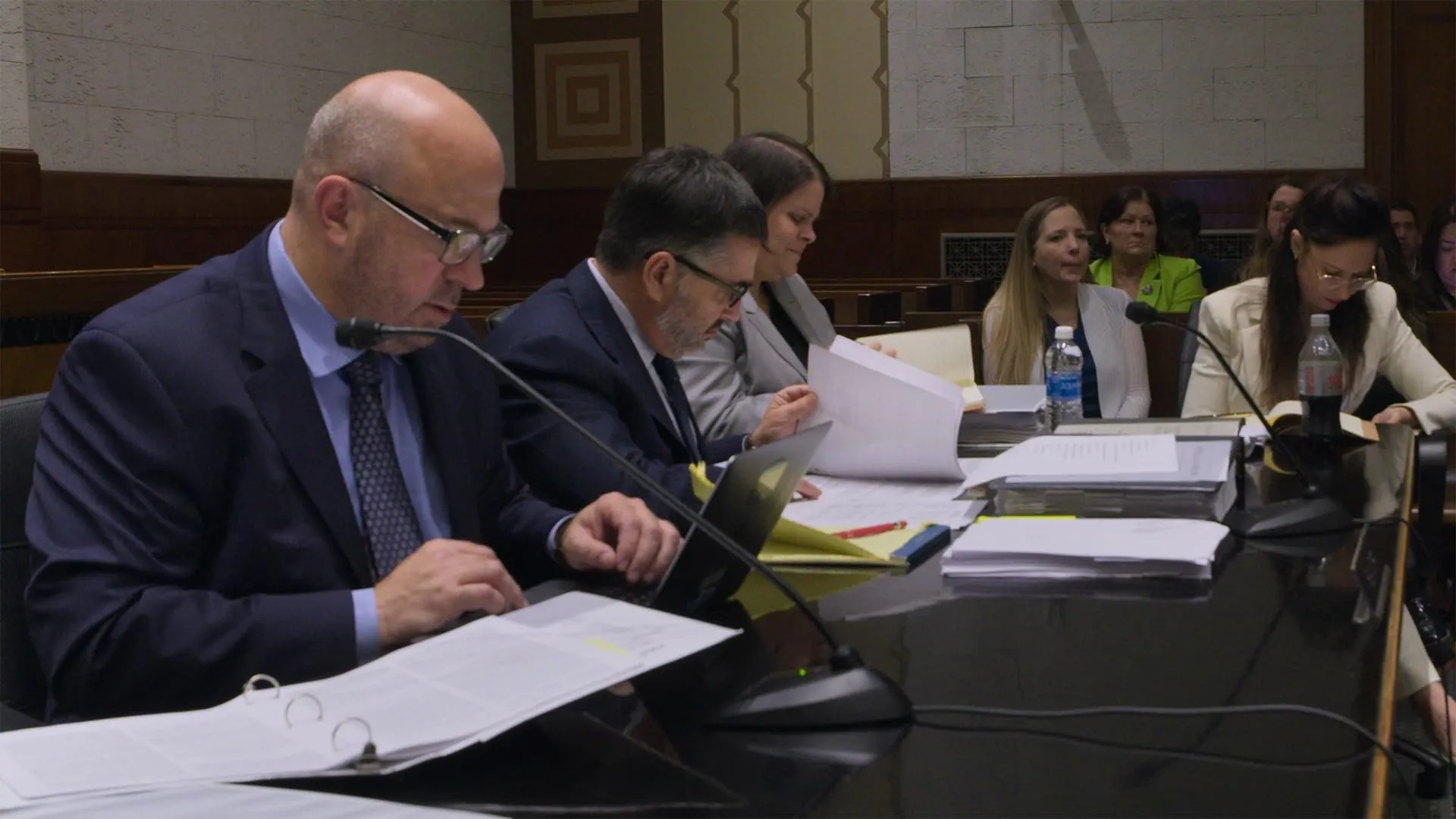
It shows how this law now protects modern tech goliaths from liability for what users post. In this story, the role of the underdog protagonist is filled by the Social Media Victims Law Center. Like the investigative teams in films such as Spotlight or Dark Waters, they are a small, determined group confronting a massive, well-funded system.
The film’s pacing here is deliberately methodical, mirroring the slow, often frustrating reality of the American legal system. It follows the painstaking process of building a case, not through dramatic courtroom outbursts, but through the careful parsing of legal language.
The lawyers argue that platforms are not just neutral bulletin boards; they are the designers of a product, and that product’s features are causing harm. The victories shown are not sweeping cinematic triumphs that solve everything.
Instead, they are small, procedural wins, like a judge agreeing to not immediately dismiss a case. This narrative choice effectively underscores the immense scale of the challenge, portraying the fight for accountability as a long, arduous campaign.
A Powerful Case, A Complicated Cure
As a piece of advocacy, Can’t Look Away is undeniably effective. Its persuasive power is rooted in the unfiltered, emotional stories of families who have suffered unimaginable loss. The film uses these accounts to construct an urgent and compelling argument for immediate change. Yet its single-minded focus invites necessary questions.
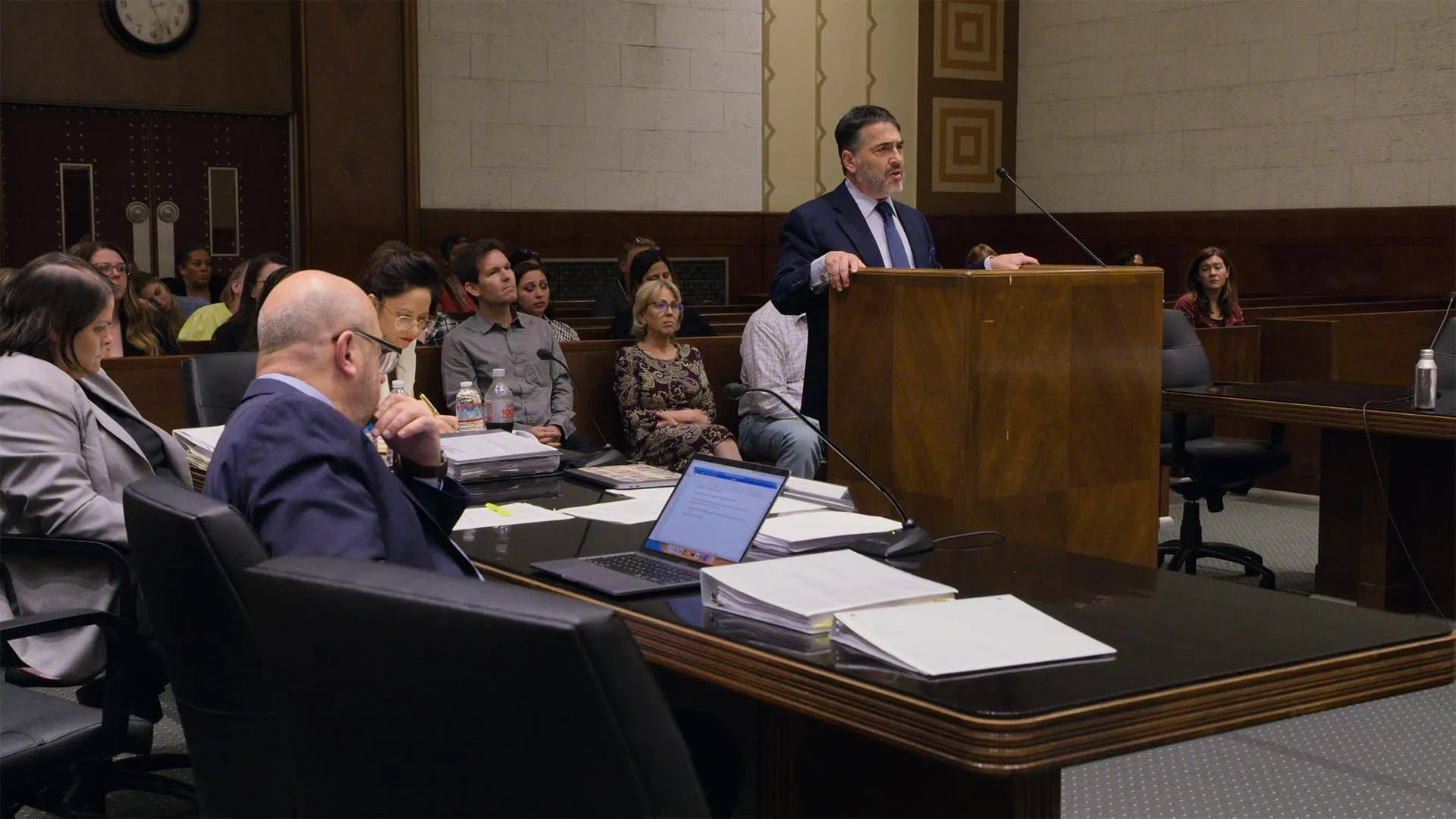
By placing the blame so completely on the platforms, the film largely sidesteps complex conversations about personal responsibility, parental oversight, or the motivations of the individuals who actually perpetrate the scams and the bullying. The solutions the documentary champions, mainly the repeal of Section 230, are presented as a clear and righteous path forward.
The film does not dedicate time to exploring the complex, unintended consequences of such a fundamental change to the internet’s architecture. Removing this legal shield could create a new set of problems, potentially forcing platforms to censor speech aggressively to avoid liability.
This might silence important voices and make it harder for smaller online communities to exist. The documentary serves as a potent and necessary warning. It powerfully identifies a severe problem in our modern world, but the cure it champions remains part of a deeply complex and unresolved debate about the future of online life.
“Can’t Look Away: The Case Against Social Media” is a documentary that was released on April 4, 2025. It is available for streaming on Jolt and across Bloomberg’s media platforms. It was also premiered at the Cameo Cinema in St. Helena on May 8, 2025.
Full Credits
Director: Matthew O’Neill, Perri Peltz
Producers: Matthew O’Neill, Perri Peltz, Anna Casper, Olivia Carville
Executive Producers: Kristin Powers
Cast: Laura Marquez-Garrett, Glenn Draper, Matthew Bergman, Brandy Roberts, Toney Roberts, Marsha Blackburn, Richard Blumenthal, Jennie Deserio
Director of Photography (Cinematographer): Jeff Arak, Kyle I. Kelley, Taylor Krauss
Editors: David Meneses
Composer: Jonathan Zalben
The Review
Can't Look Away: The Case Against Social Media
Can't Look Away is a potent and necessary piece of public-interest filmmaking. It powerfully humanizes the victims of online harm and builds a compelling, emotional case for corporate accountability. Its primary strength is its focused, journalistic approach to exposing a severe problem. The documentary falters, however, by presenting an overly simplistic solution, failing to meaningfully engage with the complex counterarguments or the potential negative consequences of the legal changes it champions. It serves as an essential, if one-sided, opening statement in a much larger and more difficult conversation about the future of our digital lives.
PROS
- Builds a powerful emotional argument through the personal stories of victims' families.
- Clearly explains the complex legal shield of Section 230 and its role in the debate.
- Effectively argues for the need for greater corporate responsibility from tech companies.
- Functions as a vital and sobering warning about the hidden dangers of social media.
CONS
- Offers a one-sided perspective that largely overlooks personal accountability.
- Does not explore the potential downsides of its proposed solutions, such as increased censorship.
- The singular focus on blaming platforms can simplify a multifaceted issue.
- Its cinematic style is more functional and journalistic than artistically inventive.