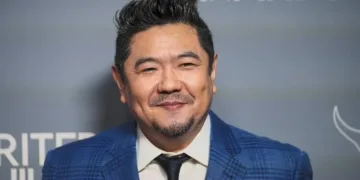







Michel Franco used a Sarajevo masterclass to argue that the threats keeping him up at night are political, not technological, saying he is “more worried about fascism than AI” while hinting at a new nonfiction project already in the edit. The filmmaker, in town for an outdoor screening of his Berlin-premiered drama Dreams, told audiences he sees the rise of authoritarian currents as a more immediate concern for artists than generative tools, even as the industry debates how automation intersects with craft and labor.
Franco also said he has been working quietly on a feature documentary shot in Poland and is now in post-production. In a recent conversation flagged by festival-watchers, he described the process as humbling and confirmed he is editing, with details under wraps and no release window yet. The project would mark a rare foray into nonfiction for the Mexican writer-director, whose fiction films often probe social pressure, power and moral ambiguity.
The visit doubled as a homecoming of sorts. Festival materials note Franco’s long relationship with the event, where he has previously received the Honorary Heart of Sarajevo; this year’s stop included a masterclass and an Open Air presentation of Dreams, starring Jessica Chastain, on the city’s Skenderija stage. The festival’s industry arm is simultaneously foregrounding documentary initiatives and new-technology conversations, providing a backdrop for Franco’s remarks about the relative risks of AI and the politics shaping public life.
Franco’s comments land amid divergent viewpoints within cinema. Some filmmakers and guilds have urged strict guardrails on synthetic media, citing worries about deepfakes and displacement; others, like Franco, frame new tools as manageable against broader democratic erosion. His own slate underscores that tension: keeping focus on human behavior in scripted work while testing documentary form for a subject he has not yet disclosed. For a director who says he prefers small, fast shoots and writing routines that prize discipline over scale, the next question is how a vérité approach will translate his exacting sensibility into nonfiction.