













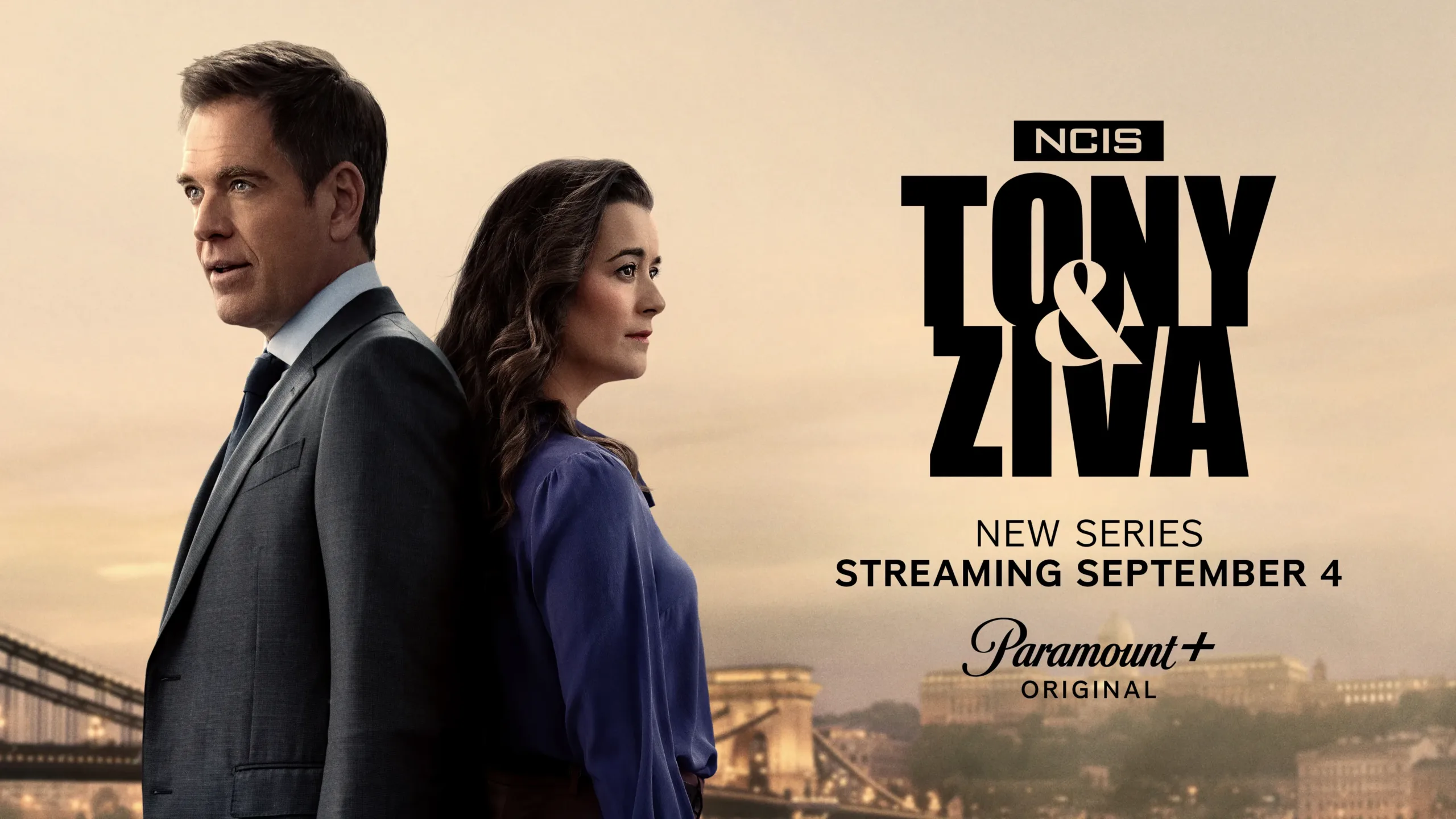

The morning light in a Parisian apartment catches dust motes dancing in the air, a picture of domestic tranquility. This quiet is what Tony DiNozzo and Ziva David have been building, a life with their daughter Tali far from the orange walls of the NCIS bullpen. A decade has passed since these characters, foundational figures in a television dynasty, last shared a screen.
Ziva is still acclimating to life after being presumed dead, while Tony manages a private security firm. Their hard-won peace is fleeting. The illusion shatters when Tony’s company is used to funnel hundreds of millions of euros, framing him for a crime he did not commit. This digital attack triggers a violent, physical one, forcing the family into a life they thought they had escaped. They are on the run again, hunted by forces they cannot see and former allies they can no longer trust.
Ghosts in the Machine of a Family
The chemistry that once defined Tony and Ziva’s partnership has not vanished; it has curdled into something more complex and weary. The spark of workplace flirtation is gone, replaced by the friction of co-parenting under immense stress, a dynamic born from a history too heavy to be carried lightly.
Michael Weatherly and Cote de Pablo return to their roles with the weight of that unwritten history etched into their faces, their interactions colored by years of separation and the shared responsibility for their daughter, Tali.
They are bound together by their child and a litany of shared traumas, their relationship a constant negotiation between past affection and present danger. The show presents them not as a settled couple, but as two people whose profound connection is both a strength and a liability. Their shorthand, once a source of amusement, is now a tool for survival.
Tony’s signature humor is still present, a familiar shield against a hostile world. Yet it has been reshaped by his experiences, now serving as a defense mechanism for a father terrified of losing everything. The wisecracking agent, a persona honed over years of deflecting emotional sincerity, has been tempered by the sober realities of fatherhood and business ownership.
He is more patient, his focus narrowed to the immediate safety of his family. The old instincts for survival, however, lie just beneath the surface, resurfacing with lethal precision when Tali is threatened. Weatherly finds a new gravity in the character, allowing the cracks in Tony’s cheerful facade to show, revealing a man who understands the cost of violence.
Ziva’s psychological state is a study in contained anxiety. Years spent in hiding have made her a phantom in her own life, a woman performing normalcy for a daughter she barely knows how to mother in peace. Her training as a Mossad agent is a permanent shadow, informing every guarded glance and paranoid impulse. She assesses every room for threats and teaches her daughter situational awareness with an urgency that feels both protective and tragic.
The show portrays her struggle to reconnect with Tali as a quiet, internal battle, a fight to suppress the instincts that kept her alive but now threaten to isolate her. De Pablo conveys this inner turmoil with a powerful stillness, her performance suggesting a deep well of off-screen experience that makes Ziva’s return feel earned instead of simply rehashed for plot convenience.
The European Gambit
NCIS: Tony & Ziva abandons the procedural formula of its parent show for a serialized spy thriller that stretches across the season’s ten episodes. The plot is a single, continuous thread: a desperate cat-and-mouse game across the European continent. This structure fundamentally alters the viewing experience.
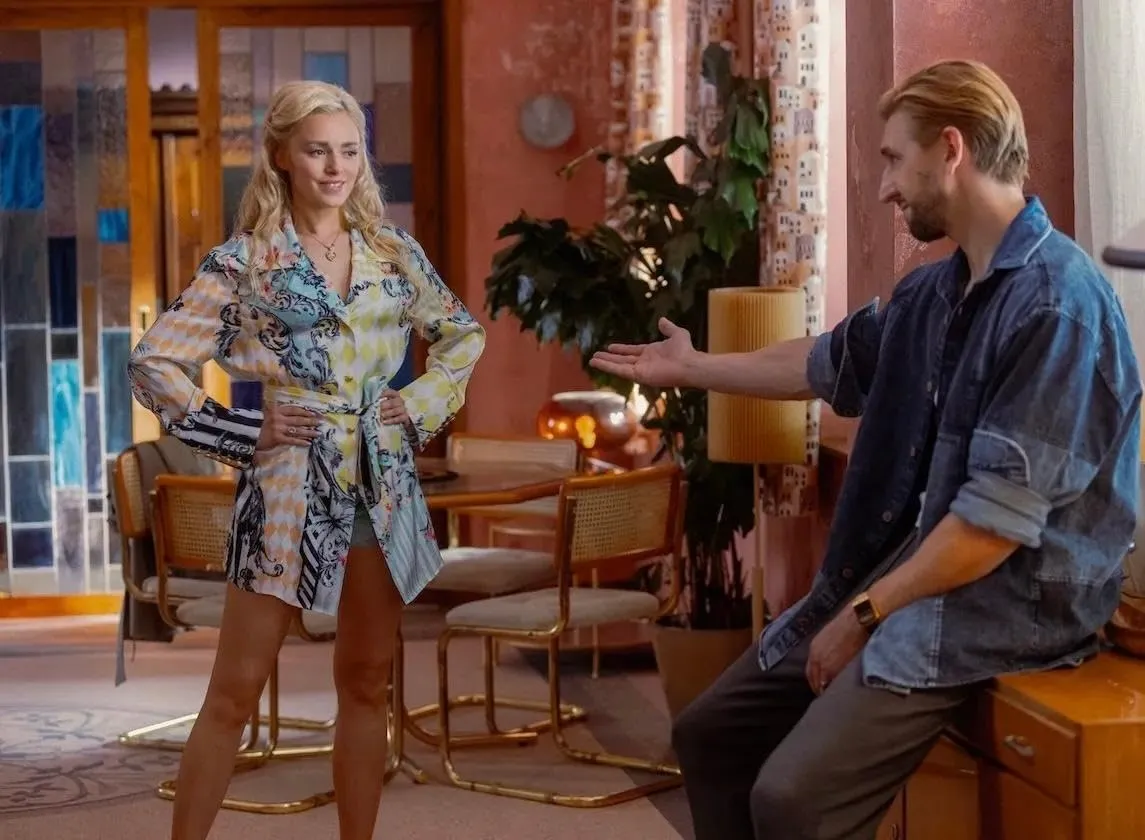
Without the reset of a weekly case, the consequences of each choice accumulate, tightening the net around the fugitive family and allowing for a deeper exploration of their deteriorating options. Each episode builds directly on the last, giving the narrative a propulsive energy and a sense of escalating stakes that the original series, with its episodic nature, could seldom achieve.
The story frequently cuts from the present-day chase to flashbacks set in 2020, moments that fill the narrative gaps of Ziva’s initial, tentative return to the family. These glimpses of their attempt at a normal life, fraught with their own tensions, provide a stark, poignant contrast to their current predicament. They are not just running from a faceless enemy; they are running from the ghost of a life they almost had.
The action itself is grounded and visceral, favoring tense hand-to-hand combat and frantic chase sequences over large-scale spectacle. The violence is efficient and often brutal, reflecting the characters’ professional backgrounds. Fights are not choreographed ballets; they are messy, desperate struggles for survival in cramped apartments and anonymous alleyways. The show finds moments for high-tech invention, like a memorable encounter with an army of self-driving cars that serves as a clever metaphor for their loss of control.
The action scenes are effective because they are always rooted in character. Ziva’s movements are economical and deadly, a product of her training, while Tony’s are more improvisational, a reflection of his street smarts. The violence is never gratuitous; it serves to underscore the constant, credible threat that looms over the family and their frantic efforts to stay one step ahead.
A Continent of Strangers and Shadows
The shift to a European setting does more than offer picturesque backdrops of Paris or the Riviera. It is a strategic narrative choice that strips the characters of their support system, amplifying their isolation and forcing them to operate outside of any institutional framework.
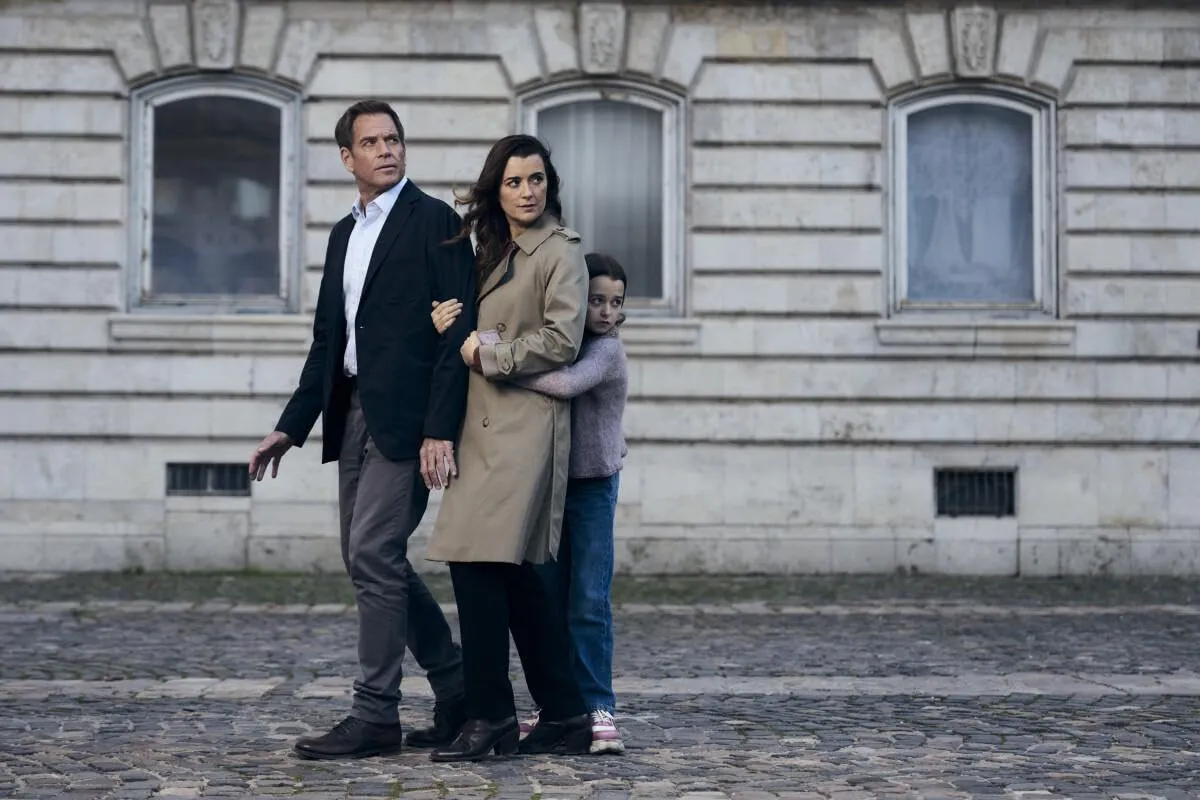
Away from the familiar halls of NCIS and the resources of the American government, Tony and Ziva are truly on their own, a small family unit against a continent of unknowns. The grand boulevards and historic architecture become an indifferent stage for their flight, the beauty of their surroundings a constant, ironic counterpoint to the ugliness of the hunt.
Cinematography emphasizes this, often framing the characters against sprawling cityscapes to highlight their smallness, or trapping them in the tight confines of a train car to create a sense of claustrophobia.
The antagonists reflect this new world of moral ambiguity. The primary villain, Martine, is a relentless pursuer, an external force of pure opposition who represents the lethal efficiency of the organization they are up against. A more nuanced and interesting threat comes from a former friend at Interpol, a man they once trusted who is now leading the effort to capture them.
His betrayal introduces a potent element of personal grievance into the conflict, suggesting that in their former world, loyalties were always transactional and alliances were matters of convenience. This complication forces Tony and Ziva to question their own past judgments and the very nature of the system they once served.
Along their path, they find tenuous alliances with a small supporting cast of characters, old contacts and new acquaintances drawn into their orbit. These figures, from tech specialists to underworld figures, are integrated effectively into the narrative, serving as temporary safe harbors in a world that offers none. Maximilian Osinski and Amita Suman provide capable support, expanding the world without distracting from the central family drama.
The Currency of Nostalgia
A concise recap opens the series, a perfunctory gesture of welcome to viewers who may have missed a decade of NCIS lore. The show attempts a difficult balance, catering to the deep emotional investment of longtime fans while remaining accessible as a standalone thriller.

The story’s weight, however, is carried almost entirely by the characters’ extensive history, a backstory that informs every loaded silence and shared glance. The core appeal of the series is its function as a resolution, a fulfillment of a story that a dedicated audience has wanted to see for years. Some plot devices, like a conspicuously teased wedding, feel engineered to play on audience expectations for a romantic payoff, a direct manipulation of the hope for a conventional happy ending.
This raises a central question about the show’s intent and its place in the current landscape of television revivals. Does it offer a meaningful new chapter for these characters, or is it a carefully constructed exercise in nostalgia, content to replay the hits? The answer lies somewhere in between. By placing Tony and Ziva in the crucible of parenthood and stripping away their institutional safety net, the series finds a genuine reason to exist beyond simple fan service.
It explores what happens after the happily-ever-after was presumed, suggesting that for people with their violent pasts, survival is a story without an end. The show’s true justification may be its willingness to examine the long tail of trauma and the difficulty of building a future when the past refuses to stay buried, a subject the original procedural format could never fully accommodate. It gives these legacy figures a chance to evolve, even as it delivers the familiar comforts their audience expects.
Full Credits
Writers: John McNamara, Jay Gard, Shelley Meals, Mike Moore, Alex Raiman, Joseph Mireles, Sarah Moen, Kiersten Stanley, Christina Strain.
Producers and Executive Producers: Johannes Schwerdt (Co-Producer), David A. Rosemont, Gergö Balika, Noemi Palmés, Michael Friedl, Zara García-Delgado (Producers), John McNamara, Michael Weatherly, Cote de Pablo, Mairzee Almas, Laurie Lieser, Christina Strain, Shelley Meals (Executive Producers).
Cast: Michael Weatherly, Cote de Pablo, Isla Gie, Amita Suman, Lara Rossi, James D’Arcy, Maximilian Osinski, Terence Maynard, Julian Ovenden, Nassima Benchicou, Emmanuel Bonami, Anne-Marie Waldeck, Velibor Topic, Christian Caner, Caroline Boulton, Josh Burdett, Peter Arpesella, Robert Goodman, Marco Lascari, Lauren Alexandra, Matt Barkley, Ulli Ackermann, Joe Horn, Alessandro Sparta, Kevin Ezekiel Ogunleye, Sheima Alnour-Ibrahim, Daniel Kobbina.
Director of Photography (Cinematographer): Steve Lawes, Tarin Anderson, Corey Robson.
Editors: Josh Beal, Troy Takaki.
The Review
NCIS: Tony & Ziva
NCIS: Tony & Ziva successfully resurrects two beloved characters by placing them in a sharp, serialized spy thriller that justifies their return. While its emotional depth is most accessible to longtime fans, the series offers a mature evolution of its central relationship, grounded by strong performances and a tense, European setting. It smartly trades procedural comfort for a propulsive, high-stakes family drama that feels both nostalgic and necessary.
PROS
- Mature and complex development for the lead characters.
- Engaging shift from a procedural to a serialized thriller format.
- Strong chemistry between the lead actors enhances the dynamic.
- The European setting provides a fresh atmosphere of isolation and intrigue.
CONS
- Full emotional impact is heavily dependent on prior series knowledge.
- Some plot elements feel specifically engineered to satisfy fan expectations.
- New supporting characters are functional rather than memorable.