














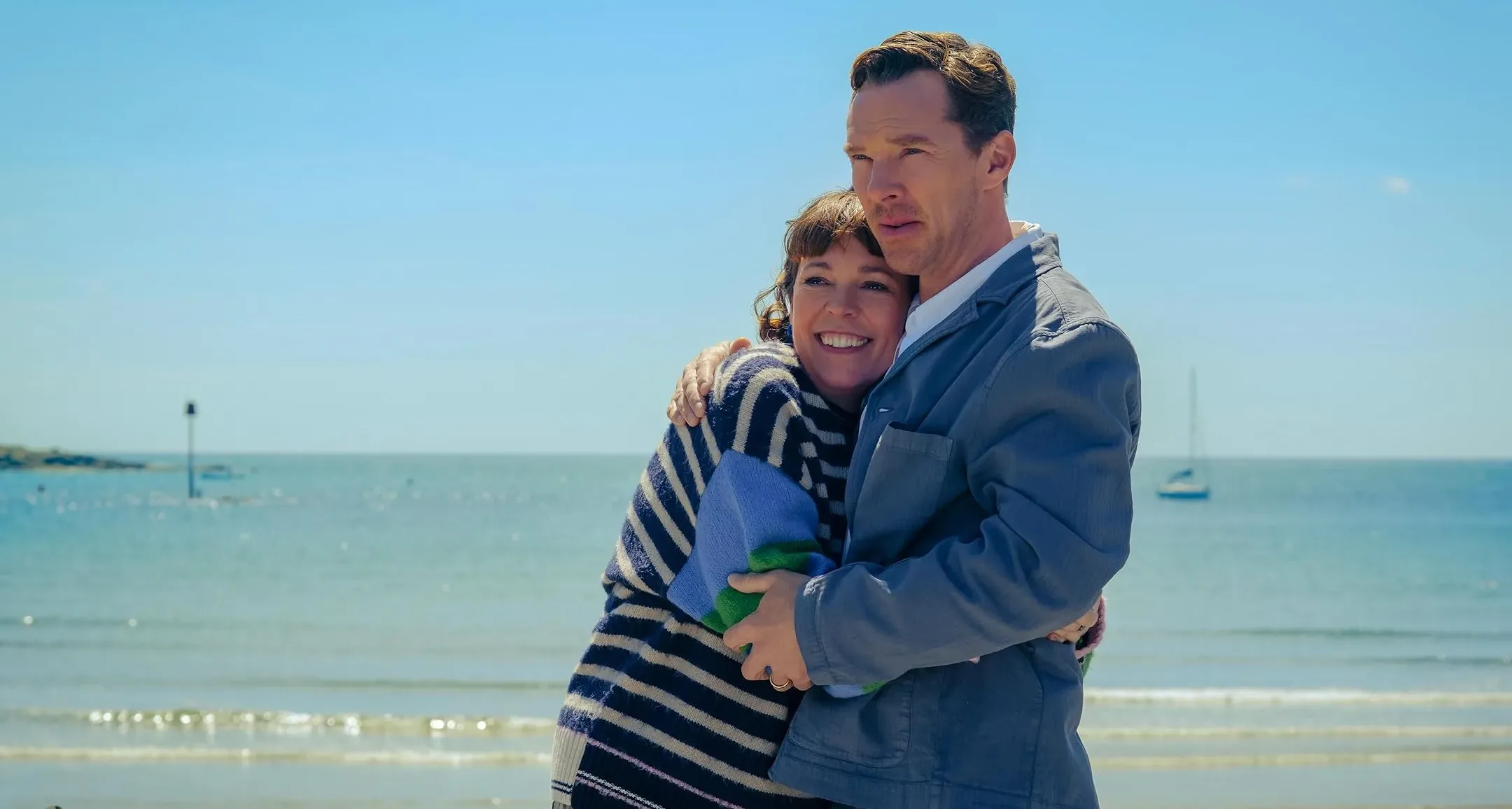

“Are you even allowed to say that?” Theo Rose asks his therapist, genuinely perplexed. The therapist has just declared his marriage to Ivy irreparable, a diagnosis delivered with the finality of a death sentence. It is in this moment of shared shock that The Roses finds its darkly comic spirit.
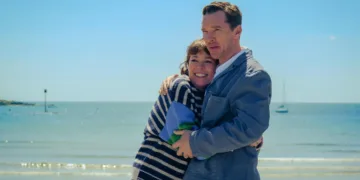
The film charts the spectacular implosion of a relationship, gleefully exploring the razor-thin line between passionate love and venomous hate. Olivia Colman’s Ivy and Benedict Cumberbatch’s Theo are a couple whose brilliant, sardonic minds once made them a perfect match.
The story becomes a forensic examination of how those same minds, sharpened by years of intimacy, can be turned into devastating weapons against each other. What follows is a sleek, modern comedy of annihilation, powered by lacerating dialogue and a disquieting sense of glee in its own acts of marital sabotage. It is a story as uncomfortable as it is hilarious.
The Architecture of Resentment
The film’s narrative begins inside that sterile therapist’s office, a room where years of unspoken animosity have calcified into a shared, silent contempt. From this endpoint, the story rewinds to a London restaurant kitchen, the site of a prickly meet-cute built on instant, acerbic chemistry.
One impulsive decision follows another, and ten years later, Ivy and Theo are entrenched in a sun-drenched California life, complete with two children and a beautiful home. Theo is a celebrated architect, an artist of glass and steel on the verge of unveiling his masterpiece, a maritime museum.
Ivy, a gifted chef, has scaled down her ambitions, channeling her culinary creativity into elaborate desserts for her children and the quiet management of their domestic world. Their dynamic is a portrait of modern success, built on a foundation that seems unshakable.
Then comes the storm. In a single night of torrential rain, a freak weather event demolishes Theo’s crowning achievement, sending his career and self-worth into a tailspin. Simultaneously, that same storm strands an influential food critic at Ivy’s floundering seafood restaurant, resulting in a rave review that launches her into the culinary stratosphere.
This abrupt and total reversal of fortunes is the film’s narrative engine. Theo’s identity as the successful provider is shattered, his ego left in ruins. Ivy is thrust into a new world of magazine shoots, television appearances, and a burgeoning restaurant empire. The film meticulously explores the corrosion that follows. Theo’s resentment festers, redirected into an obsessive, almost militaristic campaign to mold their children into elite athletes.
He cannot exist as a supportive partner in the shadow of his wife’s ascendant star. Ivy, for her part, embraces her new life, but her professional ambition creates an ever-widening gulf between her and her family. The story evolves into a sharp commentary on the brittle nature of gender roles and the difficulty of containing two sizable ambitions within a single partnership.
Perfectly Matched Combatants
The film’s entire emotional weight rests on the shoulders of its two leads. The caustic chemistry between Colman and Cumberbatch is the essential asset that makes the enterprise function, lending deep credibility to their initial lightning-strike romance and their eventual scorched-earth warfare.
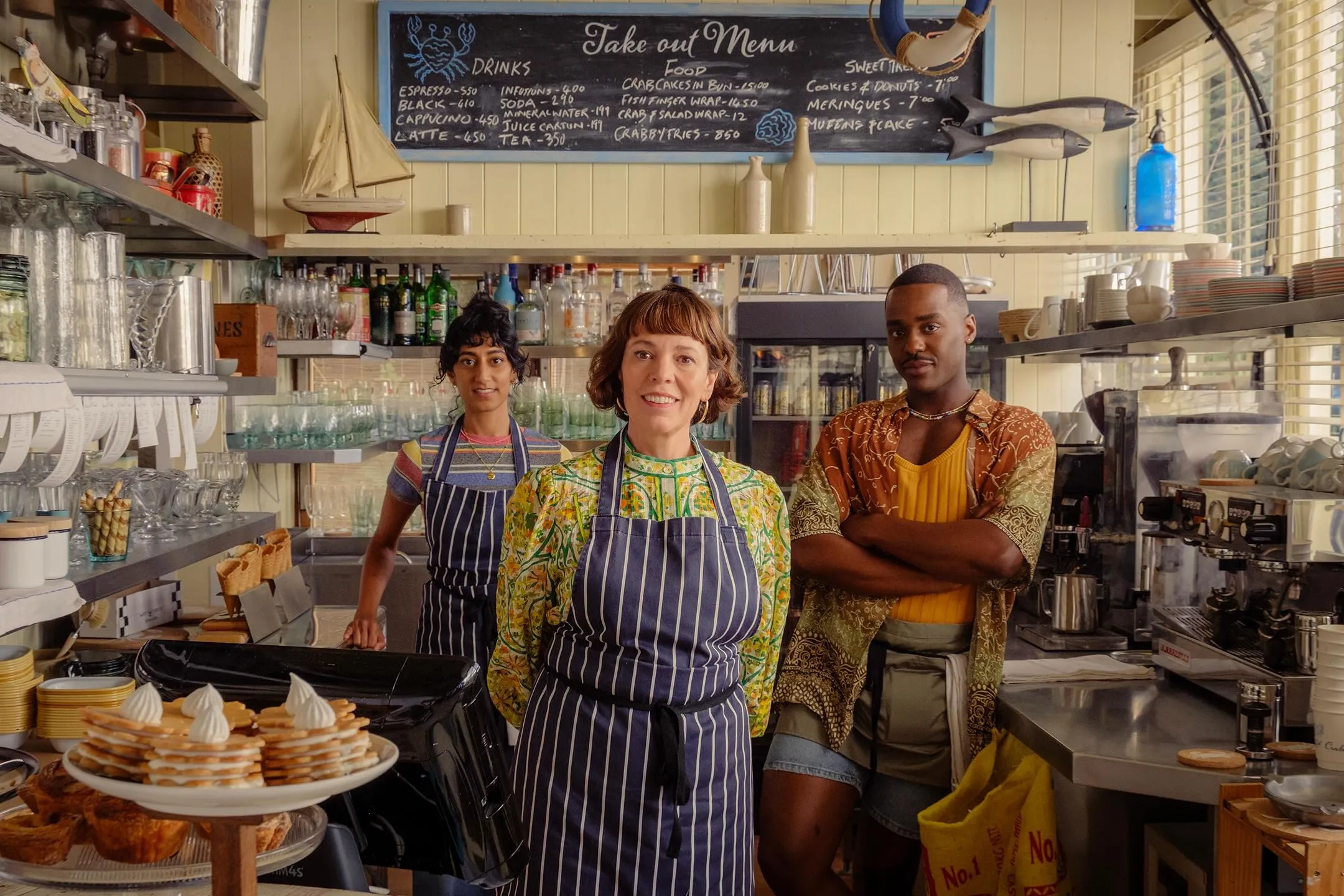
Colman is a master of her craft, delivering Tony McNamara’s exquisitely profane dialogue with an unmatched dexterity. She conveys Ivy’s burgeoning ambition and deep-seated frustration from beneath a veneer of affable warmth, making her transformation both believable and profoundly unsettling. Her line readings can turn from sweet to menacing on a single syllable.
Cumberbatch delivers a career-best comedic performance, embodying Theo’s wounded pride with a tightly-wound physicality that speaks volumes. His posture deflates as his status does, and his eyes burn with a self-loathing that is palpable. Their performances create a fascinating moral ambiguity; both characters are so deeply and recognizably flawed that choosing a definitive side becomes impossible for the audience.
Around this central duel, a talented ensemble of comic actors is largely squandered. Andy Samberg, Kate McKinnon, Zoë Chao, and Jamie Demetriou are given one-dimensional roles that feel imported from a broader, sillier movie. Their humor, often reliant on caricature, sometimes seems out of sync with the sophisticated cruelty of the main conflict.
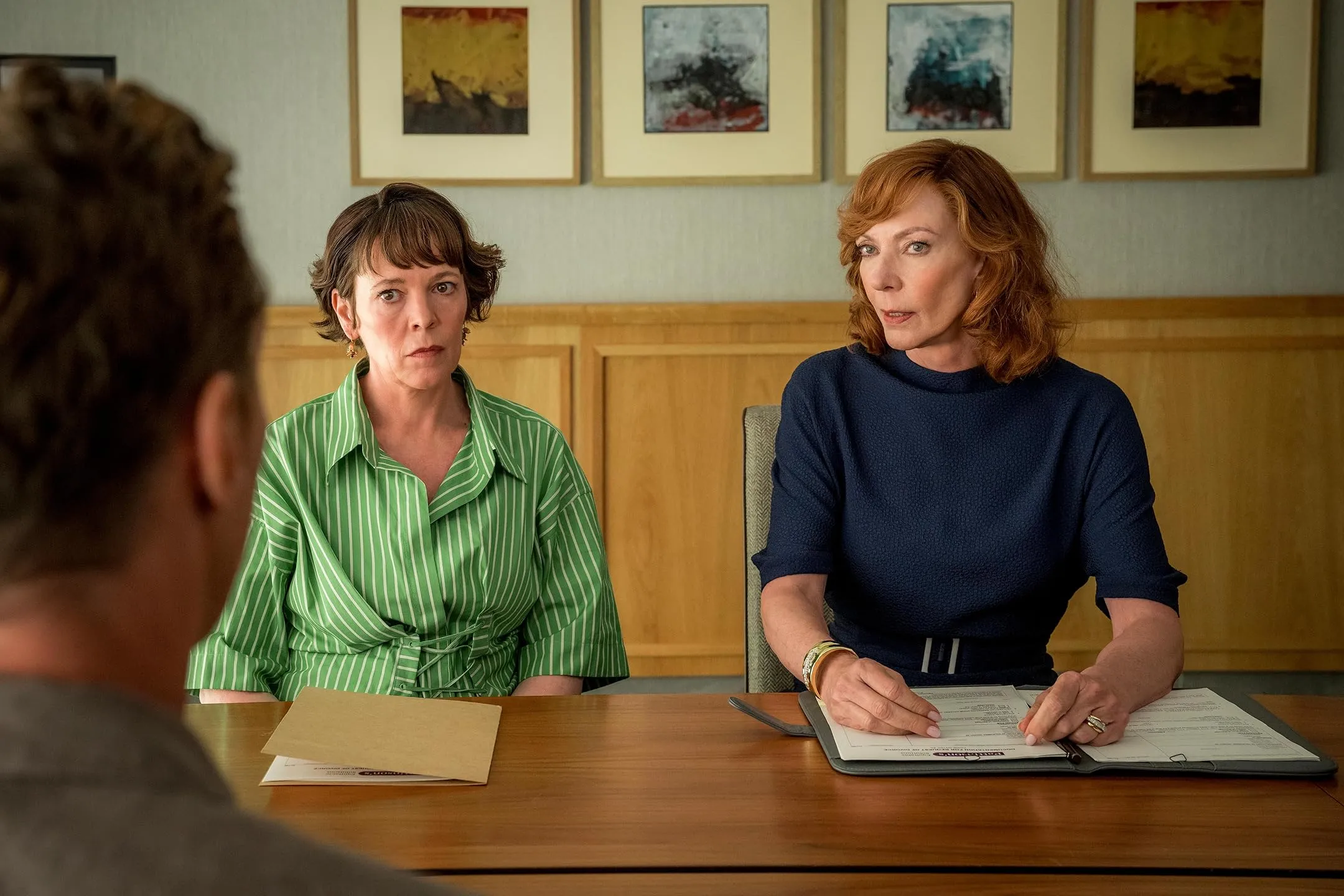
The spectacular exception is a brief, brilliant appearance by Allison Janney as Ivy’s divorce lawyer. In a single, unforgettable scene, she arrives like a force of nature, a shark in expensive clothing, and steals the entire film with a delivery so sharp and intimidating it could draw blood.
The Pen and the Camera
The true star of The Roses is Tony McNamara’s screenplay. The dialogue is a masterwork of sophisticated spite, each line a perfectly crafted barb designed for maximum damage. It possesses the same literary venom and historical wit seen in his work on The Favourite and Poor Things, yet it is applied here to the very modern battlefield of a California divorce. The script finds a difficult balance, mining the genuine tragedy of a dying love for its most brutally funny moments without cheapening the pain.
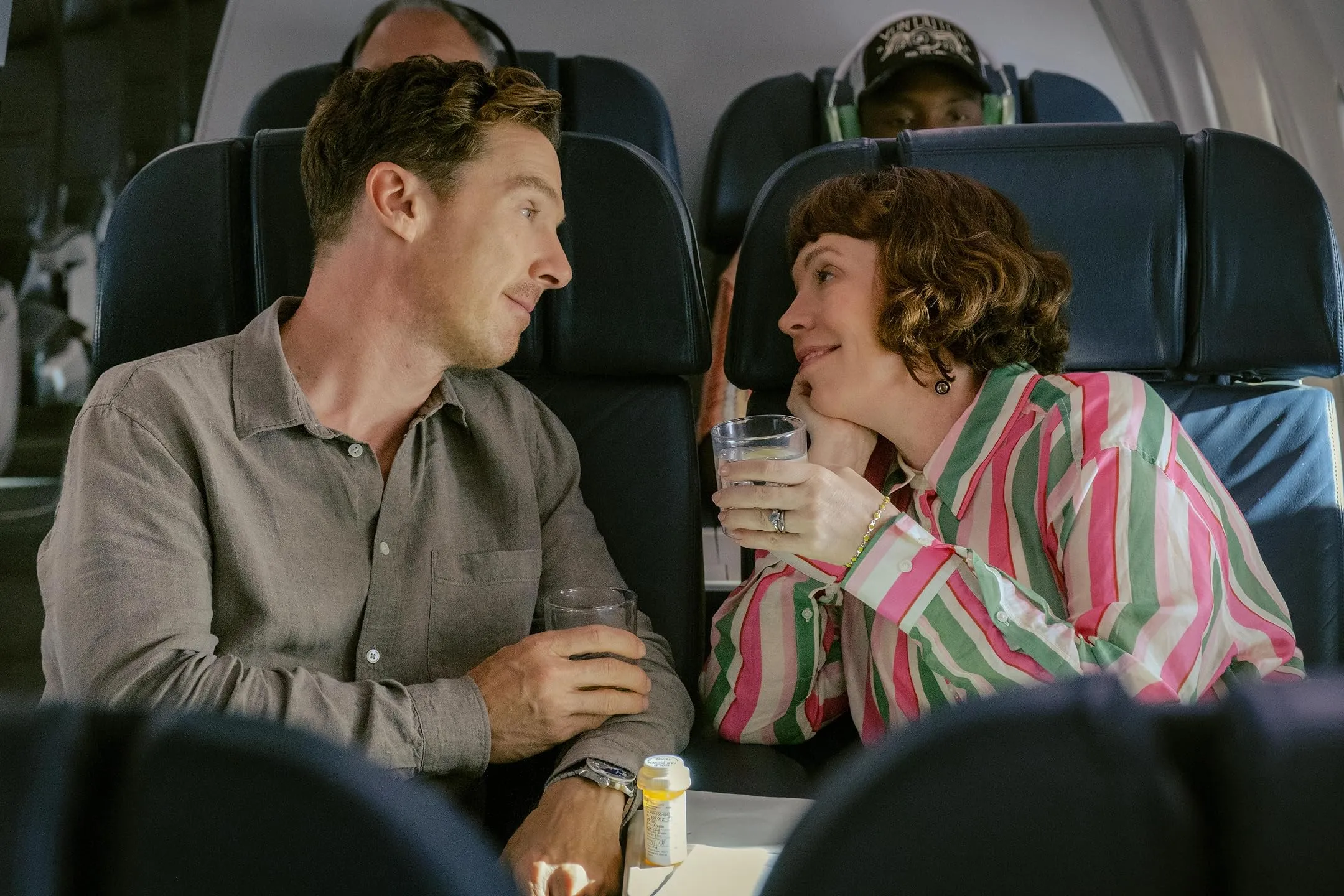
Director Jay Roach, known for mainstream comedies like Meet the Parents, approaches this acidic material with a competent but sometimes overly broad touch. The challenge of the film is its tonal tightrope walk between slapstick and psychological drama. Roach navigates this with mixed success.
The infamous dinner party sequence is a triumph of mounting tension and social horror, a perfect synthesis of script and direction. Other scenes feel clumsy, as if Roach’s commercial instincts are pulling the film toward a simpler kind of comedy than the script demands. His direction is polished and never gets in the way of the performances, yet it lacks the vicious precision of the words being spoken.
A Beautiful Cage
The world of the Roses is one of gleaming, impeccable surfaces. The production design is a standout, centered on the stunning, airy modern home that Theo builds for his family.
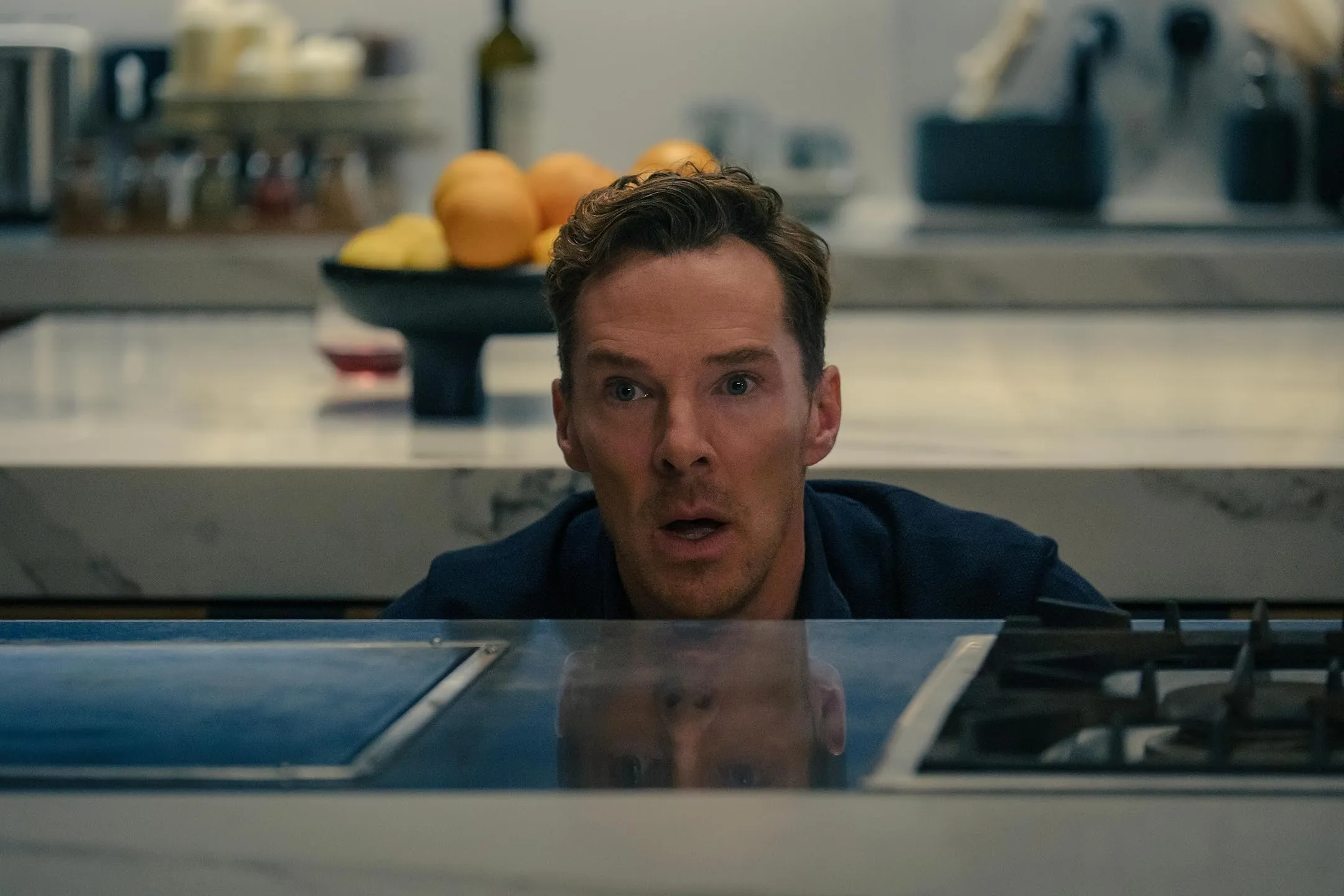
This house becomes more than a location; it is a character, a cold monument to their shared dream and the ultimate prize in their escalating war. It is prime real-estate porn, a beautiful cage for two people tearing each other apart.The cinematography captures the idyllic Northern California coast with a crisp, sun-drenched light. This relentless beauty provides a stark, ironic counterpoint to the ugliness of the couple’s emotional decay, making their private war feel all the more perverse and contained.
Scorched Earth
The film’s power is concentrated in its two central performances and its relentlessly intelligent script. Its primary weakness lies in a supporting cast left with too little to do.
What elevates the picture from a clever exercise to something more memorable is its final act. The ending is a daring and significant departure from its 1989 predecessor, a twisted conclusion that feels perfectly suited to this story’s bitter logic.
It is a finale that will certainly provoke discussion. The Roses is an unflinching and caustically funny portrait of marital collapse, a story of total warfare made palatable by extraordinary wit and a pair of actors at the absolute peak of their powers.
The Roses is a satirical black comedy film that was released by Searchlight Pictures on August 29, 2025, in the United States and the United Kingdom. The film is a reimagining of the 1989 classic The War of the Roses, based on the 1981 novel of the same name by Warren Adler. Initially, the film will be shown exclusively in cinemas, with a streaming release, likely on Disney+, to follow at a later date.
Full Credits
Director: Jay Roach
Writers: Tony McNamara, Warren Adler
Producers and Executive Producers: Adam Ackland, Leah Clarke, Ed Sinclair, Tom Carver, Jay Roach, Michelle Graham, Jonathan R. Adler, Michael Adler, Benedict Cumberbatch, Olivia Colman, Cáit Collins, Katherine Pomfret
Cast: Benedict Cumberbatch, Olivia Colman, Andy Samberg, Kate McKinnon, Allison Janney, Belinda Bromilow, Ncuti Gatwa, Sunita Mani, Zoë Chao, Jamie Demetriou
Director of Photography (Cinematographer): Florian Hoffmeister
Editors: Jon Poll
Composer: Theodore Shapiro
The Review
The Roses
The Roses is a triumph of performance and writing over its sometimes conventional direction. Olivia Colman and Benedict Cumberbatch are electric, turning marital collapse into a spectator sport with their perfectly matched, venomous wit. Powered by Tony McNamara’s impeccably sharp script, the film is a viciously funny and often uncomfortable watch. Its impact is slightly dulled by an underutilized supporting cast and a directorial touch that lacks the same incisive edge as the dialogue. Still, the central duel is an undeniable spectacle; a dark comedy that leaves a lasting, bitter taste.
PROS
- Exceptional lead performances from Olivia Colman and Benedict Cumberbatch.
- Tony McNamara’s screenplay is razor-sharp, sophisticated, and brutally funny.
- A memorable, scene-stealing cameo from Allison Janney.
- Stylish production design that enhances the story's themes.
CONS
- The talented supporting cast is largely underdeveloped and feels tonally separate.
- The direction can be too broad for the script’s sophisticated cruelty.
- The film’s success relies almost entirely on its two leads to overcome its flaws.