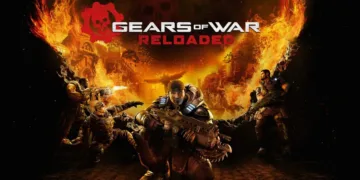





















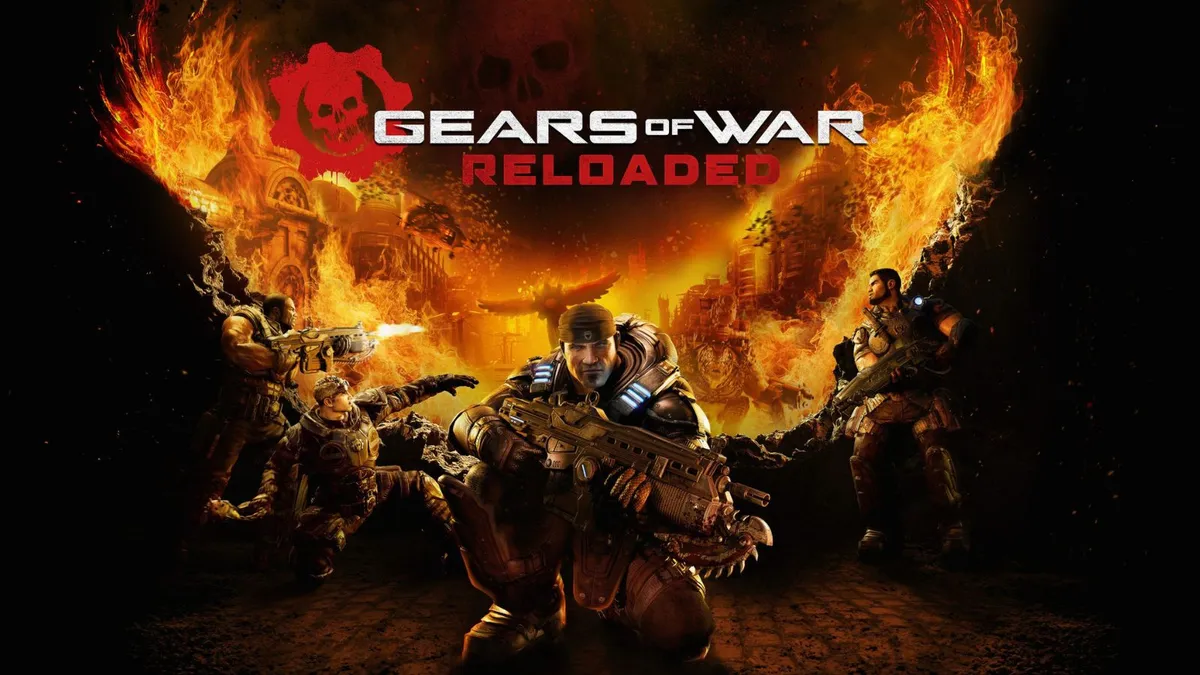

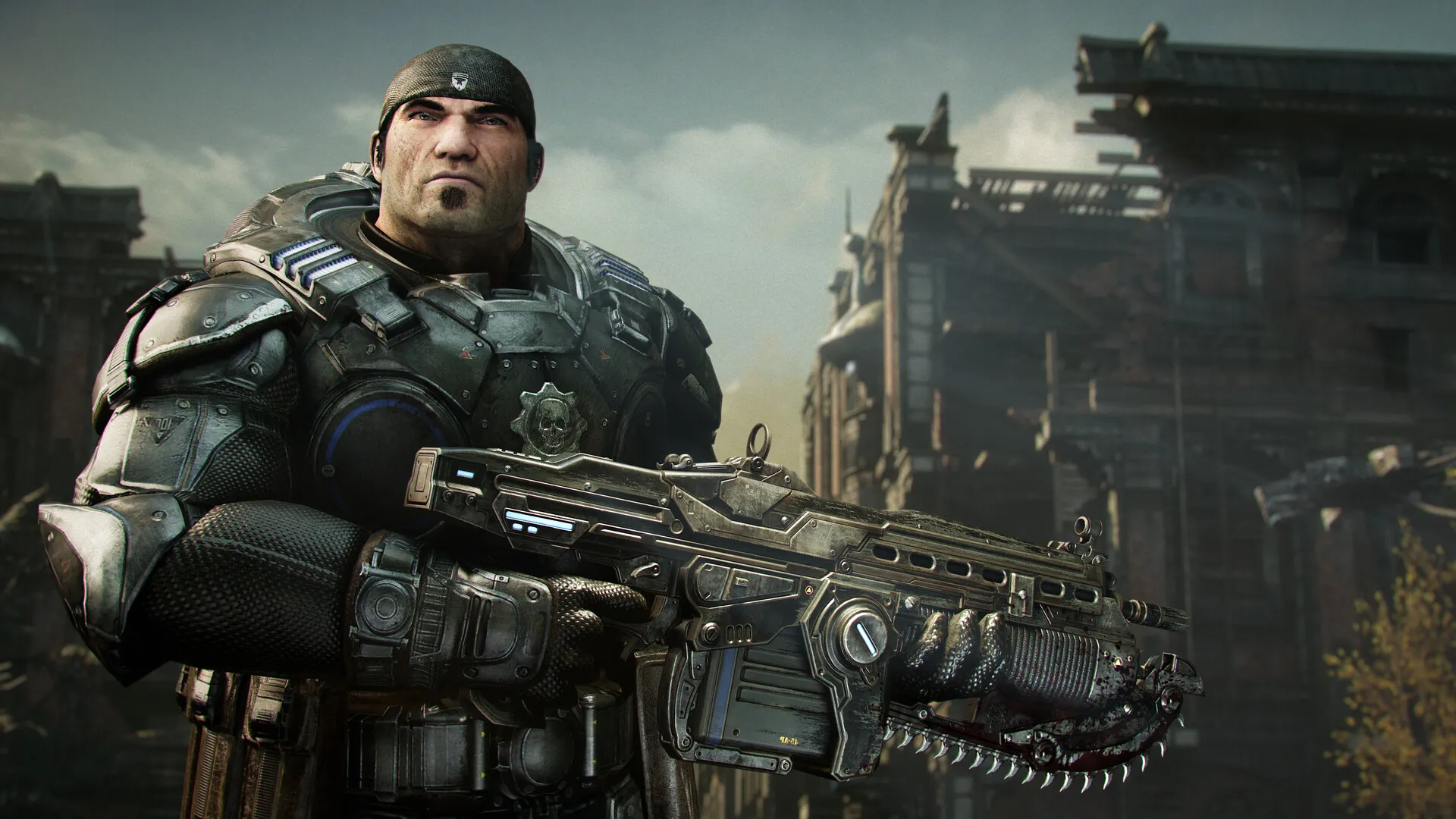
A foundational third-person shooter returns nearly two decades after its debut, landing on new platforms with a renewed sense of purpose. Gears of War: Reloaded brings players back to the war-torn planet of Sera for humanity’s desperate last stand against the subterranean Locust Horde. We are reintroduced to Marcus Fenix, a disgraced soldier sprung from prison to lead the hardened veterans of Delta Squad on a critical mission.
This is not merely a port; Reloaded is a comprehensive visual and performance remaster of the original 2006 game. The Coalition has rebuilt the experience from the ground up, aiming to present the classic campaign and multiplayer for a modern audience while preserving the original’s core identity.
A Modern Sheen on a Gritty World
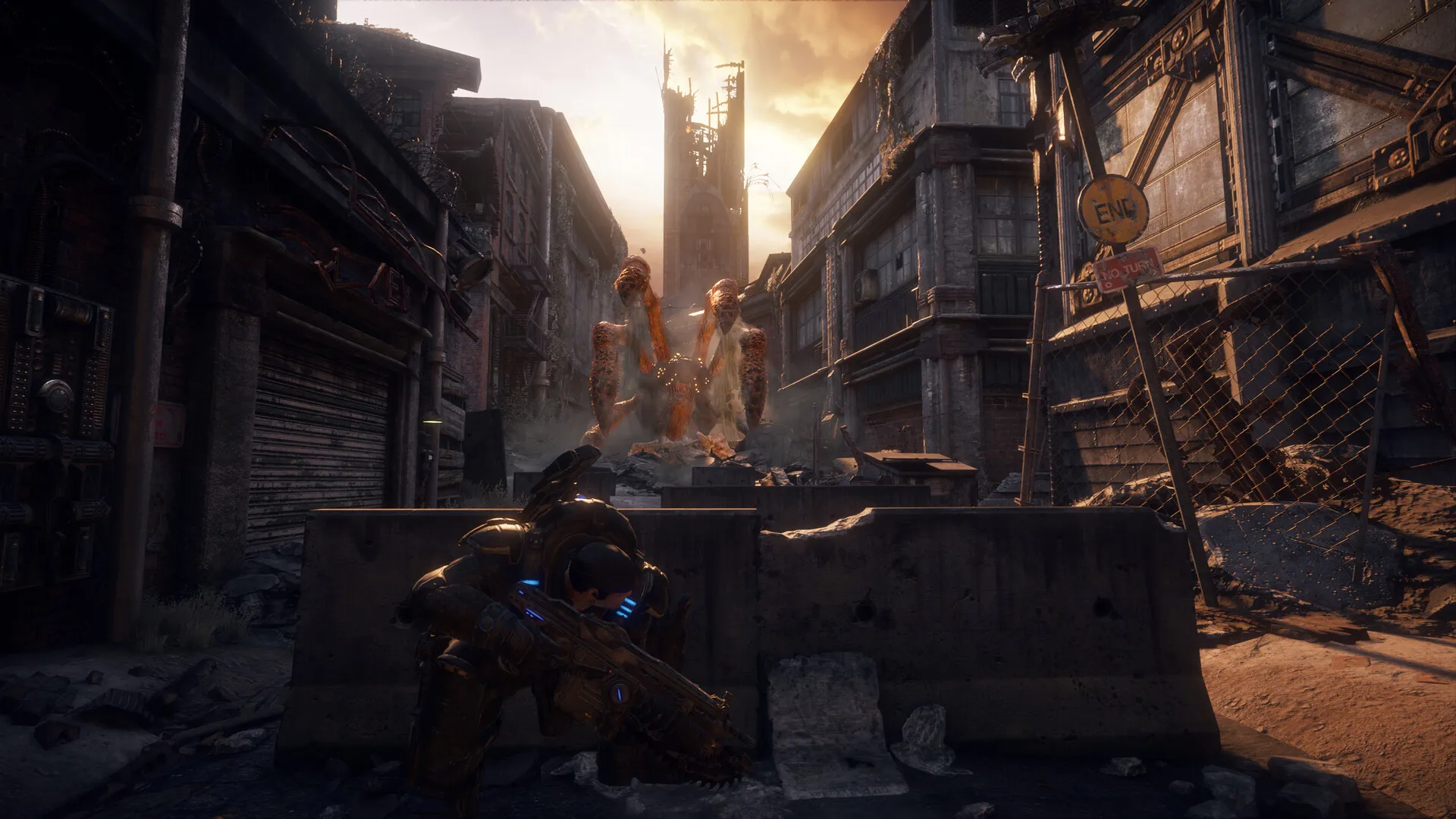
The most immediate change in Gears of War: Reloaded is its visual reconstruction. The upgrades go far beyond a simple resolution bump, offering rebuilt 4K textures, a completely reworked lighting system, and far more sophisticated shadows and reflections. The difference is stark, presenting a clear leap over the 2015 Ultimate Edition. Where that version sometimes obscured detail with an artificial fog effect, Reloaded is crisp and clear.
Environments like the ornate, crumbling beauty of the Fenix Estate or the claustrophobic darkness of the Imulsion mines are rendered with a level of detail that makes the world feel more tangible. You can see the individual cracks in the pavement and the rust on discarded machinery. Character models are sharper, allowing for more expressive faces during the cinematic cutscenes, which helps sell the gravity of their situation. This new clarity does alter the game’s atmosphere.
The original’s oppressive, almost monochromatic griminess, which bordered on a horror aesthetic, has been replaced by a cleaner, brighter look. While technically superior, some may find that this polish sacrifices a small amount of the gritty character that defined the Xbox 360 version. The art style remains a product of its time, a world built from the browns and greys that were common in the mid-2000s, but it has never looked this sharp.
This visual overhaul is supported by a tremendous performance uplift. The campaign maintains a solid 60 frames-per-second on consoles, providing a consistent and responsive experience. The multiplayer can run at a fluid 120 FPS on supported displays, a feature that competitive players will appreciate. The complete removal of mid-mission loading screens is perhaps the most significant quality-of-life improvement.
Moving from one chapter to the next is now a seamless transition, which helps maintain narrative momentum and keeps the player immersed in the action. This smoothness translates directly to the gameplay. Aiming is more precise, and reacting to flanking enemies feels more manageable.
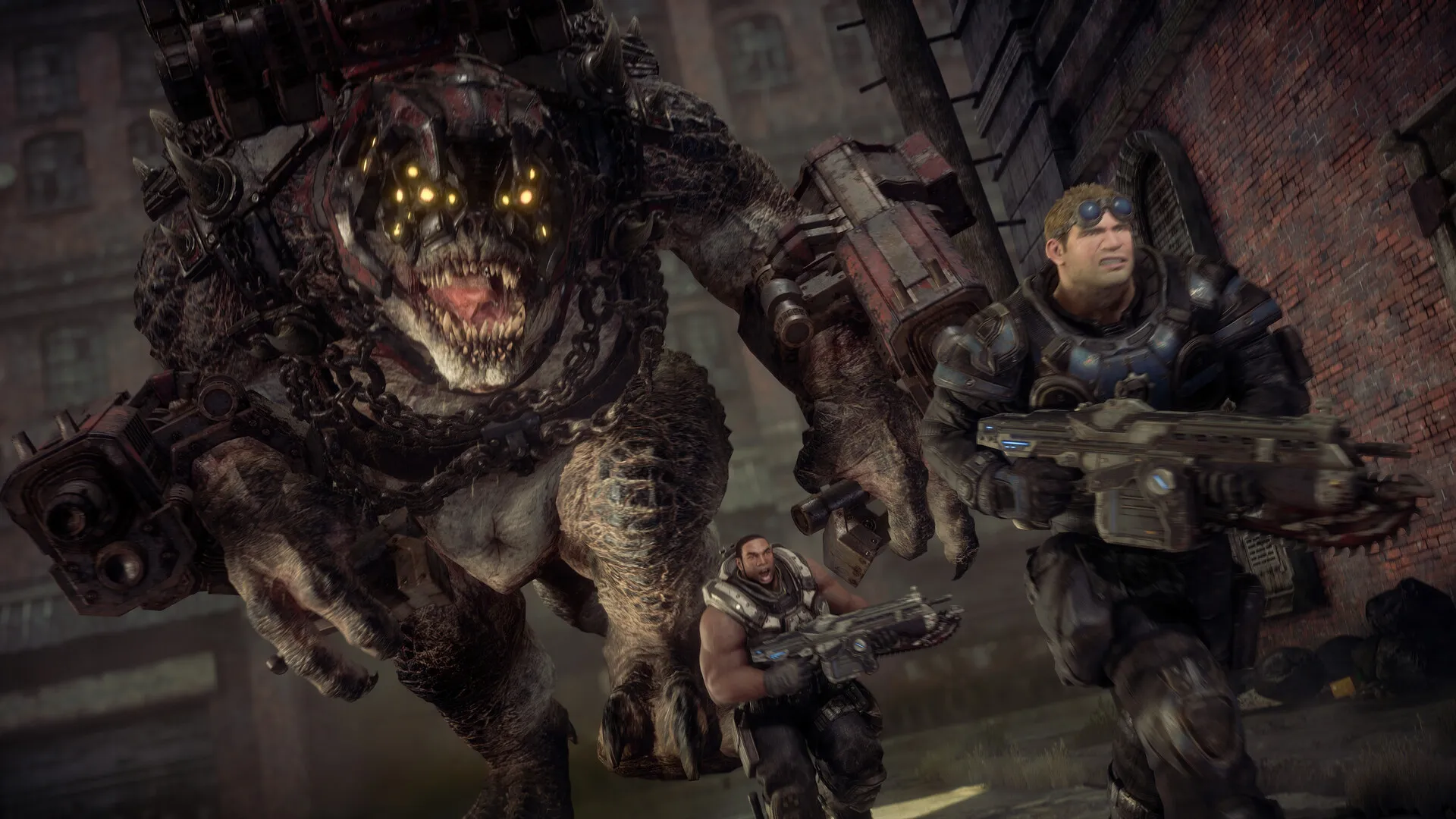
Lingering issues with hit detection from older versions have been resolved, making combat feel fair and predictable. Even during the most chaotic firefights, with explosions, multiple enemies, and environmental effects filling the screen during a fight with a hulking Corpser, the game remains perfectly stable. Aside from a rare and minor instance of textures popping into full detail moments after a scene loads, the technical presentation is nearly flawless.
The Timeless Rhythm of Combat
The core gameplay loop of Gears of War remains remarkably effective. The cover-based shooting mechanics, which the original helped popularize, still provide a satisfying tactical rhythm. Fights are a calculated process of moving between cover points, using suppressive fire, and finding an opening to flank entrenched enemies. It is a weighty, deliberate system.
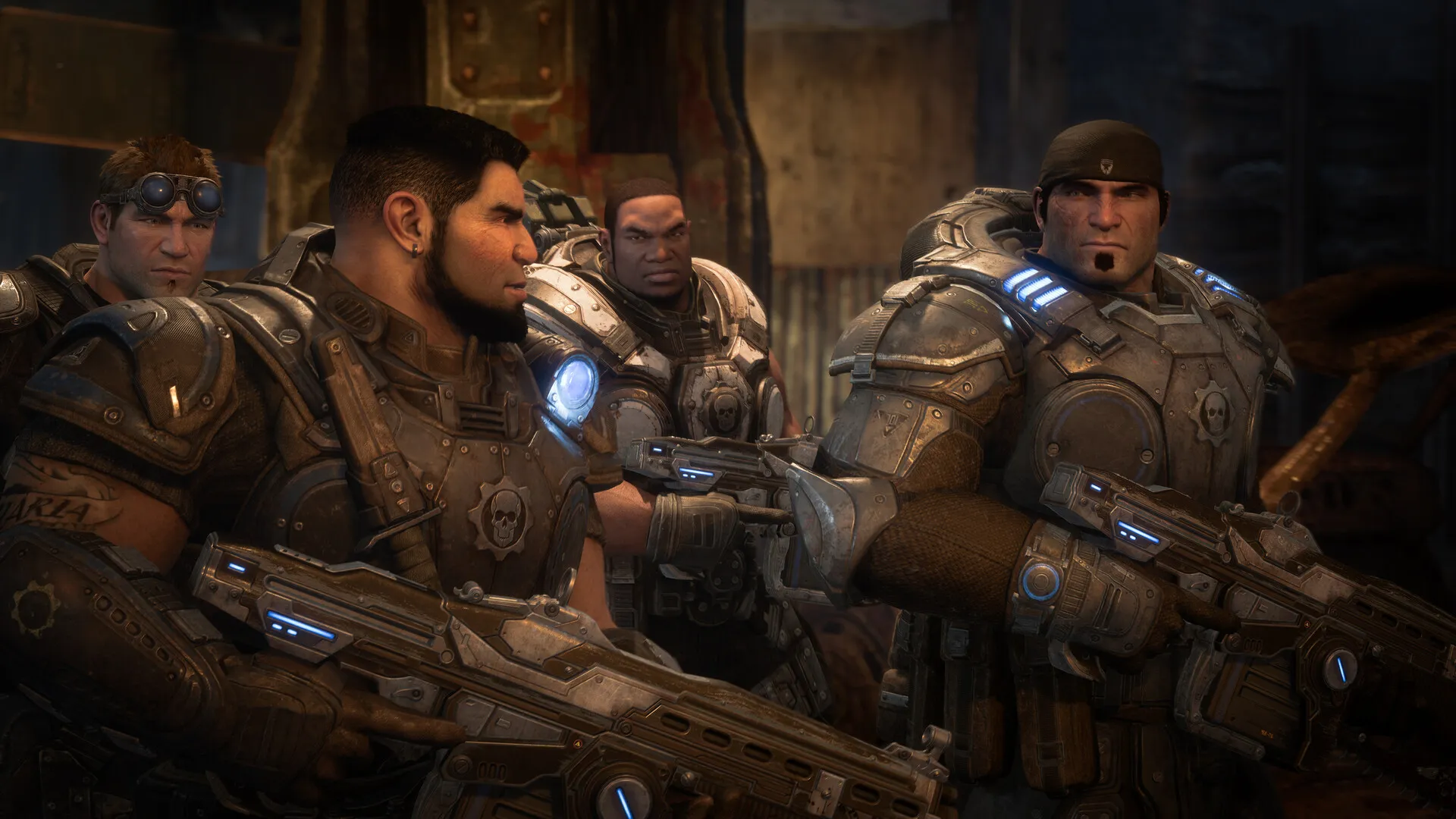
Players move between waist-high walls using the “roadie run,” can fire blindly from safety, or perform a quick vault over cover that can knock back an opponent. This stands in stark contrast to the faster, slide-canceling movement found in modern shooters like Call of Duty.
The arsenal is as iconic as ever. The Lancer rifle’s integrated chainsaw delivers a uniquely visceral melee attack that tears through enemies in a spray of gore. The Gnasher shotgun is the undisputed king of close-quarters combat, a weapon that forms the very center of the multiplayer metagame. The Longshot sniper rifle rewards precision with a distinct and gratifying sound on a successful headshot.
Layered on top of this is the Active Reload system. This timing-based minigame turns a mundane action into a test of skill. A failed attempt will jam the weapon, a normal press reloads as usual, but a perfect press reloads the weapon faster and temporarily grants a damage boost. It is a small mechanic that adds a constant and engaging risk-reward element to every combat encounter. For its debut on PlayStation 5, Reloaded incorporates features of the DualSense controller.
The adaptive triggers push back with the rev of the Lancer’s chainsaw, while haptic feedback provides texture for actions like a heavy footstep or the impact of a nearby grenade. Radio communications from command now come through the controller’s speaker, adding a small bit of immersion. The game also provides a choice between the classic control scheme and a modernized layout, a thoughtful inclusion that accommodates both series veterans and players new to the franchise.
A Familiar War, Unchanged
Returning to the campaign reveals a story that is very much a product of its time. The narrative is a straightforward military operation, focused entirely on the mission to deploy the Lightmass Bomb. Deeper questions, such as the specific reasons for Marcus’s imprisonment, the history of the Pendulum Wars, or the full context of Dom’s personal search, are introduced but left unanswered until later installments.
The plot is an effective vehicle for the action, but it lacks the character depth and world-building that players might expect from a modern title. The storytelling favors showing the action instead of exploring the characters. The level design is similarly direct. It follows a strictly linear path that funnels the player from one combat arena to the next.
The design philosophy is often a series of “killboxes”: you enter a new area, Locusts emerge from the ground, you clear them out, and a previously locked door opens. The campaign is at its best when played in co-op, either online or via local split-screen. The design is perfectly suited for two players coordinating their attacks, using mechanics like splitting up to hit two switches at once to progress.
While the gunplay holds up, the artificial intelligence has not aged as gracefully. Squadmates are a consistent source of frustration. They will frequently run directly into enemy fire, stand in the player’s line of sight, or get stuck on geometry. This becomes a serious problem during specific encounters.
The fight against the blind Berserker requires luring the creature into pillars, but the process is made maddening when Dom aimlessly wanders into its path, getting instantly killed and forcing a checkpoint reload. This frustrating cycle can repeat multiple times through no fault of the player.
Enemy intelligence is also questionable, with Locusts sometimes abandoning safe cover for no apparent reason. Players returning to Sera should also be aware that this is purely a restoration. In an era where remakes like Resident Evil 4 often add new content or modes, Reloaded is a work of pure preservation. It contains no new story chapters, weapons, or enemy types. The experience is identical in content to the original release, making its value for veterans entirely dependent on the appeal of its technical upgrades.
The Arena, Preserved
The multiplayer suite returns with all 19 of the original game’s maps, each rebuilt with the same visual enhancements as the campaign. The experience is elevated by the move to dedicated servers and the option to play at 120 FPS, which makes the fast-paced action feel incredibly smooth. The gameplay itself is a unique style of competitive shooter.
It is a tense game of cat and mouse, emphasizing strategic movement between cover and punishing close-range encounters with the Gnasher shotgun. High-level play involves a technique called “wall-bouncing,” where players rapidly slide in and out of cover to become harder targets. This creates a high skill ceiling that can be unforgiving for newcomers, who will be facing off against seasoned veterans thanks to the inclusion of cross-platform play.
The multiplayer’s structure feels like a relic of a different era. There is no battle pass, no seasonal content drops, and no complex progression system for cosmetic unlocks. Players simply join a match and play. For some, this purity will be a refreshing change of pace from modern live-service games that are filled with menus and microtransactions.
For others, the lack of modern feedback loops and long-term hooks may limit its appeal. You can have a fantastic match, but there is no experience bar to fill or daily challenge to complete afterward. It is also important to remember that the beloved Horde mode, a cooperative survival mode that became a series staple, was introduced in Gears of War 2. Its absence here is historically accurate but makes the overall package feel slightly less complete for fans of the entire franchise.
Final Assessment
For new players, especially those on PlayStation experiencing the series for the first time, Gears of War: Reloaded is the ideal entry point. It is an opportunity to see where an entire subgenre began, presented with the technical polish and responsiveness expected from a new release. The extensive upgrades make the nearly 20-year-old game feel approachable and enjoyable for a modern generation.
The value proposition is more complicated for returning veterans. The performance and visual upgrades are substantial and genuinely improve the moment-to-moment experience of playing the game. Still, the complete absence of new content makes the full purchase price a difficult recommendation for those who have already fought this war many times. You must ask if a smoother frame rate is worth the price of admission. The availability of a free upgrade for certain owners of the Ultimate Edition is a key factor for this group.
Gears of War: Reloaded is a masterful technical preservation of a genre-defining classic. It is a museum piece, perfectly restored and displayed in a modern gallery. Its core combat remains intensely satisfying, a testament to the strength of its original design. The game’s age is apparent in its simple narrative, strictly linear level design, and often-frustrating AI. It is a snapshot of a specific and important time in game development, capturing both its triumphs and its limitations.
The Review
Gears of War: Reloaded
Gears of War: Reloaded is a technically superb restoration of a genre-defining shooter. The visual overhaul and performance upgrades are exceptional, making the timeless cover-based combat feel better than ever. This modern polish cannot hide the game's nearly two-decade-old foundations. A simple story, rigid level design, and frustratingly poor AI hold it back. It stands as the definitive way to experience the original game, especially for newcomers, but veterans may find the lack of new content a significant drawback. A beautifully presented piece of history with clear signs of its age.
PROS
- Exceptional visual and performance overhaul at 4K resolution and high frame rates.
- Core cover-based shooting mechanics remain satisfying and tactical.
- The seamless campaign experience with no mid-mission loading screens.
- The best and most accessible way for new players to experience the original game.
CONS
- Friendly AI is extremely dated, often causing frustration in combat.
- Offers no new content, missions, or features beyond the original package.
- The story is thin and underdeveloped by modern narrative standards.
- Multiplayer lacks modern progression, feeling barebones for long-term engagement.