




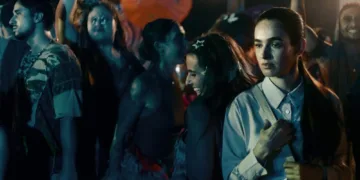








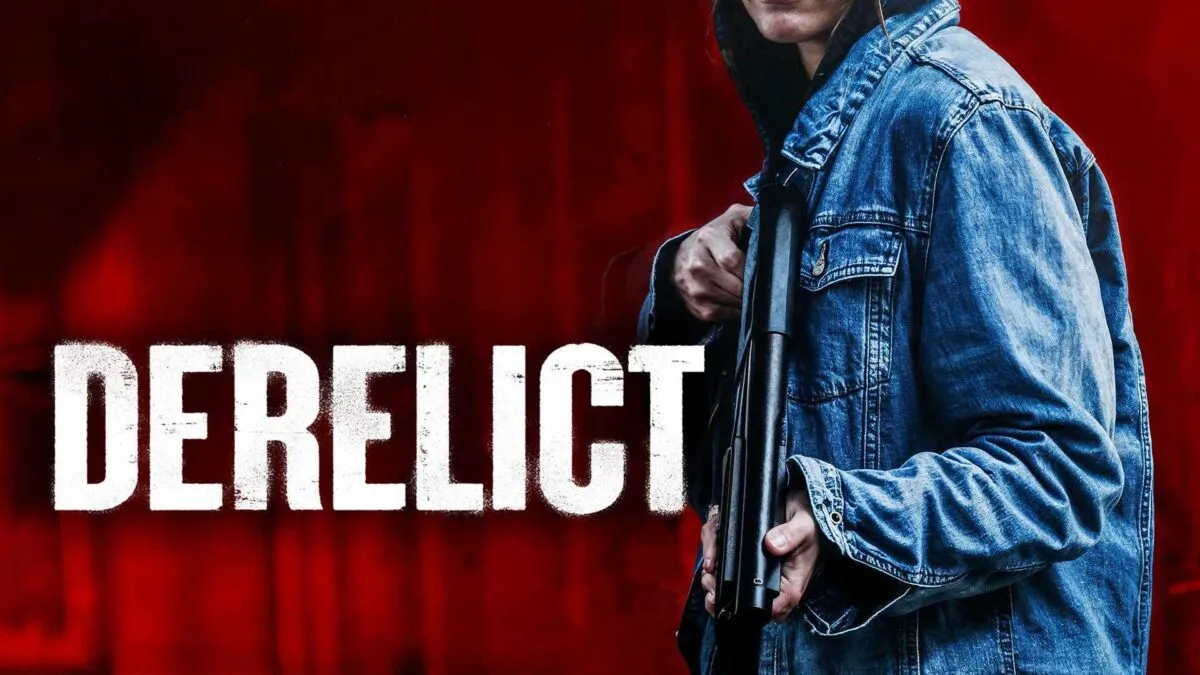

Derelict is a raw, gritty British crime thriller that feels less like a movie and more like a bruise. It drops you directly into its somber world from the first frame. The story operates on two parallel tracks. On one, we meet Abigail, a young woman hollowed out by grief after her father’s savage murder. She is consumed by a singular, desperate need to find those responsible.
On the other track, two brothers are reunited. Ewan, the older of the two, is a firecracker of cockiness just released from prison, while his younger sibling Matt is quiet and sensitive. The film masterfully creates a sense of dread as we watch these separate lives move toward an inevitable, violent intersection. The atmosphere here is heavy, and its depiction of violence is consequential and ugly, a stark contrast to the clean, stylized action of mainstream cinema.
Portraits on the Edge
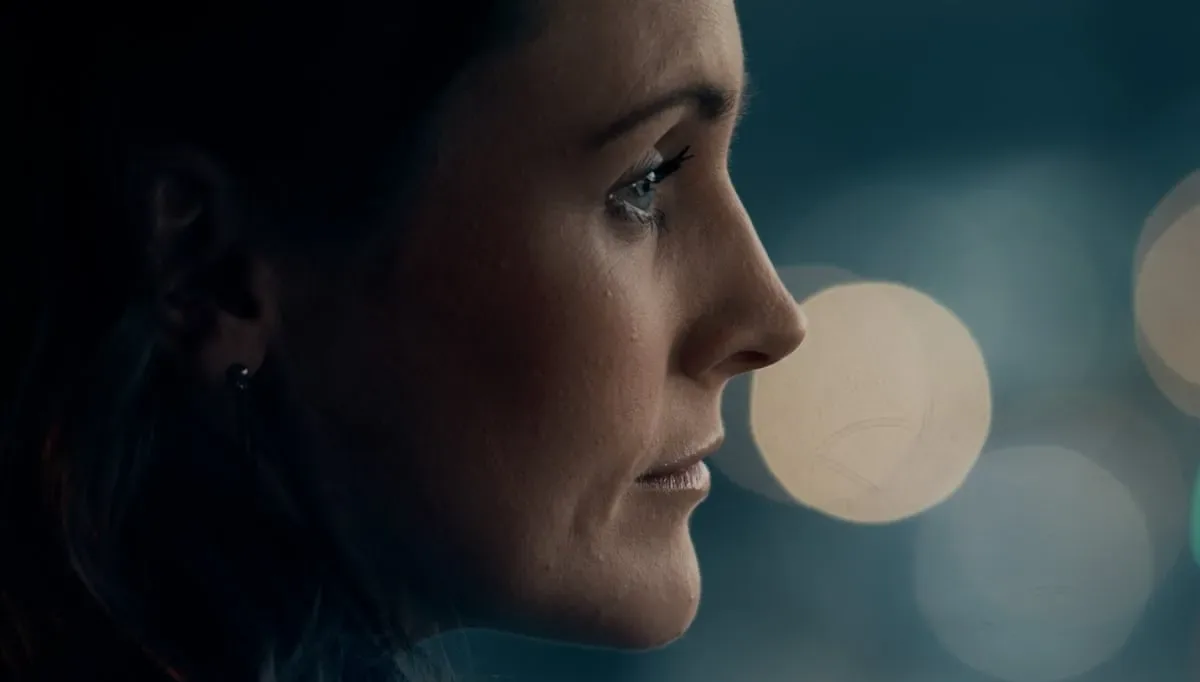
The film is anchored by three phenomenal central performances that reject simple genre archetypes. Suzanne Fulton’s portrayal of Abigail is a masterclass in restrained devastation. Instead of explosive rage, her grief manifests as a quiet, corrosive obsession that dictates her every move. This approach grounds the character in a painful reality, making her a direct counterpoint to the highly trained super-assassins we often see in revenge stories.
Fulton uses long periods of stillness and subtle expressions to convey a universe of inner turmoil. When Abigail tries to acquire a weapon, her fumbling and clear lack of experience are unsettling, highlighting her desperation and making her far more tragic than a typical action hero.
As the younger brother Matt, Michael Coombes gives a soulful performance that earns our deepest sympathy. He is trapped in a difficult web of love, fear, and familial obligation, unable to escape his brother’s toxic gravitational pull. Coombes excels in showing Matt’s quiet suffering and his failed attempts at resistance, making him a poignant figure of corrupted innocence. Ewan, played by Pete Bird, is the perfect catalyst for this tragedy.
He embodies a specific brand of toxic masculinity rooted in control and insecurity. His criminality is not glamorous; it is mundane and pathetic, which makes it feel terrifyingly authentic. Having grown up in a small town, I recognize his type of dead-end aggression all too well. It is the suffocating dynamic between the two brothers, a heartbreaking story of a corrupted bond, that forms the film’s second tragic core.
Painting Pain with Light and Time
Director Jonathan Zaurin makes several bold stylistic choices that define the film’s identity and elevate it beyond a standard crime story. The most significant is his inventive use of color. Conventionally, filmmakers use black and white to signify the past, but Derelict flips that script. The present, where Abigail exists in her grief, is presented in a stark, unforgiving monochrome.
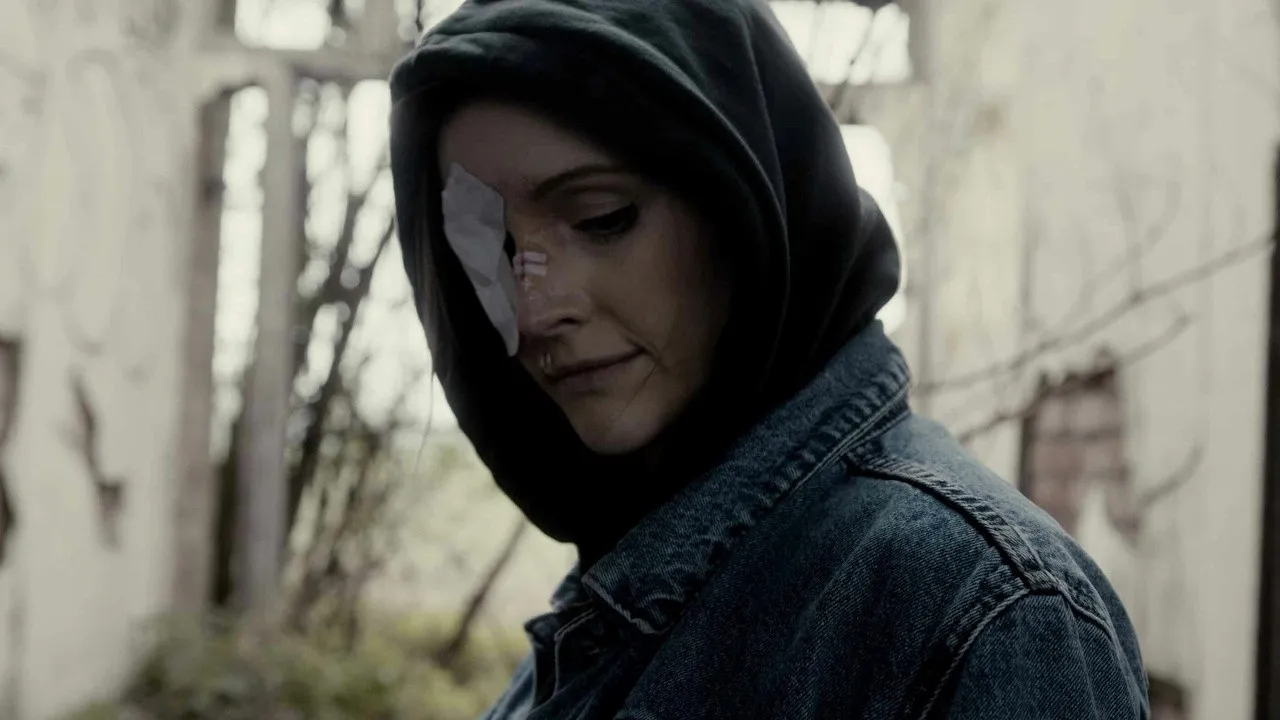
The past, a time before the defining tragedy, is shown in full, vivid color. This is not a gimmick; it is a powerful psychological tool. It forces the audience to experience Abigail’s present as she does: a colorless, joyless void. The colorful flashbacks become painful, poignant reminders of all that has been stolen from her, making them feel like freshly opened wounds.
The cinematography brilliantly captures the grimness of its Herefordshire setting, subverting the London-centric focus of many British crime films. The underpasses, bleak housing estates, and barren fields create a palpable sense of geographical and emotional isolation. Zaurin’s camera is often visceral and uncomfortably close, refusing to let us look away from the characters’ distress.
This visual commitment to realism is supported by a sparse sound design that emphasizes silence and emptiness, making the sudden bursts of violence even more jarring. The film’s deliberate, slow pace is thematic, mirroring the characters’ trapped existence. Some may find that it meanders in the middle, and a tighter edit might have sharpened the narrative impact. The repetition of certain scenes could be viewed as a reflection of trauma’s cyclical nature, forcing us to relive moments just as the characters do.
The Bitter Taste of Vengeance
This film completely dismantles and subverts the revenge thriller genre. Where audiences often expect a cathartic release, Derelict actively denies it. It is a direct and potent challenge to the cultural fantasy that violence can bring resolution or peace. The film asks us to sit with the discomfort and profound ugliness of retribution, showing it as a destructive force that offers no true closure.
The non-linear narrative is essential to its thematic depth. By slowly revealing the past and showing us Matt’s life, his gentle nature, and his sense of obligation to his mother, the story refuses to give us a simple villain to hate. This choice creates a powerful moral ambiguity, denying us the comfort of rooting for an uncomplicated hero and reflecting a more mature worldview where people are complex products of their environments.
The title itself works as a unifying theme. “Derelict” describes the forgotten, decaying locations where the story unfolds. It also perfectly captures the characters’ internal states. Abigail is emotionally derelict, abandoned by joy and purpose.
The brothers’ morality is derelict, corrupted by their toxic relationship. The film suggests an entire community has been left behind, becoming a breeding ground for desperation. Derelict is an uncompromising and difficult piece of cinema that lingers in your thoughts, offering a grim but necessary examination of the human cost of violence.
Derelict is a British indie crime and revenge thriller film that premiered in 2024. It is available for streaming on some platforms. The film focuses on Abigail, a young woman grieving her father’s violent death, and two brothers navigating their relationship after one is released from prison. It is known for its low-budget filmmaking and strong performances.
Full Credits
Director: Jonathan Zaurin
Writers: Jonathan Zaurin, Kat Ellinger, Michael Mackenzie, Todd Rodgers
Producers: Samantha Smith, Jonathan Zaurin, Michael Coombes
Executive Producers: Kat Ellinger
Cast: Suzanne Fulton, Michael Coombes, Pete Bird, Darryl Shaw, Stacey Coleman, Michelle Hetherington, Dean Kilbey, Joe Nurse, Holly-Anne Hull, Laura Frances
Director of Photography (Cinematographer): Jonathan Zaurin
Editors: Jonathan Zaurin, Todd Rodgers
The Review
Derelict
Derelict is a gut-punch of a film, a bleak and uncompromising look at the true cost of vengeance. It masterfully subverts the crime thriller, trading catharsis for a difficult, lingering sense of despair. Anchored by phenomenal performances and a stark, memorable visual style, its deliberate pacing may test some viewers. This is not an easy film to watch, but its raw honesty and emotional weight make it a powerful and essential piece of British independent cinema.
PROS
- Powerful and realistic lead performances
- Striking and psychologically resonant cinematography
- Intelligent subversion of the revenge genre
- Authentic, gritty atmosphere and setting
- Thematically rich and morally complex
CONS
- Deliberate pacing can feel slow or meandering
- Overwhelmingly bleak tone may not suit all tastes
- Some scenes feel repetitive
- Stylistic choices like slow motion have mixed results