

























![Kingdom Hearts Collection [I-III] Review](https://gazettely.com/wp-content/uploads/2026/10/Kingdom-Hearts-Collection-I-III-1-360x180.webp "Kingdom Hearts Collection [I-III] Review: KHII Holds Steady as Newer Entries Fluctuate 37")



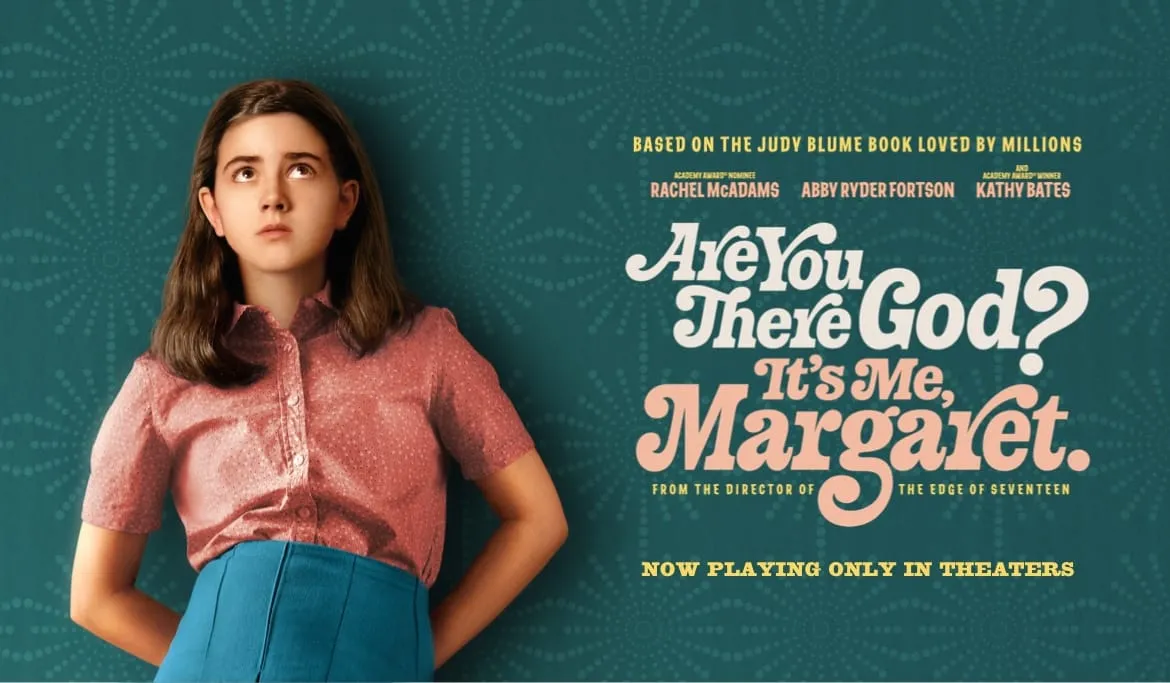

Margaret Simon stands in her new suburban bedroom, arms crossed, staring at the training bra her mother has just laid out on the pale pink bedspread. The camera holds on this moment of pre-teen paralysis, capturing the exact second when childhood collides with the mysterious demands of growing up. This single frame encapsulates the entire achievement of Kelly Fremon Craig’s adaptation of Judy Blume’s 1970 novel: finding cinematic language for the most private moments of adolescent confusion.
Fifty-three years after Blume first gave voice to the interior world of an 11-year-old girl grappling with puberty, religious identity, and the bewildering social codes of sixth grade, Craig has crafted a film that honors the source material’s radical honesty while expanding its emotional palette. Following Margaret’s family as they relocate from Manhattan to the New Jersey suburbs, the story maintains its focus on the specific anxieties of pre-adolescence while broadening its scope to examine the parallel struggles of the adults attempting to guide her through them.
The film succeeds precisely because it refuses to sanitize or sentimentalize the messiness of growing up. Craig, whose previous work “The Edge of Seventeen” demonstrated her facility with the complexities of teenage life, brings that same unflinching attention to the even more delicate territory of pre-teen experience.
Margaret’s conversations with God, delivered through voiceover narration, retain their original intimacy while gaining new dimensions through visual storytelling. The religious questioning that forms the book’s spiritual backbone remains central, exploring how faith intersects with identity formation during the most vulnerable period of childhood.
Performances That Feel Like Life
Abby Ryder Fortson inhabits Margaret with a naturalness that makes the character’s internal struggles feel immediate and real. Her performance avoids the trap of precocious wisdom that often mars child acting, instead capturing the authentic confusion of someone caught between competing desires to remain a child and become a woman. When Margaret practices walking in heels or performs bust-enhancing exercises with her friends, Fortson finds the perfect balance between comedy and genuine longing, never mocking the character’s earnest hopes or fears.
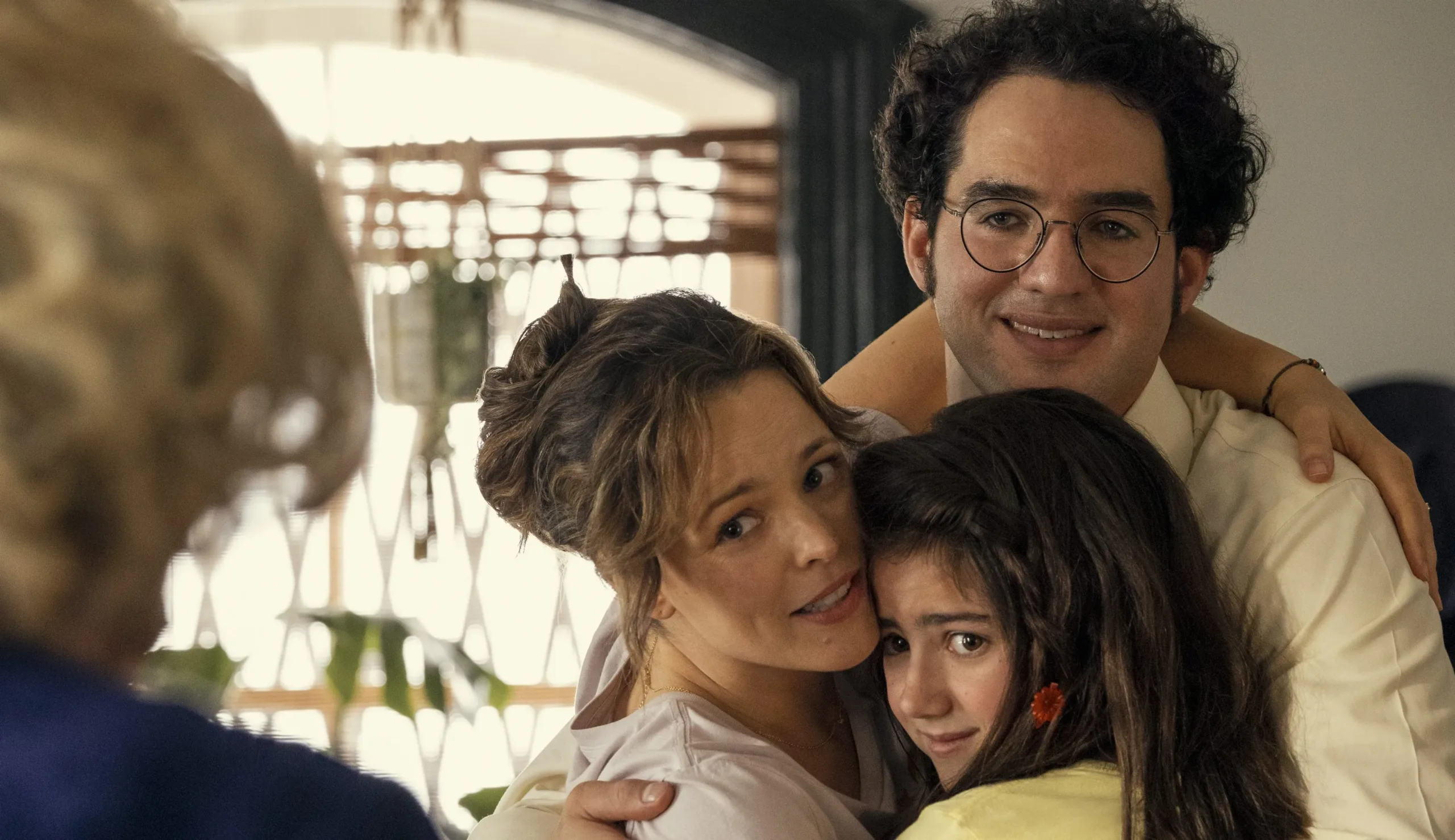
The supporting cast creates a believable ecosystem of relationships that ground Margaret’s journey. Rachel McAdams brings layered complexity to Barbara, a former art teacher struggling with her own identity crisis as she adapts to suburban motherhood. McAdams’ portrayal reveals how parental guidance often springs from unresolved personal conflicts, particularly in scenes exploring Barbara’s estrangement from her own parents over her interfaith marriage. The performance suggests that growing up might be a lifelong process rather than something completed in childhood.
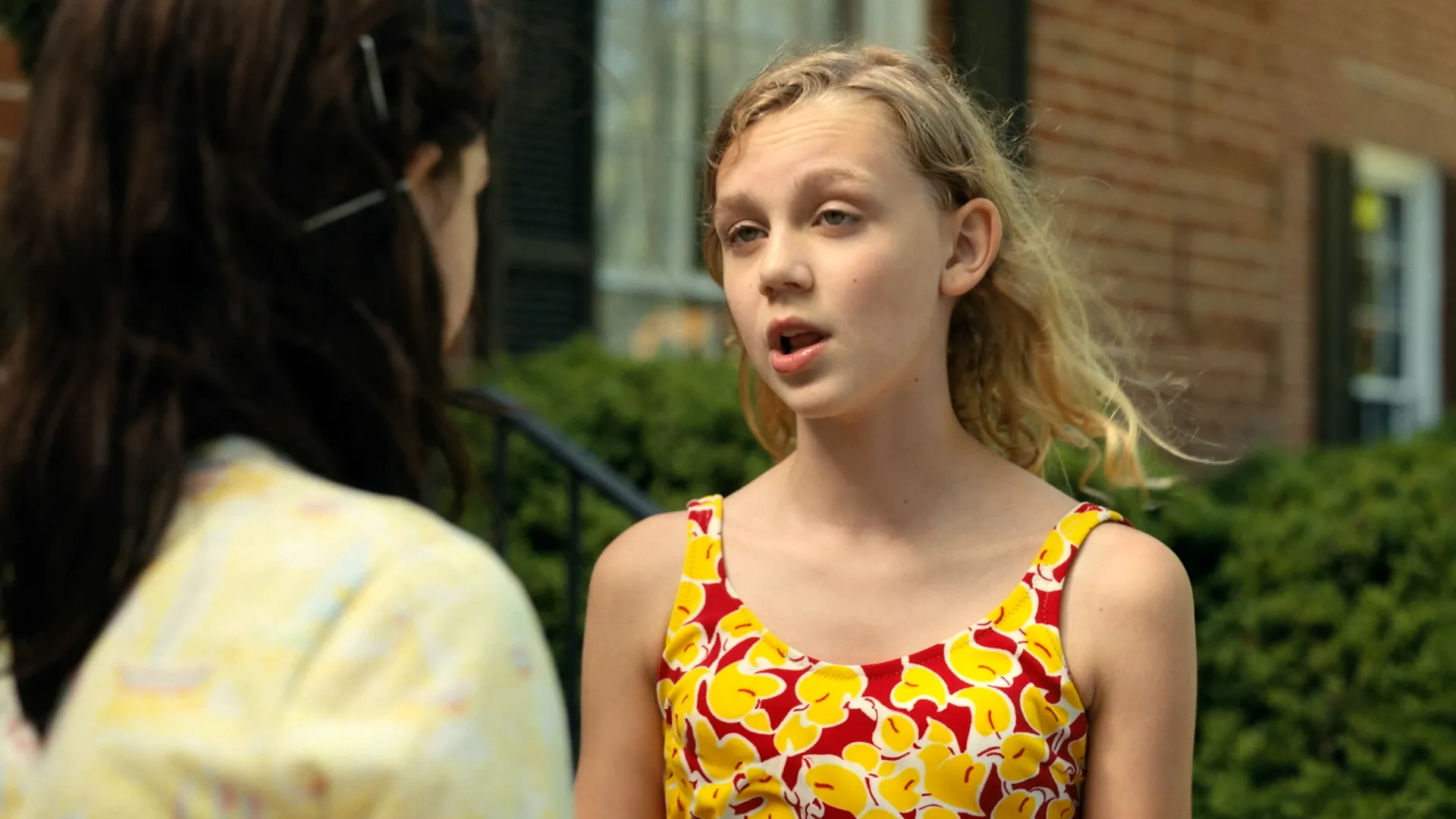
Elle Graham delivers a particularly nuanced turn as Nancy, the self-appointed leader of Margaret’s friend group. Graham navigates the tricky territory of depicting a character who could easily become a one-dimensional mean girl, instead revealing Nancy’s own insecurities beneath her confident facade. The friendship dynamics between Margaret and her peers feel authentically messy, capturing how pre-teen relationships oscillate between fierce loyalty and casual cruelty.
Kathy Bates brings vivacious energy to Sylvia, Margaret’s grandmother, creating a character who represents both connection to the past and encouragement for future independence. Her scenes with Fortson crackle with genuine affection, establishing Sylvia as Margaret’s most trusted confidante while avoiding the trap of making her simply a wise elder dispensing life lessons.
Crafting Intimacy on Screen
Craig’s directorial approach transforms Blume’s first-person narrative into cinematic language without losing its essential intimacy. The decision to expand Barbara’s storyline proves particularly effective, creating thematic parallels between mother and daughter that deepen the film’s exploration of identity formation. Both characters struggle with questions of belonging and authenticity, though separated by decades and circumstances.
The screenplay handles sensitive topics with remarkable candor while maintaining age-appropriate boundaries. Scenes dealing with menstruation, body development, and sexual curiosity achieve the difficult balance of being frank without being exploitative. Craig treats these moments as natural parts of human experience rather than sources of shame or embarrassment, following Blume’s original approach of addressing taboo subjects with matter-of-fact honesty.
Production designer Steve Saklad creates a meticulously detailed 1970s world that feels lived-in rather than artificially nostalgic. The suburban New Jersey setting becomes a character itself, with its manicured lawns and pastel interiors representing both safety and conformity. Costume designer Ann Roth’s period-accurate wardrobes enhance character development, particularly in how clothing choices reflect Margaret’s evolving sense of self.
The film’s pacing follows the natural rhythms of a school year, allowing Margaret’s various crises to unfold organically rather than forcing dramatic confrontations. Craig’s camera work maintains an intimate scale, favoring close-ups and medium shots that keep viewers connected to character emotions while avoiding voyeuristic intrusion into private moments.
Universal Truths in Specific Experience
The film’s greatest achievement lies in its ability to make Margaret’s specific struggles feel universal while never diluting their particularity. Her questions about religious identity, her anxiety about physical development, and her navigation of changing friendships speak to fundamental aspects of human growth that transcend temporal boundaries. The 1970s setting provides historical context without creating distance from contemporary experience.
Craig’s adaptation recognizes that coming-of-age stories work best when they acknowledge that growing up involves loss alongside gain. Margaret’s journey includes genuine disappointment and confusion that aren’t neatly resolved by the film’s end, reflecting Blume’s understanding that adolescence involves accepting ambiguity rather than finding clear answers. The portrayal of parent-child relationships proves particularly sophisticated, showing how well-meaning adults can both support and inadvertently complicate a child’s development.
The film occupies a distinctive place within contemporary cinema by treating its young protagonist with the same respect typically reserved for adult characters. Margaret’s concerns receive serious attention without condescension, creating space for genuine emotional investment from viewers of all ages. This approach serves both nostalgic adults reconnecting with their own adolescent memories and young audiences seeing their experiences reflected with unusual honesty.
“Are You There God? It’s Me, Margaret” succeeds as both faithful adaptation and independent work of cinema. It captures the essential spirit of Blume’s novel while expanding its emotional and thematic range, creating a film that honors its source while justifying its own existence. In an era when stories about young people often veer toward either saccharine idealization or cynical exploitation, Craig’s film offers something rarer: genuine understanding of what it means to grow up, with all the confusion, hope, and heartbreak that process entails.
“Are You There God? It’s Me, Margaret.” had its world premiere at the San Francisco International Film Festival on April 23, 2023, and was released in U.S. theaters on April 28, 2023. The film is available to stream on services like Netflix and Starz, and can be rented or purchased on various platforms such as Apple TV, Amazon Prime Video, and YouTube.
Full Credits
Director: Kelly Fremon Craig
Writers: Kelly Fremon Craig, Judy Blume
Producers and Executive Producers: James L. Brooks, Julie Ansell, Richard Sakai, Kelly Fremon Craig, Judy Blume, Amy Lorraine Brooks, Aldric La’auli Porter, Jonathan McCoy
Cast: Abby Ryder Fortson, Rachel McAdams, Kathy Bates, Benny Safdie, Elle Graham, Amari Alexis Price, Katherine Mallen Kupferer, Kate MacCluggage, Aidan Wojtak-Hissong, Landon S. Baxter, Mackenzie Joy Potter, Echo Kellum, Simms May, Zack Brooks, Jecobi Swain, Isol Young
Director of Photography: Tim Ives
Editors: Nick Moore, Oona Flaherty
Composer: Hans Zimmer
The Review
Are You There God? It's Me, Margaret
Kelly Fremon Craig has crafted a rare gem: a coming-of-age story that respects both its young protagonist and adult audience. With authentic performances, particularly from Abby Ryder Fortson, and sensitive direction that tackles difficult subjects without exploitation, this adaptation honors Blume's legacy while creating something cinematically worthwhile. The film's emotional honesty and refusal to provide easy answers make it essential viewing for anyone seeking meaningful family cinema.
PROS
- Abby Ryder Fortson's naturalistic, breakout performance
- Sensitive handling of puberty and religious identity themes
- Authentic period detail and production design
- Rachel McAdams' nuanced portrayal of motherhood
- Genuine friendship dynamics among young cast
- Respectful adaptation that expands source material meaningfully
CONS
- Barbara's subplot occasionally feels disconnected from Margaret's story
- Some adult characters feel underdeveloped
- Pacing slows during certain family drama sequences
- Limited exploration of Margaret's father's Jewish identity
- Certain comedic moments feel forced







