
























![Kingdom Hearts Collection [I-III] Review](https://gazettely.com/wp-content/uploads/2026/10/Kingdom-Hearts-Collection-I-III-1-360x180.webp "Kingdom Hearts Collection [I-III] Review: KHII Holds Steady as Newer Entries Fluctuate 37")



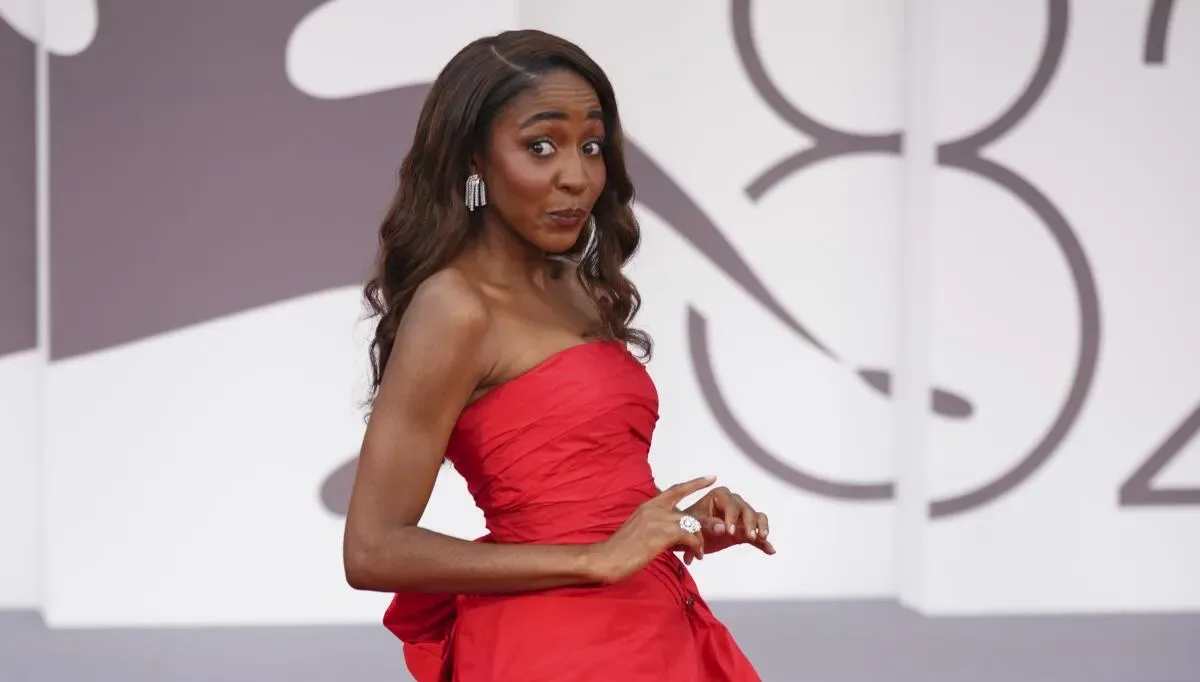

Ayo Edebiri said a viral Venice Film Festival exchange that left her “uncomfortable” was “a very human moment,” reflecting that she tries not to live online as reaction to the clip surged. Speaking at a press event in New York, the actor said she understood why the video traveled but preferred to keep the focus on the work she and her collaborators were there to discuss.
The clip shows an Italian journalist asking Julia Roberts and Andrew Garfield what Hollywood should expect “after #MeToo and Black Lives Matter are done,” while not inviting Edebiri to answer. Edebiri stepped in, questioning the premise that the movements were “done” and noting that advocacy continues even when it draws less media attention.
Roberts quickly interjected that the movements are not over; the moment drew wide criticism of the question’s framing and the choice to exclude Edebiri. The journalist later defended herself on Instagram, saying she faced personal attacks and arguing that “uncomfortable” questions should not be censored.
Edebiri’s remarks in New York came during promotion for Luca Guadagnino’s After the Hunt, the film she was publicizing at Venice when the exchange occurred. She characterized her reaction as instinctive and rooted in the reality that public conversations about power and inclusion have ongoing consequences beyond news cycles. She also suggested the incident echoed the film’s interest in fraught conversations and accountability, while declining to prolong the back-and-forth online.
The episode fed a broader discussion about press-room dynamics and who is invited to answer cultural questions on behalf of the industry. Supporters praised Edebiri’s composure; critics of the interviewer said the phrasing minimized continuing work around harassment and racial justice.
The reporter, for her part, rejected accusations of bias and said the scale of the backlash had become disproportionate to the original exchange. With awards-season promotion intensifying, Edebiri’s comments aimed to reset attention on the film while acknowledging the moment’s visibility.







