

























![Kingdom Hearts Collection [I-III] Review](https://gazettely.com/wp-content/uploads/2026/10/Kingdom-Hearts-Collection-I-III-1-360x180.webp "Kingdom Hearts Collection [I-III] Review: KHII Holds Steady as Newer Entries Fluctuate 37")



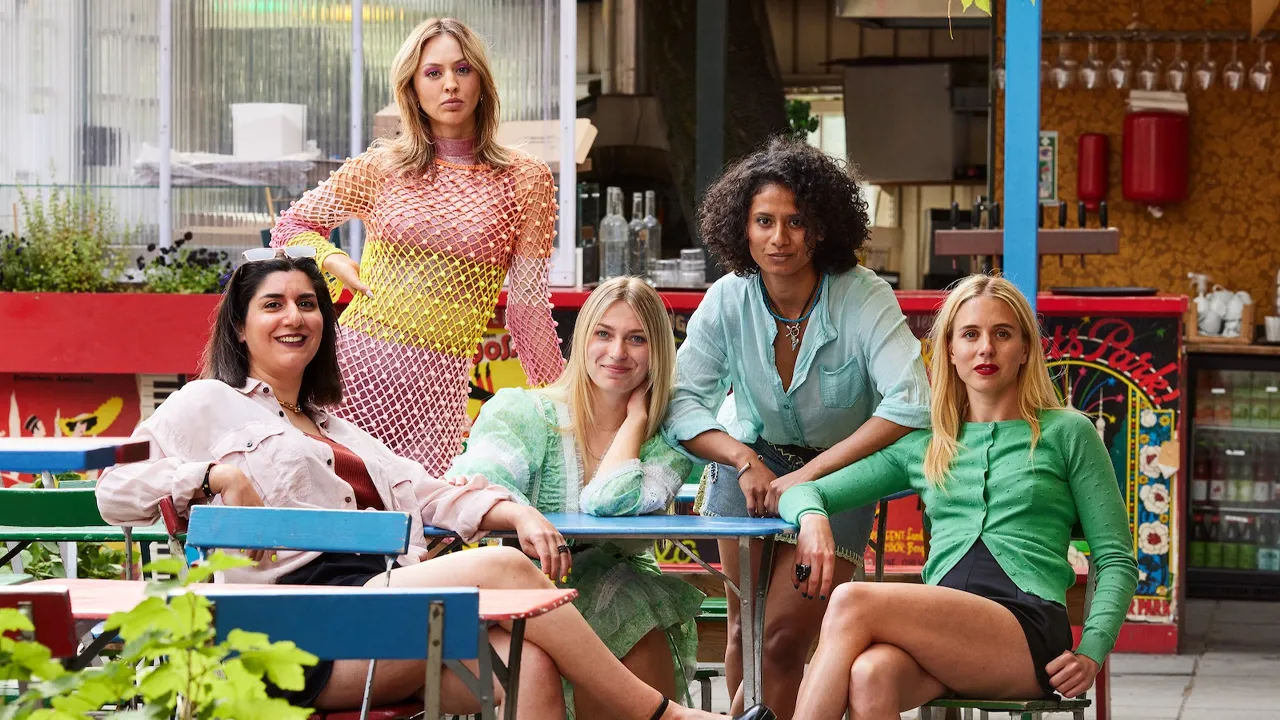

The television landscape is littered with the romantic wreckage of thirty-something women seeking partnership. Swedish dramedy Diary Of A Ditched Girl enters this crowded field, not with a bold new thesis, but with a warm, disarming charm. The series follows Amanda, a 31-year-old who, after a long hiatus, dives headfirst into the perplexing dating pool of Malmö.
What follows is a familiar parade of awkward encounters and unfulfilling connections. The show presents itself as an easy, lighthearted watch, yet beneath its comedic surface lies a surprising emotional weight. Amanda is a recognizable figure, an endearingly offbeat person struggling to make sense of a romantic world governed by swipes and ephemeral interest. The series wisely centers on this core situation, introducing us to a character whose quest for love quickly becomes a mirror for her own internal disarray.
The Lovable, Flawed Center
A show like this lives or dies by its lead, and Amanda is a fantastically frustrating protagonist. Her primary mission is finding a partner, but she operates under the mistaken belief that a relationship will magically solve her deeper issues with self-identity. We watch her make the same mistakes with an almost painful consistency, a cycle that makes a viewer want to both hug her and shake her.
This is a character who will receive a text from a man clearly stating his intention to date an ex, and after a moment of deliberation, will reply, “Sure, that’s fine by me.” It’s in these moments of self-sabotage, born from a deep-seated fear of being alone, that the show finds its most relatable footing.
The narrative structure reinforces this cycle; each of the seven short episodes often presents a new romantic prospect, a new set of red flags for Amanda to enthusiastically ignore, and a new morning-after debrief with her sister that feels like a variation on a theme. The pacing of her emotional growth is not linear. It is a messy, realistic stumble toward self-awareness, filled with detours into bad decisions. The show succeeds in building a genuine connection to her, even in her most cringeworthy moments.
Much of this success rests on the shoulders of Carla Sehn, whose performance is a masterclass in physical comedy and wide-eyed vulnerability. Sehn’s comedy is not built on witty retorts but on awkward physicality; the way she moves through a date’s apartment, a mixture of curiosity and caution, speaks volumes. She makes Amanda feel authentic, a real person instead of a collection of tropes. In an age of polished Hollywood leads, Sehn’s natural appearance feels like a quiet statement.
She is not presented as a project to be fixed or a diamond in the rough. She is simply a person, and the camera captures her expressive face without affectation, allowing every flicker of hope or disappointment to register.
This subverts the genre’s tendency toward makeover montages and aspirational glamour. Amanda is not trying to become a new person for a man; she is trying to figure out how to be the person she already is, a much more difficult task. Sehn’s performance animates the character with a warmth that prevents the well-worn premise from feeling stale. She is the engine of the series.
Sisterhood and a Parade of Fleeting Men
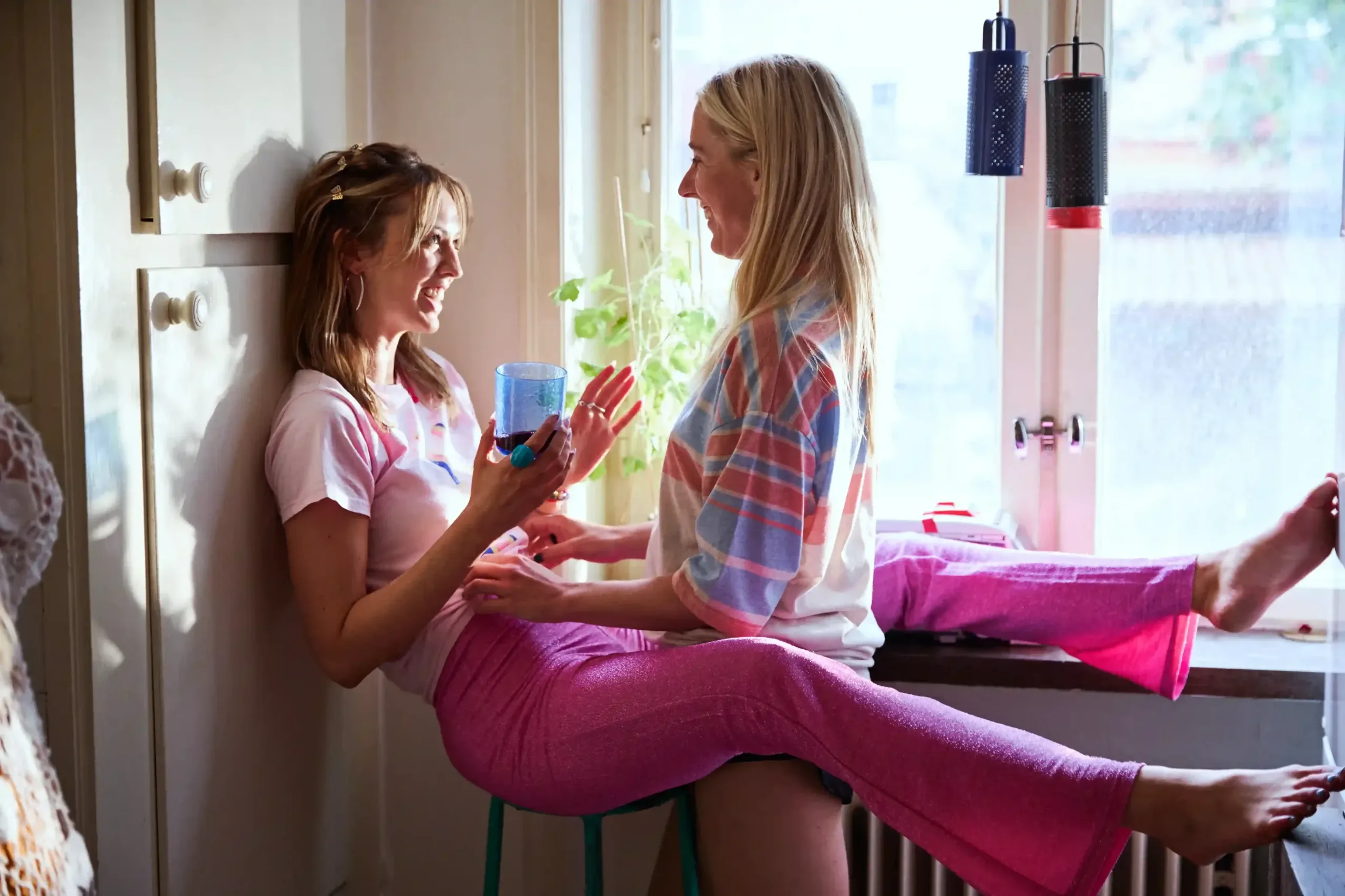
Amanda’s chaotic romantic life is grounded by the steadfast people in her corner. Her relationship with her sister, Adina, forms the show’s emotional backbone. Adina, played with a perfect measure of loving exasperation by Moah Madsen, is the pragmatist, the one who voices the hard truths Amanda often tries to sidestep. Their conversations, whether over the phone or in their shared workspace, are shot with an intimacy that suggests a long history of this dynamic.
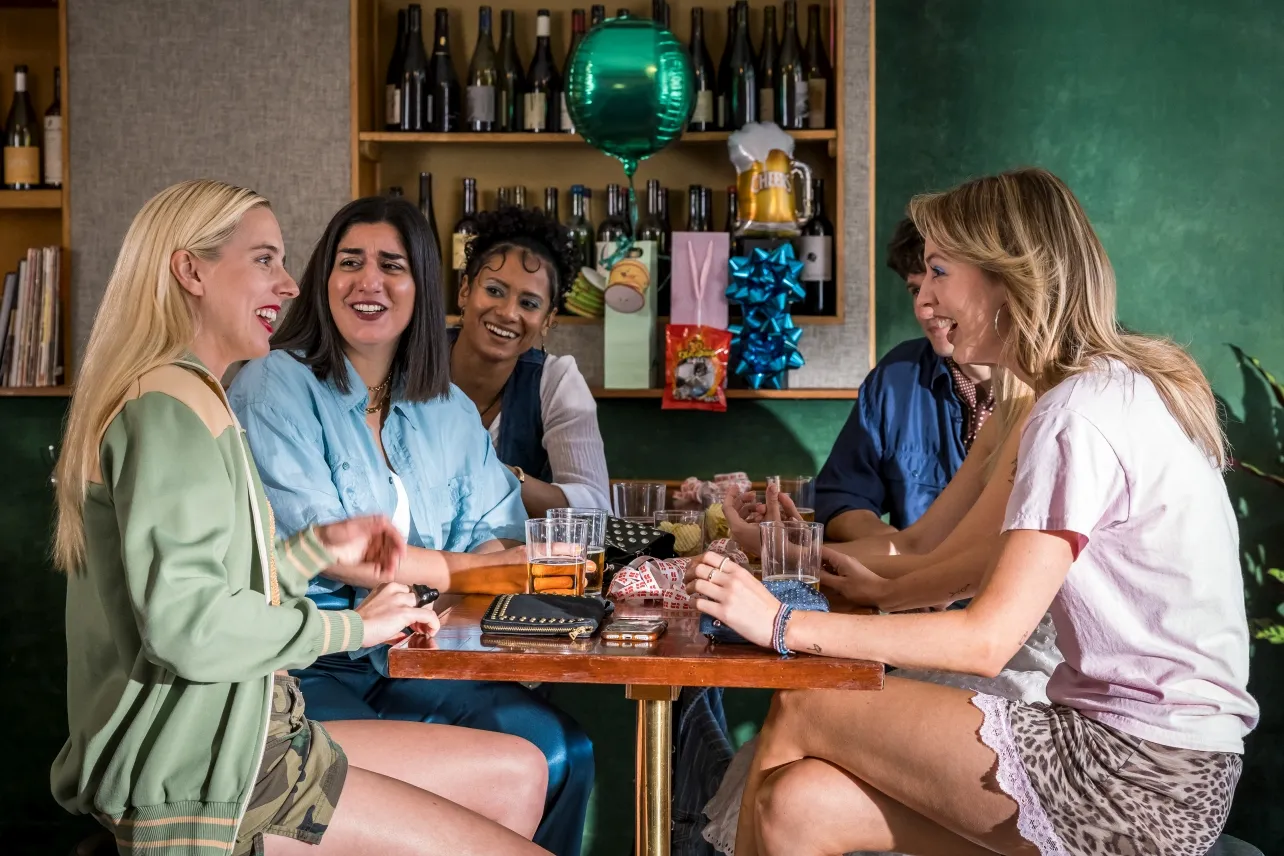
Adina is not merely a sounding board for Amanda’s woes; she is an active participant, her reactions guiding the audience’s own. When Amanda recounts a bizarre sexual encounter, Adina’s deadpan stare is the punchline. This dynamic is the series’ most compelling relationship. Her friends offer a similar foundation, a circle of support that feels lived-in and genuine.
They each embody different approaches to life and love, from the Samantha-esque Milleman, who brings a whip to a nightclub, to the more grounded members of the group. Their scenes together are a whirlwind of fast-paced dialogue and overlapping conversations, a directorial choice that effectively captures the chaotic comfort of old friendships.
These relationships stand in sharp contrast to Amanda’s romantic escapades. The men she encounters are less like fully realized characters and more like comedic specimens of a broken dating culture. There is the toothy consultant in a fleece vest who wants her to leave immediately after sex, the old crush from seventh grade, and the neighbor who appears at opportune moments. They are casually cruel, emotionally distant, or just plain bizarre.
The series uses these interactions to comment on the impersonal nature of app-based dating, where accountability is optional and people become disposable. The direction of these scenes often highlights the absurdity. A date might be framed to emphasize the sterile, impersonal environment of a trendy bar, with sound design that amplifies the awkward silences between forced pleasantries. The real story here is not about the men who come and go; it is about the enduring strength of the platonic and familial bonds that truly define Amanda’s world.
A Familiar Tune with a Scandinavian Accent
Let’s be honest: the story of a woman navigating loneliness and the pressures of adulthood is hardly new territory. Diary Of A Ditched Girl works because it executes this story with sincerity and a specific cultural flavor. The show’s effectiveness stems from its realism, the palpable vulnerability of its characters, and a distinct Scandinavian sensibility that mixes frankness with a dry, dark humor.
This is not the bright, candy-colored version of singledom seen in American sitcoms. The humor here is rooted in discomfort, what one review called a “Scandinavian brutality.” A shocking opening scene involving a public flasher is treated not as a moment of trauma but as a darkly comic catalyst for Amanda’s romantic reawakening. This tonal choice sets it apart.
The series is filled with culturally specific details, from a mother who “married her daughter to the cosmos” to a vegetarian sister who still eats shrimp, that ground the universal story in a tangible, unique place. The look of the show reinforces this authenticity. The cinematography favors natural light, and the production design gives us apartments that look genuinely lived-in, not art-directed.
Its central message slowly comes into focus. The relentless pursuit of romance is secondary to the more arduous work of self-love. The series understands why these stories continue to resonate; they reflect a common human experience, particularly for a generation facing economic precarity and the strange loneliness of hyper-connectivity.
The show’s short, bingeable episodes are perfectly suited for modern viewing habits, offering a contained, satisfying arc that does not demand a long-term commitment. Amanda’s real growth begins when she starts directing the compassion she desperately seeks from others toward herself. The journey is not about finding the right person, but about realizing she has the power to define her own happiness, a lesson that feels both timeless and urgently contemporary.
“Diary of a Ditched Girl” is a Swedish dramedy series that premiered on Netflix on September 11, 2025. The show follows Amanda, a 31-year-old who is single and exploring the world of modern dating. With her friends by her side, she navigates hook-ups, app encounters, and chaotic men while on a quest for love, highlighting the challenges of finding lasting connections in the digital age.
Full Credits
Director: Emma Bucht, Susanne Thorson
Writers: Tove Eriksen Hillblom, Amanda Romare
Producers and Executive Producers: Emma Nyberg, Johannes Jensen
Cast: Carla Sehn, Moah Madsen, Dilan Apak, Malou Marnfeldt, Zahraa Aldoujaili, Ingela Olsson, Torkel Petersson, Johannes Lindkvist
The Review
Diary Of A Ditched Girl
While it doesn’t reinvent the genre, Diary Of A Ditched Girl is a genuinely charming and heartfelt series. Its strength lies in a raw, vulnerable lead performance and its authentic depiction of female friendships. It’s a warm, funny, and deeply relatable look at the messy reality of finding oneself while looking for a partner. A familiar story told with wit and a distinct Scandinavian frankness that makes it worthwhile.
PROS
- A fantastic lead performance from Carla Sehn that is both funny and vulnerable.
- Authentic and well-realized depiction of sisterly and friendly relationships.
- A relatable and humorous take on the absurdities of modern dating.
- A distinct Scandinavian tone that mixes dark humor with sincerity.
- Strong, naturalistic direction and cinematography.
CONS
- The central premise is unoriginal and follows a very familiar story structure.
- Some story beats and character choices can feel predictable.
- The male characters are often thinly sketched comedic foils rather than full characters.







