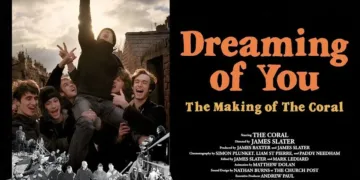

























In the early 2000s, as the UK music scene searched for its next direction, The Coral emerged from the Wirral peninsula with a sound that felt both familiar and curiously strange. The group offered a refreshing alternative, mixing classic 60s Merseybeat hooks with off-kilter psychedelic textures. The documentary Dreaming of You wisely avoids the standard rock-and-roll narrative of meteoric ascent and dramatic collapse.
Instead, it constructs a more focused account of the band’s formative years. The film is less a biography and more a study of origins, concentrating on the childhood friendships and creative impulses that produced their celebrated debut album. It carefully examines the specific chemistry that fueled the band and illuminates their decision to follow a path separate from the well-trodden road to mainstream stardom.
Before the Music, a Shared World
The film’s central argument is that The Coral was first a gang of friends, and only later a band. It portrays their initial collaborations as exercises in pure imagination, from a self-styled “ghost-hunting business” to other youthful schemes, with music eventually becoming the primary channel for their collective energy.
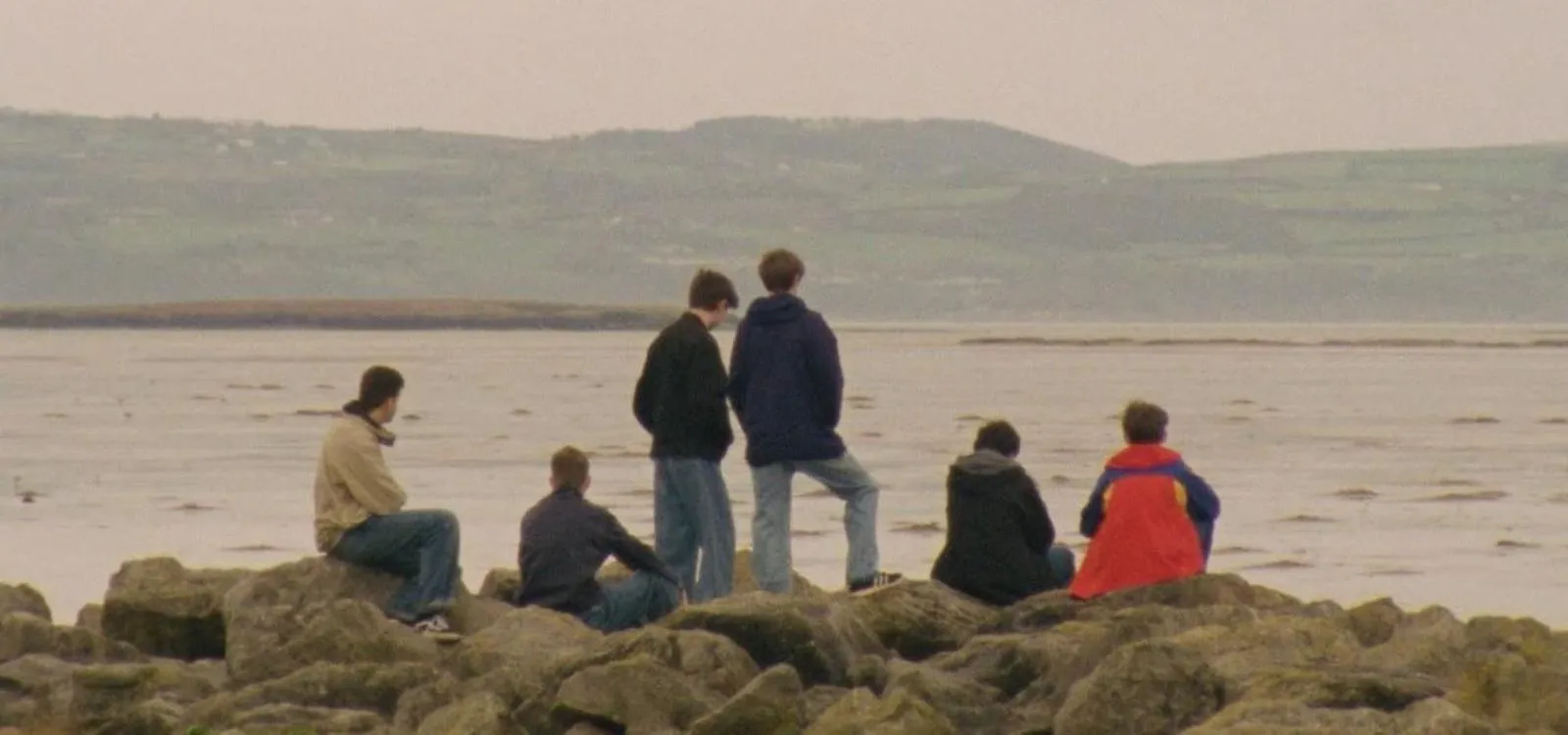
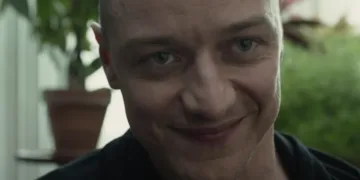
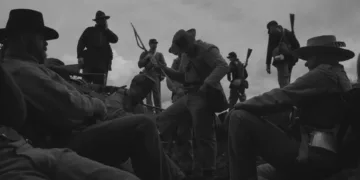
Director James Slater pieces together this origin story using an impressive collection of personal materials. The narrative is built from grainy home movies, childhood photographs, and raw rehearsal tapes, which lend the proceedings a palpable intimacy. The inclusion of the members’ own hilarious, homemade films, filled with mock horror and action sequences, establishes a crucial theme.
Their creative drive was rooted in a shared desire for escapism, a world they built for themselves that later found expression in their songs. The documentary presents their musical development as a natural product of this camaraderie, capturing an authentic “us against the world” posture that feels earned.
Form Follows Function
The documentary’s aesthetic is a direct reflection of its subject. Slater assembles the film as a visual and auditory collage, blending different media to create a layered effect. Footage shot on DV, 16mm, and 8mm is combined with lo-fi animations and archival clips, mirroring the way The Coral constructed its sound.

Just as the band pulled from a wide spectrum of influences like The Beatles, Captain Beefheart, 60s garage rock, and even 1950s Skiffle, the film builds its story from a variety of visual textures. The narrative structure is further defined by its use of narration.
The entire story is told through voiceovers from the original band members, recorded specifically for the film. By omitting present-day, on-screen interviews, the documentary cultivates a reflective, collective voice, reinforcing the idea of the band as a single, unified entity looking back on its beginnings.
The Retreat from Fame
Dreaming of You handles the band’s brush with mainstream success with a knowing subtlety. The Coral was briefly categorized as part of the “New Rock Revolution,” yet the film shows their clear reluctance to participate in the machinery of the music industry.
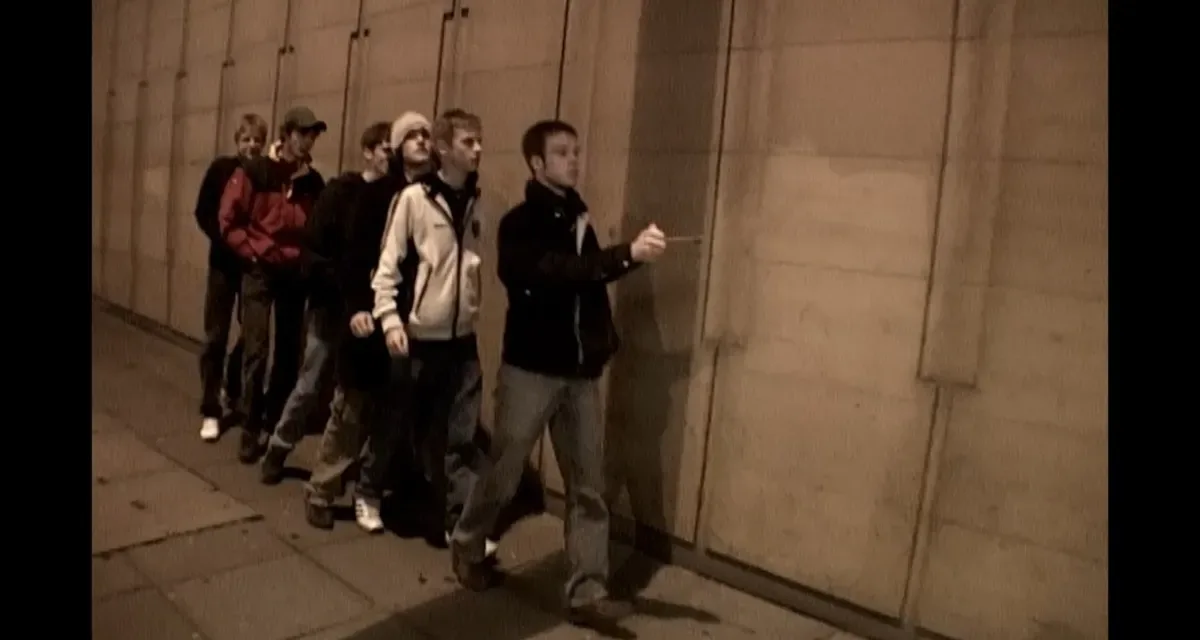
It highlights their inherent desire to remain outsiders, a disposition that became particularly clear when they toured America. The documentary frames their career path not as a story of what might have been, but as a series of conscious choices made to protect their identity and stay true to their origins.
The narrative effectively comes full circle, concluding where it started, back in the Wirral. Ultimately, the film serves as a compelling invitation for viewers to rediscover the band’s work. It leaves you with a renewed appreciation for their artistic sincerity and the distinctive quality of their early music, especially the enduringly infectious title track.
Dreaming of You: The Making of The Coral is an immersive coming-of-age music documentary that chronicles the formation and early success of the influential British band, The Coral. The film tells the story of six childhood friends from Merseyside who created a unique blend of psychedelic rock ‘n’ roll and revitalized the UK indie scene in the early 2000s. Narrated by the band members themselves, the film utilizes reconstruction, archive footage, and animation to capture the era. The documentary had its World Premiere at the Sheffield DocFest in June 2025 and began its nationwide theatrical release in the UK on September 12, 2025, screening at various independent cinemas across the country. As of its initial release, the film was primarily available for viewing in UK cinemas.
Full Credits
Director: James Slater
Writers: James Slater
Producers and Executive Producers: J6 Films, Sony Music Vision
Cast: James Skelly, Paul Duffy, Nick Power, Ian Skelly, Bill Ryder-Jones, Lee Southall, The Lightning Seeds, The Zutons, Tramp Attack
The Review
Dreaming of You: The Making of the Coral
Dreaming of You succeeds by rejecting the standard rock biography formula. It presents an intimate and thoughtfully constructed portrait of creative origins, arguing that the band’s unique sound was a direct product of their isolated, imaginative world. Its collage-like aesthetic and focus on friendship over fame make it a compelling study of artistic integrity. A must-see for fans and a fascinating watch for anyone interested in the mechanics of creativity.
PROS
- Leverages personal archives effectively to create an authentic look at the band's formation
- The collage-style editing and mix of film stocks mirror the band's eclectic musical approach.
- Wisely concentrates on the themes of friendship, place, and creative isolation over clichéd rock-and-roll tropes.
- The exclusive use of voiceover narration from the band members creates a unified and reflective tone.
CONS
- The deep focus on the band's early days and local scene may not fully engage viewers unfamiliar with The Coral.
- The film deliberately ends after their debut, offering little insight into the subsequent two decades of their career.
- Viewers seeking a more traditional narrative with clear dramatic stakes might find the reflective, meandering pace less compelling.