









![Kingdom Hearts Collection [I-III] Review](https://gazettely.com/wp-content/uploads/2026/10/Kingdom-Hearts-Collection-I-III-1-360x180.webp "Kingdom Hearts Collection [I-III] Review: KHII Holds Steady as Newer Entries Fluctuate 33")





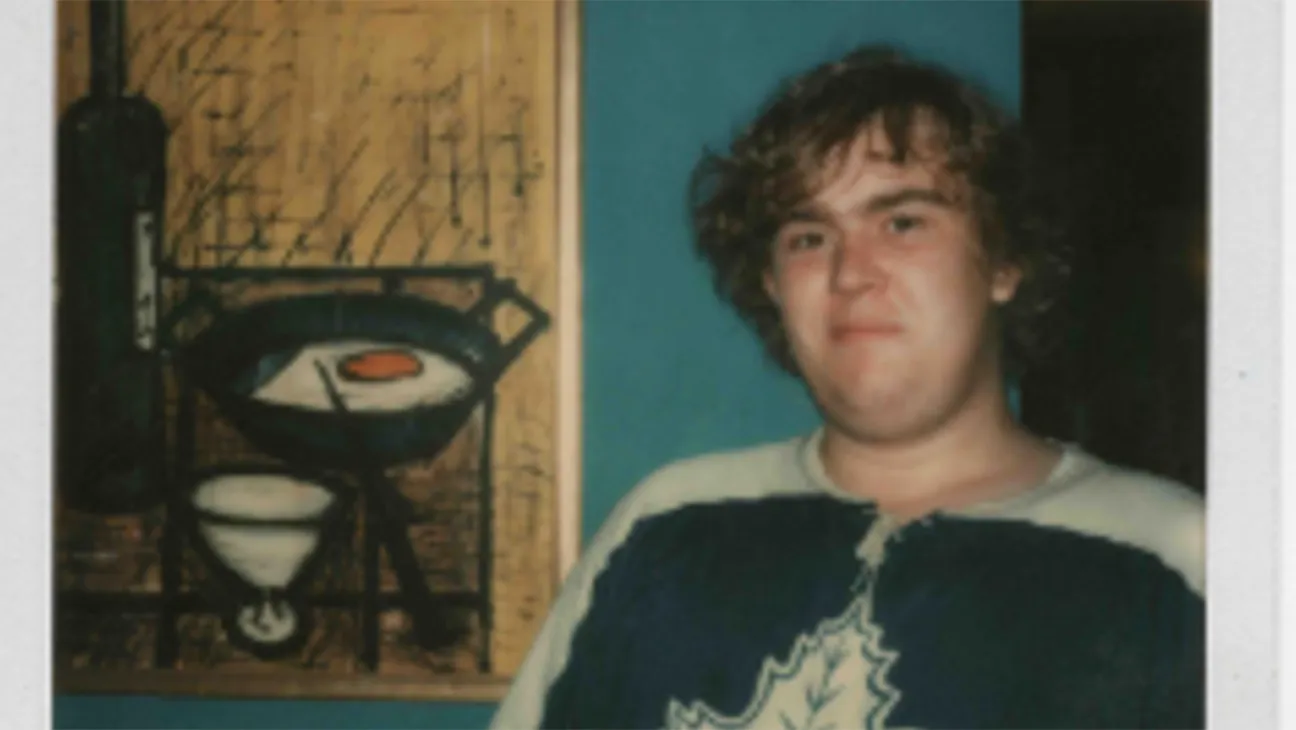

Some screen presences are less performances than they are ambient states of being. John Candy’s was one of profound, almost unsettling warmth, a persona so complete it felt like a universal truth. He was the perpetual friend. In John Candy: I Like Me, director Colin Hanks undertakes a careful cinematic archaeology of this figure, assembling a mosaic of memory from those who occupied Candy’s orbit.
The film’s visual grammar is one of soft-focus reverence. Interviews are staged in pools of warm, confessional light, creating intimate spaces for recollection against dark, indistinct backgrounds. Hanks gathers an exhaustive chorus of friends, family, and collaborators to testify.
The result is an emotional seance, a fond tribute that uses the conventional tools of the bio-doc to probe the faint dissonance between the man and his own myth. It seeks to understand the persistence of a memory, the echo of a laugh that has somehow outlasted its source by three decades.
The Architecture of Joy
The film’s narrative structure meticulously charts a classic ascent, a formalized chronicle of comedic manifest destiny. We begin in the grainy, kinescopic haze of his formative years, where the Toronto stages of Second City and the anarchic broadcasts of SCTV function as a creative laboratory.
Hanks frames this period as one of pure, unrestrained invention, allowing archival footage to play out at length. These ghostly transmissions show a performer discovering the outer limits of his talent. As the story pivots to Hollywood, the visual texture sharpens. Polished clips from Splash, Uncle Buck, and Planes, Trains & Automobiles ground his legacy in the cultural firmament.
The documentary’s editing rhythmically cross-cuts these iconic scenes with a unified chorus of talking heads. The composition is deliberate; Hanks will often splice together partial sentences from Eugene Levy, Catherine O’Hara, and Martin Short to form a single, seamless testament to Candy’s genius and decency.
This technique reinforces the film’s central thesis of a man without critics. Tyler Strickland’s score provides a bright, affirmative soundscape for this chapter, a jaunty accompaniment to a life seemingly devoid of conflict. The architecture is flawless. The myth is built brick by perfect, laudatory brick.
Chiaroscuro of the Soul
Every noir protagonist is haunted. The film identifies Candy’s ghost as the premature death of his father, an event that casts a long, expressionistic shadow over his entire existence. This is not just a past trauma; it is framed as a kind of hereditary curse, a question of fate that ticks like a clock, given the parallel heart condition.
Here, the documentary’s aesthetic shifts into a distinct chiaroscuro. The high-key lighting of his public triumphs gives way to the low-key melancholy of his private anxieties. Hanks finds his visual evidence in archival interviews, using tight close-ups that magnify the flicker of pain in Candy’s eyes when a journalist’s question turns to his weight.
These moments are cracks in the cheerful facade. The central ethical gray zone is the paradox of his body, an instrument of immense comedic power that was also a source of personal torment. The film lays bare the moral compromise demanded by an industry that profits from such contradictions, showing how Hollywood’s requirement that he remain large for his brand became an inescapable trap. His physical self was a commodity.
While the accounts from his wife and children provide a tender, intimate counterpoint, it is the testimony of Macaulay Culkin that cuts sharpest. His lucid memories offer an outsider’s clear-eyed view of the adult burdens Candy carried, even while creating worlds of childhood joy.
A Carefully Framed Memory
Ultimately, the film is an exercise in controlled remembrance, a work of cinematic curation. Colin Hanks’s directorial hand is deliberately unobtrusive; his camera is often static, patient, allowing his subjects to fill the frame with their recollections. This respectful distance ensures the narrative flow is never disrupted by inconvenient questions.
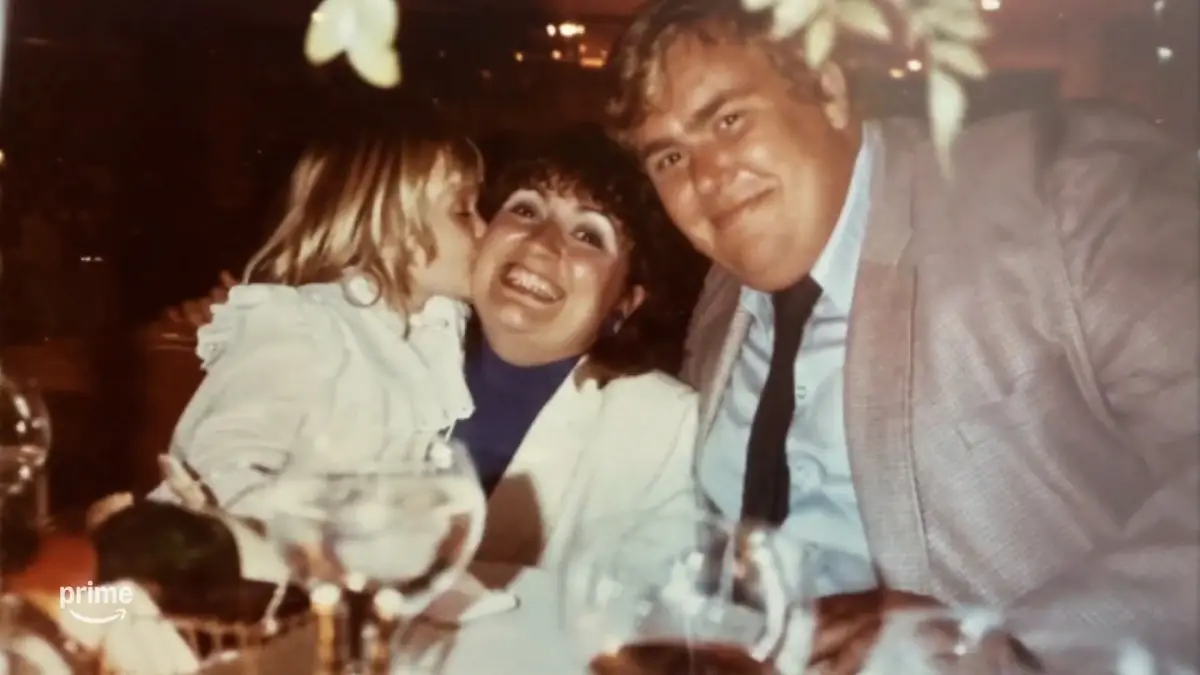
The structure is less an investigation and more a confirmation of a pre-existing thesis. As a family-authorized project, its primary function is not revelation but preservation. This proximity to the subject grants access to a trove of grainy home videos, a powerful tool for manipulating audience psychology.
The flickering, informal footage creates a potent, if constructed, sense of authenticity that makes the final loss feel deeply personal. The film’s pacing slows in its final act, becoming an elegy. While it is a documentary, its narrative shape hews closely to hagiography, a genre concerned with the codification of a virtuous life.
It is about memory, and memory is its own form of storytelling. The title, lifted from a moment of profound vulnerability, is presented as a defiant statement of self-worth. It poses the film’s core existential question, yet frames it as a resolution. A more critical viewing suggests the tension was never resolved. That may be the truest thing about him.
“John Candy: I Like Me” is a documentary that premiered at the Toronto International Film Festival on September 4, 2025. The film will be available for streaming globally on Amazon Prime Video starting on October 10, 2025. It is a heartfelt tribute to the life and career of the beloved Canadian comedian, John Candy. The documentary features never-before-seen home videos and interviews with his family, friends, and collaborators.
Full Credits
Director: Colin Hanks
Producers: Colin Hanks, Sean Stuart, Glen Zipper, Ryan Reynolds, George Dewey, Johnny Pariseau, Shane Reid
Executive Producers: Ashley Fox, Patrick Gooing
Cast: John Candy, Steve Martin, Tom Hanks, Catherine O’Hara, Dan Aykroyd, Martin Short, Eugene Levy, Macaulay Culkin, Bill Murray, Mel Brooks
Director of Photography (Cinematographer): Justin Kane
Editors: Shane Reid, Darrin Roberts
Composer: Tyler Strickland
The Review
John Candy: I Like Me
John Candy: I Like Me is a deeply felt and beautifully assembled memorial that succeeds as a moving testament to a beloved figure's warmth. It opts for affectionate hagiography over critical inquiry, functioning as a loving tribute rather than a complex investigation. While it powerfully captures the joy of Candy's public persona and hints at his private pain, its carefully framed perspective keeps the more shadowy corners of its subject just out of view. It celebrates the icon while keeping the man at a respectful, and perhaps too safe, distance.
PROS
- An incredibly moving and heartfelt tribute to a cherished comedic talent.
- Features extraordinary access to rare home movies, personal photos, and archival footage.
- Includes a wonderful collection of warm and insightful interviews with comedy legends and Candy's family.
- Successfully conveys the profound kindness and generosity of its subject.
CONS
- Lacks critical depth, functioning more as a memorial than a rigorous documentary.
- As a family-authorized project, it avoids exploring more difficult or complex aspects of Candy's life.
- The overall portrait feels polished and occasionally one-sided.